In this article
For a mild ingrown toenail, the usual first steps are warm soaks, comfortable shoes, and gently keeping the nail edge from digging in. Do not try to cut out the ingrown part yourself, and do not treat it at home if you have diabetes, nerve problems in the feet, poor circulation, or any sign of infection such as pus, spreading redness, or fever. Those cases belong with a clinician. This guide explains what home care looks like, where drops, braces, and tool kits fit in, what the evidence does and does not show, and the warning signs that mean it is time to stop and get help.
An ingrown toenail hurts out of proportion to its size. Walking, shoes, and even a sheet on the toe can set it off, so it is tempting to reach for the sharpest tool you own. That is the step the medical sources warn against first, so this guide starts with what is safe and where self-treatment ends.
This article is general information, not medical advice, and it cannot tell whether your toe is mild or infected. If you are unsure, a clinician is the right person to ask.
What is an ingrown toenail, and why does it happen?
An ingrown toenail is a nail edge that presses or grows into the skin beside it, causing pain, redness, and swelling. MedlinePlus's advice points at the usual culprits: it says to avoid tight or poorly fitting shoes, and to trim nails straight across, without rounding or tapering the corners and without cutting them too short.
Buyers' stories match that. One said their nail tech kept cutting the sides at an angle and the toe got worse, another traced theirs to uncomfortable work boots, one to a salon visit with acrylics, and one had a nail grow back differently after losing it. Several have curved or pincer-shaped nails that tend to turn inward, and a few said they had been in and out of a podiatrist's office for years.
When should you not treat it yourself?
Before any drops or tools, check these. MedlinePlus says not to treat an ingrown nail at home if you have diabetes, nerve problems in the leg or foot, poor circulation in the foot, or infection around the nail, and to contact a provider right away in those cases. It also says to get help if it cannot be treated at home, gets worse, or comes with severe pain, redness, swelling, or fever. The NHS adds that a painful, swollen toe with pus coming out is a reason to see a GP, as is a very high temperature or feeling hot, cold, or shivery, and that foot problems can be more serious with diabetes.
- Pus or drainage coming from the toe.
- Redness that spreads, a toe that is hot or very swollen, or a fever.
- Diabetes, numb or tingling feet, or poor circulation, even with mild symptoms.
- Pain that keeps getting worse, or a toe that has not improved after several days of home care.
- A child's toe: buyers described a child's ingrown nail that became infected and needed antibiotics, and a parent of a five-year-old wished for a kid-sized product.
A few buyers' stories show why this matters. One said a gel used for two days caused burning and a white, red patch of skin that took more than a week to heal. Another said their nail turned bruised-looking within four days, was stopped at once, and later fell off, with new nails growing in over ten months. These are individual accounts, not a measure of how often it happens, but they are reasons to stop a product when something feels wrong.
What can you do at home first?
For a mild case with no infection, the medical sources agree on a short list. MedlinePlus suggests soaking the foot in warm water three to four times a day, keeping the toe dry afterward, gently massaging the inflamed skin, wearing sandals or roomy shoes, and using over-the-counter medicine for pain, which relieves the pain but does not treat the problem. The NHS suggests a warm, salty soak, wide comfortable shoes, and paracetamol or ibuprofen for pain, and says to leave the nail to grow out and not to pick at it.
MedlinePlus also describes placing a small piece of cotton or dental floss under the nail, dampened with water or an antiseptic. A 2009 family-medicine journal review describes the same approach with cotton wisps or floss and reports that the supporting data came from an uncontrolled case series, with no clinical trial proving that conservative treatment works, though the authors consider it reasonable. That is useful to remember when a product promises fast results.
Should you trim the nail?
The sources differ slightly. The NHS says not to cut the nail and to let it grow out, while MedlinePlus says to trim straight across with a clean, sharp trimmer after a short soak, without tapering or rounding the corners or cutting too short, and not to cut out the ingrown part yourself. The common thread is to avoid digging at the edge or cutting a notch, and to keep any trimming straight across and not too short.
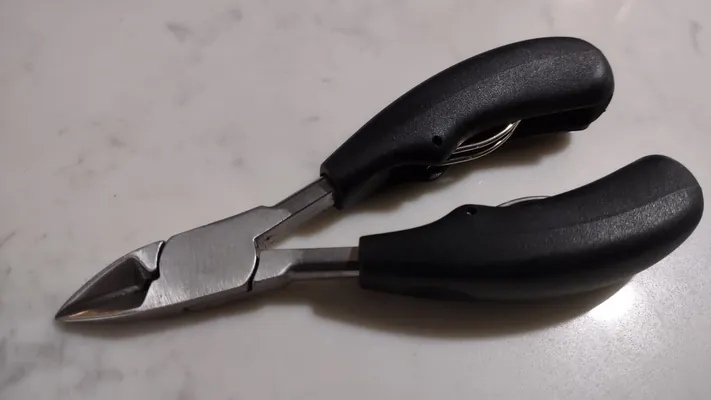
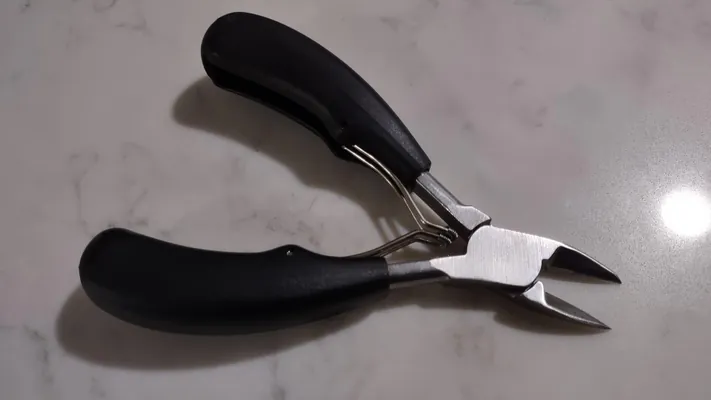
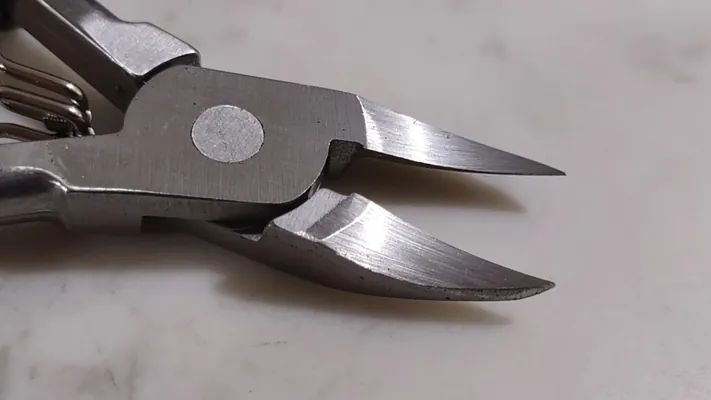
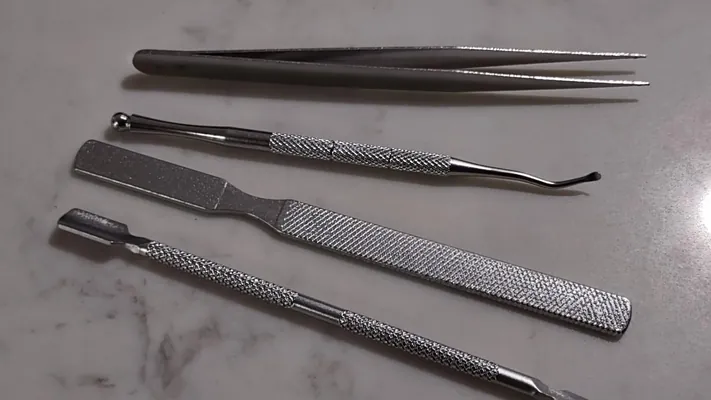
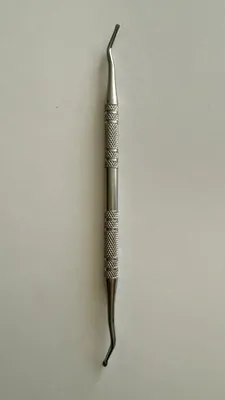
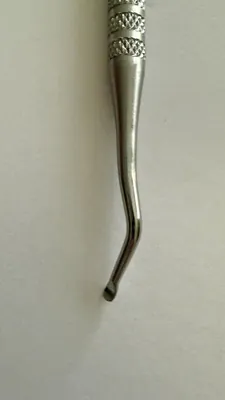
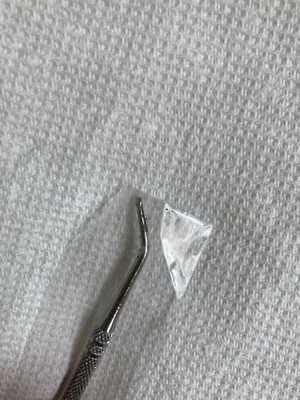
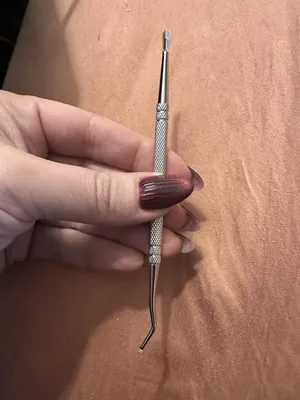
Buyers describe the tools they received in similar terms. Several said the lifting tools are useful for gently moving the edge and clearing debris, and one called a kit's clippers slightly scary. One said the clippers in their set could not cut, two said their clippers broke, and one said a tool tip snapped off during use. Check any tool for sharp or rough edges before it goes near your toe.
Do nail-softening drops help?
Softening liquids are meant to make a thick or curved nail easier to trim or lift, and their listings describe them that way. What buyers report matches the narrow claim better than the big ones. Several said the drops did soften the nail and made lifting or trimming easier, a few said they relieved pain, and some said they needed daily use for weeks. Others said the drops did not do much or did not soften a thick nail. Treat them as a nail-care step, not as a treatment for an infection.
The listing says very little, so what follows comes from buyers. A few people with thick or ingrown nails said it helps with soreness or makes trimming easier, one said it takes about 72 hours to notice a difference, and another said they soak the foot first and then apply it. One buyer developed a rash and said to be aware of potential allergens, and another said the bottle they received was mislabeled. Stop at the first sign of irritation.
The listing pairs the drops with soft silicone toe caps meant to cushion sensitive toes. Buyers said the drops softened the nail and eased discomfort when used daily with soaks, and one said they did not get the cap pictured but a stretchy tube instead. One said the clippers in their version are curved and not suited to toenails, and another said it softened the nail but did little for the pain.
Buyers said the dropper is easy to use and the lifter helps, and several said it brought relief. Others reported that the liquid is brown and one said it discolored their nail after two days, so they stopped. One parent said the lifter was gentler than clippers for their five-year-old, but the toe became infected and needed antibiotics. Underfilled bottles and one dirty tool were also reported.
What about nail braces and correction patches?
Correction patches and braces are thin metal or plastic strips glued across the nail to lift the edge and slowly change its curve. Listings describe long-term correction over weeks to months, and buyers describe relief within days. The medical sources reviewed for this guide do not discuss glued-on braces, and the nearest equivalent in the family-medicine review is a splint placed by a clinician, which that review rates as consensus or case-series evidence. That does not mean braces fail, only that the best evidence is thin.
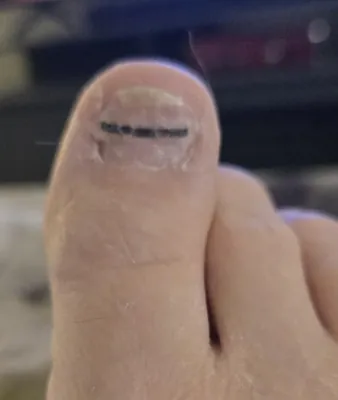
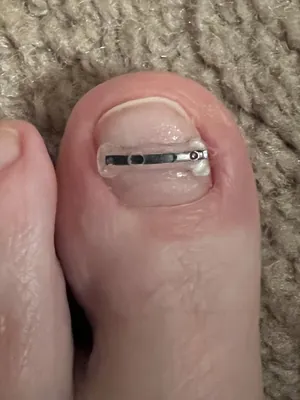
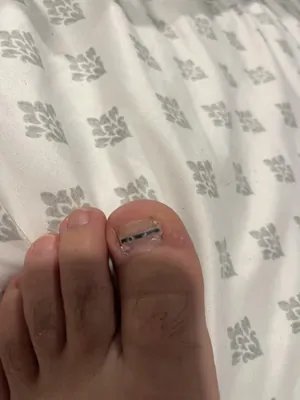
Buyers' comments are mostly positive: many said it was easier than expected and that they felt relief within a day or a few days. The listing says bathing is fine after 8 hours. Some added tips: file the nail so the strip sits flat, follow the instructions exactly, and give it time, with one reporting a flatter curve after six months. Others noted it takes practice and that a very rounded nail needed more glue. One buyer with diabetes used it for curled nails, and some who had lost a nail or had a partial nail removal used it during regrowth, which is exactly the kind of situation to run past a clinician first.
What helps while the nail grows out?
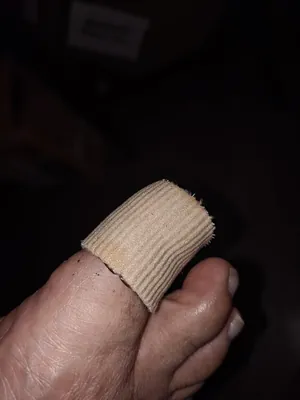
Sleeves, caps, and cushions do not treat anything, but they reduce friction from shoes and socks, which is a big part of the pain. Some kits include soft toe sleeves for this, and the NHS and MedlinePlus both recommend wide or open shoes in the meantime.
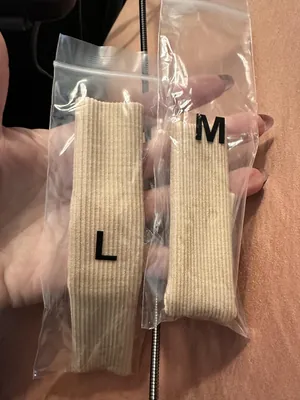
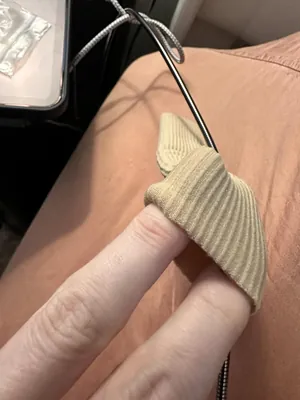
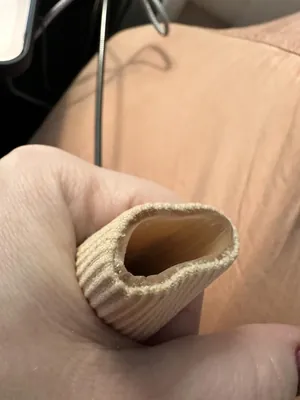
Are all-in-one kits worth it?
Kits bundle clippers, lifters, patches, and drops, and they are popular, but they also have the most buyer complaints. A kit is only as good as its weakest tool, and many buyers said some pieces were great and others were not. Two said it was too many parts for their situation, and two said the clippers or the corrector were flimsy. If you are not sure what you need, warm soaks, roomy shoes, and a clean straight-across trim are the parts the medical sources actually describe.
Buyers called it complete and easy to use at home, with many saying the tools felt sturdy and helped relieve pressure. One said it works for mild cases, not severe ones, another said there were too many pieces, and two said the clippers broke or the corrector was flimsy. Several of the favorable comments describe the patches and tweezers more than the clippers.
The listing includes menthol for a cooling feel, a double-ended lifter and cleaner, and a long self-adhesive wrap. Buyers who used it for mild problems said it helped within a few days, while one said the drops were not strong enough for a thick or curved nail, and another disliked the liquid's orange color. It has only about 57 ratings.
The listing describes a medicated gel that softens the nail for trimming, with foam rings and bandages. Buyers who like it said the gel relieved pain, and several said the tools are useful for lifting. Others said the gel smells strongly, one said the clipper broke and a part flew at their face, and another said a tool tip snapped off. A few lower-rated comments are about boxes that arrived open or used.
The listing says it is the only over-the-counter ingrown nail treatment proven to relieve pain, which is the maker's claim. Buyers split sharply: many said it relieved the pain within days and that the nail came out or improved with soaks, while others described a strong smell like rotten eggs, no improvement, or a worse toe. Skin burning with a white, red patch and a nail that discolored were reported, and many one-star comments were about boxes that arrived open, used, expired, or missing the gel.
What should you check before you use anything?
Several buyers across these products said the box arrived open, used, or missing its main item, and a few said a tube was damaged or expired. Because these products go on or near broken skin, it is worth checking before you open anything.
- Make sure the box is sealed and nothing is missing or looks used, and check the date.
- Read the printed directions and warnings in the box, since a few buyers said theirs were missing or covered.
- Test any liquid or gel on a small spot of skin first, and stop if there is burning, a rash, or discoloration.
- Look at every tool for rough edges, loose tips, or flimsy joints, and sanitize it as the instructions say.
- Take a photo of the packaging, and keep the order information until you are sure the product works for you.
If the toe is not clearly better within a few days, or any warning sign above appears, put the products down and see a clinician.