In this article
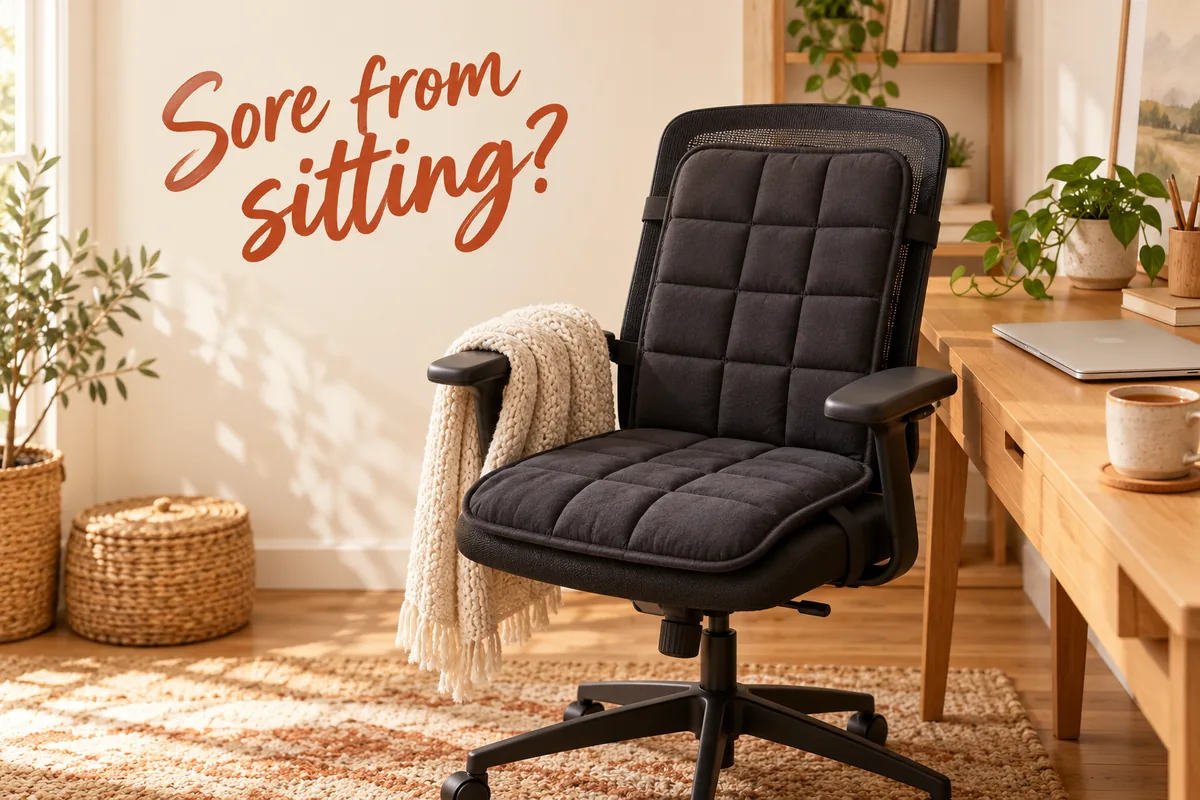
A sore back at the end of a long desk day is rarely caused by one bad chair or one bad habit. It usually builds from hours in the same position, a seat that no longer supports the curve of your lower back, and sometimes a chilly room that makes it harder to settle in. This guide covers why sitting hurts, what to adjust before you buy anything, when warmth helps, how to keep a heated seat cushion from getting too hot, how vibration and rolling-node pads differ, whether one will fit your chair, and when back pain deserves a call to a clinician.
Why does my back hurt more the longer I sit?
Time in one position is the pattern researchers keep finding. In a small 2016 lab study, 20 people typed for an hour at a time, and 8 of them developed low back pain when they sat without a break (study abstract). Standing breaks of five minutes every 30 minutes, 2.5 minutes every 15, or 50 seconds every five all helped some, but none returned those people's pain to where it started. The authors described breaks as a temporary solution for people prone to this pain.
That is a small study, not a rule for everyone. It still matches what many people notice: the ache arrives gradually, a single fix rarely clears it, and the answer is a mix of changing position, supporting your back, and making the time you do spend seated more comfortable. A heated or vibrating seat pad belongs in that last group. It can make a long sit feel better; it does not replace moving.
What should I change before buying anything?
Start with how you sit. OSHA's chair guidance says the backrest should follow the natural curve of your spine with adequate lumbar support, and that your feet should rest flat on the floor or a footrest (OSHA, chairs). If your chair has no lumbar support, the same page suggests a rolled-up towel or a removable back cushion as a stopgap.
- Lower or raise the seat until your whole foot rests on the floor (or a footrest) and the backs of your knees are slightly higher than the seat.
- Slide your hips all the way back so your lower back touches the backrest, then place a small rolled towel or cushion in the curve above your belt line.
- Set a repeating timer. Stand, walk to refill a glass of water, or switch to a task you can do on your feet, and then sit back down.
- Change how you sit during the day. OSHA notes that an adjustable chair allows variety in sitting positions through the workday, which is the point of adjusting it.
Does a break need to be long to count?
Not in that study. The 50-second breaks every five minutes reduced mental fatigue about as well as the five-minute breaks every half hour, and the researchers found no difference in typing productivity between schedules. If a long break is unrealistic, short, frequent ones are worth trying.
What if my back is already sore and I do not want to lie still?
The NHS back pain page advises staying active and continuing your daily activities as far as you can, and says not to stay in bed for long periods. It lists walking, swimming, yoga, and pilates as activities that may help (NHS). A seat pad is something you add around that, not instead of it.
Does heat actually help a stiff back?
For stiffness and muscle spasms, the NHS recommends a heat pack or hot water bottle wrapped in a tea towel (NHS). That is awkward at a desk, where a hot water bottle slides off your lap. A heated seat cushion puts the warmth behind you instead, which is why buyers describe them the way they do: one works from home in an older house that gets drafty in winter, another has a cold office they cannot control, and a third said the cushion let them stop using a separate heating pad for lower back soreness.
Warmth that stays put is the main appeal. One buyer liked that a pad can stay set up on a chair, ready for the next time they sit down.
What if I am just cold, not sore?
That is a real reason to want one. One buyer described a cold, drafty office where the thermostat was out of their hands and cold feet under the desk, and said a warm seat and back made the rest of the day easier. Treat that as one person's experience: a seat cushion warms the parts of you it touches, and a cold room will still be a cold room.
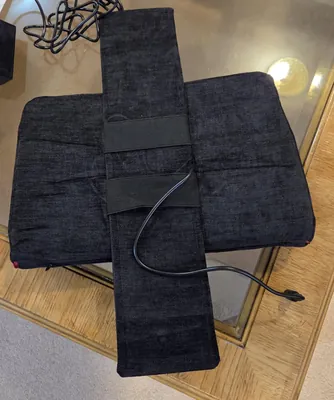
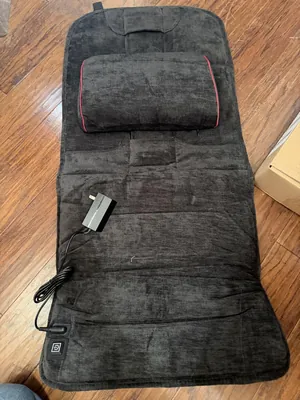
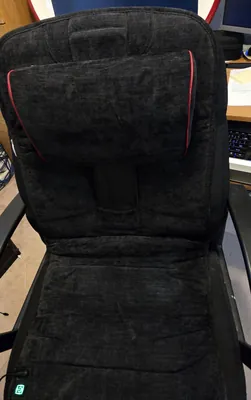
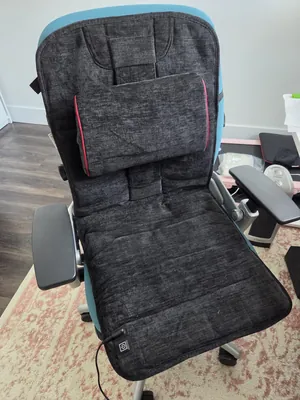
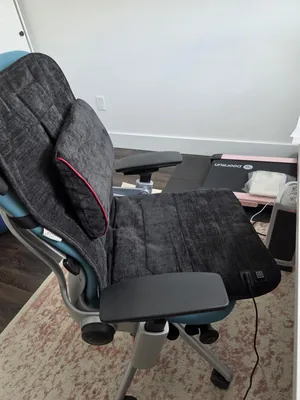
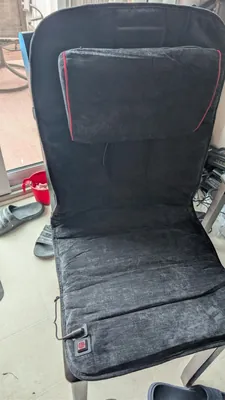
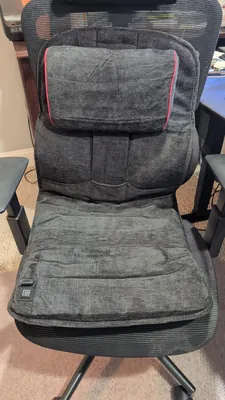
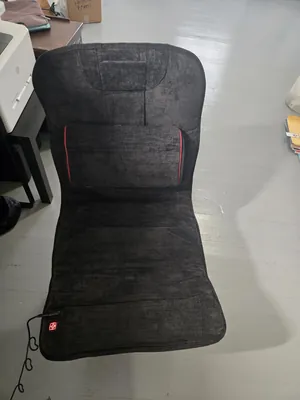
When warmth is all you are after, a heat-only cushion is the simplest version: no motors, no vibration, just a heating element and, on some, a lumbar pillow. The one below is a heated seat and back cushion with a slide-adjustable lumbar pillow and three heat levels, according to its listing.
The listing includes an automatic shut-off and overheat protection, and describes a non-slip bottom with adjustable straps. Buyers liked the soft chenille-style fabric and a lumbar pillow that is firmer than the rest. Two buyers found the seat portion got too hot too quickly, one wished the seat and back heated separately, and one put the cord at about four feet. It is a newer listing with fewer ratings than most of the others here, so check the current details.
How warm is too warm for a heated seat pad?
Warm should feel comfortable, not hot. Harvard Health notes that long, repeated exposure to low-level heat from sources like heating pads and heated car seats can discolor skin over time, a condition called toasted skin syndrome. Its advice is to lower the setting of a heating pad or limit how long you use it (Harvard Health). The NHS advice to wrap a heat pack in a towel points the same way: keep a layer between you and the heat source.
Buyer reports show why this matters. Across several of the heated pads in this guide, buyers said the seat portion got too hot, in one case painfully so, and one described scorch marks on the underside after a period of use and stopped using it. Others found the heat too mild. Output varies from pad to pad, which is the reason to learn how yours behaves before you rely on it.
- Start on the lowest heat setting and a short session, and raise it only if you still feel cold.
- Sit on a thin layer, such as a cotton cover or the cushion's own fabric, rather than on the bare heating surface.
- Look at the underside and the cord now and then. Stop using a pad that smells of burning, has scorched or deformed fabric, or has wires showing near the plug. One buyer reported exposed wires at the plug within three months.
- Do not fold, bunch, or pile blankets on a pad that is running.
- Read the manufacturer's instructions before using a heated pad while you might doze off.
- If you cannot reliably feel heat on your skin, ask your clinician before using one.
Several listings describe overheat protection and an automatic shut-off, which are worth looking for. They are the manufacturers' claims, not something buyers have verified, and they do not remove the need to pay attention. The pad below is listed with two heat levels in a 104 to 113°F range, overheat protection, and a 30-minute automatic shut-off.
Is vibration, rolling nodes, or heat alone the better fit?
These are different experiences, and mixing them up is a common source of disappointment. Buyers of vibration cushions who expected kneading wrote that the pad only vibrates, and the listings say so plainly: several state that the cushion uses vibration motors rather than rolling or kneading nodes. Buyers who wanted that gentle, buzzing feel were happy with it, and one specifically avoided pads with firm nodes because those had hurt before.
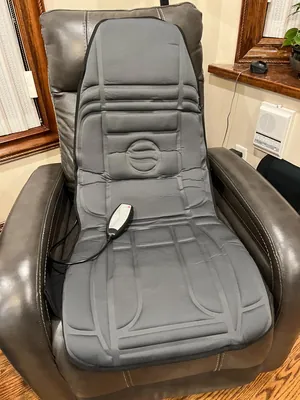
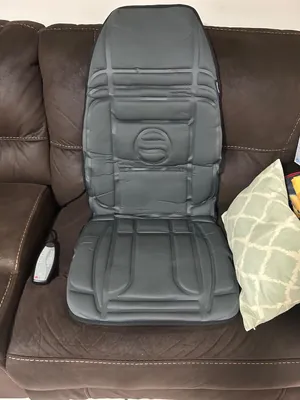
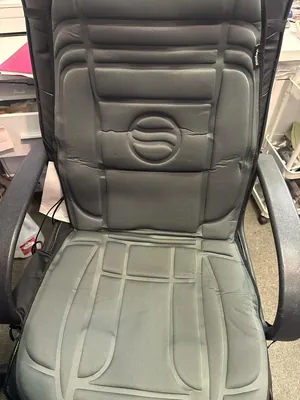
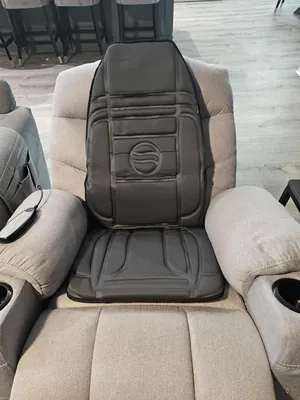
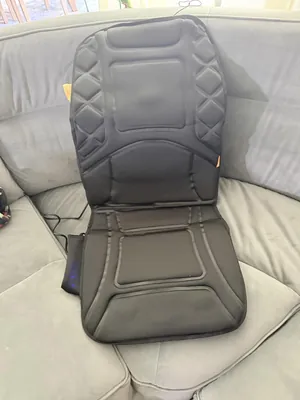
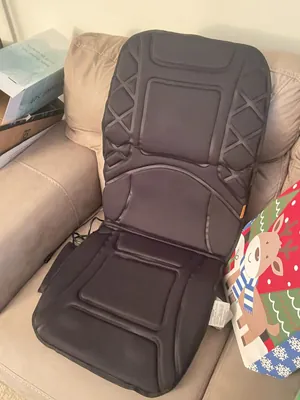
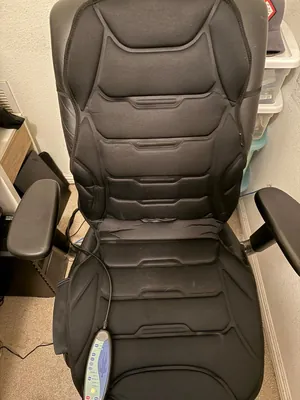
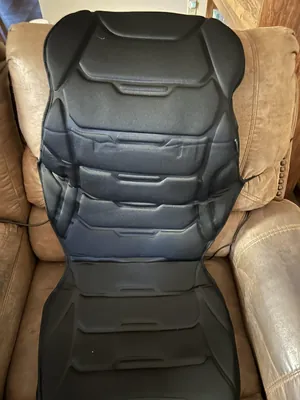
Rolling-node (shiatsu) pads are a different build: a motorized unit rolls and presses up and down the spine. Buyers who like firm pressure praised the control over height and spot placement, and several said they used the back cover to soften the intensity. Others said the nodes felt hard, or that the pad needs to come off the chair when not in use because the nodes stick out. It is also a much bigger, heavier piece of kit than a vibration cushion.
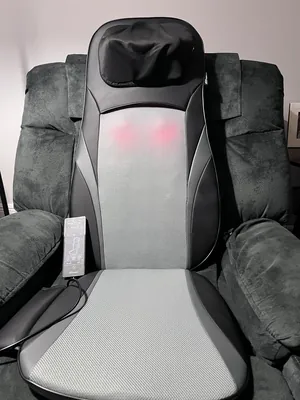
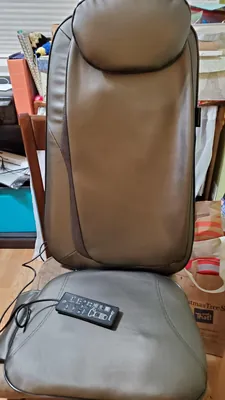
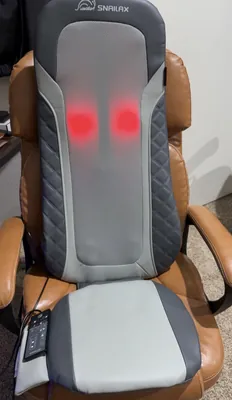
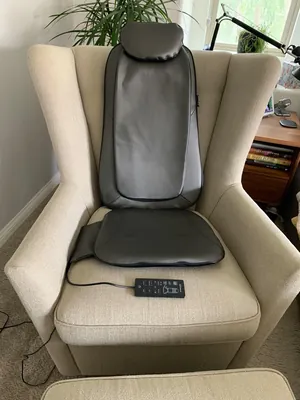
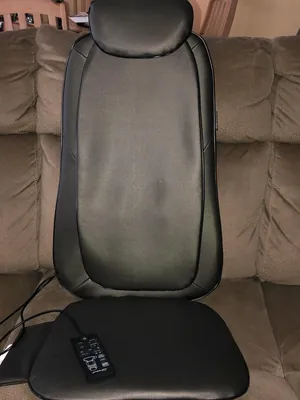
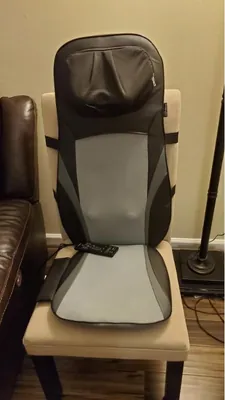
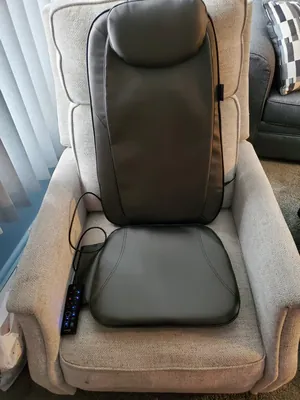
According to the listing, this pad has back, neck, and spot modes, two heat settings on the back and neck, and vibration in the seat only. It has a 10, 15, or 20-minute timer and measures about 44 by 17 by 6 inches. One buyer who liked it said the 15-minute cut-off was too short; another said the heat was mild. Whether it fits you depends on your height and your chair, which brings up the next question.
Will a seat pad fit my chair?
Fit is where many of the complaints sit. Pads designed for a standard-height chair can feel off if you are shorter or taller, if your chair back is low, or if your seat is wide or narrow.
- Height. Buyers around 5'4" and one at 5'0" found parts landing too high or too low: neck nodes at the back of the head, upper-back zones above the shoulders, or seat zones hitting the thigh instead of the hips. Compare the listed length with your own seat-to-shoulder measurement.
- Chair size. One listing says the pad is not compatible with low-back or narrow chairs. One buyer said a long pad overhung an upholstered dining chair, and another said the straps were too short for a wide recliner.
- Straps and grip. Elastic and hook-and-loop straps hold most pads in place. One buyer who uses a pad in a wheelchair said it stays in place on the non-slip bottom.
- Cord and controller. One buyer found the cord got caught under chair wheels, another wished it were longer, and a third said the controller sat on the wrong side of the outlet. Think about where the plug is before you commit.
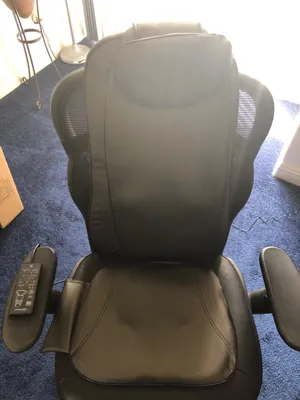
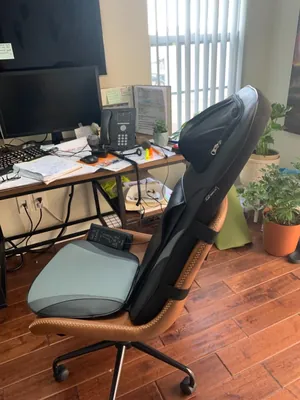
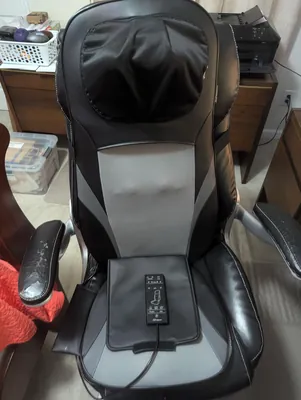
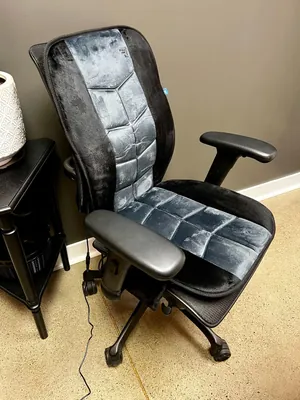
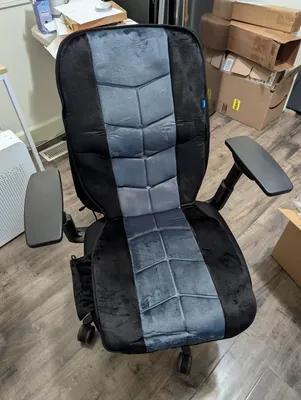
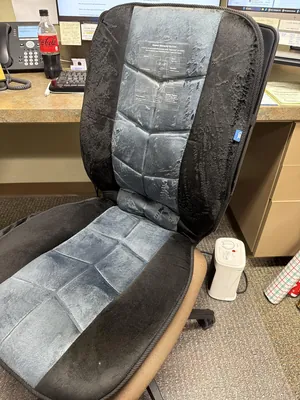
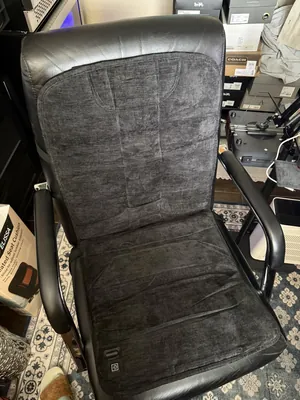
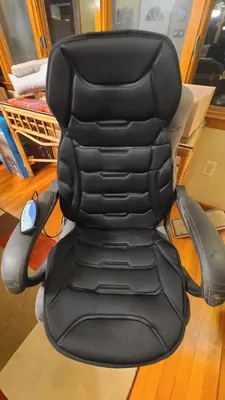
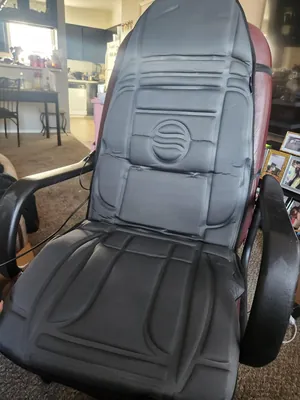
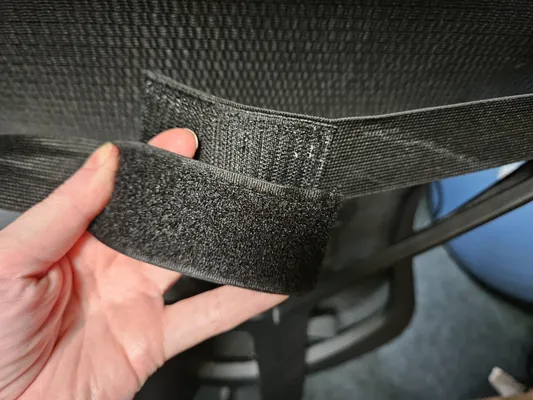
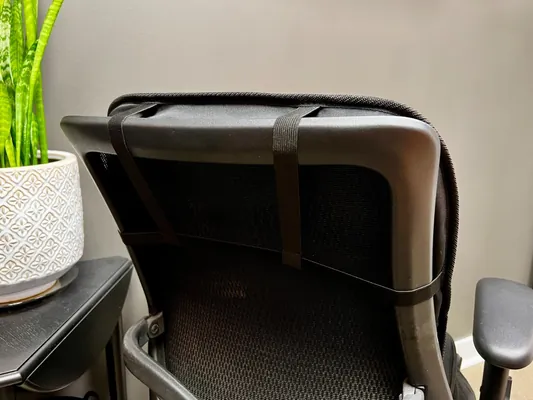
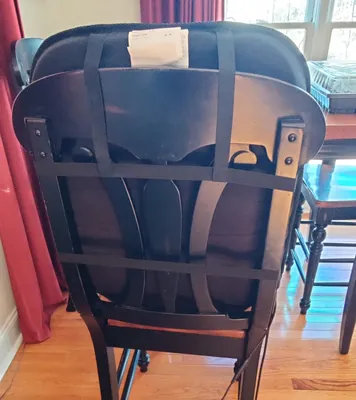
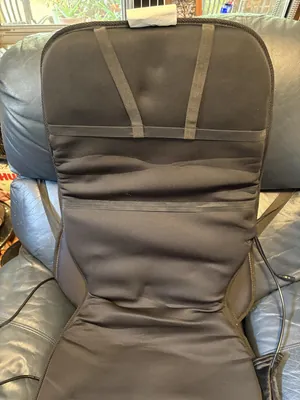
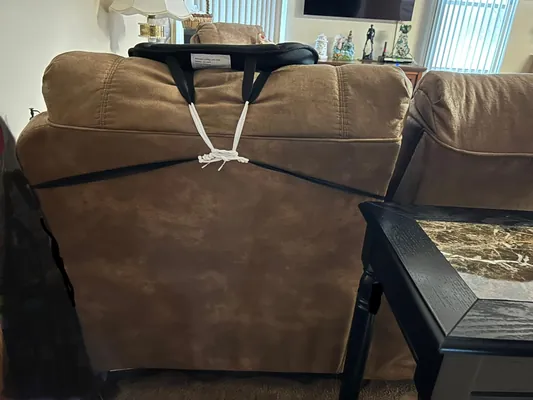
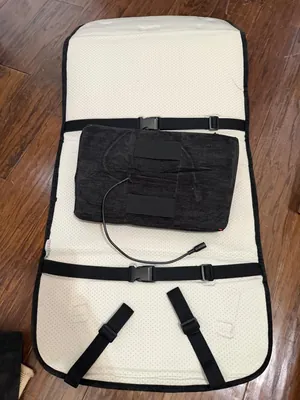
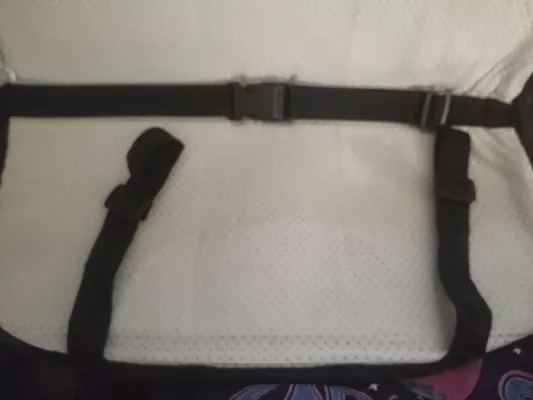
This pad is listed with ten vibration motors, three heating elements across two heat levels, overheat protection, and a 30, 60, or 90-minute timer. It folds flat for storage, which several buyers liked, and one said its soft fabric made a rough mesh chair feel better.
Can I use one in a recliner, on the sofa, in bed, or in the car?
Buyers use them well beyond the desk. A recliner was the most common second seat, and one buyer said the pad gave an older recliner the heat and vibration it could no longer provide. Several laid a pad flat on a bed or sofa and lay back on it.
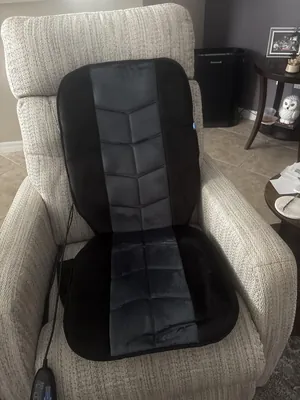
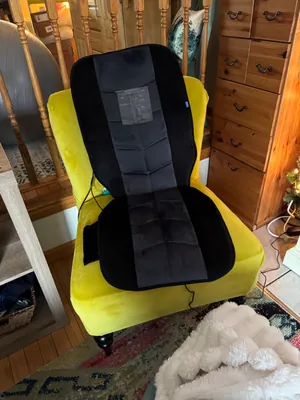
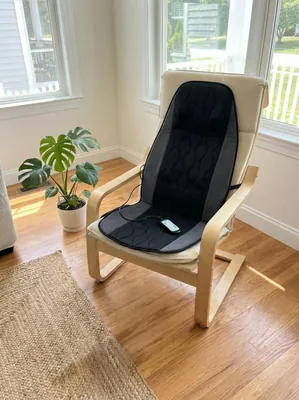
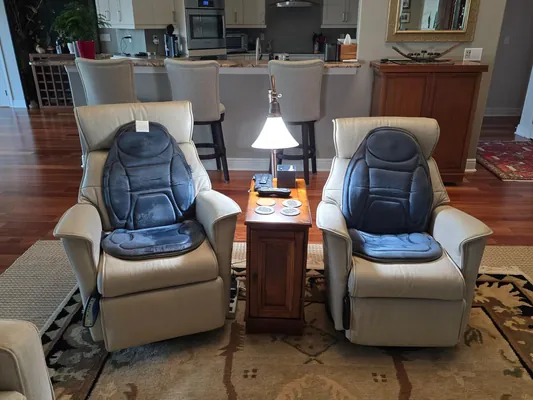
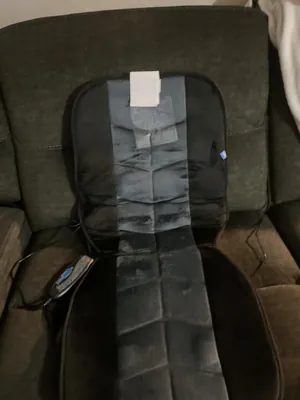
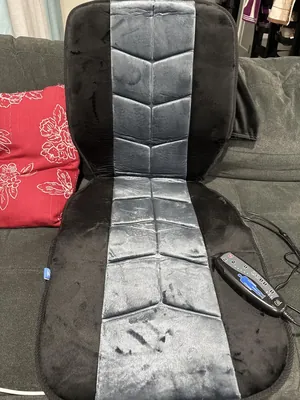
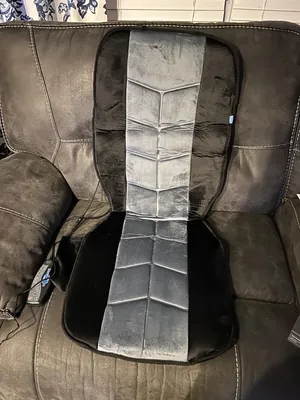
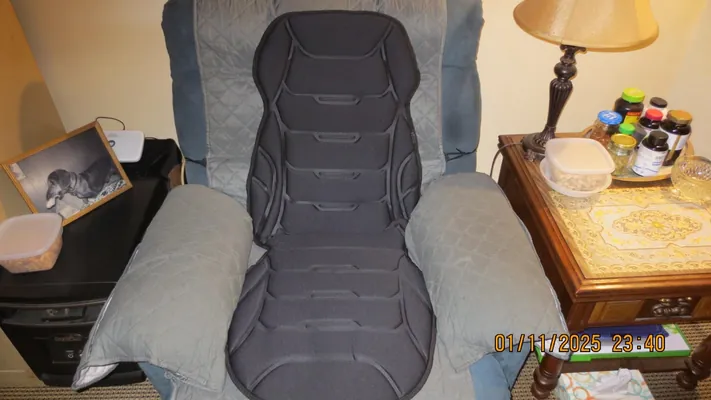
Lying flat has its own wrinkle. One buyer said vibration while lying down made them nauseous, while others used a pad flat without complaint. If you are prone to motion sickness, try a short session upright first.
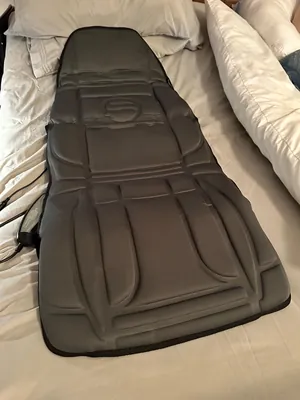
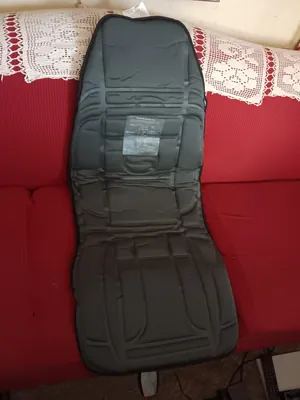
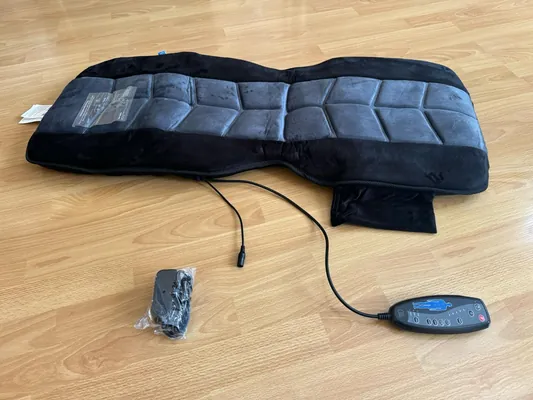
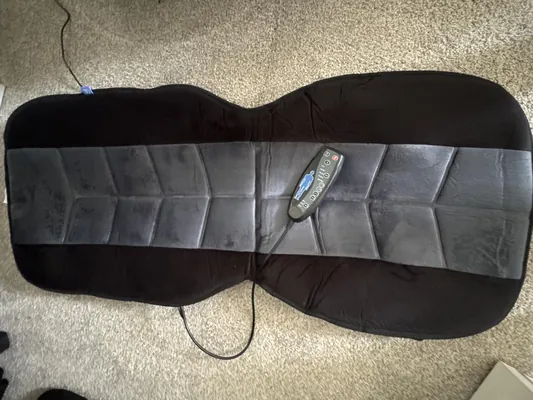
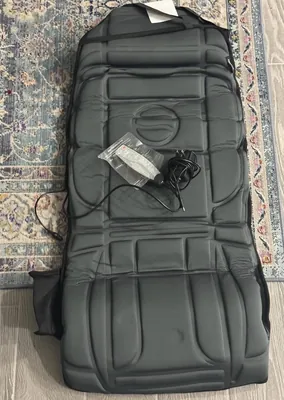
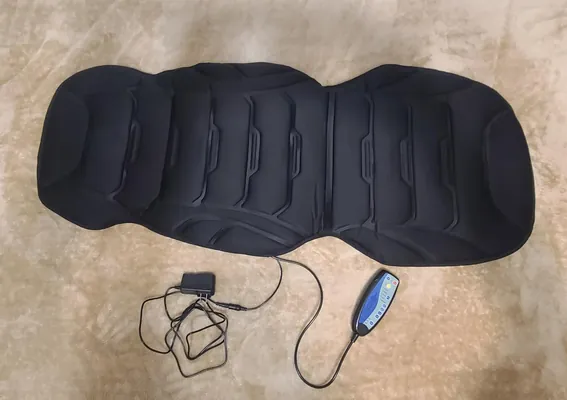
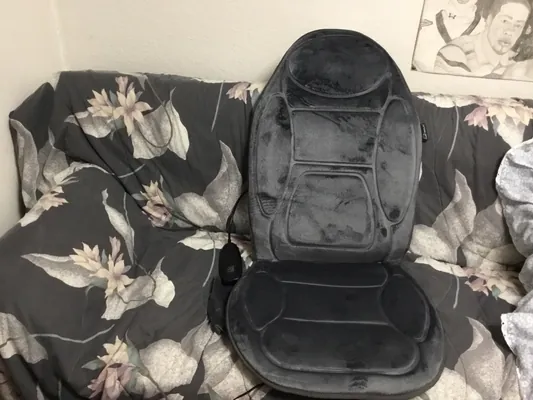
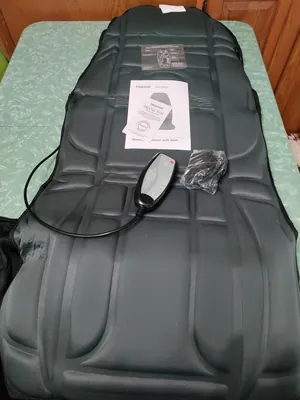
The car calls for the most care. Some listings include a home adapter only, and one buyer bought a separate 12-volt adapter. If you want to use a pad in a vehicle, check what the manufacturer says about it rather than improvising a power source. Buyers who drive a lot said a pad took the edge off long drives.
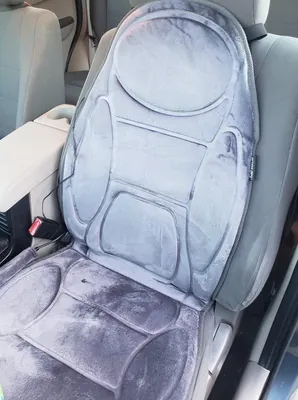
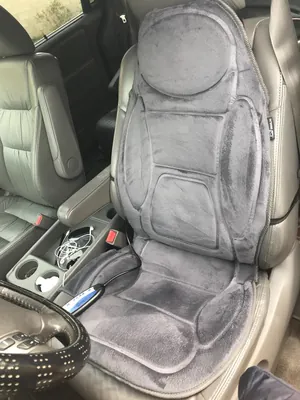
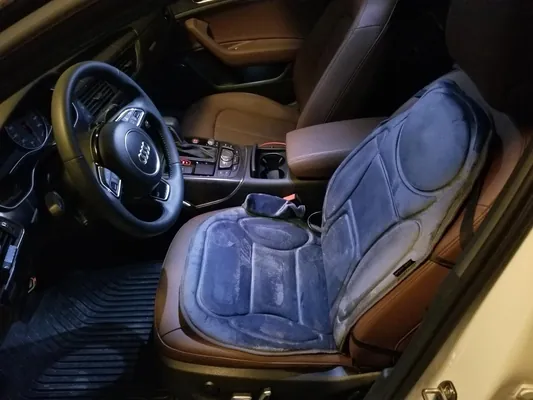
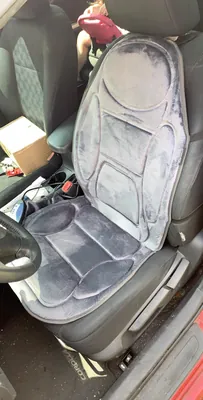
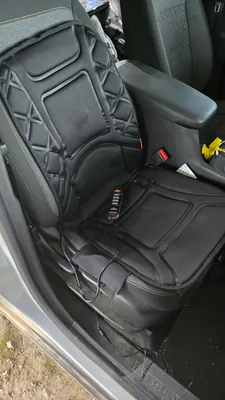
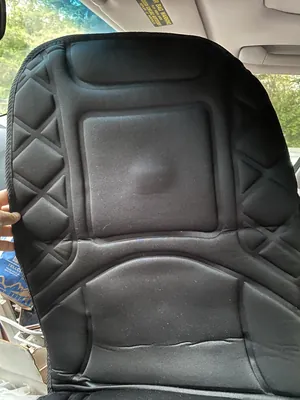
The listing describes eight motors, four intensity levels, five modes, two temperatures, and a 30, 60, or 90-minute timer. One buyer liked that heat and vibration can run together or on their own. A few wanted stronger vibration, and one said the heat only got a little warm.
This is the simplest and lowest-priced pad here, with five motors, two intensity levels, and a heat button. Buyers described using it in a car, at a nail salon, and in bed with the 30-minute auto shut-off. Two said the heat barely got warm, and one reported wires poking out of the plug after about three months.
Should I leave a seat pad running all day?
No, and the timers hint at why. The listings describe timers or auto shut-offs from 15 to 90 minutes, which suggests these are made for sessions rather than all-day running. One buyer found a 15-minute cut-off too short, which is a reasonable complaint, but it is also a sign of how the pad is meant to be used.
Harvard Health's advice to limit how long you use a heating pad (Harvard Health) is the right default: use it for a stretch when your back feels tight or the room feels cold, then switch it off, stand up, and move around. The goal is a break from stiffness, not a replacement for changing position.
When does a sore back need medical advice?
Most back pain from sitting eases with changes and time. The NHS lists signs that call for medical advice, including pain that has not improved after a few weeks of home treatment, pain that stops you doing day-to-day activities, pain that is worse at night or does not ease with rest, or pain that comes with unexplained weight loss or a lump or swelling in the back (NHS).
The same page says to get emergency help when back pain comes with pain, tingling, weakness, or numbness in both legs, loss of feeling around the genitals or anus, changes in bladder or bowel control, chest pain, or follows a serious accident. This is UK guidance, so use your local emergency number. If you have any of these symptoms, a seat pad is not the next step.