In this article
The best headlamp depends on the job. Wide strips suit close work such as engine bays and crawl spaces, focusing lamps suit mixed work outdoors, and a red light helps for quiet night tasks. Check weight, strap, battery, and charging habits before you buy, and inspect the contents of a multi-pack the day it arrives.
A flashlight is fine until you need to hold something else: a dog leash, a hood prop, a drill, a stall door. A headlamp points light where you are looking and leaves both hands free, which is why people reach for one on dark evening walks, in attics, under sinks, and in engine bays. The right one depends mostly on the job. Close work wants wide, even light. Walking wants reach. Long stretches on your head want low weight and a secure strap.
What do you actually need hands-free light for?
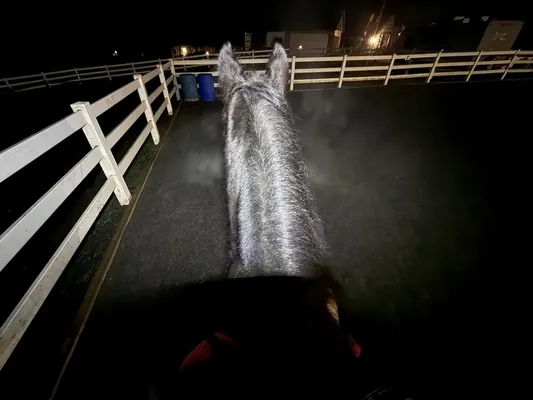
Start with the situation, not the specs. Buyers of the lamps in this guide describe a wide range of everyday jobs: walking a dog after dark, locking up chickens, mucking out a horse stall in winter, working under a car, replacing an electrical panel in a basement with no power, feeding animals when the clocks change, knitting fine lace, and keeping one by the bed for a power outage.
Those jobs fall into three groups, and each leans toward a different kind of light:
- Close, wide work (engine bays, cabinets, crawl spaces, craft tables): you want a broad wash of light with no hot spot, so you are not constantly re-aiming your head.
- Walking and moving (dog walks, trails, running): you want some reach ahead of you, plus a fit that does not bounce.
- Both in one evening (a camp, a farm, a workshop): an adjustable beam or a lamp with both a wide light and a spotlight covers more ground.
If you can name which group you are in, most of the choices below get easier.
How many lumens do you really need?
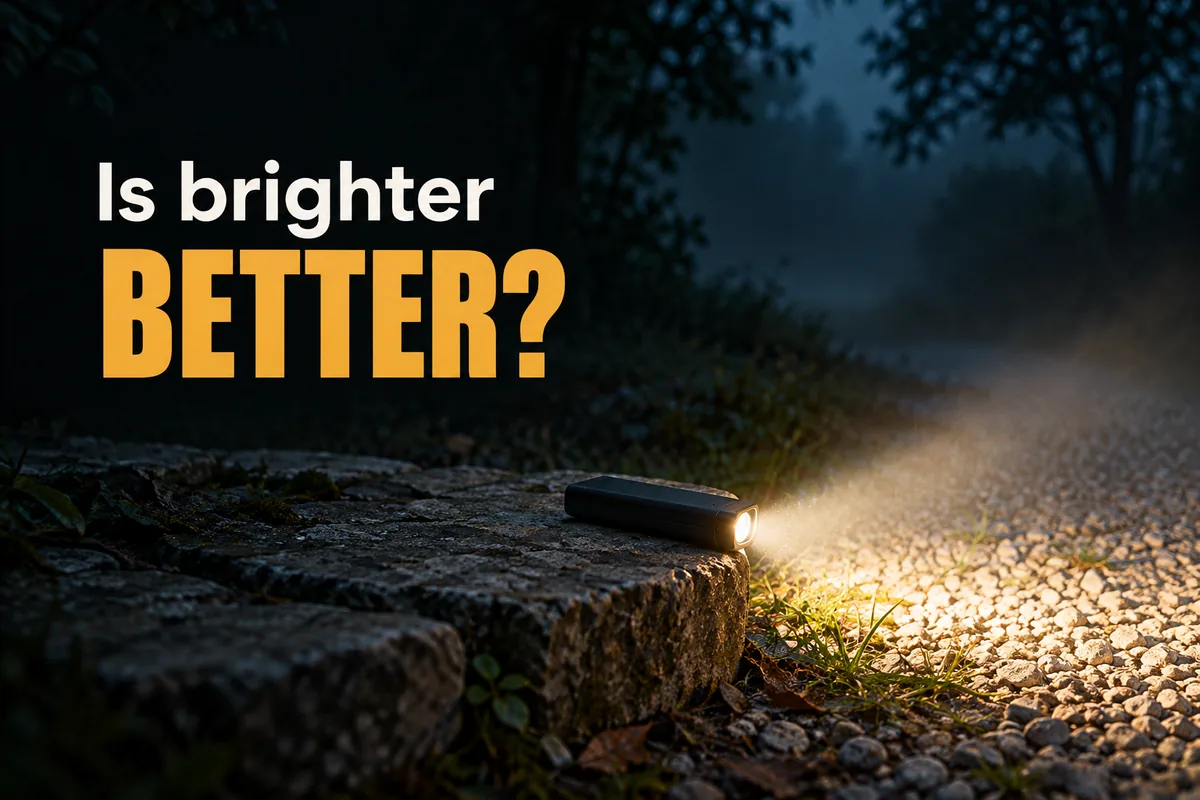
Fewer than the box suggests. One hiking-gear guide says about 200 lumens covers most camp tasks and hiking, and that mid-range to high-end headlamps typically sit around 350 to 500. It also notes that lumens are not a perfect measure of brightness, since beam shape and distance matter, and that the highest setting drains the battery fastest.
Buyers point the same way. One buyer who uses a lamp with a 1,500-lumen turbo setting for tattooing says they always use medium or high, and another reports that medium is "plenty" for a pre-dawn park workout. A few buyers of a lower-output strip lamp found it too dim for their eyes, while others called a similar one almost too bright for a coworker standing nearby. Brightness is relative to the job and to your eyes.
Does the turbo setting last?
Often not for long. One buyer says the top setting on a focusing lamp drops back to a lower level after a short time, and another timed it at around 40 seconds. Treat turbo as a short burst for checking something far away. Plan around the high or medium setting, and check the runtime listed for the level you will actually use.
Is a wide strip of light better than a spotlight?
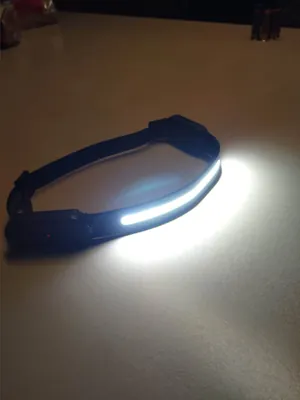
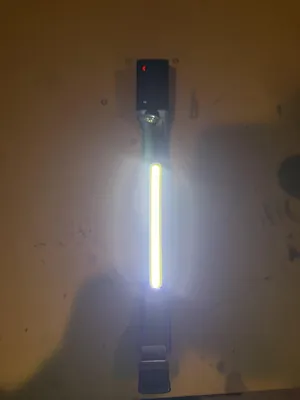
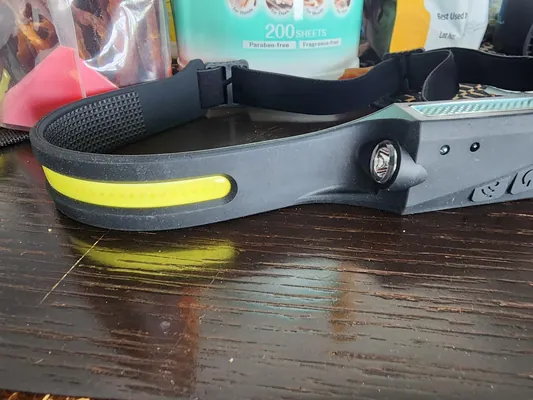
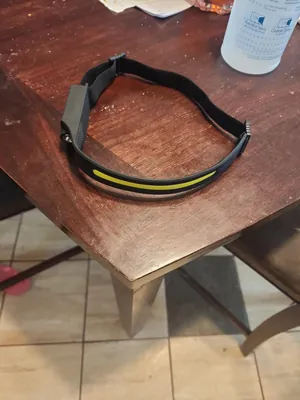
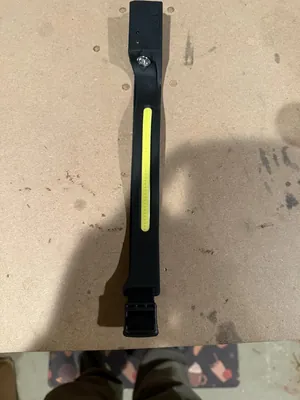
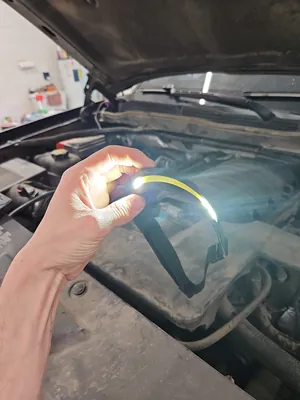
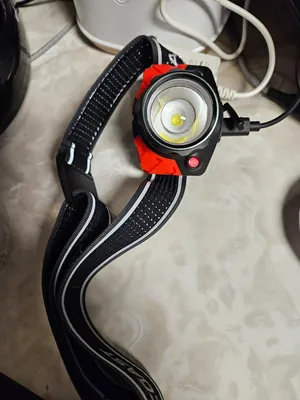
For close work, often yes. A strip headlamp has a long bar of light across the forehead that floods the whole area in front of you, so there is less shadow and less fiddling with where your head points. Buyers who work in engine bays, on cars, and in dim corners of a house say this is the feature they notice most. One mechanic wrote that the strip lights up an engine bay without the harsh glare of a single focused LED. Another says it "doesn't feel like you have a headlamp on" because the light seems to be everywhere.
A strip also tends to sit flat and stay put. One runner in an Alaskan winter said the band does not bounce the way a regular lamp does on 10-mile runs, and a construction worker likes that it rides low on a hard hat where it is less likely to get knocked.
There are limits. A strip spreads its light, so it does not reach far. One buyer called it "dark light" in a large room: lots of spread, little punch. Most strip lamps add a small side spotlight for distance, and a few details are worth knowing before you buy:
- The side spotlight is usually fixed. Buyers say it points slightly down when worn on the right side of the head. Wearing it on the left, or upside down, throws off the aim. Left-handed buyers noticed.
- Glasses can catch the glare. One buyer who wears glasses said the side light reflects off the back of the lens and bothers that eye.
- The light may shine upward when you look down. One buyer repairing an engine had to tilt the whole lamp to avoid glare in their eyes.

When is a focusing beam worth having?
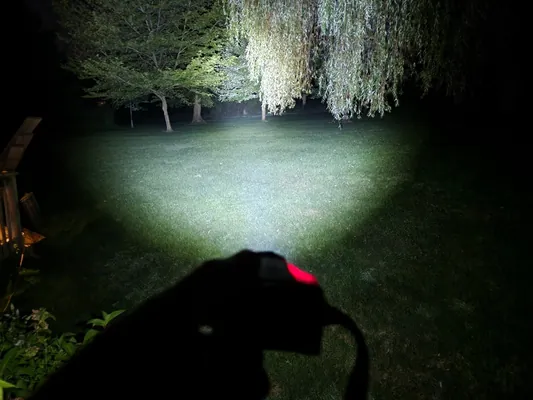
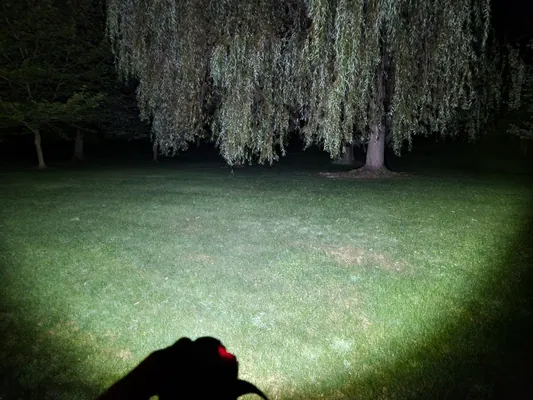
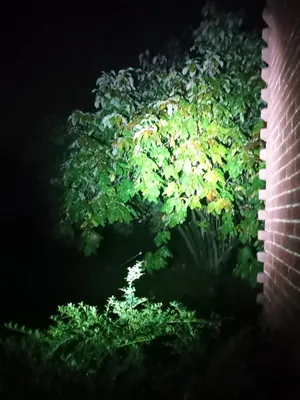
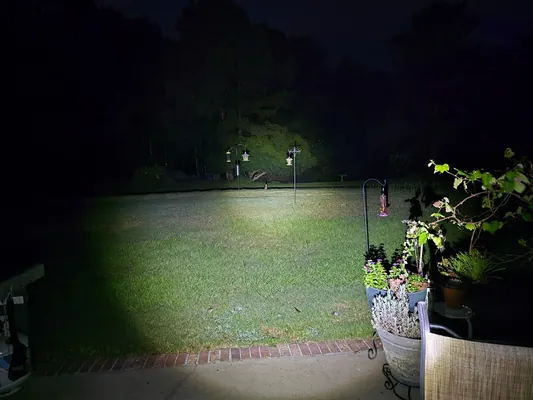
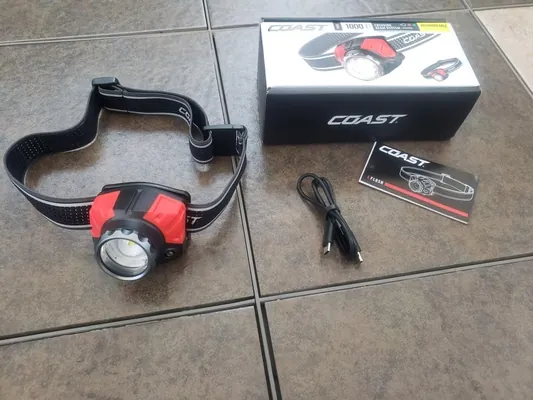
When the same lamp has to do a close job and a far one. A focusing headlamp has a lens you twist: one way gives a broad flood, the other a narrow spot that reaches farther. Buyers who own these like the speed of it. One said turning the lens beats pressing a button through a list of modes to find the one they want, and another uses theirs for waterfowl hunting, setting up in a marsh or a field.
The tradeoff is size and weight, which comes up below. The hiking guide mentioned above also points out that flood suits camp chores and a spot suits long-distance viewing, so a lamp that can do both from one lens is a convenient middle path.


Can a headlamp double as a work light?
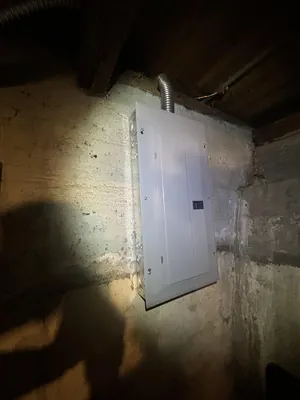
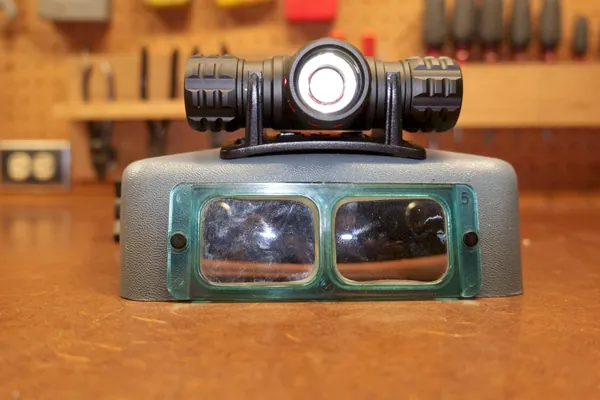
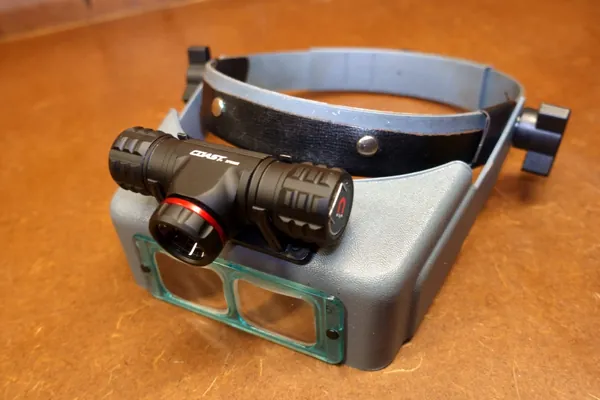
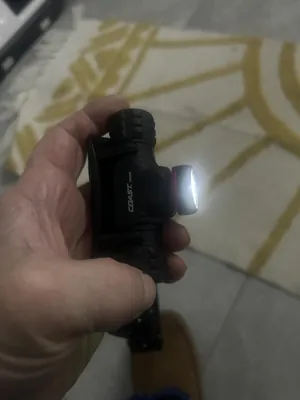
Some can. A few models detach from the strap, and one has a magnetic base that sticks to steel. Buyers who work on cars and in attics like that: one buyer likes the magnet for working on cars with steel parts, and another stuck theirs to something metal at a campsite. One buyer mounted theirs on a magnifying visor for close-up work, another uses a single charged battery for a full day on a construction site, and an HVAC installer said the battery lasts through several days of attic work. A detachable lamp is a good sign if you want a handheld light too.
Why would you want a red light on a headlamp?
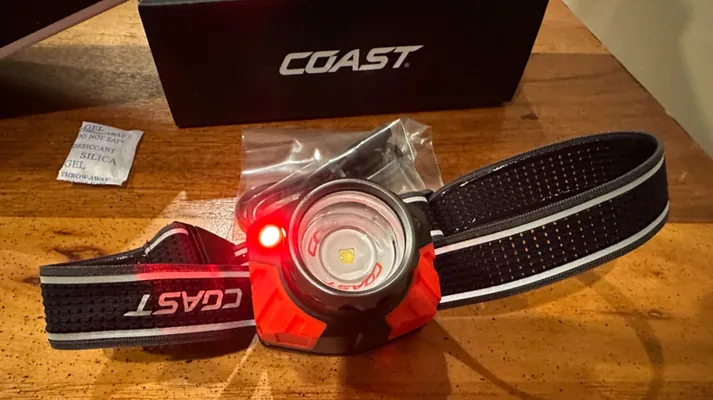
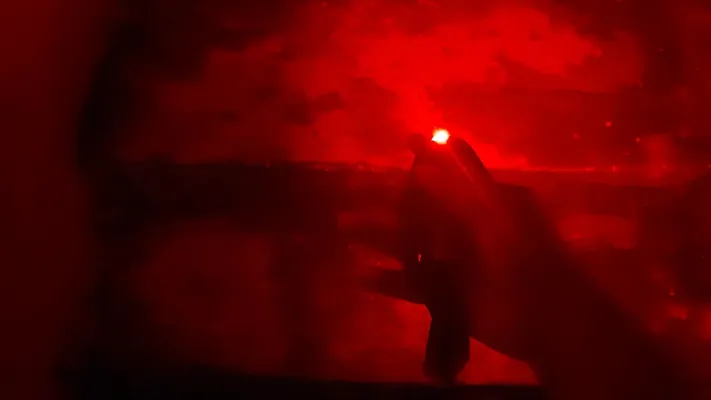
Because white light is harsh at close range and in the dark. The hiking guide explains that colored light, most often red, is less intense on the eyes and does not make your pupils readjust, so it suits reading, camp chores, and night trips outside. For ordinary house and yard chores you may never use it.
Buyers who do use it mention a few things. One said a lamp with separate buttons for white and for red and green light is easier to run, since you do not cycle through white modes to reach the red, and that this matters where you need to keep your light low. Another bought a strip lamp that turned out to have no red mode and wished it did, for nights around a campfire. If red matters to you, look for it in the listing, since many lamps leave it out.
Does a headlamp stay comfortable on your head, a hat, or a hard hat?
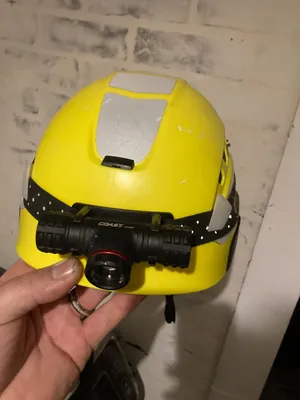
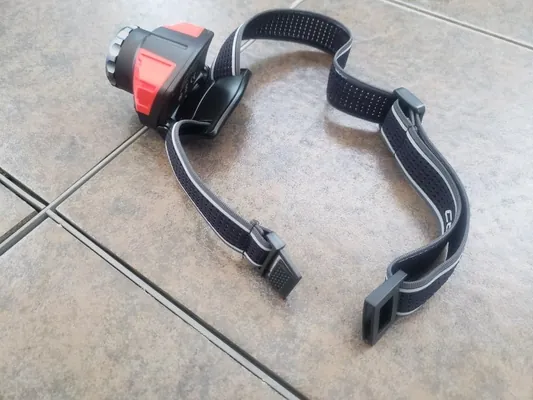
It depends on weight and how the lamp is held on. The hiking guide notes that heavier lamps tend to be brighter and last longer, while very light ones may use thinner plastic or run out quickly on high. It also says a rear battery balances the front, front-mounted batteries can bounce when you move, and a two-strap system gives a more secure fit for running and climbing.
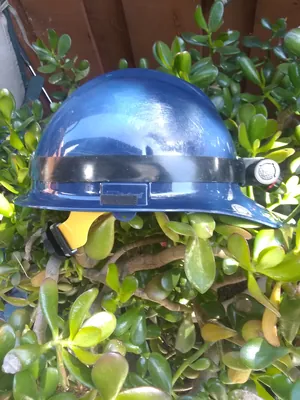
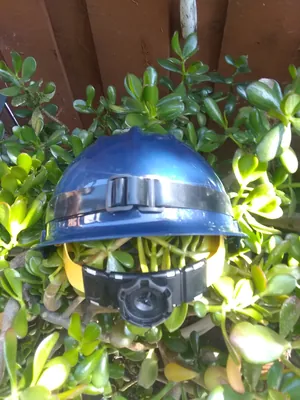
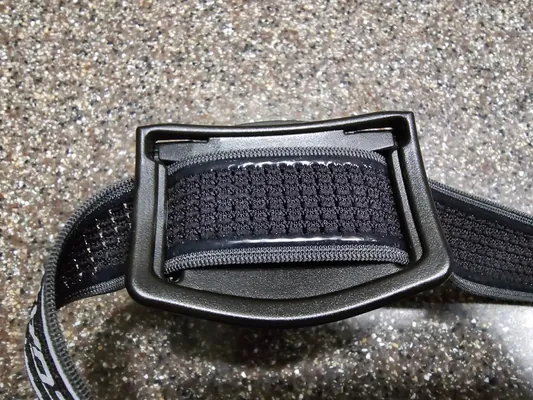
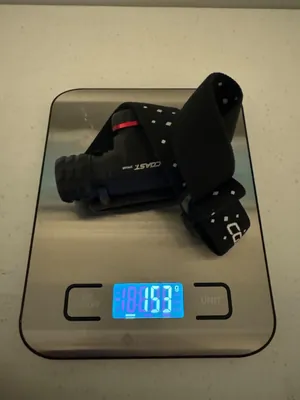
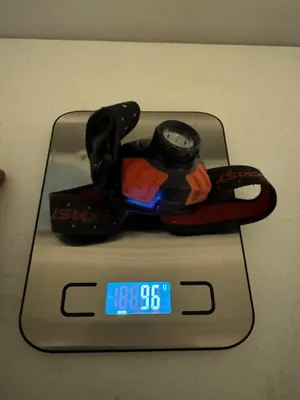
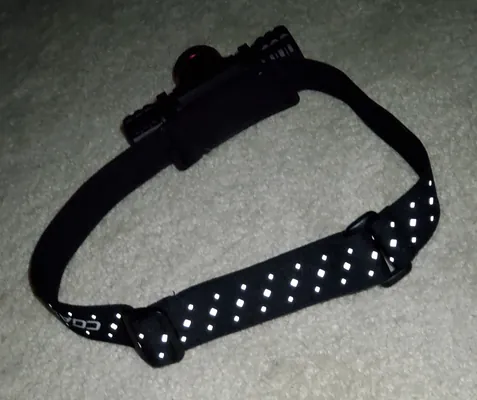
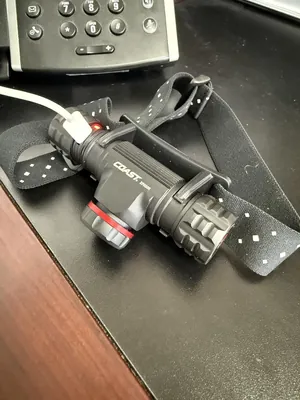
Buyers see the tradeoff in real numbers. One weighed a metal focusing lamp at 153 grams, compared with 96 grams for a lighter plastic one, and found the heavier lamp dug into their forehead. Another buyer likes the same metal lamp but adds a strap over the top of the head for workouts and wouldn't pick it for running. A different buyer weighed the metal lamp with its strap at about 5.6 ounces and calls it heavy but fine for trekking. For hard hats, buyers use clips or a silicone band, and one says the silicone band grips a hard hat well even without the clips. One electrician had a silicone strap snap within a week, so keep a backup band if you rely on it.
Is a built-in battery or a removable one better, and how do you charge it safely?
It is a matter of how you use the lamp. A built-in battery means one less thing to carry and a lamp you simply plug in. A removable one lets you swap in a charged spare mid-job. The hiking guide notes that a dead rechargeable pack with no way to recharge leaves you without light, and that hybrid models taking either a USB pack or AAA cells are handy on long trips. One buyer of a lamp with a built-in battery said they miss being able to swap it. Another buyer says a single charged battery in a removable-battery lamp runs a whole workday, and they carry spares.
Runtime listed on a package is a best case. The same guide says specs are not foolproof, since brightness, strobe use, and temperature all change them. Several buyers of strip lamps said the battery fades after a few months of daily use or after the first full charge. Keep a second lamp charged if you cannot afford to lose light.
What goes wrong with charging, and how do you avoid it?
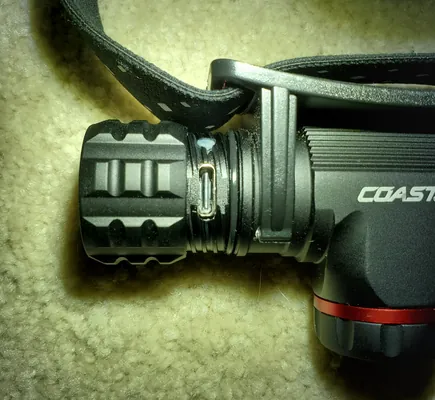
- Cables. Buyers of two different lamps report that a lamp would not charge with a standard USB-C to USB-C cable but worked with the included USB-A to USB-C one. Use the cable that came in the box.
- Charging habits. The Seattle Fire Department's guidance says to use only the supplied charger and cable, not to charge while you sleep or on soft surfaces like a bed or sofa, and to unplug once the battery is full.
- Storage. Keep rechargeable lamps out of direct sunlight and hot vehicles, per the same guidance. A car dash on a sunny day is a poor place to leave one.
- Warning signs. The same guidance says to stop using a battery that swells, overheats, smells, or leaks. One buyer reported a strip lamp that smoked and caught fire while hanging after about ten months of use, and another noted a swollen battery in a different lamp. Neither report says what caused it, but both are good reasons to inspect an older lamp before you charge it.
Is a hand-wave switch worth having?
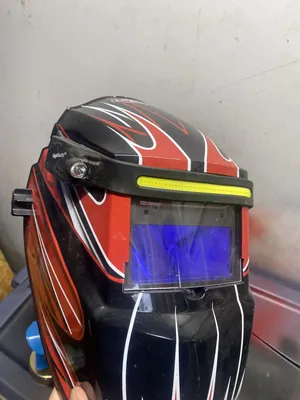
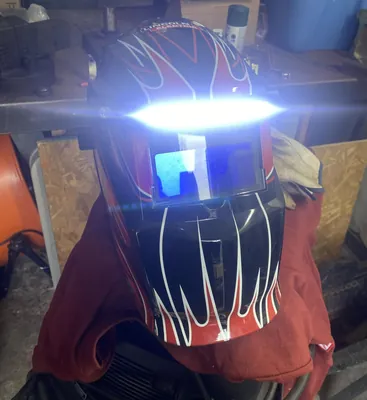
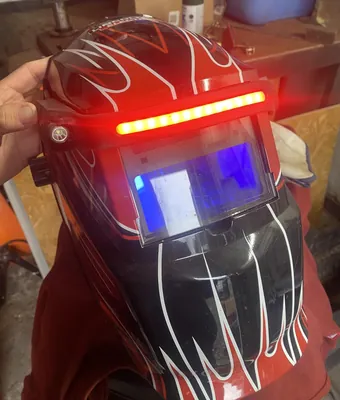
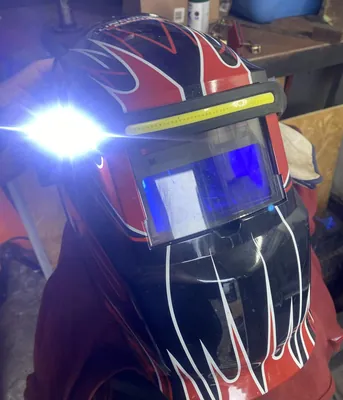
It is useful when your hands are dirty or gloved, and annoying when you work in tight spaces. Most strip lamps have a motion sensor that switches the light on or off when you wave a hand near it. Buyers who work with greasy or dirty hands like it, including a mechanic and a welder who clipped one to a welding helmet. Others found it switches the lamp off whenever the head gets close to a wall, cabinet, or ceiling truss. An electrician said ceiling trusses "disagree" with the sensor, and an automotive worker said it keeps cutting in and out in close quarters.
If you work in tight spaces, treat the sensor as an optional extra and make sure it can be turned off. If you work with dirty hands in open space, it earns its place.
How do you check a multi-pack and set up a headlamp so it works the first time?
A multi-pack is a tidy way to leave one in the car, the garage, the toolbox, and the kitchen drawer. Buyers like having a spare charged, and one keeps one in every car, the garage, and the workshop. One buyer who paid about $23 for a three-pack called it good value, since each lamp worked out to less than $8.
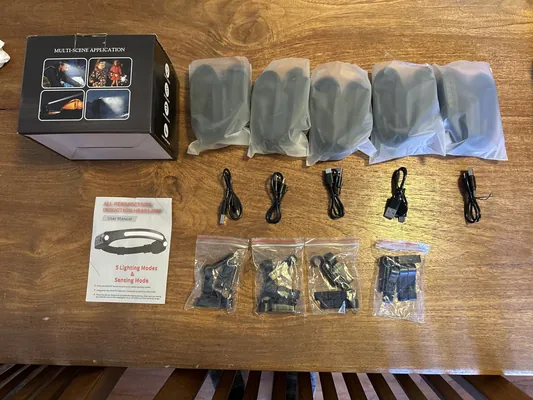
A few cautions from buyers of multi-packs: some packs arrived with missing accessories such as clips or cables, one buyer found only four lamps in a box of five, and a few units would not charge or had a sensor that did not work. None of that is a reason to avoid multi-packs, but it is a reason to open the box right away.
- Count the lamps, cables, and clips against the listing the day they arrive.
- Charge each lamp fully and run it for a few minutes, so a bad unit shows up while you can still return it.
- Test every mode, including the sensor, and set your most-used mode first.
- Adjust the strap and the tilt before you need it, not in the dark.
- Keep one near the bed or the front door in case the power goes out, and top it off every few months.
If you are not sure where to start, begin with the job. A strip lamp suits close work at home or on a hard hat. A focusing lamp suits mixed work outdoors. A lamp with red light suits quiet night tasks. Whichever you choose, check the weight, the strap, the battery, and the packaging contents before the first dark evening.