In this article
A hair clay should give you texture and hold that still looks like hair. The reliable way to get there is to match the hold and finish to your hair type, start with far less product than you think, warm it fully in your palms, and style it on slightly damp or dry hair depending on the look. The word “clay” on a label tells you less than you would expect: buyers describe products sold as clay that behave like a creamy paste, a pomade, or a dense putty. This guide covers how to tell what you are getting, how to match it to your hair, how to apply it without stiffness or shine, how to wash it out, and what to check when the jar arrives.
Put ten people with the same haircut in a room and you will hear ten opinions about the same product. That is not only taste. Hair type, length, how damp the hair is, and how much product goes in change the result more than the label does.
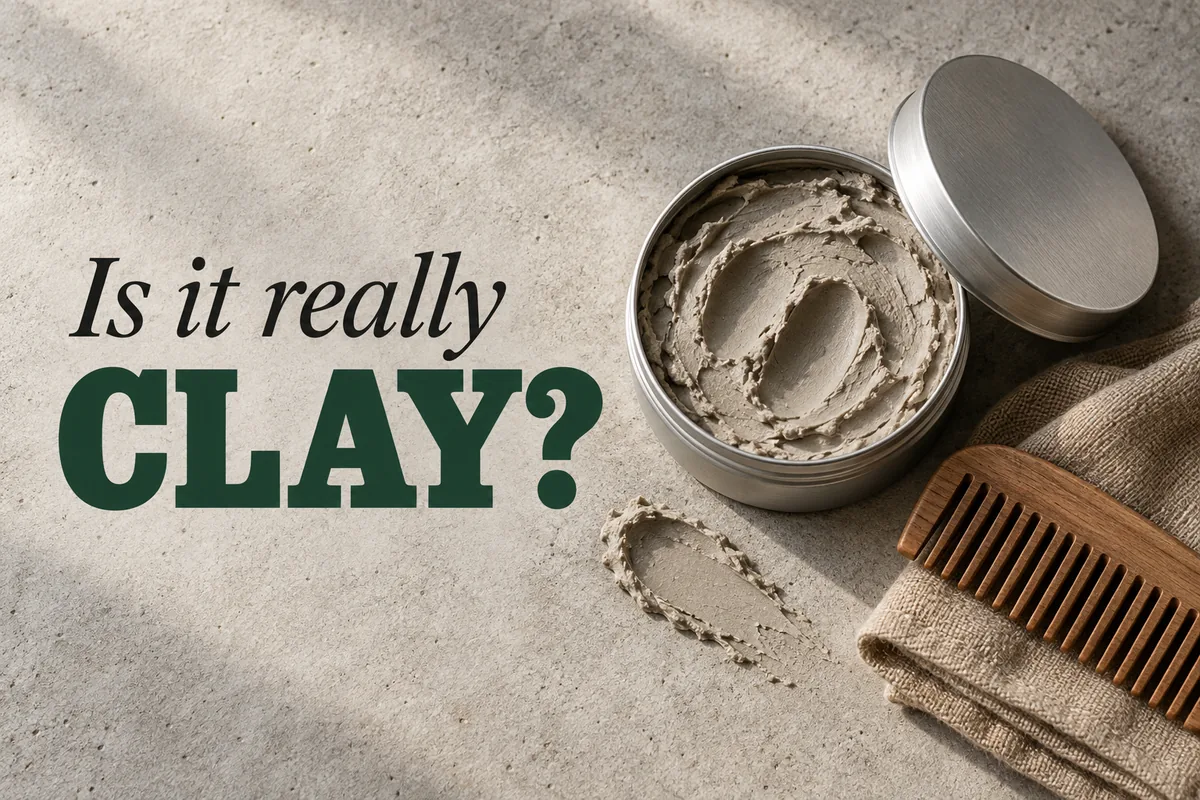
Is a “hair clay” actually clay?
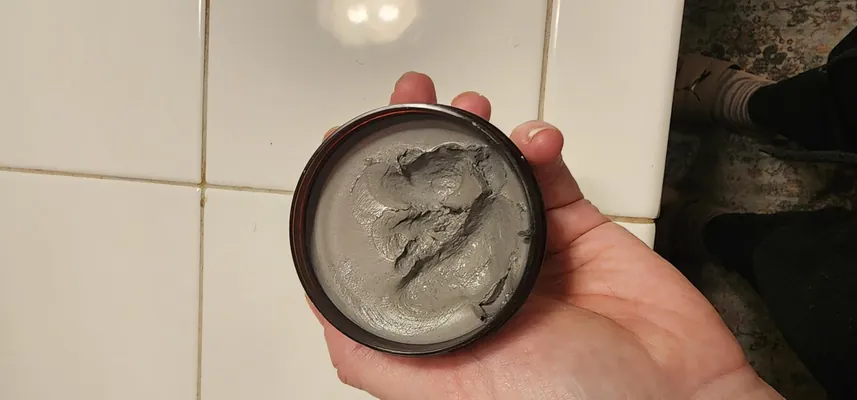
Only partly. Hair clays usually combine mineral clays such as kaolin or bentonite, which soak up oil for a matte look, with waxes or polymers that give hold, and the balance decides how they feel. The listings show it: one lists kaolin and bentonite alongside carnauba wax and a polymer, another lists bentonite and beeswax, and another calls itself a clay-and-wax hybrid.
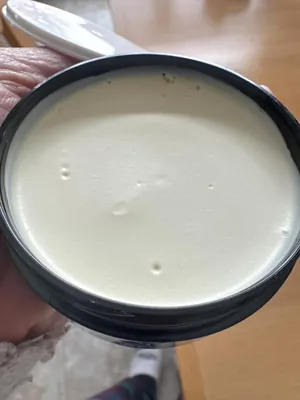
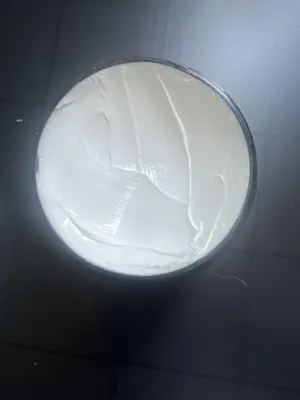
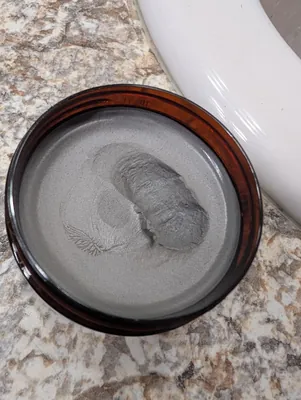
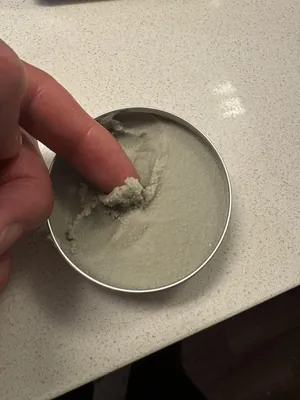
What comes out of the jar varies just as much. One buyer called a product sold as clay “more of a paste,” another said theirs was closer to a pomade, a third described a styling clay as a thicker colored gel, and another found a different jar rock solid. Judge by the description you read about the texture and by buyer comments, not by the word on the lid.
Which finish do you want: matte, low shine, or a little sheen?
Matte means almost no shine, and low shine sits just above it. Some buyers who wanted a true matte were disappointed that a “matte” product still looked greasy on them, while one buyer with gray hair said they wished their clay came in a medium-sheen version because a little shine helps blend the gray. Decide first what you want your hair to look like in photos and in daylight.
How do you match the hold to your hair?
Think of hold as a dial. A stronger hold keeps thick or straight hair where you put it, but it can feel stiff or heavy on fine hair. A lighter hold is easier to restyle, but may not last through wind or humidity. Straight hair often needs extra help, and several buyers layered a sea salt spray before the clay and a texture powder after it.
What if your hair is fine or thinning?
Use less, and choose a lighter hold. A buyer with very fine, plentiful hair said clay usually works better on thicker hair but that this one gave a workable style, and another with thin hair said it pulled the hairs together for a fuller look. Another said it lifts the hair and holds it without feeling sticky or stiff.
The listing describes bentonite and beeswax and says it suits fine or thinning hair. Several buyers liked the light feel, one noted it has little or no scent, and one said it had a lotion-like consistency instead of a gritty clay look. Some received a cracked lid or a jar that looked used, so check yours when it arrives.
What if your hair is thick, wavy, or curly?
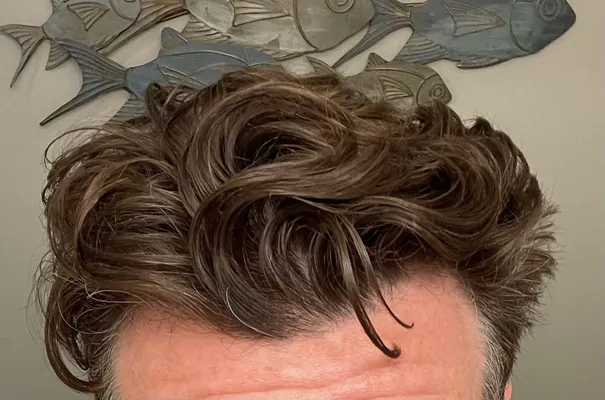
Thick hair can take a stronger hold, and wavy and curly hair usually does best with something that is flexible instead of stiff. Buyers with thick, wavy, or textured hair described getting definition without the frozen look, and one buyer said it took two tries to learn how much to use.
The listing says kaolin, bentonite, and waxes and describes it as touchable instead of frozen. Buyers called it soft, matte, and good for a messy, textured look, and several said it feels closer to a paste or pomade than a dry clay. A couple said the hold was lighter than the label suggests, and two buyers who reordered said the product changed and the newer jar was sticky and greasy, so compare it with your first impression.
Buyers with curly hair, and a few who wear sleek ponytails or buns, said it controlled flyaways without a crunchy or wet look, and one with a sensitive scalp had no irritation. The scent is polarizing: one buyer called it unscented, another a strong, natural pine. One found it hard to wash out, one got sweat in their eyes that stung, and one could not open a jammed tin.
What if you need a strong hold?
For slick-backs and styles that must survive a long day, a strong hold is worth it, but start with a pea-sized amount or less and add if you need to. One clay-and-wax hybrid's listing promises endless reshaping, and buyers agreed it can be reworked through the day.
Many buyers said it is the strongest, most matte clay they have tried and that it lasts longer than its small jar suggests, while others found it rock hard or sticky, and the price for 2 ounces drew complaints. Scent split buyers: some said there is none, one called it revolting. Several received jars that looked used, a few said theirs was expired, and one suspected a counterfeit, so check the date and the seal.
How do you apply hair clay so it looks natural?
Most “too stiff” or “too greasy” complaints are application problems. This routine reflects what buyers and the listings describe.
- Start small. One listing says a pea-sized amount. One buyer who scraped five scoops off the top said one to three would have been plenty.
- Warm it completely. Rub it between your palms until it looks smooth and nearly clear before it touches your hair. Dense clays take longer.
- Pick damp or dry hair. Several buyers prefer slightly damp or towel-dried hair for easier spreading and more texture, while others use dry hair for a drier look. A buyer with short, fine hair said dry hair dragged, so they use it damp.
- Layer only if you need to. For straight hair, buyers described a sea salt spray first, clay on damp hair, then a little texture powder.
- Restyle through the day. Reworkable formulas let you run your hands through to refresh the shape, which is easier than adding more product.


Why does it look greasy or shiny?
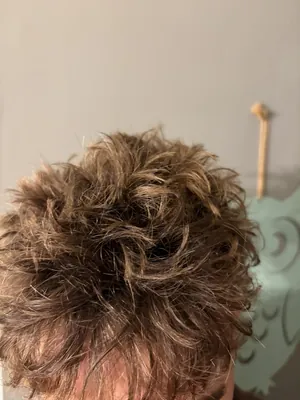
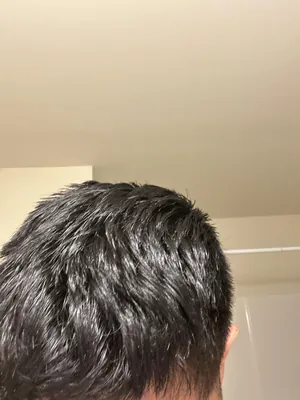
The usual causes are too much product, a formula heavy on oils or waxes, and a clay that is really a pomade. Buyers described a few products as leaving hair looking greasy or high in shine despite a matte claim, and one said their clay added just a little grease but worked well. Try half the amount and warm it longer. If it still looks greasy, the formula is likely the cause, not your technique.
Why does it leave a white or gray cast?
Clay minerals can show on dark hair when too much is used or it is not worked in. One buyer noted that their brand's texture powder made hair look white while the clay did not, and a buyer with light, thinning hair liked one that did not leave a gray cast. Use less on dark hair, work it until it disappears, and check in daylight.
How do you wash hair clay out?
The American Academy of Dermatology suggests washing based on how often your hair gets oily or dirty, from daily for straight hair with an oily scalp to less often for dry, thick, or curly hair, and shampooing the scalp itself instead of the whole length of your hair, which removes built-up products, dead skin, and excess oil. That fits clay well: lather the scalp, then rinse down the lengths.
Buyer experience varies a lot. Some said their clay rinsed out easily and washed off their hands with warm water, while others needed shampoo, found a clay hard to remove from hair and hands, or said it builds up when it is not fully washed out. One buyer said that, unlike other brands, theirs did not take two or three shampoos to remove. If you use a product that clings, plan on a thorough scalp wash on styling days.
What if your scalp is sensitive or you dislike strong scents?
Fragrance is one of the more common causes of allergic contact dermatitis, according to the American Academy of Dermatology, which advises seeing a board-certified dermatologist for a rash that keeps coming back. Before you switch products, the Academy's patch-test guidance is to use a quarter-sized spot on the underside of your arm or the bend of your elbow, apply the product twice a day for 7 to 10 days, and stop and wash it off if the skin turns red, itchy, or swollen.
Scent is personal and sometimes inconsistent. Buyers of the same products described anything from none to earthy pine, sandalwood, vanilla, or something that smelled like burning in one jar, and one reported a severe allergic reaction to a product whose listing did not show the ingredients. If scent bothers you, pick one that lists no fragrance, and make sure you can see the full ingredient list before you buy.
Buyers with wavy hair and a sensitive scalp said it was gentle, and one said it washes out more easily than other brands. Several others said the formula changed and the newer jar had less hold or felt greasy, a few found it more like a gel or cream than a clay, and many reported jars that arrived open, used, or with a missing seal.
The rugged scent, which the listing describes with juniper, cedar, and tobacco notes, struck one buyer as candle-like in the jar but pleasant in the hair, while another found the original scent overwhelming. Buyers also said the jar is small for the price, a few said they got a 2-ounce jar when they expected 4, some received a different scent than they ordered, and a few reported mold or damage, so check the jar when it arrives.
Does a pricier jar work better?
Not reliably. The listings in this group range from under $10 to around $30 for a 2-ounce jar, which works out to a spread of several times per ounce. Buyers say a little goes a long way, and one said the pricier clay lasted so long it ended up saving money, but others thought a small jar at a high price was hard to justify. Compare cost per use, not per jar, and consider how many styling days you will get.
Buyers called it a strong hold and a good value, some said it smells nice, one said it can be mixed with a little warm water for a lighter hold, and a few described it as a sticky, gluey paste that turns shiny on wet hair. One buyer weighed theirs and found the jar's contents less than the packaging suggests, and one said it arrived looking used.
What should you check when the jar arrives?
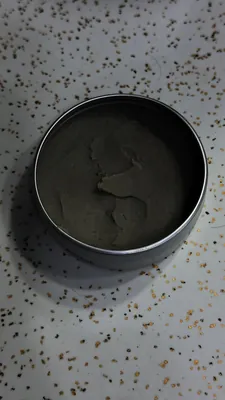
Condition complaints were common in this group. Buyers reported jars that arrived dried out and hard, with a gritty or sandy texture, finger marks or product missing, an expired date, mold in a couple of cases, and formulas that differed from earlier purchases. A few said the jar they received did not match the size or scent they ordered.
Buyers whose jar arrived soft loved it: parents of teenagers said it gives a natural texture, and buyers with wavy or thicker hair said it holds without feeling stiff. But about as many reported jars that arrived hard as a rock, or grainy and oily, some two orders in a row, and a few said the formula changed or the scent varied from jar to jar.
A quick check on day one helps: make sure the seal is intact and the surface is smooth, not cracked or sandy, look for mold or an unusual smell, find the date printed on the jar, and confirm the size and scent. Take a photo before you use any. If the clay is too hard to scoop with a fingertip, or anything looks off, return it instead of struggling with it.