In this article
The most reliable way to find a foundation shade that matches is to test two or three close options along your jawline in daylight, then wait before you decide. Most shade mistakes, like the orange glow at noon or the flat, too-light look in photos, do not show up in the first minute. This guide explains why matching is harder than it looks, how to test a shade so it still looks right hours later, where the new “goes on white, turns into your shade” formulas help and where they do not, and what to do when the shade you bought is a little off.
If you have ever stood in front of a wall of shades, or ordered one online and watched it turn orange by lunch, you are not doing it wrong. Matching skin is a three-part problem, and the usual advice only covers one part of it.
Why is it so hard to find the right foundation shade?
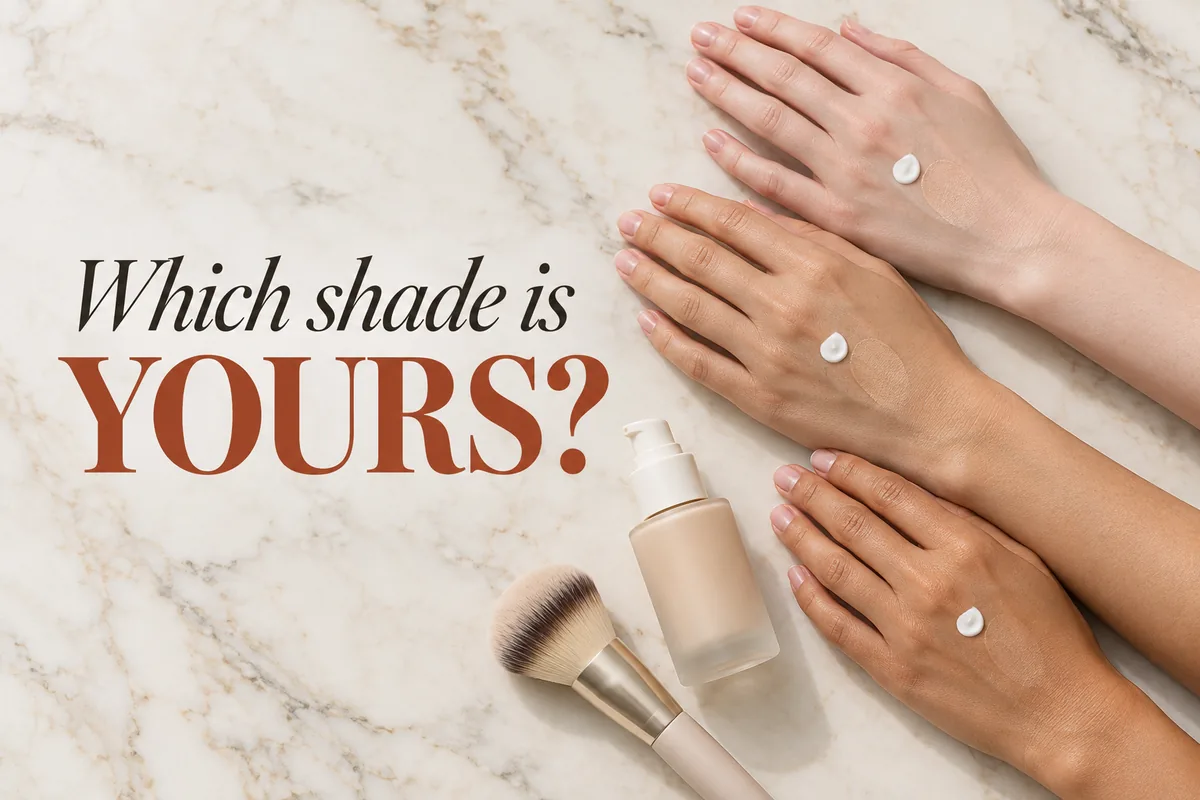
A foundation shade is really three guesses at once. Depth is how light or dark your skin is. Undertone is the cool pink, warm golden, or neutral tint underneath. The third is how the formula behaves once it meets your skin, including its oils, redness, and dry patches. A bottle labeled “medium” settles only the first, and most ranges offer a limited number of steps, so landing between two shades is common.
Skin also changes. It tans in summer and fades in winter, flushes with heat or rosacea, and often gets drier and more textured with age, which changes how much of the foundation you notice and how it sits. One buyer who tans every year described buying a summer foundation and a winter foundation and blending the two in spring and fall to cover the middle.
Then there is the shopping problem. Buying online removes the counter test, and a swatch on a screen is not a reliable guide to color.
What is an undertone, and does it matter?
Undertone is the subtle cool (pink or blue), warm (yellow or golden), or neutral tint beneath your surface color. It matters because a mismatch shows even when the depth is right: a beauty retailer's shade-matching guide notes that a cool foundation on warm skin can look ashy, while a warm foundation on cool skin can look yellow, red, or oxidized. Buyers describe the second case again and again. Several fair buyers with pink or cool undertones, across different color-changing formulas, said the shade turned orange or yellow on them, while buyers with olive or golden undertones more often described a natural match.
A few quick checks can give you a hint. Blue or purple veins suggest cool, green veins suggest warm, and a mix suggests neutral, though this is easier to read on paler skin. Holding a plain white top up to your bare face in daylight can also make your skin's tint easier to see. Treat both as clues, not answers, and let the jawline test below make the final call.
Why does foundation turn orange?
There are three common causes. Some formulas darken or turn warmer as they dry and mix with skin oils, which is why a shade can look right in the first minute and wrong by lunch. A shade that is too warm for your undertone looks orange from the start. And more product than the formula expects can deepen the color: one buyer who saw little change at first added more hoping for a stronger effect and said their skin turned slightly orange. All three have the same first fix, which is judging a shade only after it has had time to settle.
How do you test a shade so it still looks right at noon?
A few habits catch most mismatches before you commit to a bottle, or before you decide to keep one. These steps follow common guidance from makeup guides such as this one rather than clinical research, so treat them as practical technique.
- Start bare. Test on clean skin without a tinted moisturizer or other base, so you are judging the foundation and not what is under it.
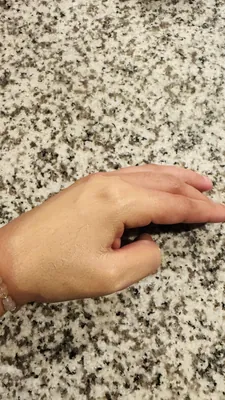
- Use the jawline, not your hand. Hands and wrists are often a different color from the face. Put two or three close shades in short stripes from the cheek along the jaw and onto the neck.
- Check daylight. Step to a window or outside. Store lighting and phone cameras can shift how a shade looks.
- Wait. Give it at least ten minutes, and if you can, wear it for a few hours and look again in a different room. A formula that oxidizes will show it by then.
- Choose the stripe that disappears. The right shade is the one you can no longer see where it ends.
Should you match your face or your neck?
Aim for the shade that blends the two, which is why the jawline is the test spot. If your face and neck differ noticeably, choose the stripe that disappears at the jaw and blend a little down the neck instead of chasing an exact face match. Body color can mislead as well: one buyer who is tan on the arms and legs but keeps their face out of the sun ordered a medium shade expecting a match and said it did not change on their pale, red-toned face.
What about seasonal changes?
If your skin shifts a full shade or more between winter and summer, plan for it. Some people keep two shades and blend them in between. Whatever you do, write the shade name or number and the month in your phone, so next time you are not starting from scratch.
What is a color-changing foundation, and does it really match your skin?
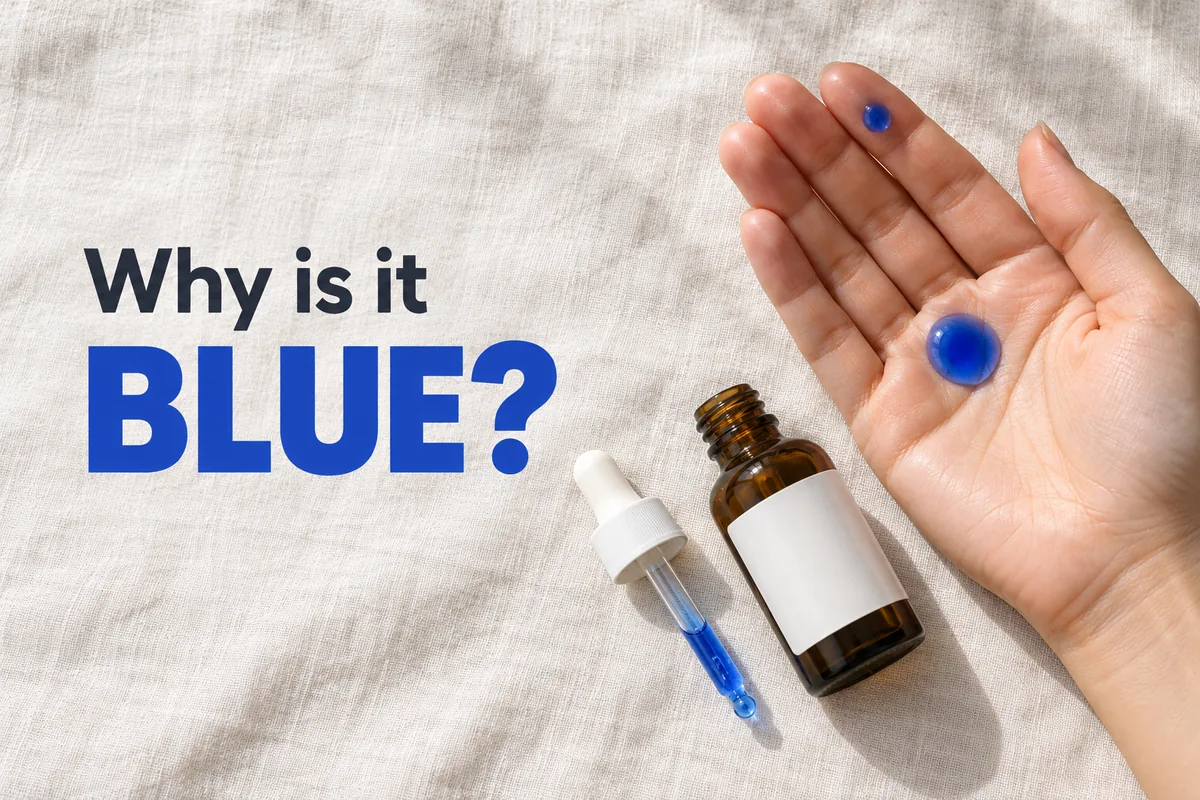
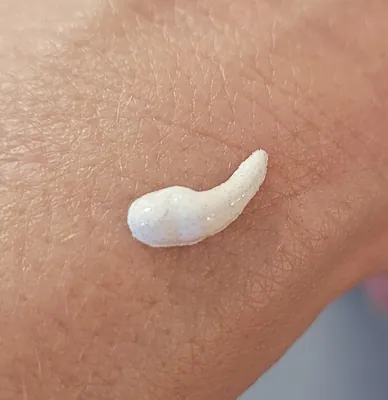
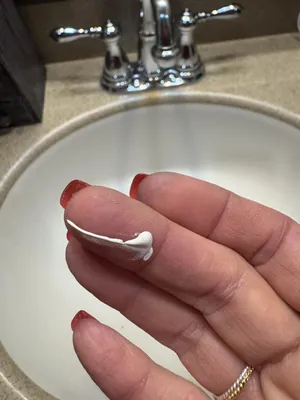
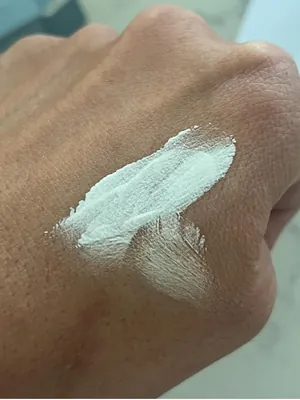
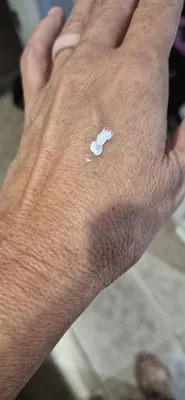
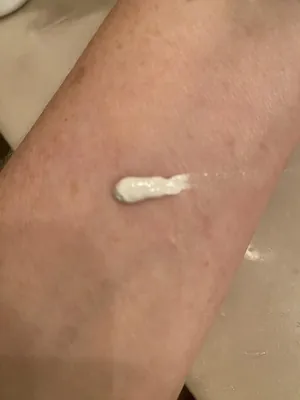
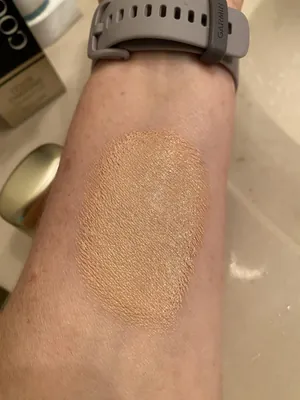
These foundations come out of the bottle white or very pale, then develop color as you blend. Listings say the formula “adapts” to your skin, and some say tiny capsules sense your skin's pH. That promise explains the hype: it would end shade guessing for good.
How it works is simpler. A patent for a color-changing capsule describes pigment held inside tiny capsules; when the cream is rubbed onto skin, the capsule walls rupture and the pigments mix into a new shade. The mechanism it describes is rupture, not sensing your skin tone or pH. As one buyer put it, the product is a base cream with tiny bubbles of color suspended in it.
In practice, the maker has loaded a fixed set of pigments, and you control how much you use and how long you blend. That is why most of these formulas say they suit “fair to medium” or “light to medium” skin, and why several come in two shades instead of one.

Who gets a good match, and who does not?
Feedback follows a pattern. Many buyers with fair to light-medium skin, including some with olive or golden undertones, said the cream blended into a natural-looking shade, and buyers in their 50s, 60s, and 70s often praised how it sat on mature skin. The problems cluster at the edges. Pale buyers with pink or cool undertones reported orange or yellow results across several formulas. Buyers with medium-tan to deeper skin, including a Southeast Asian buyer who said the shade came out two shades lighter, described a result that was too light. Treat any promise that one formula fits every skin tone with caution: even the formulas sold in just two shades drew misses at both ends.
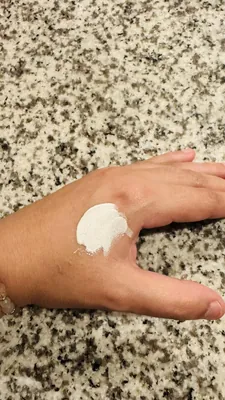

If you are fair to light-medium and want to try one, the formulas that offer two shades leave the choice to you, and that choice matters more than the color change. Think about how your skin looks in winter versus summer, and remember the face-versus-body tan trap from the testing section. These two both come in a light and a medium option.
Buyers with golden or olive skin said Medium suited them, buyers who tan said they picked Medium for that reason, and several praised that it did not crease in lines or feel heavy. Others said the coverage is light and the tube holds little. One buyer who ordered two shades received a tube printed with a future manufacture date, so it is worth checking the dates when yours arrives.
Plenty of buyers said this one adjusted to their skin and felt lightweight and hydrating. A few called the coverage light, and one needed two layers to tone down mild redness. A buyer who picked Light found it ended up too yellow and wished the range had more than two choices, another said it turned mostly orange, and one thought it ran dry and wanted more moisturizer underneath. A buyer with very sensitive skin noticed a moderate scent.
How do you keep foundation from settling into lines?
Foundation settles when a thick layer sits on skin that is dry or textured: it slides into lines and clings to flaky patches. The remedy is usually preparation and quantity before the formula.
What should go on first?
Moisturizer, with a few minutes to absorb. Buyers returned to this tip more than any other. One said their first try looked extremely dry and textured because they had washed their face and applied foundation to bare skin; after washing, moisturizing, and trying again, the result was much better. Another said the color blended in better with moisturizer underneath, and several said a light primer made the formula glide.
How much should you use, and what applies it best?
Less than you think. Buyers using color-changing formulas said a few drops or one pump covered the whole face, and one noted that demonstration videos show far more product than they needed. Dot it on the cheeks, forehead, nose, and chin, then blend outward. Most buyers recommended a soft brush or fingertips; one said a makeup sponge did not develop the color as well as a brush did, and suggested putting some on the back of the hand first and taking it up with the brush.
What if it still looks cakey?
Check three things: too much product, dry skin underneath, and whether a light formula is being asked to do a heavy job. A light, buildable formula evens out tone but will not hide age spots or redness in one pass. Several buyers dabbed a concealer or cover stick on those spots first and put the foundation over it, and others built a second thin layer only where needed instead of thickening everywhere. If you want full coverage, accept that heavier formulas show more texture and treat it as a trade-off.
A light pump-bottle liquid is a sensible starting point for skin with lines. This one is positioned for mature skin, with buildable light-to-medium coverage and ingredients such as niacinamide and squalane listed.
Buyers in their 50s, 60s, and 70s often said it did not settle into lines and could be layered for more coverage, while others thought it covered brown spots only partly. As elsewhere, fair, pink-toned buyers reported orange. Several said it is pricey for the amount. One buyer's bottle changed color inside after two months and stopped dispensing white, and another noted the box arrived without a seal, so check both when it arrives.
Is the sunscreen in foundation enough?
Usually not. The American Academy of Dermatology recommends a sunscreen that is SPF 30 or higher, broad-spectrum, and water-resistant, and says to use at least a teaspoon on the face and reapply every two hours. A foundation applied as a thin, even veil rarely comes close to that amount. A dermatologist quoted by the Prevent Cancer Foundation said the SPF on makeup is generally lower than the label suggests because people apply thinner layers than lab tests do, and that stacking SPF products does not add their numbers together.
The sensible routine is sunscreen first, then makeup, with the foundation's own SPF as a bonus. When you are outside, reapply about every two hours.
Does the SPF on the label still matter?
Higher is better than lower, but the label does not tell you what you get at a foundation's normal thickness. Treat SPF 15 as a small bonus and SPF 50 as a better one, not as a replacement.
The first of these is a foundation whose listing says SPF 15, which is under the 30 that dermatologists recommend, so think of it as a foundation with a little sun protection rather than as sunscreen.
Buyers said it feels like a moisturizer going on, and several said a brush and moisturizer underneath made the difference. Fair to medium skin was the sweet spot: a Southeast Asian buyer found it two shades lighter, while a very fair buyer with cool undertones said it went a shade or two darker and more yellow. A few said the bottle holds little for the price.
The second is a one-ounce pump bottle that the listing describes as a four-in-one: foundation, concealer, moisturizer, and sunscreen. Most buyers describe it as SPF 50, but one wrote SPF 30, so check the printed label on the bottle you receive.
Buyers described a lightweight, non-greasy feel and a natural finish. One said it was not an exact match, a very pale buyer found it too dark, and one noted you may need more product than you expect.
Which format fits your routine: liquid, pump, or stick?
Format changes more than convenience. A pump-bottle liquid lets you control the amount and build thin layers, which suits most people. Buyers' complaints here were practical: pumps that took many presses to start or stopped working, and bottles that hold less than the packaging suggests.
A stick is a balm-like cream that tucks into a bag and works for a midday touch-up. It also tends to give creamier, fuller coverage. Buyers with dry skin said a stick can look dry and highlight texture unless the skin is moisturized first, one buyer with oily skin said it made their face shinier and wore off sooner, and several said the shade ran light and suggested going one darker. Others reported caps that came loose or cracked, and product stuck in the cap.
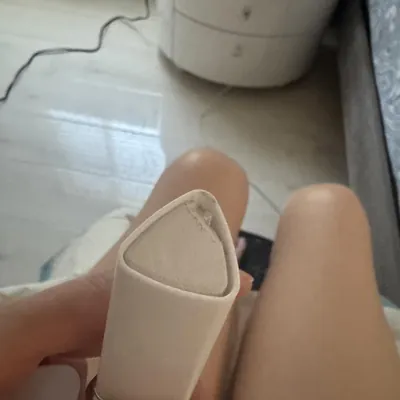
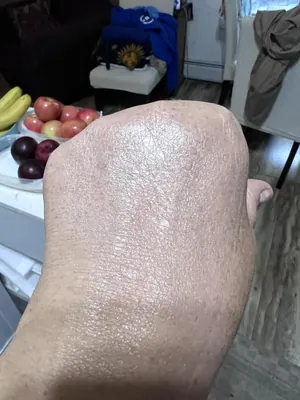
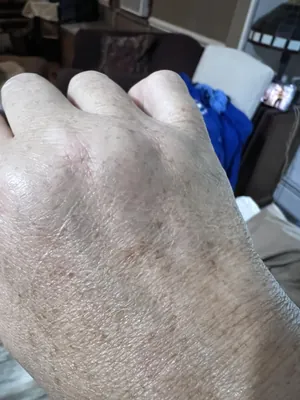
This dual-ended stick starts as a white balm, and its listing says the built-in brush breaks open capsules as you blend. It comes in several shades from fair to medium.
A fair-skinned buyer said the Light shade matched almost exactly, while another who ordered Medium thought the next darker would have been better. Some buyers added a cream blush over it and liked the result.
What about hot or humid days?
A thin liquid usually wears more comfortably than a stick in the heat. This one's listing describes it as waterproof and sweat-proof, with lightweight, buildable coverage in a 30 ml bottle you can apply with fingertips, a sponge, or a brush. It is a new listing with only a few dozen ratings so far, so there is little buyer feedback to go on, and a test stripe on your jawline is worth doing first.
What if your skin is sensitive or prone to redness?
Test before you commit. The American Academy of Dermatology's patch-test guidance, as summarized by a health publication, suggests trying a face product on a small spot behind the ear along the jawline with a dime-size amount, twice a day for 7 to 10 days, and stopping if you notice itching, burning, a rash, swelling, or other irritation. A clean result does not guarantee your face will tolerate it, and people with eczema, rosacea, or psoriasis should still test.
Look at the ingredient list for fragrance if scent bothers you. A few buyers noticed a perfume or powder smell in some formulas, and one with very sensitive skin said a moderate scent concerned them.
Buyers with rosacea or flushed cheeks said a light formula softened redness without looking heavy, though some needed a second layer. One buyer's face began itching badly after a good first stretch, which is another reason to watch your skin over several days instead of one wear. If your skin is reactive, a dermatologist is the right person to ask about any product.
This formula's listing says fragrance-free, non-comedogenic, and hypoallergenic, and it includes a flat-top brush for blending.
Buyers with sensitive skin said they wore it all day without irritation or itching, and one with rosacea said their redness looked pink instead of red. Two buyers said the shade turned orange on them, one said the pump did not work, and one said the included brush shed.
What if you already bought the wrong shade?
A near miss is often fixable. Try a thinner layer before giving up, since more product pushed one buyer toward orange. Moisturizer underneath changes how color develops. If the result is too light, one buyer added a little light bronzer and said it worked, and blending two foundations, as seasonal tanners do, is another way to land between shades. If it still looks wrong on your jawline in daylight after a thin layer, it is the wrong shade, not your technique.
If you decide to swap, keep the packaging and check the return window before you wear it for days. Buyers who ordered two shades sometimes found the second was the better match, so a close neighbor shade is a reasonable fallback.
Whatever you land on, write down the shade and the season. A good match is the one you stop noticing.