In this article
A ring that sparkled on day one can look hazy within weeks, and most of the time the stone is fine. What changed is a thin film of hand lotion, soap, sunscreen, hair product, and skin oil that collects under the stone and around the prongs. A bowl of warm water, a little dish soap, and a soft brush clear most of it. This guide covers that routine, how to match the method to your metal and stones, when a soak, an ultrasonic cleaner, or a pen makes sense, and when to hand the piece to a jeweler.
Why does a ring look cloudy even when you wash your hands?
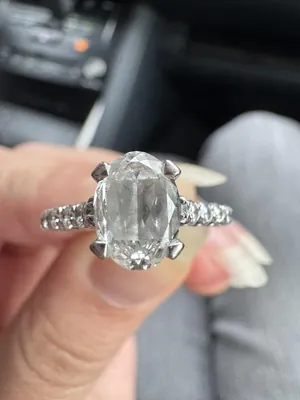
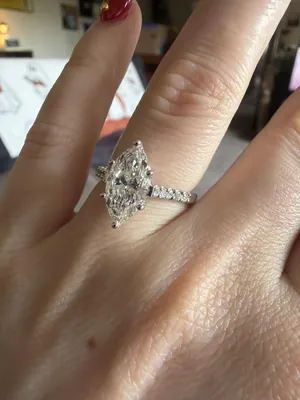
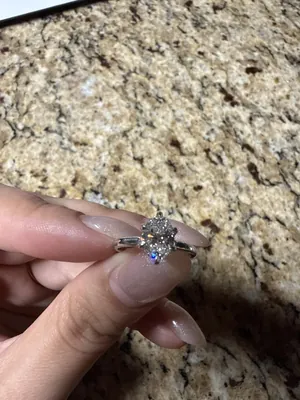
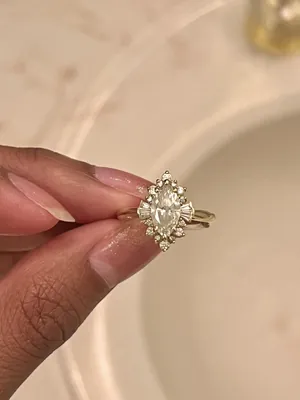
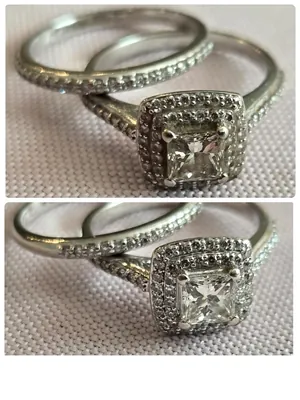
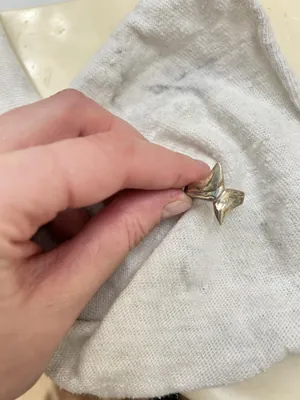
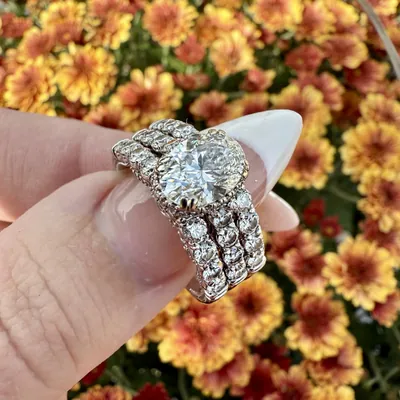
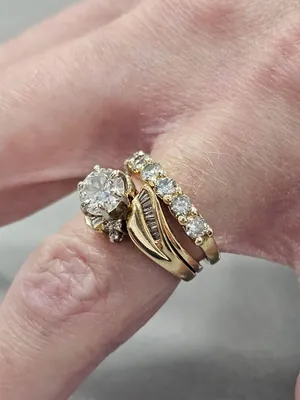
Washing your hands rinses the surface, but it rarely reaches the small spaces under a stone and between the prongs. Hand lotion, sunscreen, hair products, and soap residue settle there and dry into a thin film. A diamond looks bright because light passes through it and bounces back out, so a film on the underside gives the stone less to work with and it reads as gray or flat. Several buyers describe exactly this: a cloudy buildup behind the diamond that wiping never touched, and a ring that dulled quickly for someone who is always putting on lotion or sunscreen.
Metal tells a similar story. White gold and platinum can pick up a yellowish film, and silver darkens as it tarnishes. That difference matters, because a film wipes off, tarnish needs a cleaner or cloth made for silver, and worn plating or fine scratches are not something any cleaner can fix. One buyer who wears a white gold ring every day, including while putting on makeup, noted that she was planning to have the bottom replated, which cleaning would not have changed.
What is the gentlest way to clean a ring at home?
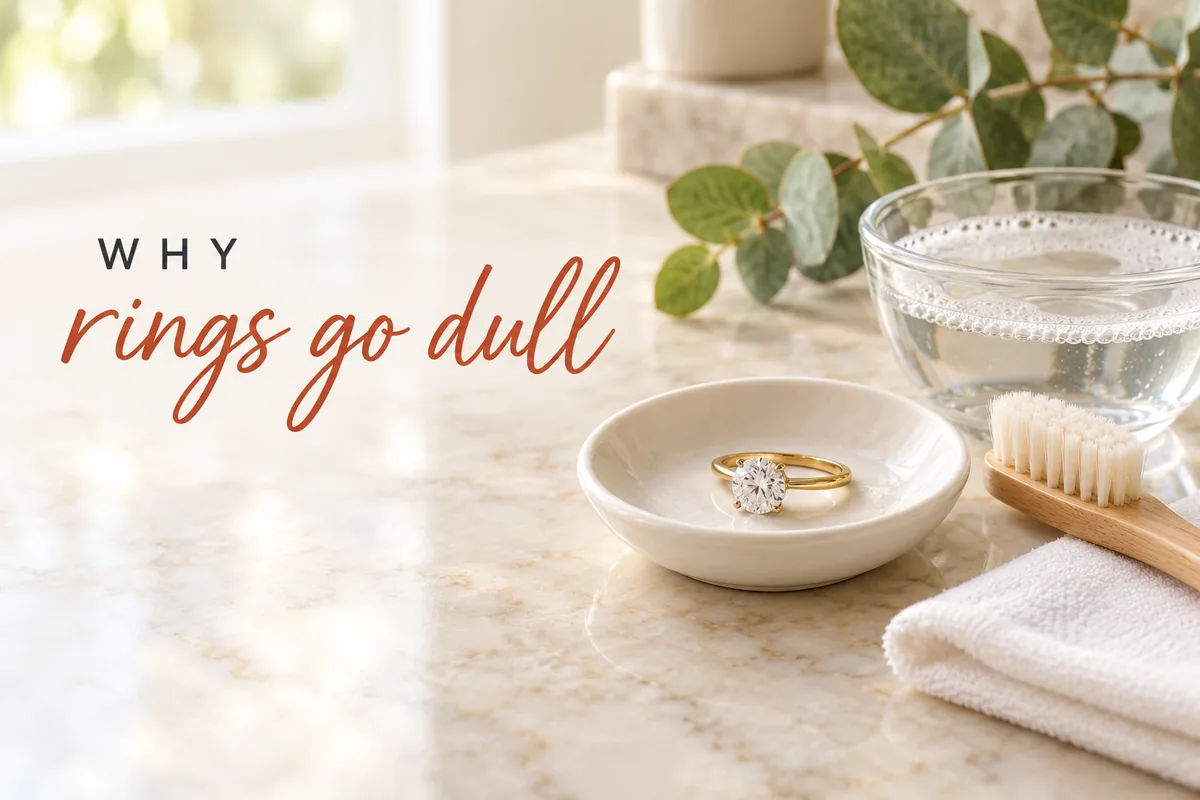
Start with what a jeweler would start with. GIA says most diamonds can be cleaned with warm water and a few drops of mild dish soap, using a toothbrush you keep just for jewelry. It is a good baseline for diamonds and most solid gold, and it costs almost nothing.
- Fill a small bowl with warm, not hot, water and add a few drops of mild dish soap.
- Let the piece sit for a few minutes so the soap can loosen the film.
- Brush gently under the stone, around the prongs, and between links. A child-size extra-soft brush gives you leverage on a long handle, as one buyer put it.
- Rinse in a bowl of clean water, or under the tap with the drain stopped. GIA advises working at a sink only when the drain is blocked, and one buyer tells of a stud that bounced and disappeared down a floor vent, a reminder to work over a towel or a stopped sink.
- Pat dry with a lint-free cloth and let it air dry before you put it back on.
What should you not put on a ring?
Keep chlorine and bleach away from jewelry, since GIA warns they can damage some gems and metals. Skip toothpaste and metal polishes on stones, which GIA says can wear metal and scratch gems. Ammonia-based cleaners are not suitable for porous gems such as pearl, coral, and turquoise, or for diamonds with a non-permanent coating.
Then there is how hard you scrub. One buyer wrote that a dish-soap-and-glass-cleaner routine, scrubbed with a toothbrush, had loosened and lost some of her diamonds, which is why jewelers suggest a soft brush and a light hand, especially on older or fragile settings. If a stone moves when you touch it, stop and see a jeweler.
Is dish soap enough, or do you need a jewelry cleaner?
For most pieces, soap and water do the work. GIA notes that a cleaning solution on its own, without ultrasonic action, still removes most buildup. Purpose-made cleaners are mainly about convenience: a pen you can keep in a bag, a jar that sits ready on the dresser, or a gel you use while washing up. The rest of this guide is about when that convenience is worth it and when a product is the wrong match for the piece.
How do you match the cleaner to the metal and the stone?
Before you pick anything, work out what the piece is made of. That one question prevents most cleaning accidents.
- Diamond, platinum, and most gold: the sturdiest group. GIA says platinum handles cleaning solutions well, and commercial cleaners suit most gold and many diamonds, so check the ingredient list first.
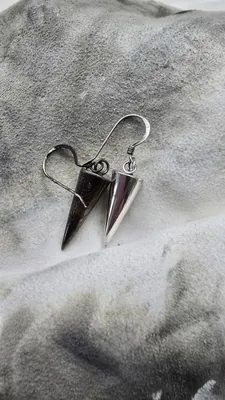
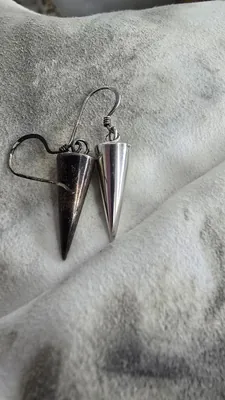
- Sterling silver: it darkens as it tarnishes. GIA says silver needs a cleaner or polishing cloth made for silver, so a dip made for diamonds and gold may not be right for it.
- Pearls, opal, turquoise, coral, and other porous or treated stones: soft or porous. GIA recommends only warm water and mild soap for delicate or porous stones, with no ammonia and no harsh chemicals.
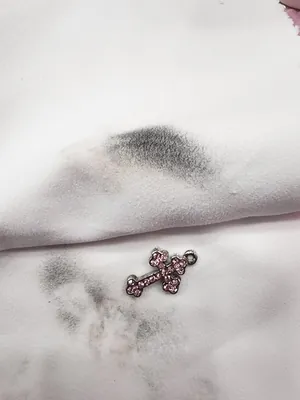
- Costume and plated pieces: the coating can wear thin, and glued stones can loosen, so keep soaks short and test an inconspicuous spot first.
- Antiques and heirlooms: be gentle and ask a jeweler. GIA says to be especially gentle with older or fragile settings.
Are soaking jars and overnight vessels safe for everything?
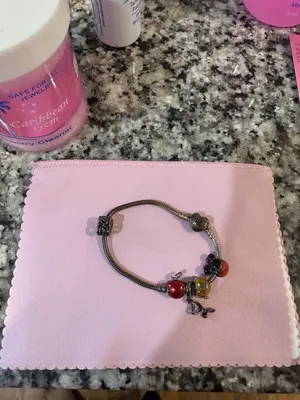
A soak is the easy route: drop the piece in, walk away, rinse. But every soak formula is aimed at certain materials, and the label is where the real limits are. One buyer of an overnight kit reported that a sterling silver bracelet turned blue, including the part that was not in the liquid, and found the “not for silver” note only afterward. That is one account, but it shows why reading the exclusions before the first soak matters more than any promise on the front of the box.
The listing says this one is for diamond, gold, and platinum, and it names what to keep out: silver, pearls, coral, emeralds, opals, and costume jewelry, with non-diamond pieces limited to about two minutes. It includes a basket with a ring hook and earring clip, a brush, and a coaster, and the listing says a bottle of concentrate lasts about two months. Buyers who work with fine jewelry were pleased with gold and diamond results, while others found it pricey and said that refills were hard to find on their own. A few mentioned damaged packaging on arrival.
This kit adds a tarnish cream and a polishing cloth, which is what silver actually calls for. The listing describes it as safe for most jewelry types, including plated, costume, and antique pieces; given GIA’s guidance on porous stones above, keep pearls and opals to mild soap and test any piece first. Buyers shared before-and-after photos of tarnished silver, and one used it on jewelry that survived a house fire. Others reported a jar that leaked, a jar that grew mold after a while, and one said sterling silver did not clean up, so rinse and dry the container between uses.
The jar liquid in this kit is not formulated for silver, and the listing advises a soak of no more than 30 minutes. One buyer found the liquid had a strong chemical smell and suggested a well-ventilated room, though the pen was odorless; another needed days of soaking and daily rubbing on a heavily worn ring, and one kit arrived without its cloth.
Is an ultrasonic cleaner worth it for jewelry?
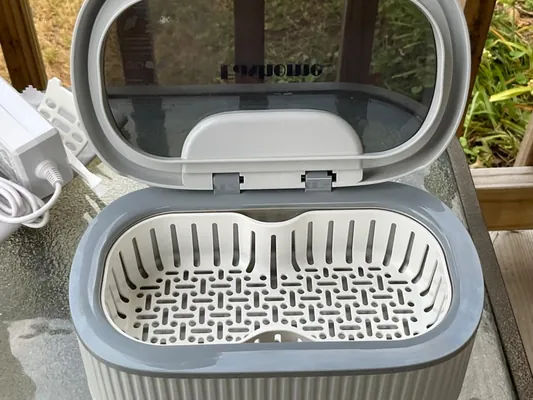
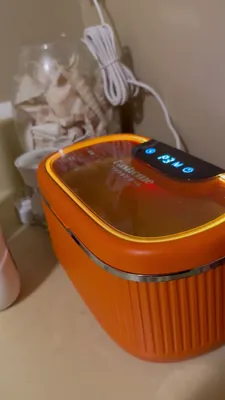
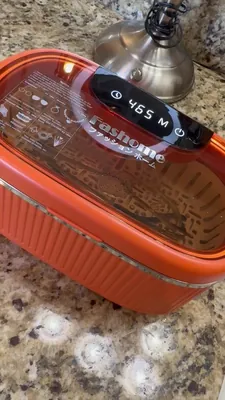
An ultrasonic cleaner shakes dirt loose with high-frequency vibration, which is why it can reach places a brush cannot, such as beneath a diamond. The catch is the vibration. GIA cautions that many gemstones can be damaged by it, and GIA’s care tips list stones such as opal, turquoise, and tanzanite to keep out, noting that vibration can also shake loose a stone in a weak setting. Pearls, emeralds, glued stones, treated or fracture-filled stones, and old or loose settings are the usual reasons to skip it.
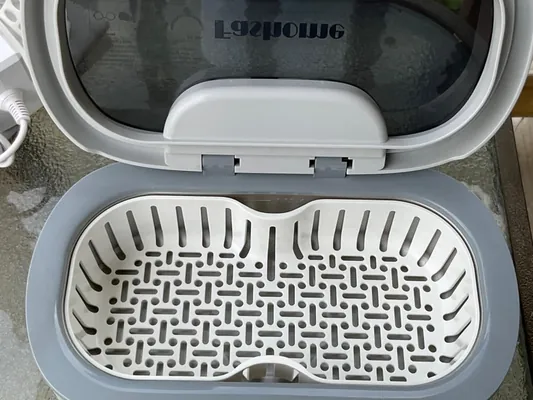
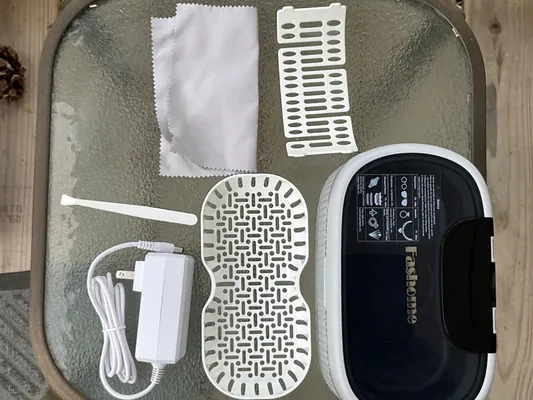
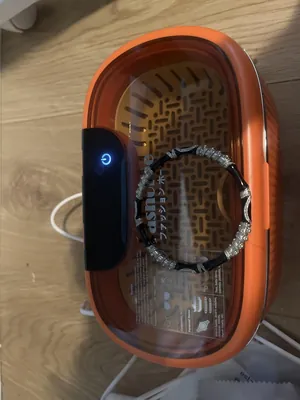
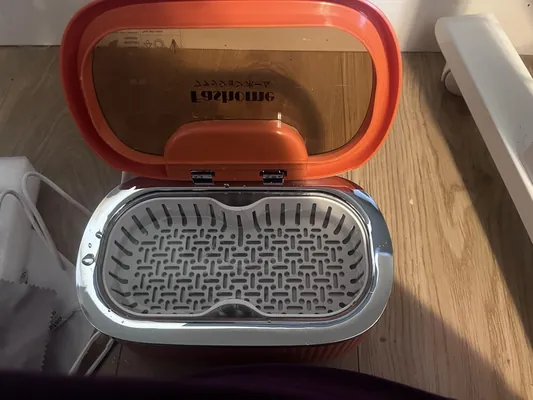
Sturdy pieces are another matter. Buyers used the machine on rings, necklaces, sterling silver pieces, watch bands, eyeglasses, and retainers, and several enjoyed watching the water turn cloudy as grime came off. Others were less impressed: one saw no improvement on eyeglasses, another found it light on removing haze, and one said it worked best with just dish soap in the tank. One found it loud while another called it quiet, and a buyer noted the manual says not to run it continuously and to stay below the fill line.
The listing describes a 45 kHz unit with a 550 ml stainless steel tank, three power levels, and five preset cycles from 90 to 480 seconds. It comes with a basket, a watch stand, tweezers, a cloth, and two bottles of solution. The listing’s own advice is to use the gentle five-minute cycle for delicate items, which is a good reminder to check each piece against the materials above before it goes in.
Can you clean a ring just by washing your hands?
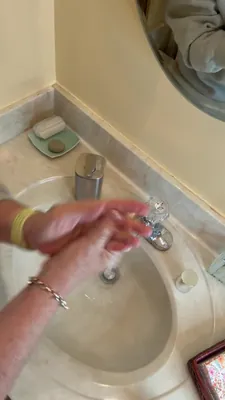
Some cleaners are designed as a gel soap you work over your rings and bracelets as you wash up, so cleaning becomes part of an existing habit instead of a separate project. Buyers liked that idea: the gel foams, the foam turns gray as it lifts grime, and a few drops go a long way. One said it brightened her jewelry but did not reach every crevice, which fits what a hand wash can do: it is maintenance, not a deep clean for a ring that has not been touched in years.
It works best on rings and bracelets. One buyer cleaned earrings while she was wearing them and found that getting the product out of her ears was a hassle, so she suggested taking off everything except rings and bracelets. A few buyers said the pump broke or arrived broken, which is worth checking when it arrives. The listing says the formula is safe for gemstones such as pearls, opals, and turquoise, but with GIA’s advice in mind, keep porous pieces to plain mild soap and water.
The listing describes a plant-based gel meant for gold, platinum, silver, and diamonds. Buyers called it effective but expensive for the amount, and several reported pump problems, such as a broken pump or a missing straw. If you do not mind the price, it is the lowest-effort way here to keep a ring from getting cloudy in the first place.
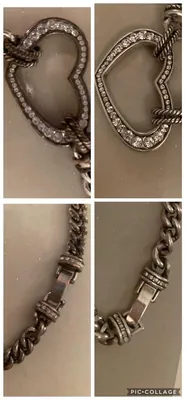
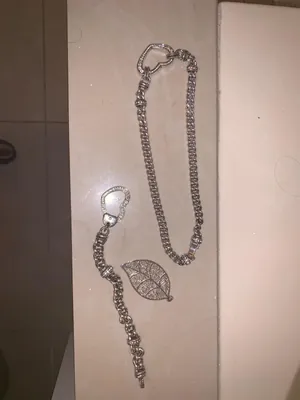
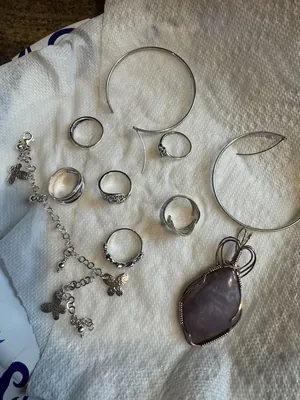
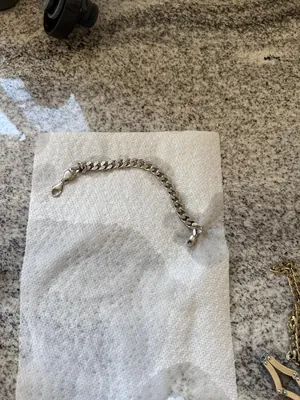
This set pairs a wash with an ultra-soft brush for the areas under stones. One buyer photographed a chain and bracelet drying on a paper towel after a quick cleaning and said it worked better than the sound machines the household had returned. Another reported getting only the brush in the box, so check that both pieces are there, and a buyer whose pump failed after one use was told by customer service to run it under warm water.
How do you reach the film under the stone?
The dirt that makes a ring look flat is almost always where a big brush cannot go, so the brush matters as much as the cleaner. Buyers shared a few tips that apply to any method. Wet the brush before you put product on it. Twist the bristles into the gaps under the stone instead of shoving them in. Rinse more than you think you need to. A small amount does the job, and a bit extra just leaves residue.
Pen-style cleaners put a small brush and a little gel in something that fits in a drawer, a purse, or a desk, so the film gets cleared as soon as you notice it. Buyers used them on diamonds, pink diamonds, and morganite, and described rings that looked cloudy from lotion and hair products turning clear in a few minutes.
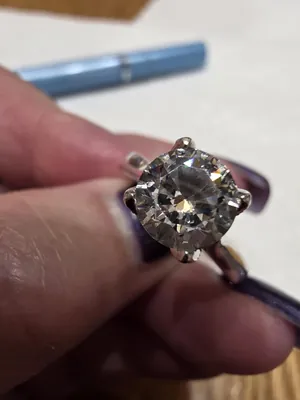
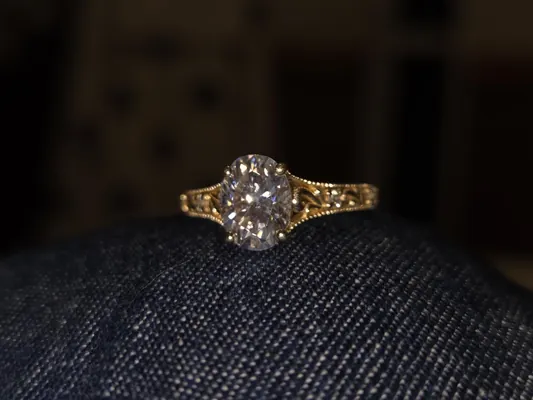
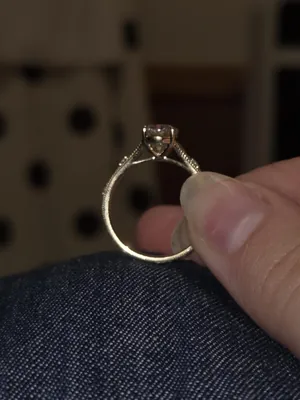
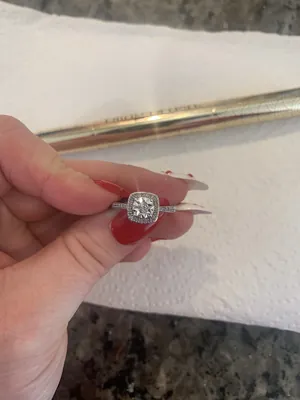
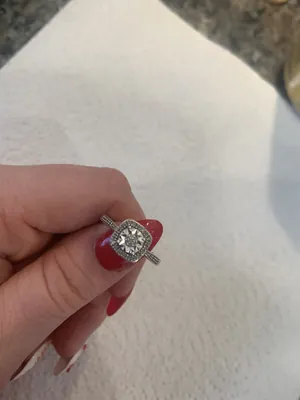
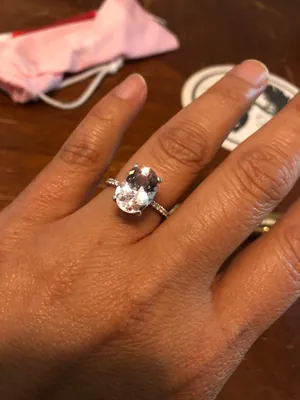
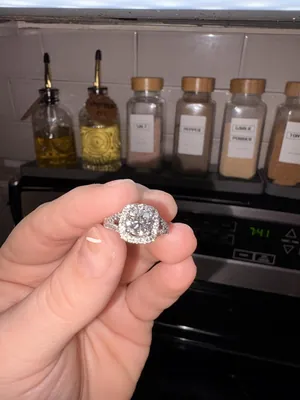
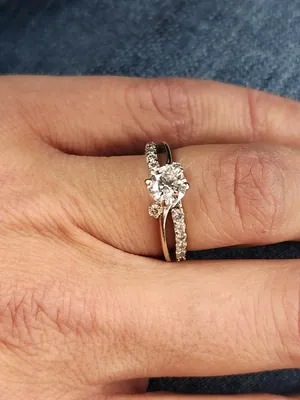
You twist the base to bring a blue, toothpaste-like gel to the bristles, then brush and rinse. The listing says it is for diamonds, precious stones, lab-grown diamonds, moissanite, and platinum and gold settings, and a buyer added that it is not for pearls. Buyers liked the soft bristles and the pen size. One noted it holds only a small amount, so it is not economical for long trips, and another got a pen with bent bristles.
This pen is described as no-rinse; buyers simply wiped off the extra on a napkin or their jeans, and said it worked on a diamond ring in a car and at a desk. A buyer found one pen lasted months at once a week. Two reported a defective pen, one with a brush top that came off in the cap and one with no product inside, so test it when it arrives, while you can still return it.
How do you keep jewelry clean longer?
The longest-lasting clean comes from what you do before you put a ring on, not how often you scrub it.
- Put rings on last, after lotion, sunscreen, and hair products have dried. Buyers most often blame these products for the film.
- Take rings off before doing dishes, gardening, or applying products with your hands.
- Keep jewelry away from chlorine, as GIA recommends.
- Dry pieces fully before you store them, and keep silver in a bag or pouch separate from other pieces to slow tarnish.
- Clean on a schedule that fits how dirty things get. Buyers described weekly, biweekly, and monthly routines. There is no single right interval: clean when the stone starts to look flat.
When should a jeweler handle it instead?
Home cleaning is for dirt. It cannot fix a problem with the piece itself, and a few signs mean you should stop and bring it in.
- A stone moves, rattles, or sits crooked, or a prong looks bent or worn.
- You see a chip or crack, or the stone looks different after cleaning.
- The piece is an antique, an heirloom, or has glued or treated stones. GIA says to be especially gentle with older or fragile settings.
- The ring is still hazy after a couple of gentle cleanings, which can mean scratches or worn plating instead of dirt.
- A pearl, opal, or emerald piece needs more than a wipe.
For everything else, a bowl of warm soapy water and a soft brush is a good start, and a pen or a hand wash can help keep it up between cleanings. What matters most is matching the method to the material, and being gentle around the stone.