In this article
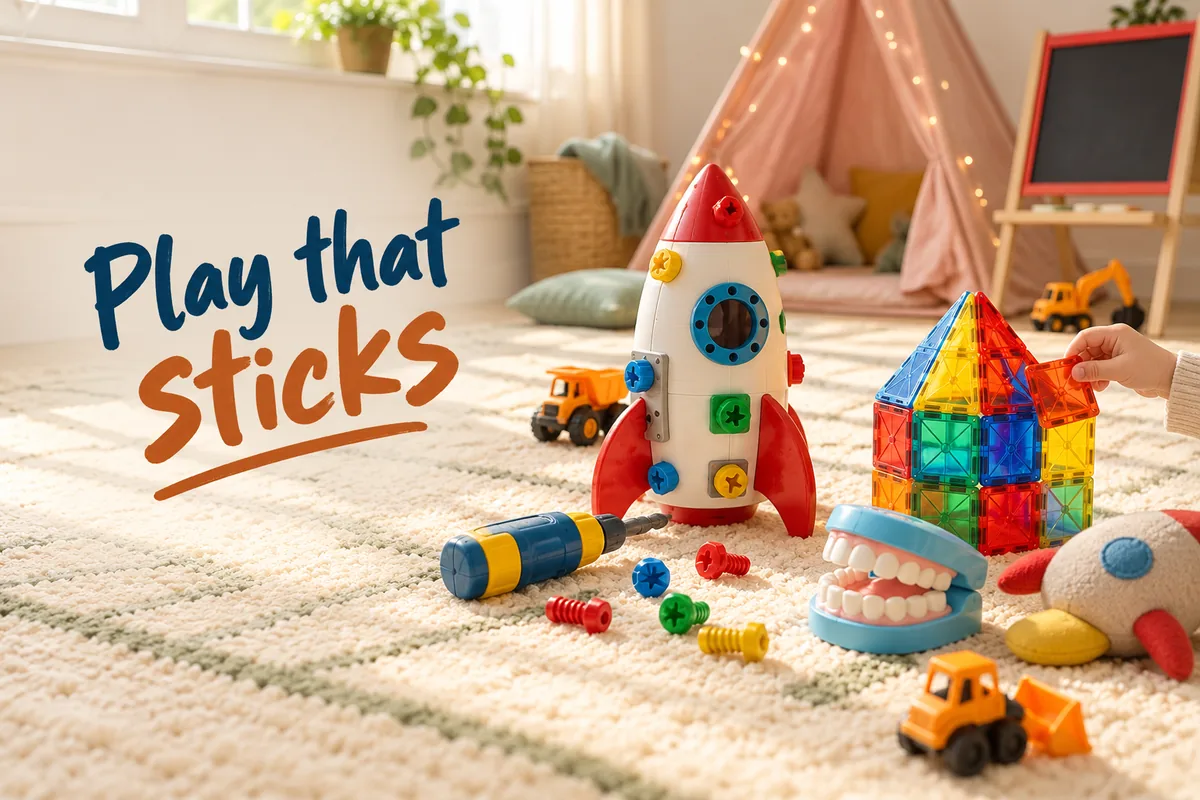
The toys a 3-to-5-year-old keeps coming back to usually do one of three things: they invite pretending, they can be built or taken apart again, or they get the whole body moving. Pick for what your child is doing right now, keep only a few out at a time, and sit down for ten minutes to join in. Below: what preschoolers get from play, why new toys go flat, how pretend play, building, movement, drawing, and stories each fit in, and a quick safety check for anything that goes in the toy basket.
If your four-year-old ignored the toy you were sure they would love and has been feeding stuffed animals in a cardboard box for a week, nothing is wrong. Preschoolers are busy practicing how the world works, and the best toys give that practice a prop. Here is what pediatric and public-health guidance says about play at this age, and what buyers report about nine popular toys for ages 3 to 5.
What does a 3- to 5-year-old actually get out of play?
The American Academy of Pediatrics says play helps children plan, organize, get along with others, and manage their feelings, and supports language, math, and social skills. For the preschool years it points to make-believe in particular: acting out scenes and roles lets children practice cooperating, negotiating, and finding words. It also describes outdoor, active play as good for balance and spatial awareness, and notes that some boredom leaves room for creativity.
The CDC’s checklist for age 4 reads like a description of play: a child pretends to be other people or animals, predicts what comes next in a familiar story, catches a large ball most of the time, and holds a crayon with the fingers and thumb. Its tips for parents are just as ordinary: pretend with them, read together and ask what might happen next, point out colors and shapes, and play simple games that teach waiting and taking turns.
That gives you a way to shop without a long list. Look for something that fits one of four jobs: pretending, building, moving, or making marks and hearing stories. One toy per job is plenty.
Why do new toys get boring after a week, and what helps?
Single-trick toys are the usual culprits. A toy that does one thing when you press a button is exciting for an afternoon, then there is nothing left for the child to decide. Toys that can be assembled, disassembled, and used in a story last longer, because the child supplies something new every time.
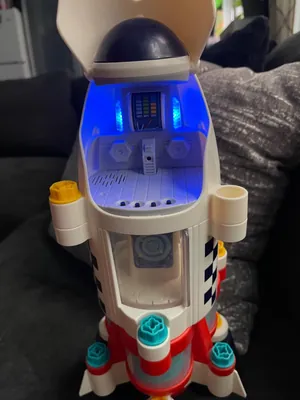
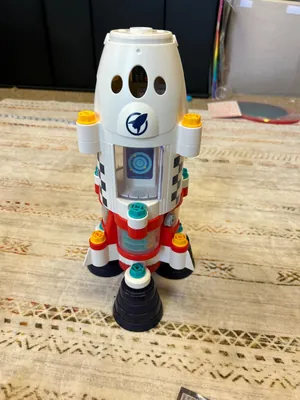
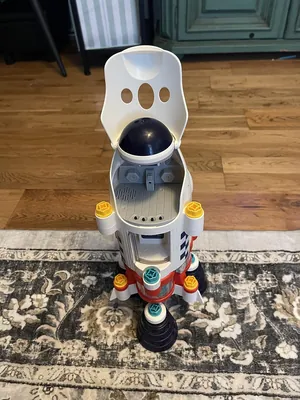
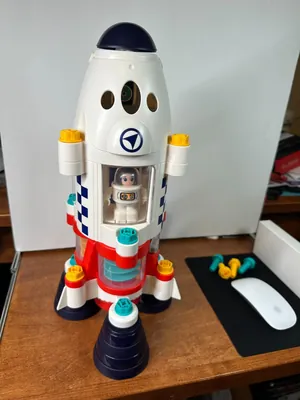
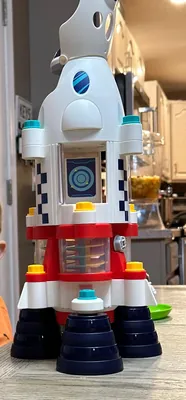
Rotation is the other half. One buyer of a screw-together rocket set noticed their son stopped playing with it if it stayed out for too long, but when it went into a closet for a while and came back, he went straight back to building it. A shelf of six to eight items, with the rest stored out of sight and swapped every week or two, gives the same effect for free.
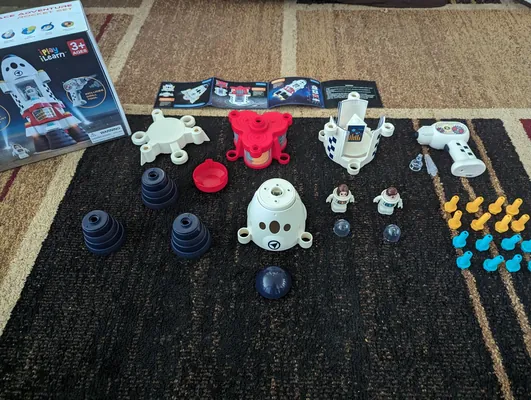
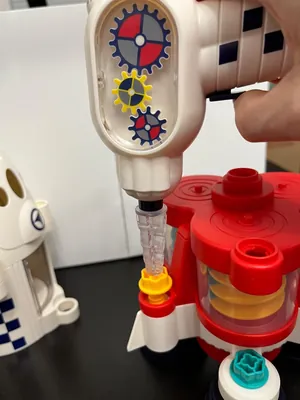
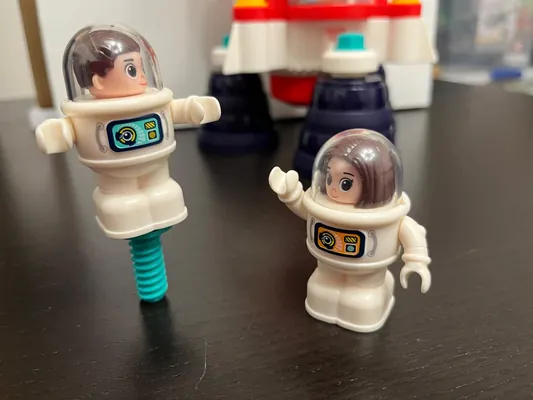
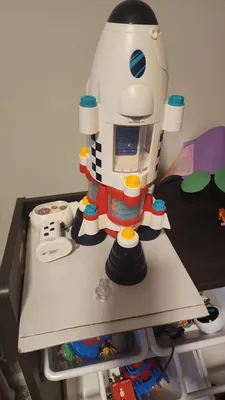
A rocket set with a working toy drill shows what “takes apart and goes back together” looks like at this age. Two buyers said the chunky plastic screws can be twisted by hand, so the drill, which spins forward and in reverse, is mostly there for the child to feel like they are doing real work. Buyers also describe astronaut figures with removable helmets and cabin doors that open for pretend play. The listing describes lights and sounds, and buyers say they are not too loud. Two cautions: batteries are not included, and three buyers found the nose-cone piece missing from the box, so count the parts on arrival. The instructions show three example builds without step-by-step directions, which some children enjoy and some need an adult for.
How do you get more out of pretend play?
Pretend play does the most when it mirrors something the child is about to face or already knows. A new dentist, a doctor visit, a first night in a big bed: acting it out gives them a safe turn at being the one in charge. You do not have to direct it. Hand over the props, take the patient’s chair, and let them tell you what happens next.
Can dentist play help before a first check-up?
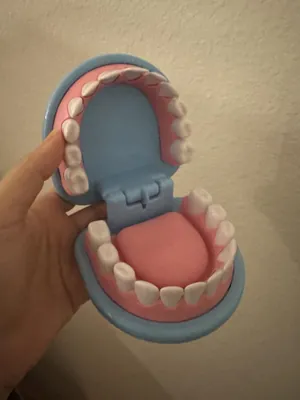
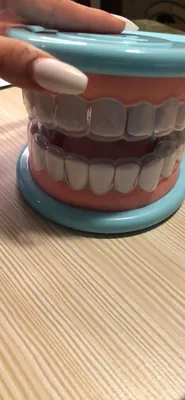
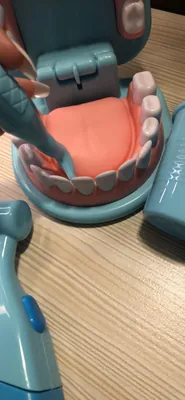
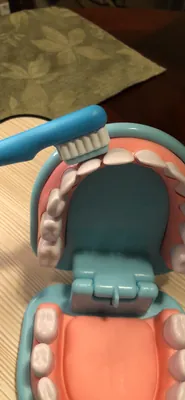
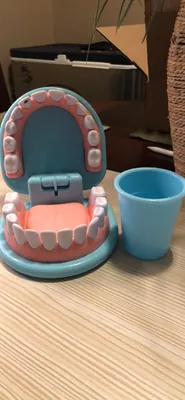
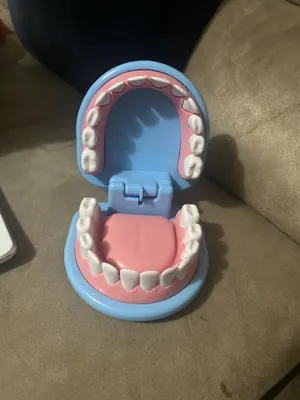
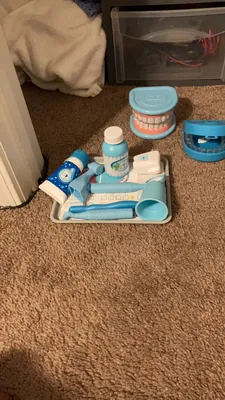
Buyers describe using a dentist play set exactly that way. One parent said a grandchild told her real dentist all about her toy dentist kit at her first appointment. A former dental assistant paired the kit with a picture book before a 2½-year-old’s check-up and said the child sat still for the exam. A nanny used it with a five-year-old who was nervous about getting baby cavities filled. These are individual experiences, not evidence that play prevents dental fear, but they fit what the AAP says about play and stress: in one study it cites, 3- and 4-year-olds who were anxious about starting preschool were twice as likely to feel less stressed after 15 minutes of play than classmates who listened to a story.
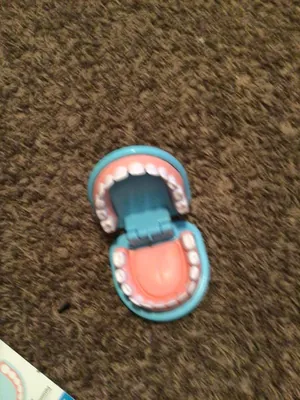
The set the buyers describe has oversized teeth that can be brushed, flossed, and “fixed,” a toothbrush, cavity stickers, braces, and a vibrating pull-string drill, 25 pieces in all. Details worth knowing: one buyer found that wet-erase markers left permanent marks on the checklist card and another said the included pen left dark streaks, so treat the card as a light-use extra; a couple of buyers wished it came with a storage bag; and one buyer found a few teeth came out too easily. A 2½-year-old struggled with it, while children up to nine kept playing, so it is flexible across the preschool years.
Is a play tent worth the floor space?
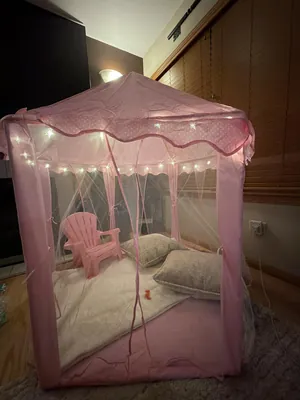
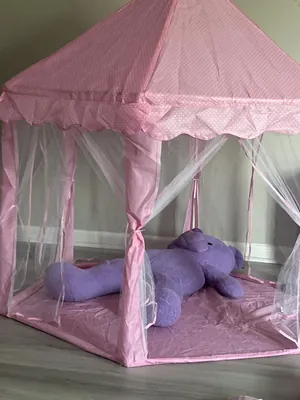
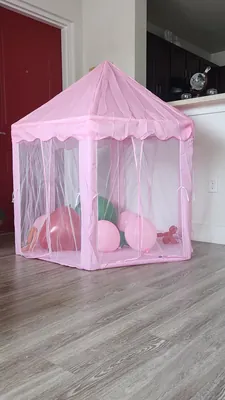
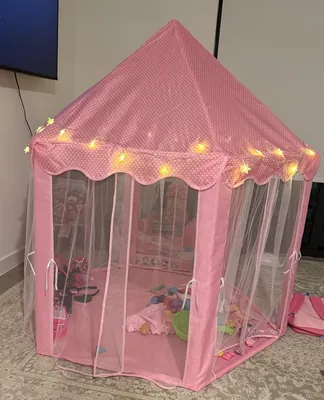
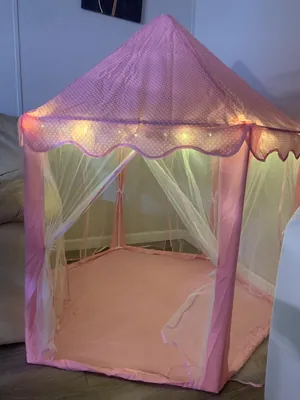
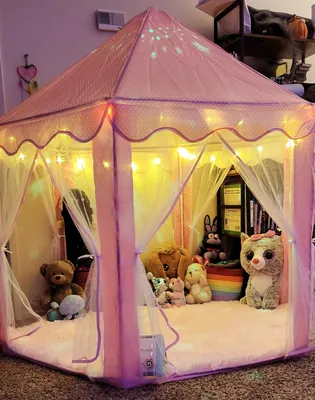
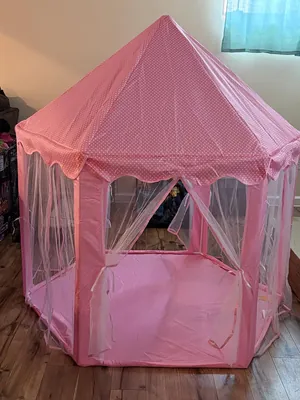
A tent turns pretend play into a place. Buyers say their children use a hexagonal princess tent as a reading nook, a hideout, a dollhouse for small toys, and now and then a spot to nap with pillows and blankets. The listing gives a size of 55 by 53 inches. One buyer’s 7-year-old, who stands 48 inches tall, could stand inside, and another said a grown-up can fit for story time.
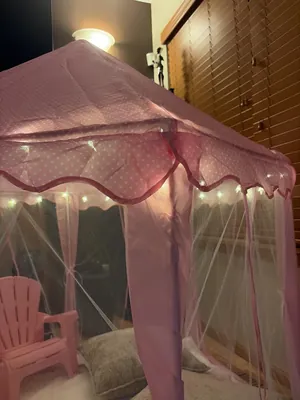
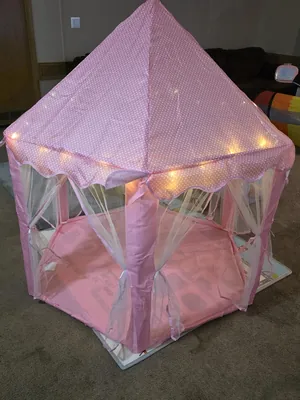
Assembly and durability are where buyers split. Several said the plastic poles are thin and bend or snap with rough use, with one tent lasting about six months. Several others said the seller replaced the tent or parts quickly when a pole broke or the lights failed. Many found the picture instructions confusing and said the poles go inside the fabric, which is not how most tents work; two found the setup video more useful than the paper diagram. Put it up in the room where it will live, because it is hard to carry through a doorway once assembled. The floor is thin, so a rug or floor cushion makes it far more inviting.
One more detail: the tent comes with a string of battery-powered star lights. Buyers like the glow, but one said the star points are sharp and catch on the netting, and another removed the lights altogether because the strand dangled at her toddler’s neck height. If a younger child shares the space, leave the lights off the lower edge or take them out. Also check that the battery pack closes securely; the CPSC advises a screw-closed battery compartment on toys with button batteries.
What about toy trucks and small-world play?
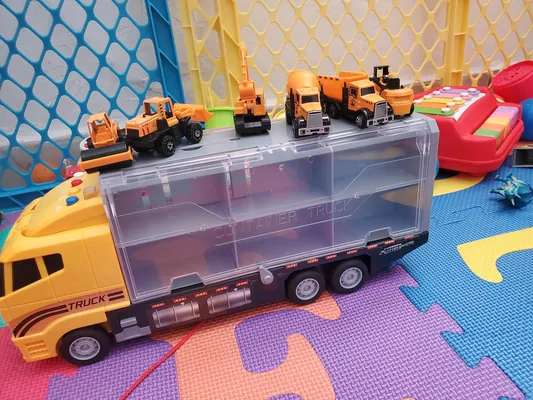
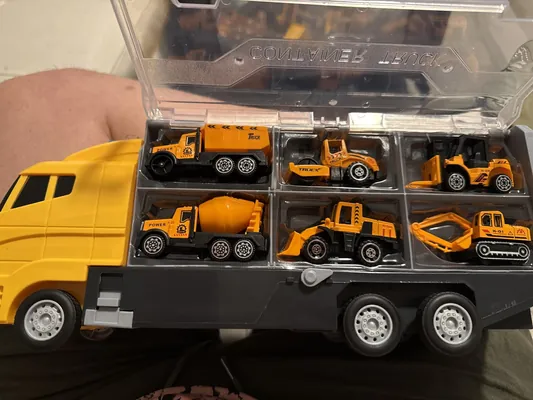
Small vehicles and figures let a child build a whole world on a rug: a road, a quarry, a dinosaur park. This is the same make-believe the AAP describes, only with the child directing a cast. A carrier truck that holds the little vehicles gives the play a built-in ritual of loading, driving, and unloading, plus an easy cleanup.
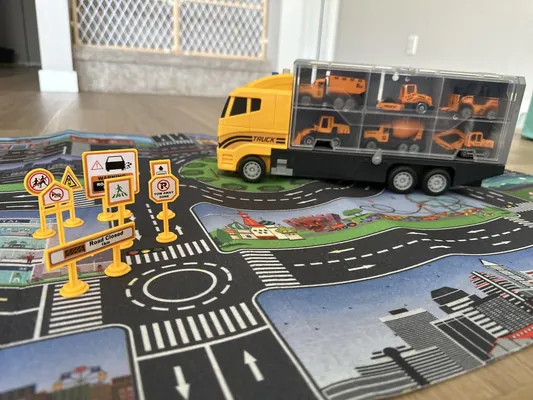
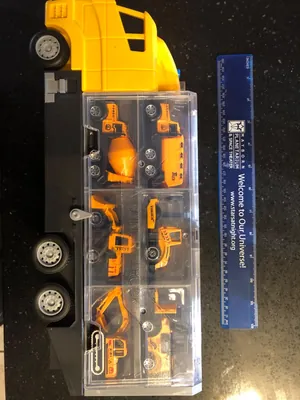
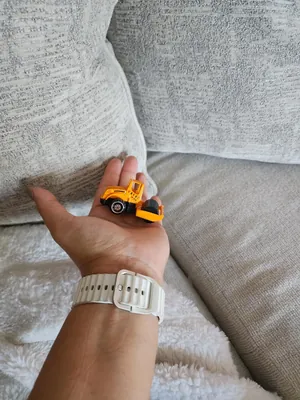
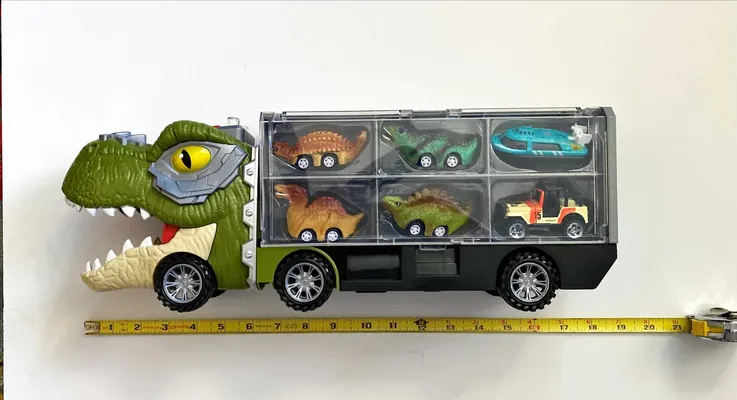
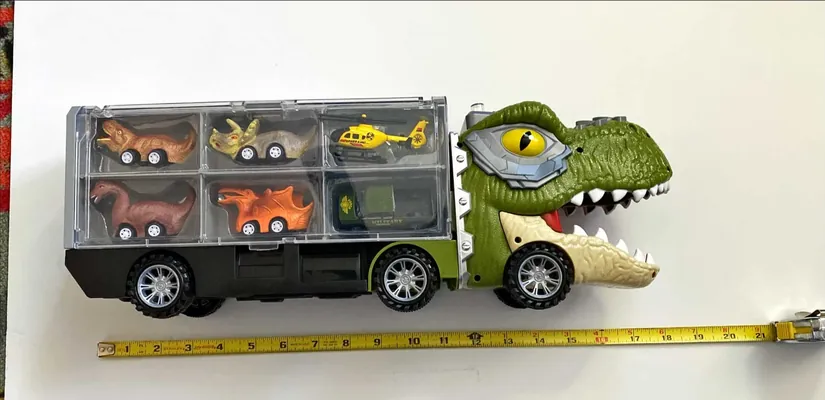
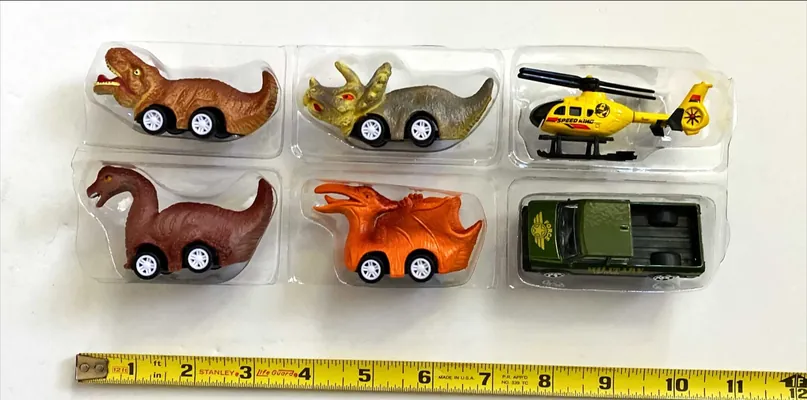
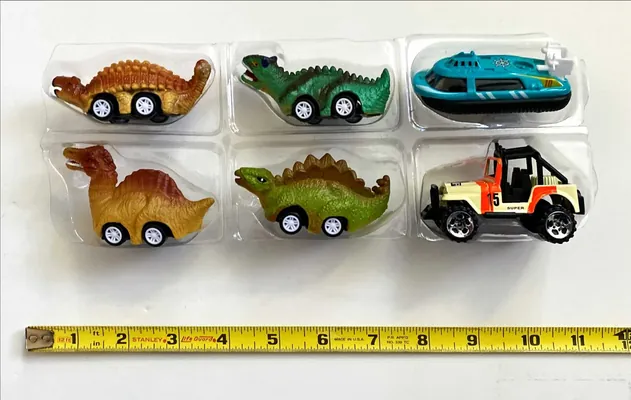
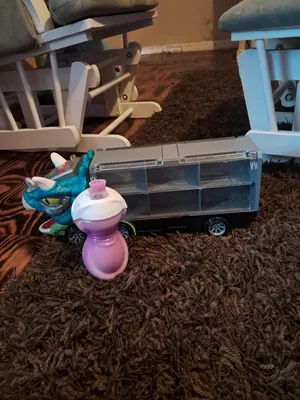
Here the most useful thing to know is size. Of the two carrier sets below, many buyers said the vehicles are much smaller than the listing photos suggest. Check the stated dimensions rather than the picture, and measure a few inches on your own table before ordering. A tape measure in a buyer photo is the clearest way to see what “toy-sized” means here.
Is a construction truck set a good pick?
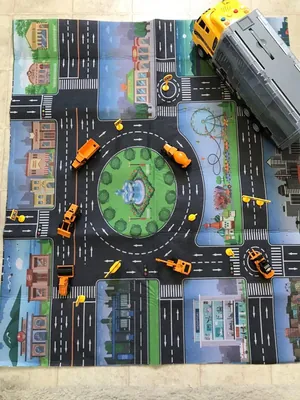
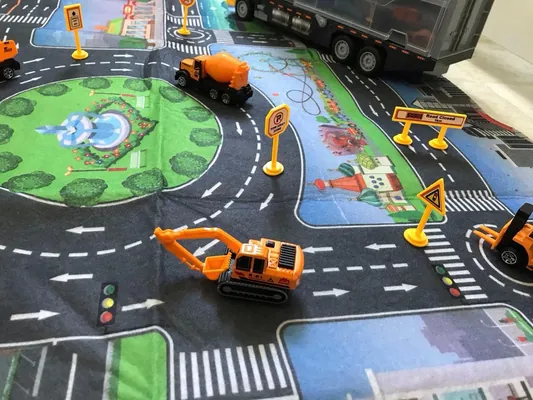
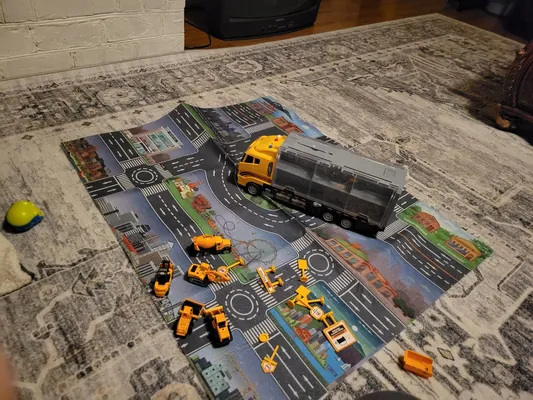
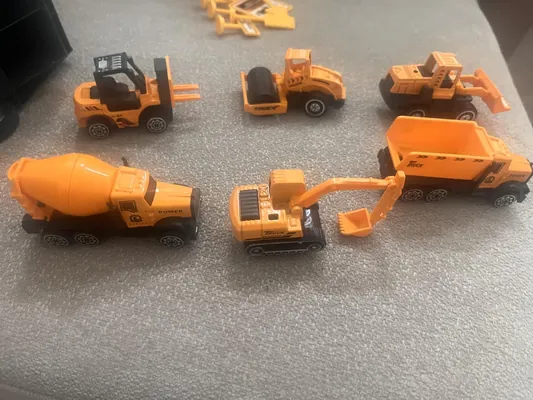
The construction set pairs a hauler with six mini vehicles, road signs, and a play mat that the listing gives as 32 by 27 inches. Buyers who liked it described a hauler sized for a 2- or 3-year-old’s hands, a hit in a sandbox, and a nice bonus in the mat. The critical reports are a long list: many said it was smaller than pictured, some said the vehicles are plastic rather than metal and broke quickly, and one described sharp edges and another a strong plastic smell. One buyer who nearly returned it said the vehicles turned out sturdier than expected once the box was open, and another called it worth about $30 if you expect the small size. Batteries for the lights and sounds are not included, and one buyer said that if the noise is a concern, leave them out.
What should you know about a dinosaur carrier truck?
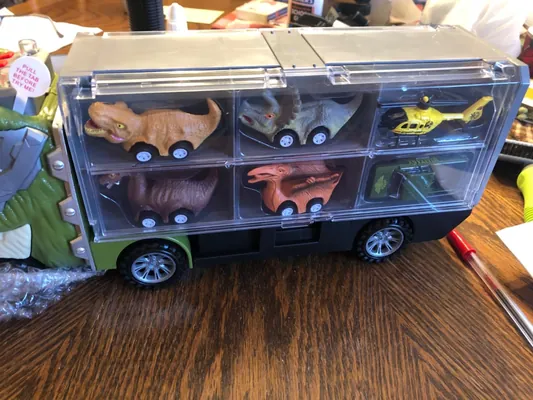
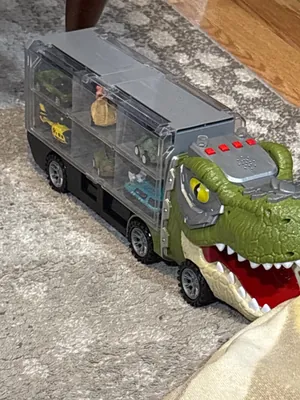
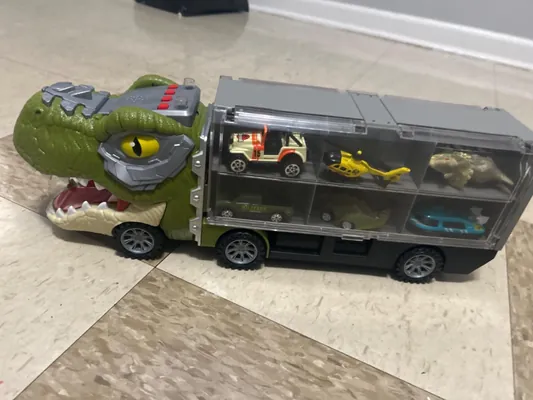
A dinosaur carrier covers two common obsessions at once. The listing describes a 13-in-1 set: a big carrier with lights and seven sounds, eight pull-back dinosaur cars, three die-cast vehicles, and a helicopter, and says the toys meet U.S. toy safety standard ASTM F963. One buyer with a 2- and a 4-year-old grandson said the two liked it for different reasons: the younger one liked the sounds and lights, and the older one liked the pull-back cars that race across the floor. Another said it survived being rammed by a ride-on toy.
The problems to watch for are in the same reports: side doors that are hard to latch and pop open in transport (three buyers), several found it smaller than expected, one received a set with a car missing, and another said the horn fell off within an hour. Two buyers made safety claims we cannot verify: one said a home lead test came back positive on exposed metal parts, and another described sharp plastic edges along the bottom of the carrier. Treat those as single reports, but they are a good reason to run a hand over the edges and to keep an eye on small parts that detach.
How do you keep building toys fun instead of frustrating?
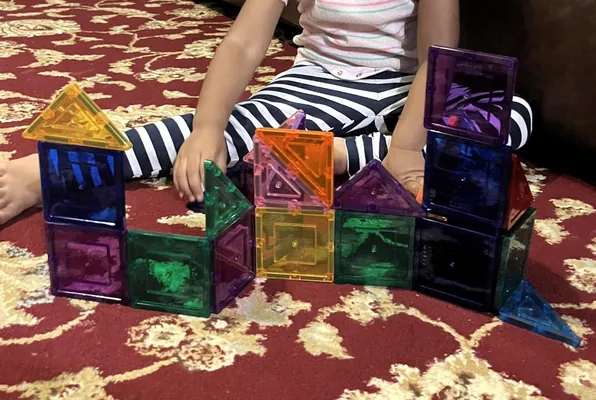
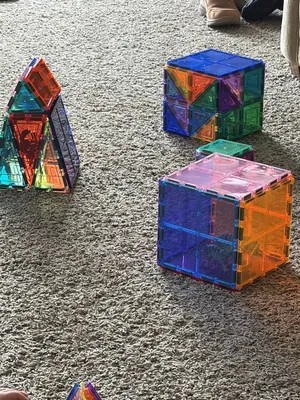
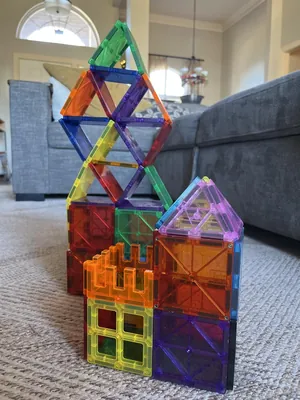
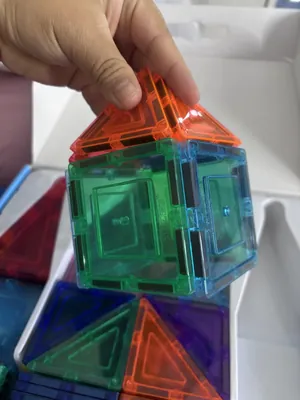
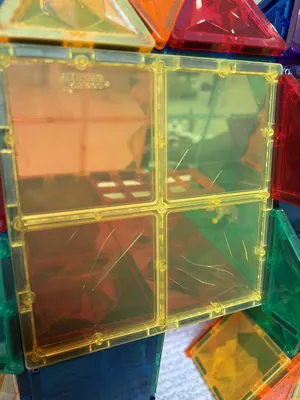
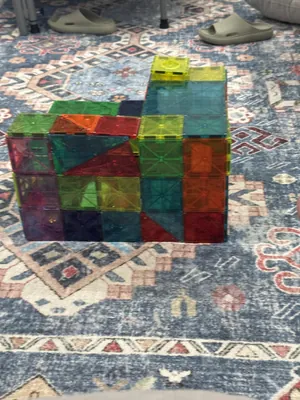
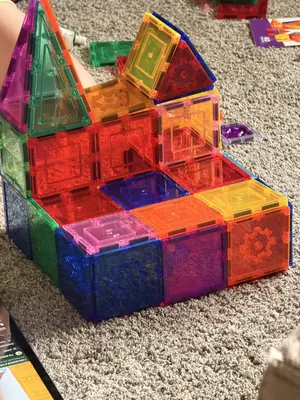
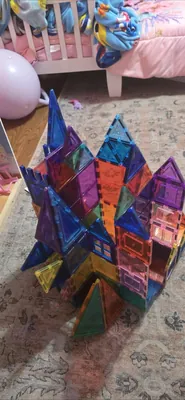
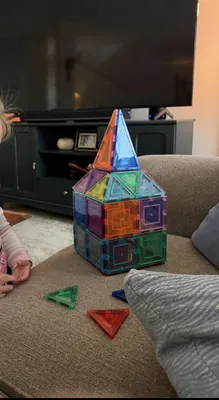
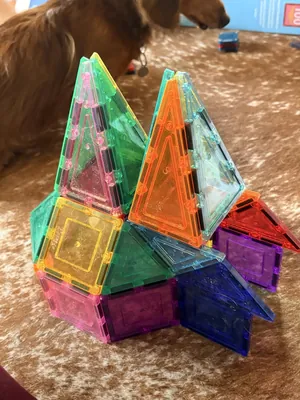
Preschoolers often have more ideas than fine-motor control. A tower of regular blocks falls over while they are still deciding what the tower is for. Magnetic tiles snap into place with a small push, so a child can build a complete house, a garage, or a castle in a few minutes and spend the rest of the time playing with it. One buyer who owned wooden blocks and interlocking bricks said her three- and four-year-olds played with the tiles for at least an hour a day, because they could build a finished structure quickly.
Buyers describe tiles as a toy that grows with the child. A two-year-old pulls them apart and makes stacks; a four-year-old builds enclosures for toy cars and figures; older children in the house build tall towers and marble mazes. Tiles are also a good way to practice names for shapes and colors and to count pieces, which is the sort of thing the CDC suggests for this age.
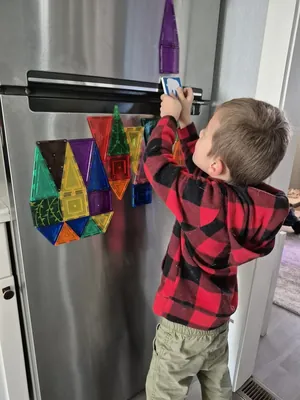
The most common complaint is cracking. Several buyers said big square tiles cracked when stepped on or when a tower fell, and one found a triangle split open next to the magnet. One experienced buyer advised checking tiles regularly and throwing out any that crack. That is sensible for a magnetic toy; the CPSC warns that swallowing more than one magnet can cause serious injury, and while that warning is mostly about loose, high-powered magnets rather than sealed tiles, a cracked housing is the one to retire. Tiles also stick to a refrigerator or any metal table, which one buyer’s child used to build upward, and buyers say the set works with other magnetic tile sets. One buyer was cut by shards of plastic from the box’s inner tray, so open the packaging yourself before handing it over, and another noticed that some builds in the booklet need more than one set.
How can you burn off energy without reaching for a screen?
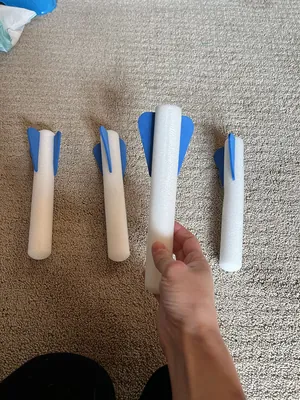
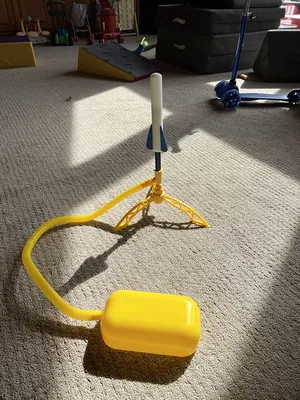
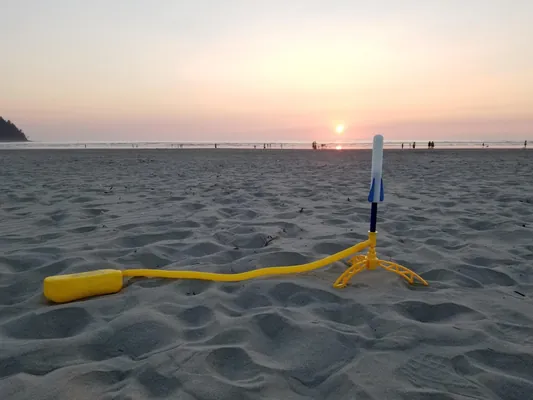
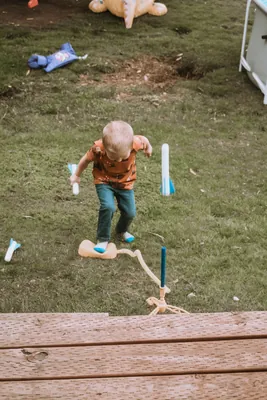
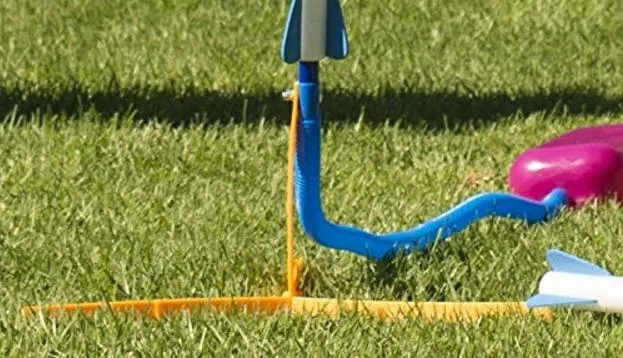
Preschoolers need to move, and the AAP says outdoor play builds balance and spatial awareness. A toy that sends something into the air gives a child a reason to run, jump, and chase. A foot-pump foam rocket launcher is the classic example: the child jumps on a pad, air rushes through a hose, and a foam rocket flies. No batteries are involved.
Buyers describe launchers used by children from about 17 months to age 12. A two-year-old could make a rocket fly across a room, a three-year-old could reach 30 to 50 feet, and the play turns into competitions and games of catch as children get older. Soft foam makes it usable indoors, a buyer said, though rockets fly far enough that trees, gutters, and wind are real hazards. Buyers also say not to let a toddler chew the foam.
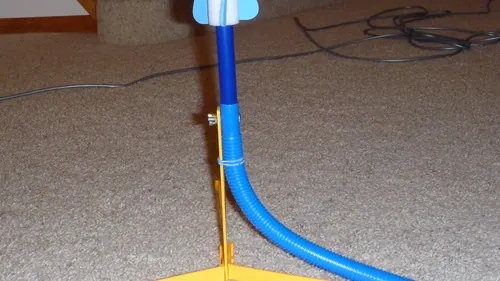
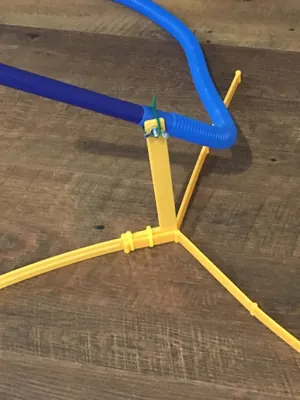
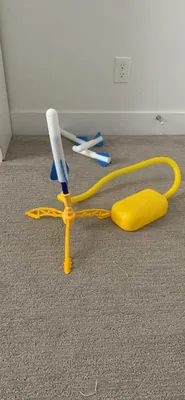
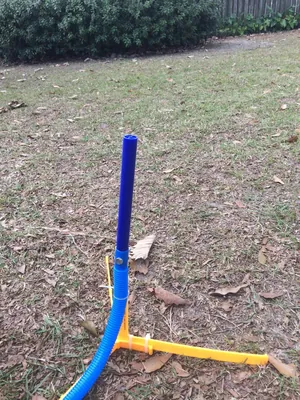
The weak point is the stand. Many buyers said the three-piece base falls apart during use. Their fixes were zip ties, rubber bands, or duct tape, and one buyer said they received a newer, sturdier tripod with an adjustable mount. Foam rockets also tear when pressed onto the tube or when fins catch, so a spare pack is a good idea. One buyer’s box was missing a tripod leg, and a few said the glow-in-the-dark rockets only barely glow. Take it to an open lawn, and expect to spend five minutes bracing the stand before the first launch.
What helps a preschooler start drawing and writing?
By age 4 the CDC expects children to hold a crayon with the fingers and thumb and draw a person with at least three body parts. Plenty of low-pressure scribbling is how most children get there, and a surface that wipes clean means no one worries about wasting paper.
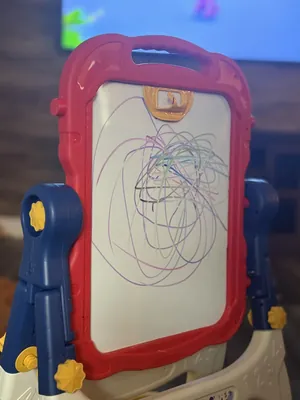
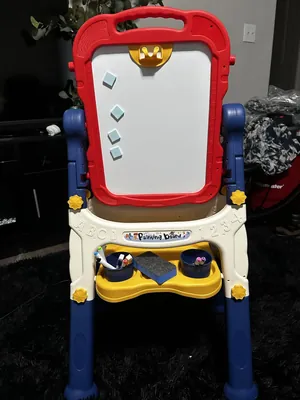
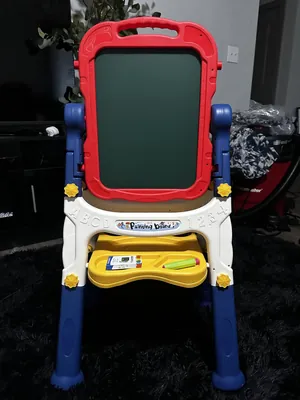
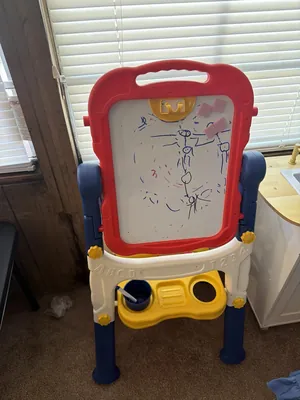
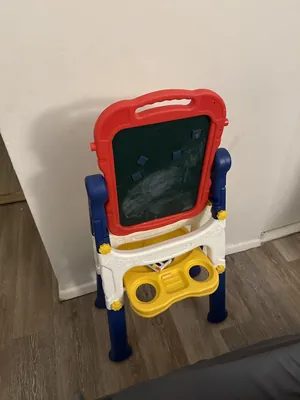
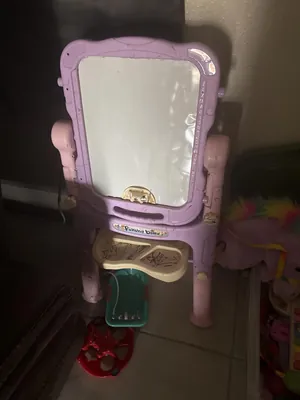
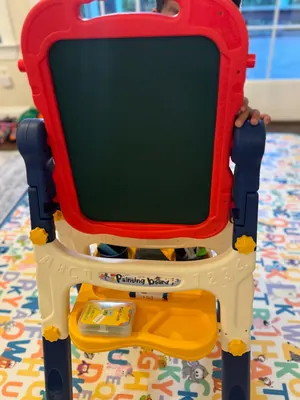
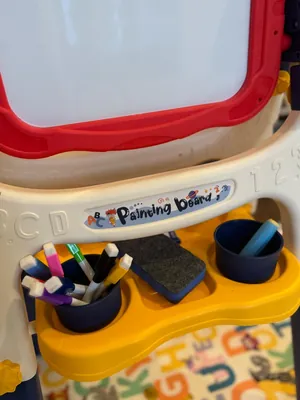
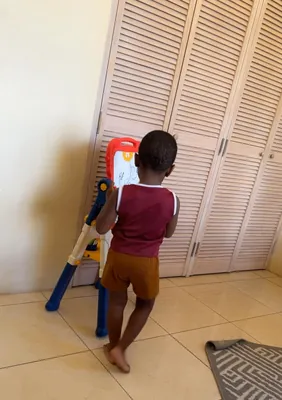
A double-sided easel with a chalkboard on one side and a whiteboard on the other covers both. Buyers use it to practice letters and numbers, doodle, and just scribble. The set comes with chalk, dry-erase markers, magnets, and two sets of legs for different heights. Many buyers found it easy to assemble, and one said her 3-year-old, who is 36 inches tall, found it the right height. Others disagree: two buyers said the easel is too short, including for 2- and 3-year-olds, and one said a younger child would need to sit on a chair to use it. Measure your child first and use the longer legs if they are tall.
Three details matter. One buyer said the included markers did not wash out of clothes or furniture and threw out three dresses, so try a washable pen and keep it on the board. Another said the legs fall off pretty regularly because the plastic bolts work loose, and one said the board is light and shifts if the child leans on it. One buyer said the chalk arrived in pieces, and another wished the markers and chalk were bigger.
How do you wind down at night without a screen?
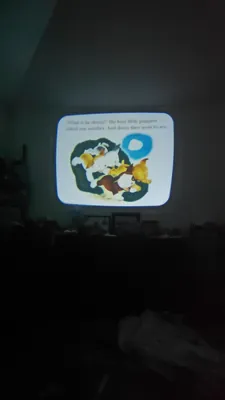
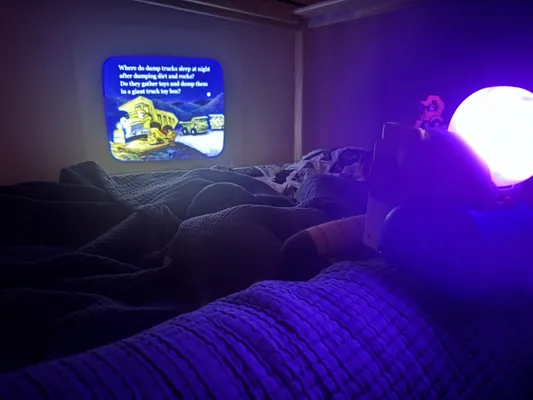
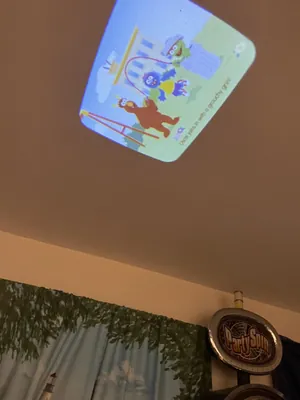
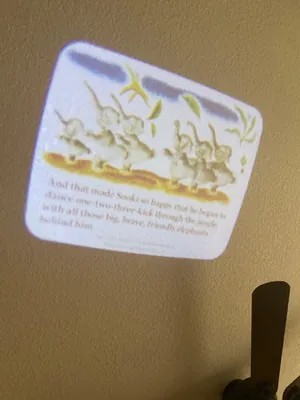
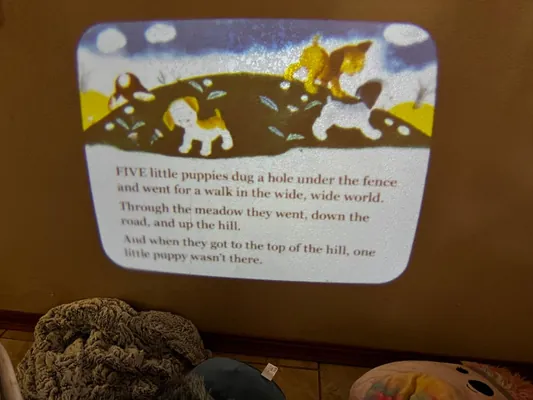
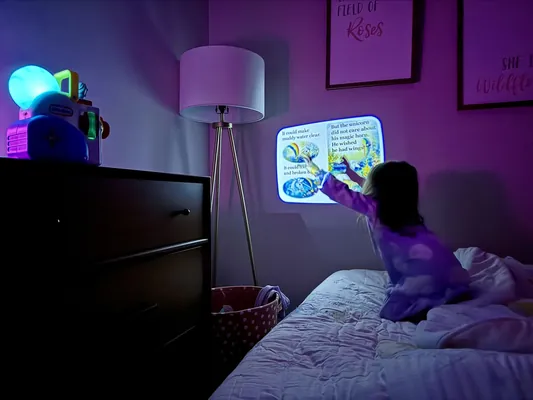
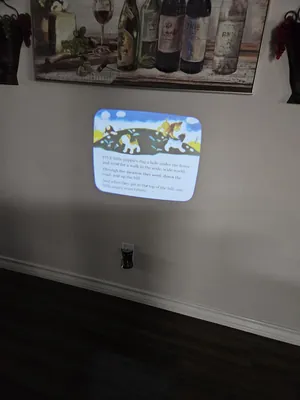
A short story and a dark room are one of the easiest ways to end the day. The CDC’s advice for age 4 is to read together, ask what might happen next, and limit children’s programming to about an hour a day with an adult present. A story projector is a middle path some families like: it throws the pictures and words on the wall while a narrator reads, with no tablet to hold. Buyers describe it as an alternative to tablets, say it helps when they are too tired to read five books, and report children from 16 months to 6 years enjoying it.
It is a simple device: a plastic projector with a focus ring, a few buttons, a handle, and cartridges that slot in the side, plus a nightlight and white-noise mode. The listing says three stories come with it. A few things buyers noticed: the stories are short, about two to three minutes each, and extra three-cartridge sets cost around $14 to $15 according to buyers; one found the eject button too stiff for a young child to use alone; the picture is clear from roughly 6 to 10 feet but blurs at other distances; and the beam is bright, so one parent keeps it on a shelf where a toddler cannot look into it. A few buyers said it survived being dropped or thrown, a couple said reels stuck or the projector failed after a short time, and a few bought a separate carrying case for the cartridges. It runs on AA batteries.

What should you check before a toy goes in the basket?
A one-minute check on arrival catches most problems, and several buyers described finding issues only after the toy was in a child’s hands.
- Small parts. The CPSC’s small-parts ban covers toys for children under 3, and toys with small parts must carry a warning about the minimum age. Toys for 3 and up can have them, so if there is a younger sibling in the house, keep those toys out of reach.
- Batteries. Look for a battery door that needs a screwdriver or coin. The CPSC says that is the required closure on toys with button batteries, and that a swallowed battery is an emergency. Take dead batteries out promptly.
- Magnets. The CPSC warns that swallowing more than one magnet can cause serious internal injuries. Retire cracked tiles and keep magnetic toys away from a younger child who still mouths things.
- Cords and lights. A string of lights hung at head height is a hazard for a toddler, as one tent buyer found.
- Edges and breakage. Run a hand along plastic edges, and check that wheels, horns, and other parts do not come loose in your first minutes of play. A few buyers found parts snapped off on day one.
- Count the pieces. Several buyers of the rocket set and the dinosaur truck found a part missing. Check before wrapping or handing over.
How many toys should be out at once?
Fewer is better. Keep six to eight things on a low shelf or in shallow baskets, sorted by job: a pretend basket, a building basket, an art basket, a book or story basket. Store the rest out of sight and swap a few every week or two. Put the toys that need you, such as tiles, the rocket drill, or the launcher, on a higher shelf and bring them out when you can join in.
Then sit down and follow their lead for ten minutes. Describe what they are doing, ask what the truck is hauling, and let them correct you. That attention is what turns a plastic toy into something a child comes back to.