In this article
Most kids can cook more than adults expect, as long as the job fits the child and an adult stays close to anything hot or sharp. Begin with tasks that need no heat, add a kid-safe knife on soft foods, and bring in a stove or tabletop cooktop only when the child can follow kitchen rules without reminders. Below: what children can do at each age, how to manage heat and blades, which tools help, and a plan for the first session.
A child who asks to help in the kitchen is asking for a real job, not a pretend one. Real food, a tool that actually cuts or stirs, and a task sized to what they can do are what keep them coming back. The adult's part is to decide where the heat and the blades are, and to stay close to both.
How young can a child start cooking real food?
Younger than most adults expect, as long as the job fits. The Academy of Nutrition and Dietetics sorts kitchen tasks by age in its guide to teaching kids to cook:
- Ages 2–3: washing hands and produce, wiping the table, snapping green beans, and pressing cookie cutters into dough, with very close supervision.
- Ages 3–5: mixing batter, brushing oil on bread or vegetables, cracking eggs into a bowl, and mashing potatoes.
- Ages 5–7: scooping an avocado an adult has already cut, loading the dishwasher, and snipping herbs with blunt kitchen shears.
- Ages 7–9: using a can opener or peeler, beating eggs, and checking the temperature of cooked meat with a food thermometer.
- Ages 9–12, with an adult nearby: boiling pasta, using the microwave, following a recipe with accurate measuring, baking in the oven, simmering on the stove, and slicing vegetables.
These are starting points, not limits. Children vary a lot, and the same guide suggests checking whether a child can follow basic rules, such as turning pan handles inward, unplugging appliances, handling knives properly, and using the oven or microwave safely, before they work without you.
Is it better to start on the real stove or with a kid-sized cooktop?
Both work, and buyers describe both. One parent says an 11-year-old is allowed on the family stove with a parent beside her, so a kid-sized cooktop was less exciting for her but a hit with her 8-year-old sister. Another parent thinks 10- to 12-year-olds should simply use the real stove. Counter-height cooktops give a younger child their own space and small portions, which many buyers like for ages around 5 to 9. Neither option removes the need for an adult within arm's reach while anything is hot.
How do you let a child cook near heat without getting burned?
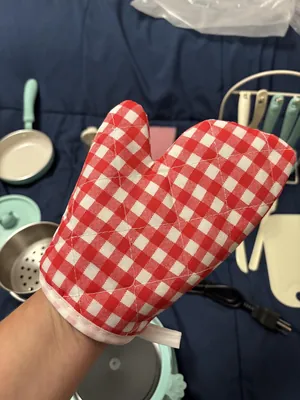
Start with the layout. Safe Kids Worldwide advises keeping little ones at least 3 feet away from the cooking area, cooking on back burners, turning pot handles away from the edge, and keeping hot food and drinks away from the edges of counters and tables. It also suggests teaching older children never to leave the kitchen while something is cooking and to use oven mitts or potholders to carry hot pots and pans.
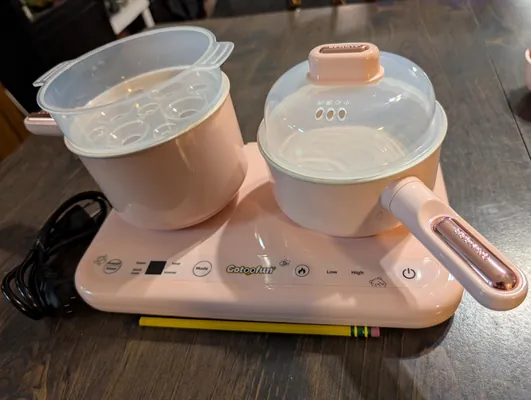
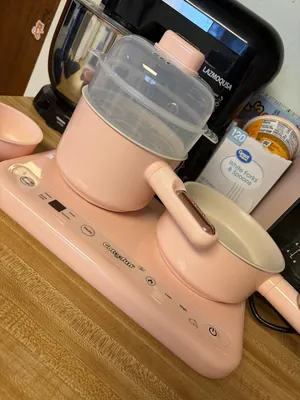
When the child is the cook, that advice flips into a few habits. Give them one clear spot to work. Clear it of clutter, and if they need a stool, make sure it is stable. Make sure the power cord reaches an outlet without stretching across a walkway; one buyer wished the cord on a tabletop cooktop were longer. Decide in advance who moves a hot pot, and who carries it to the table.
Do kid-sized cooktops actually get hot?
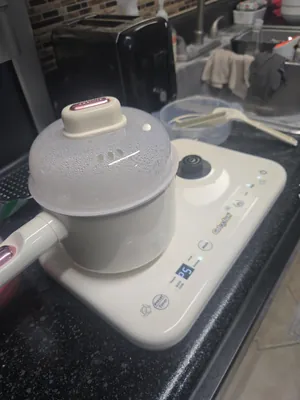
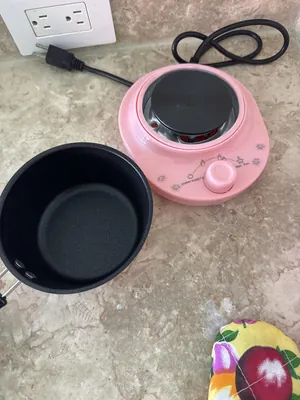
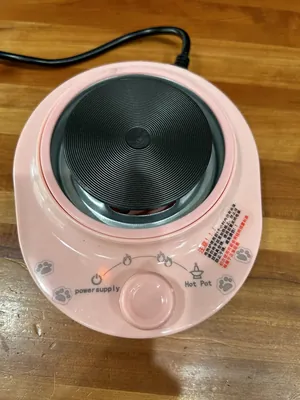
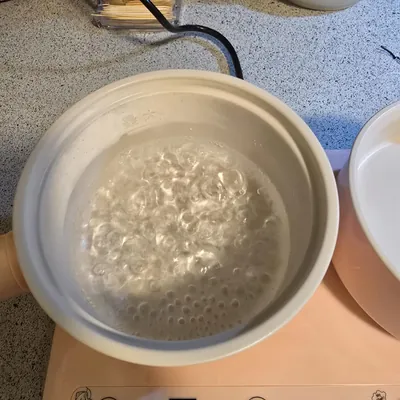
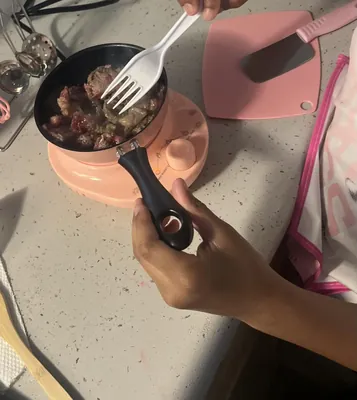
Yes. These sets are marketed as safer, but they are working appliances. One buyer wrote that the burner is a real one that boils water quickly and that children need supervision the whole time. Another warned that it gets as hot as an adult-size stove. Buyers also say a burner can take about 10 minutes to cool enough to touch, and for one household around 30 minutes. A parent of a 5-year-old said even the lowest setting was hot, hesitated to use higher settings because plastic surrounds the burner, and advised unplugging the unit once it has cooled.
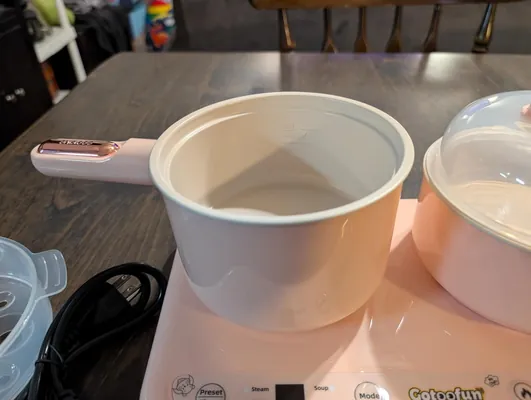
Experiences with the pots differ by set. One buyer of a dual-burner model said the sides and handles of the pots stayed only mildly warm and that the lid steered steam away from the child's face. Another said the sides do get hot, just less than on a regular stove. The listings for these sets recommend ventilation and keeping them away from flammable items. Read the cooktop's own instructions before the first use, and expect a first-use smell: one buyer described an unpleasant odor that eventually faded.


Does a burner guard make a cooktop safe?
Two things are worth building into the routine. First, a guard around the heating element, if the set has one, lowers the chance of a hand touching the burner itself. One buyer noted that the cover in their set fits over the pot to keep small fingers off the burner, and another wished the guard were half an inch taller. A guard does not stop a child from touching the hot side of a pan. Second, treat the wait afterward as part of the recipe: the burner and pans stay hot, so the child sets up the cleanup spot while it cools and an adult handles moving anything hot.
What knife can a beginner use safely?
A real cutting job teaches more than almost any other kitchen task, and the Academy's guide builds up to it: blunt kitchen shears at ages 5–7, peelers at 7–9, and slicing or chopping with supervision at 9–12. It also lists knife handling among the skills to check before a child works alone.
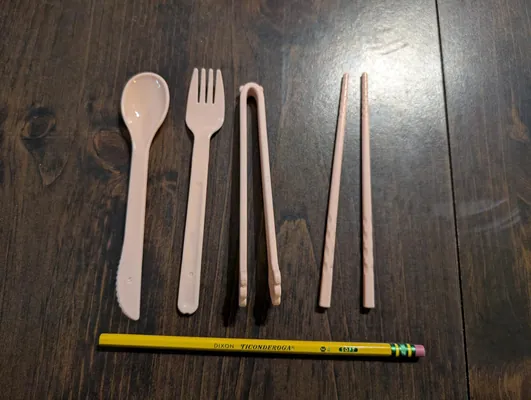
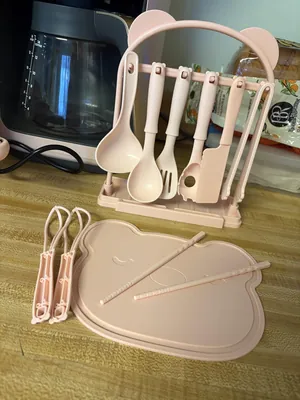
Soft foods are the right place to begin: a banana, a cooked potato, a cucumber, a mushroom, a strawberry. Put a damp cloth under a sturdy board so it can't slide, show them how to curl the fingers of the hand holding the food, and hand a knife over handle first. Some kits offer serrated plastic or nylon blades, and buyers say these cut soft produce without being sharp. One parent called that the big selling point; another said the knives didn't cut well enough to teach proper technique to a 4-year-old.
Metal blades in cooktop sets draw mixed reports. Buyers called the small cleaver dull in some sets and "quite sharp" in another. One buyer who has taught children's cooking classes wrote that it won't slice a hand when run along the edge but could hurt fingers if it slips under force. The sensible conclusion is that a child's knife still needs an adult watching.
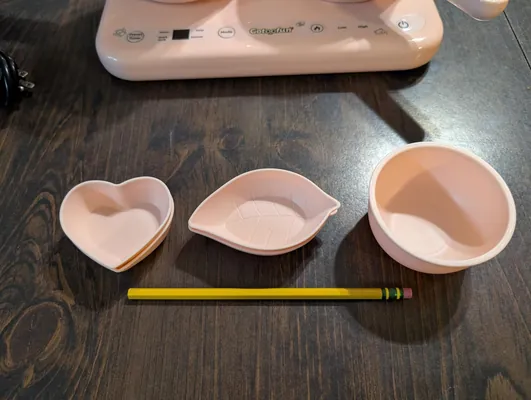
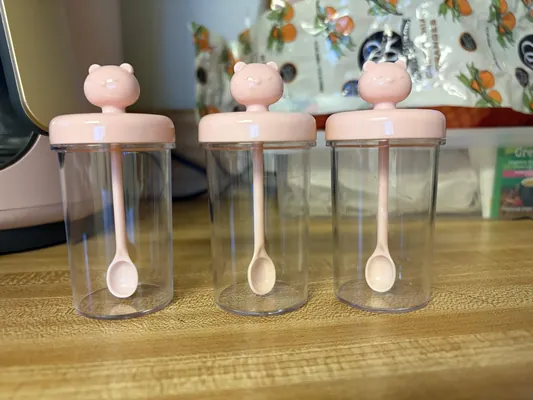
What can a kid make on their own first?
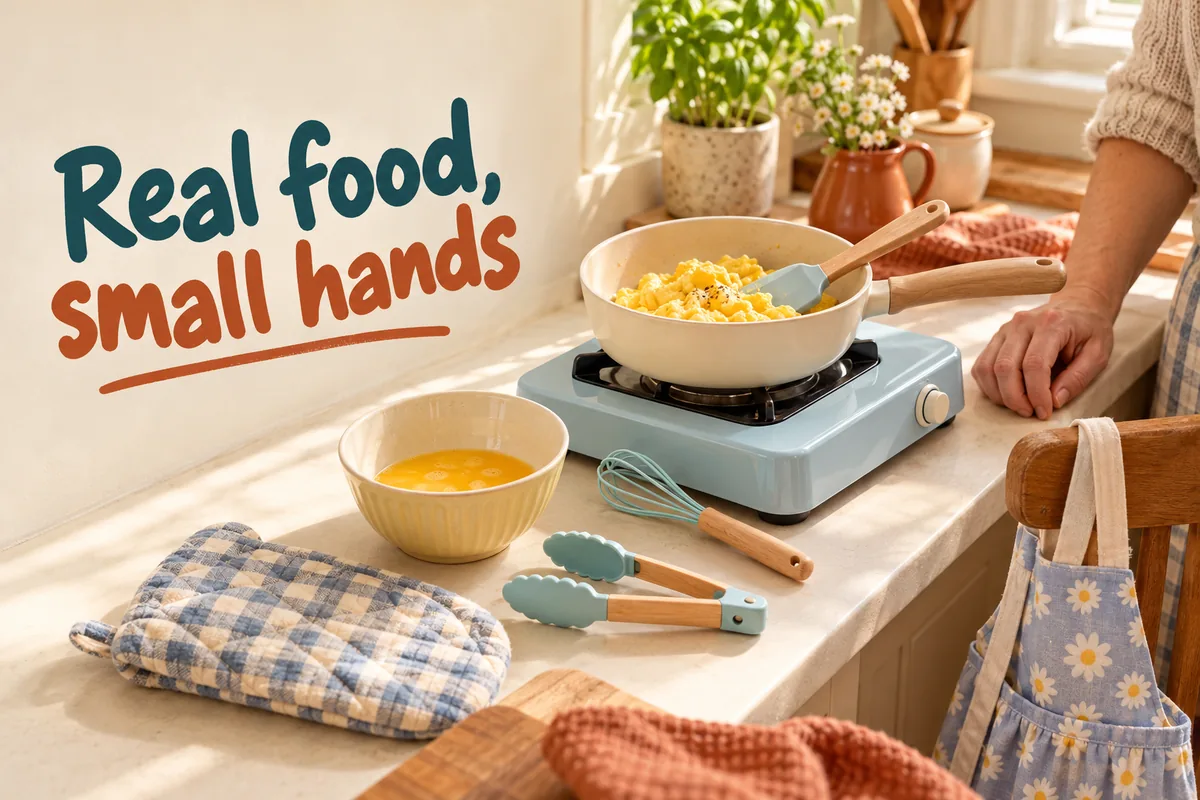
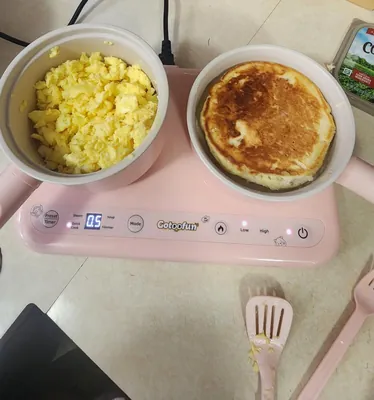
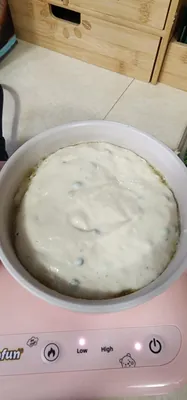
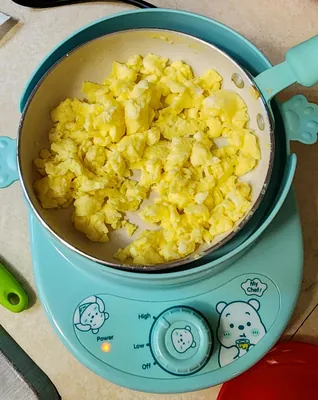
Choose recipes with few steps, one pan, and food that is forgiving. Scrambled eggs, pancakes, buttered noodles, small quesadillas, and steamed vegetables fit the bill, and they are the dishes buyers mention most. One parent says a 9-year-old now makes pancakes, chorizo, and eggs on Saturday mornings. Another says a child who was wary of heat is more confident after three weeks of pancakes, spaghetti, and omelets.
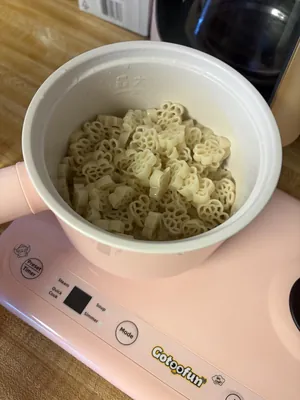
Expect small portions and slower cooking than a full-size pan. Buyers say the pans hold about one egg or one tiny quesadilla, so older children may need to cook in batches. One buyer found the burner slow and the pan only big enough for one egg, so breakfast took a long time.
Cooked meat and eggs deserve a thermometer rather than a guess. The Academy's guide has 7- to 9-year-olds check meat with a food thermometer, and Cornell Cooperative Extension notes that color alone is not a reliable sign; pink cooked pork, for example, does not tell you whether it is safe. Raw meat is a good job to leave to the adult at first, because it brings in handwashing and a separate cutting board.



How do you teach measuring and mixing without a big mess?
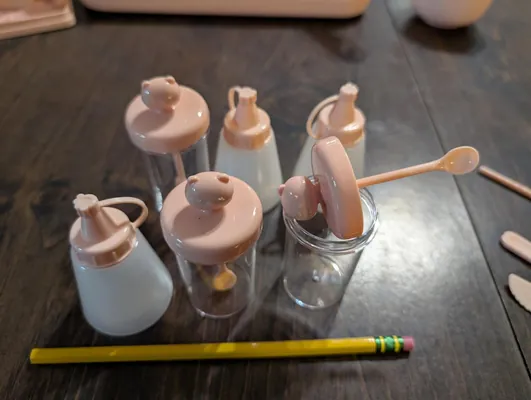
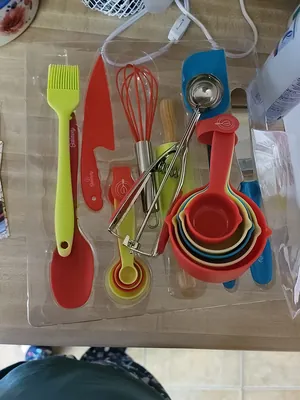
Measuring is the easiest place for a young cook to do real work with no heat at all. The Academy's guide gives mixing batter to 3- to 5-year-olds and following a recipe with accurate measuring to 9- to 12-year-olds. A few habits help at any age. Line up every ingredient in small bowls before starting, work on a rimmed tray, and crack eggs into a separate bowl so a shell never lands in the batter. Picture recipe cards, which some kits include, help children who are still learning to read.
Tools sized for small hands also matter. Buyers of baking sets like the bright, easy-to-read measuring cups and the right-sized whisks and spatulas. They also report weak spots worth checking on arrival: a whisk that fell apart on first use, a hollow handle that held dishwater, silicone peeling off, and missing pieces. Count the contents when you open the box and test the whisk before the child starts.
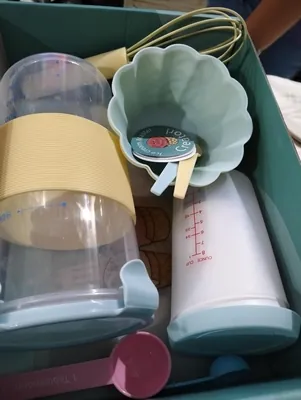

Are cooking kits that include ingredients worth it?
Kits take the shopping and measuring off the adult, so they suit a single afternoon project. They are weaker as a way to build skills over time, because the consumables run out. Buyers split on value: some said the pre-measured ingredients and picture cards let two tweens finish a project without any help, while others said they could have bought a mold and a mix for half the price.
What goes wrong with kits, and how do you avoid it?
- Read the allergen notice in the box. Two buyers with children who have nut or peanut allergies said the printed notice in one kit said it may contain nuts, which differed from what they had read in the listing. Check the printed ingredients before anyone tastes.
- Melt chocolate gently. Several buyers burned the chocolate in the microwave. One suggested 50% power, stirring every 30 seconds.
- Let things cool and chill. Buyers say the cake must cool completely before shaping, and the cake balls need at least an hour in the freezer or the sticks fall out.
- Expect to supply some items. One kit's listing includes a shopping list for wet ingredients; one buyer found flour and vinegar missing from the box.








Does a kitchen-science kit teach more than a recipe?
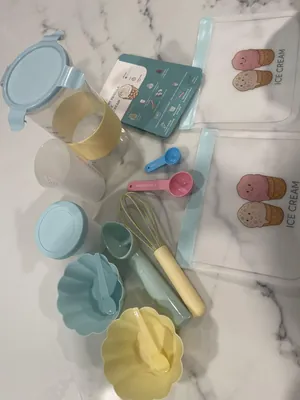
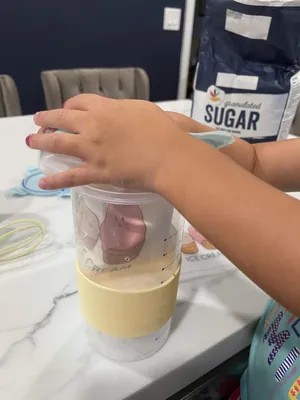
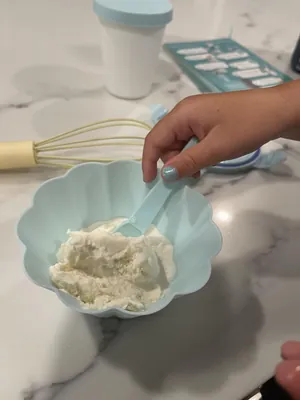
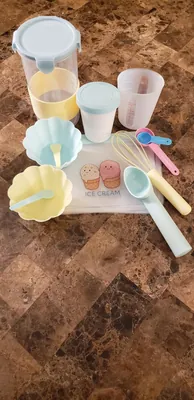
A kit that frames cooking as an experiment can hold a child's attention, and ice cream in a bag is a classic. Buyers of one reusable kit liked the picture cards and the cute bowls and spoons, and one said the picture recipe let their children follow along without reading. They also flagged practical issues: the step of shaking the ice cream takes about 7 minutes, which one buyer thought too long for most kids, some bags and shaker cups leaked, and one shaker cracked. One buyer found that rock salt works much better than kosher salt for the ice bath. The kit doesn't include ingredients.
How do you keep kid-made food safe and the kitchen clean?
The basics from the Academy's guide apply from the very first session. Wash hands with soap for at least 20 seconds, before and after handling food. No licking fingers or spoons, no double-dipping, and no tasting until the food is cooked. After raw meat or poultry, wash hands again and use a separate board for ready-to-eat foods.
Cleanup is part of cooking, and a small sponge in the set makes it a job a child can own. Wash new pieces before the first use: one buyer said theirs arrived dusty from storage. Let a cooktop cool and unplug it before wiping it down, and dry the pieces before putting them away. One set doesn't come with a case, so a buyer keeps the small parts in zip bags.
What does a good first session look like?
- Pick one simple recipe, such as scrambled eggs or pancakes, and read it together before touching anything.
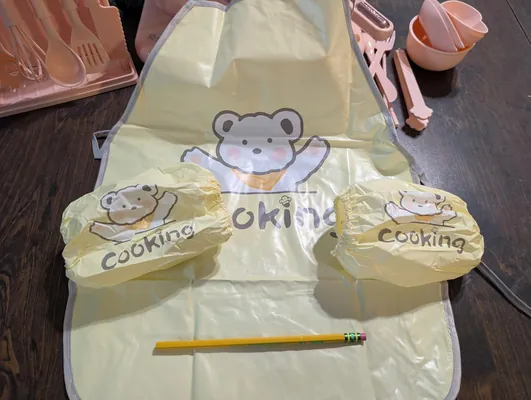
- Wash hands, put on the apron, and set out every ingredient and tool in bowls and on a tray.
- Give the child the cracking, measuring, and stirring. Keep a hand near the pan and the heat dial.
- Decide who turns the burner on and off, and who moves hot pans. Say it out loud.
- Eat what they made, then have them wash up while the cooktop cools.
None of this requires a special set. A stable stool, a sturdy board, a pan on your own stove, and you at the child's elbow will get a motivated kid there. A kid-sized set is useful when you want the child to have their own space, small tools, and a whole recipe to run, and the heat and sharp edges still belong to the adult's supervision.