In this article
A copper peptide serum is a lightweight liquid or gel, often blue, that people add to a routine hoping for smoother, firmer-looking skin and sometimes fuller-looking hair. The short, honest version: there is real laboratory interest in the ingredient, but the human studies behind the big promises are thin, so the best approach is a gentle, patient trial. Patch test first, use a few drops, keep moisturizer and sunscreen in the routine, and give it several weeks before you judge it. This guide covers what the ingredient is, how to use it without irritating your skin, what not to stack it with, how to read the strength numbers on a bottle, and what to know before putting one on your scalp.
If your feed is full of blue serums and before-and-after photos, it is hard to tell what is science and what is marketing. Here is a practical way to sort it out, built around what the ingredient is, what the research does and does not show, and what people who bought these serums report.
What do copper peptides actually do for skin?
GHK-Cu is a short chain of three amino acids bound to copper. It shows up in skin care because laboratory work suggests it can signal skin cells involved in repair and collagen. A medically reviewed health guide to copper peptides describes the case for fine lines and wrinkles as stronger than the case for hair, and still says more human trials are needed. A 2025 review of GHK in anti-wrinkle products found these peptides active and fairly able to cross the skin, but also noted a surprising absence of clinical studies on them.
In plain terms, it is reasonable to try one and unreasonable to expect a dramatic change. What buyers report fits that. Most comments are about feel: lightweight, hydrating, smoother. A buyer who added one to a routine that already included several other active products said it seems to help fine lines but the difference is not drastic, and a buyer who has used one for six weeks described smoother texture around the eyes and mouth and a slight firming effect on the cheeks.
How long before you can tell?
Many glowing comments are written after a few days and describe how the serum feels, not what it did. Buyers who waited longer, such as the six-week user above, were the ones describing texture. Pick a start date, keep the rest of your routine steady, and take a photo in the same daylight at the start and after several weeks. If nothing has changed by then, that is useful information too.
What about scars and dark spots?
A few buyers credit a serum with lightening scars or dark spots and shared photos. Those are individual stories, and some of the people telling them were using other treatments at the same time. For a scar, a new spot, or a spot that is changing, a dermatologist is the right person to ask.
How do you add a copper peptide serum without irritating your skin?
Start with a patch test. The copper peptide guide above suggests a quick check inside the elbow for about a day, and the American Academy of Dermatology's fuller guidance, as summarized by another health article, suggests trying a face product behind the ear along the jawline for 7 to 10 days. A clean result does not guarantee your face will tolerate it, but it lowers the odds of a surprise.
Then think about where it fits. The American Academy of Dermatology lists the order as cleanse, then treatment, then moisturizer and sunscreen, then makeup, and warns that too many products can irritate skin, especially several anti-aging products at once. A serum is a treatment step, so it goes on clean skin before your moisturizer.
- Use a few drops on clean skin, pat it in, and let it settle for a minute before moisturizer.
- Many buyers used it at night only. Starting with one application a day lets you see how your skin responds before adding a second.
- Keep sunscreen in the morning routine. A serum does not replace it.
- Add one new product at a time, so you know what caused a reaction if one happens.
What should you not use it with?
The copper peptide guide advises against using copper peptides at the same time as retinol, vitamin C, or alpha hydroxy acids, and the listing for the first serum below says to avoid direct acids, retinoids, and strong antioxidants. Buyers do not all follow that: one applied a vitamin C serum a few minutes after theirs, and another used it alongside a prescription retinoid. If your routine already has those, a simple compromise is to put the copper peptide serum in a different part of the day or on different nights.
Read the whole ingredient list, too. One buyer who checked the ingredients on a copper peptide gel reported that it also contained retinol and retinal, which changes the advice above.
Buyers called it lightweight and gentle, and several with sensitive or mature skin had no reaction. Others noted a slightly tacky feel until moisturizer goes on, a faint metallic or rust-like smell that fades, and a reddish-brown buildup at the edges of the face and hairline. One buyer with fair skin said it dried pink, and one reported red, cracked skin around the mouth, so go slowly. Several said the results were subtle.
Why is it blue, and can it stain?
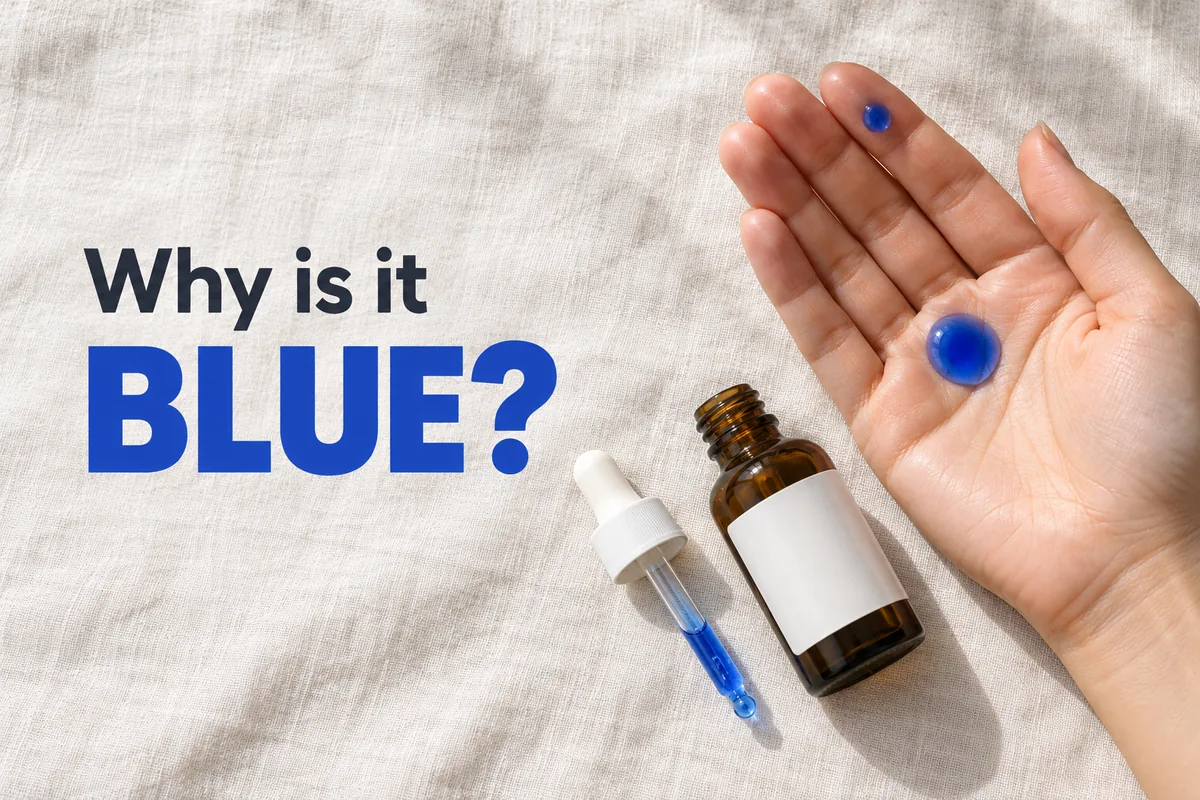
Copper peptides are naturally blue, and one listing notes that color can vary slightly between batches. Most buyers said the blue disappears as it is rubbed in. Some said it leaves a tackiness or tint on cotton pads and at the edges of the face, and buyers with light hair were worried about it staining a scalp or strands, so test a small area and keep it off the hairline at first.
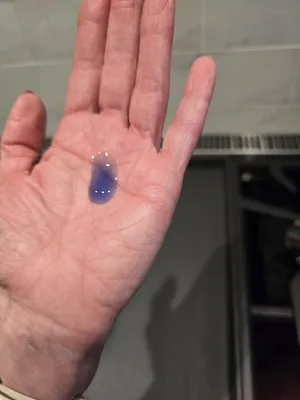
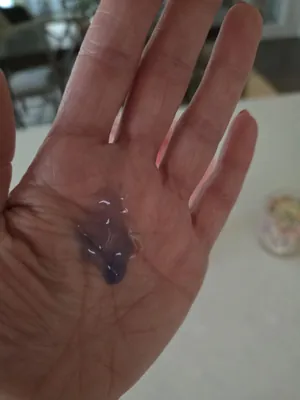
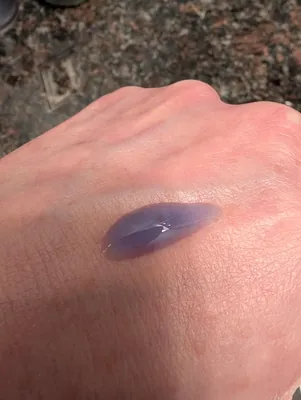
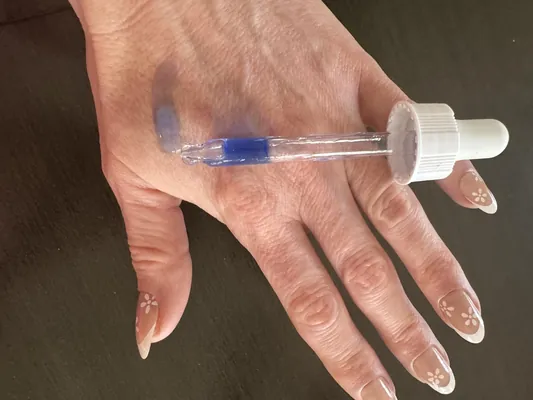

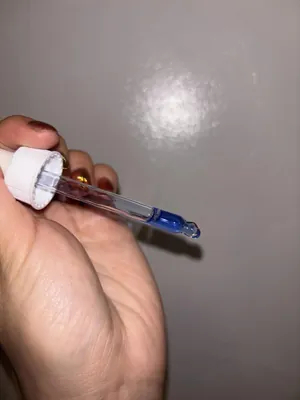
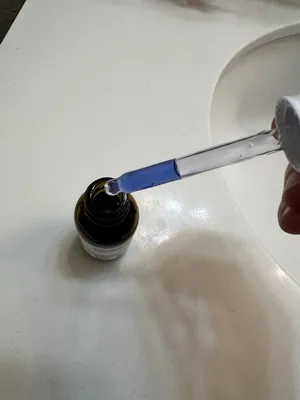
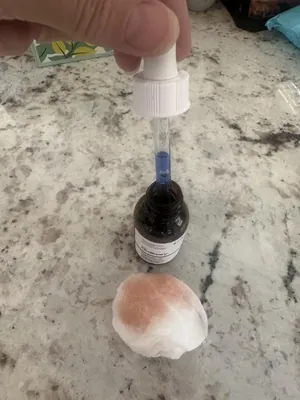
A blue liquid is not the only form. Some formulas are clear gels or lotions, and a very different color from what you expected is worth a second look, as the last section explains.

Does a higher percentage work better?
Bottles describe strength in confusing ways: “1%,” “2% (20,000 ppm),” “4%, 2,400 mg,” or “7,200 mg.” The milligram figures describe the whole bottle, so they depend on its size. A 60 ml bottle at 4% holds about 2,400 mg, and at 12% it holds about 7,200 mg. One buyer of the larger-number scalp serum noted that its packaging claims 12%. Compare percentages with percentages, and bottle sizes with bottle sizes.
Nothing in the sources cited here shows that a higher percentage works better, and a stronger product gives your skin more to react to. For most people, a modest strength used consistently is a more sensible start than the biggest number on the shelf.
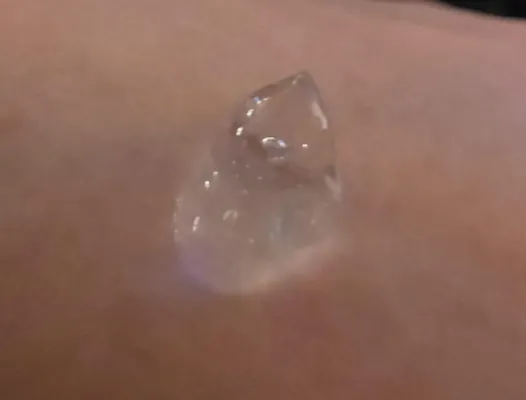
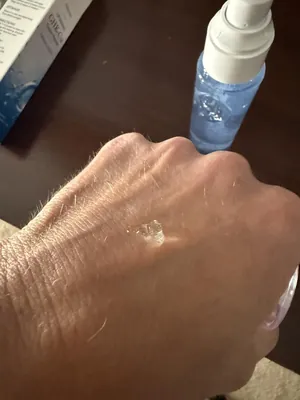
The first of these lists a 2% strength along with hyaluronic acid, niacinamide, and a dropper.
Nearly all the comments are positive and mostly describe how it feels: lightweight, quick to absorb, not sticky, easy to dose with the dropper. Many of them read alike and say little about measured change, so treat them as feedback on texture. One buyer who has used a much pricier copper peptide serum said this one does about as well for them.
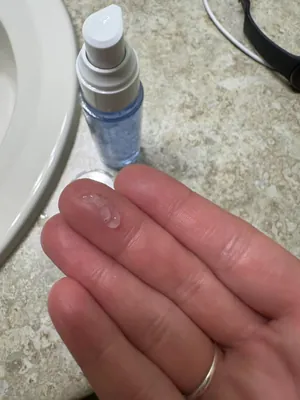
The second lists copper tripeptide with hyaluronic acid, sold in several sizes and multipacks.
Buyers with oily skin liked the silky, non-sticky feel, and one with rosacea liked that it is fragrance-free. Several others found it a little drying and always followed it with moisturizer. Smell varied: some noticed a spicy or cinnamon scent, one a strong metallic smell. A number of buyers said their bottle held less than the stated amount, and one said the pump did not work, so check the fill level when it arrives.
Is a pricier peptide serum worth it?
Not every peptide serum contains copper, and price does not tell you which kind you are buying. The most expensive item in this group is a peptide serum whose listing names other peptides, including hexapeptide-38 and L-ornithine, and does not mention copper peptides. It is a different product with a different job.
Buyers were split. One said it transformed their skin, another saw subtle changes after three to four months and still found it worth the price, and a third thought the promises are somewhat overhyped. One said it is very expensive and switched to a drugstore light cream they found just as effective, and another called the price outrageous for the amount. A modest-price copper peptide serum and a premium peptide serum are not interchangeable, so decide what you are shopping for first.
What if your skin is sensitive or dry?
If your skin is dry or reactive, keep the routine simple: patch test, add the serum on its own for a couple of weeks, and stop if you notice redness, itching, or burning.
This listing describes a pump-bottle gel with 2% copper peptides, ceramide, niacinamide, and panthenol.
Buyers said it felt cooling and light, one with easily irritated skin found it gentle, and one with mature, dry skin liked that it absorbs quickly. One felt it tacky at bedtime but plump by morning. Its listing is new, with only a couple dozen ratings, and comments suggest slightly different versions are sold under it, so read the ingredient list on the one you receive.
Can copper peptides help with thinning hair?
The case is weaker for hair than for skin. The copper peptide guide points to early laboratory work and says human studies are needed. If you are losing hair, the American Academy of Dermatology recommends seeing a board-certified dermatologist for an accurate diagnosis. It says minoxidil can help early hair loss but cannot regrow an entire head of hair, results usually take about 6 to 12 months, and the benefit stops if you stop applying it. A scalp serum is an extra step, not a diagnosis or a replacement for that conversation.
Buyer feedback is also hard to read. Some report fine new hairs or more volume after weeks to months, but some were also using minoxidil, so it is impossible to say what did what. Others are still waiting. The practical complaints are clearer: a sprayer that stopped working, a serum that stained the scalp, buyers with blonde hair who worried about it staining, and bottles that arrived partly empty.
How much should you use on the scalp?
Less than you think. One buyer who used the whole dropper at once said it took about half an hour to absorb and left their hair looking oily all day, and another said two to four drops is plenty. A spray bottle can go faster: a buyer with fine hair needed around six sprays to cover thinning spots and said the bottle emptied quickly.
This one lists just two ingredients, distilled water and copper peptides, in a spray bottle. The listing adds that if the sprayer stiffens, you can run the top under hot water to dissolve dried copper.
Buyers liked the lightweight, no-residue feel and the simple ingredient list. One with fine thinning hair said they saw more volume and baby hairs over a bottle's worth, and one said the pump stopped working. Several found their bottle half empty or leaking, one said it stains the scalp and light hair, and one reported white growth floating in a sealed bottle, so check the contents before you spray.
The second adds caffeine, biotin, panthenol, and niacinamide to a dropper bottle. Its listing says the color and the packaging can vary between batches, glass or plastic.
It is a new listing with only 16 ratings so far, so there is little to go on. Buyers called it light, scentless, and non-greasy when used in small amounts, and one with shedding concerns felt they lost less hair in the drain after two months. One was disappointed to receive a plastic bottle instead of glass.
What should you check when the bottle arrives?
Across these serums, a pattern of packaging complaints stands out. Buyers reported bottles that arrived partly empty, open, or leaking, pumps that did not work, and a few found something odd inside: a serum that was completely clear when earlier bottles had been blue, a strong metallic smell, and white particles floating in a sealed bottle.
A short check on day one saves trouble. Make sure the seal is intact and the fill level matches the stated amount, look at the color and clarity, find the batch or expiration date on the bottle itself, and take a quick photo before you open it. Do not use anything cloudy, with floating particles, or with an unusual smell, and return it if so.
If this is your first copper peptide serum, keep it simple: one product, a few drops at night, moisturizer and sunscreen as usual, and at least a few weeks before you decide.