In this article
The right rechargeable pocket flashlight is the one you will actually carry and that does the job in front of you: a beam shaped for the task, a size and weight that does not annoy your pocket, and brightness modes that do not drain the battery or burn your hand. A big lumen number alone tells you none of that. This guide covers what lumens and beam distance really mean, flood versus spot beams, size and carry, the extra lights (UV, green beam, red) and how to use them safely, charging and water ratings, and what to check when the light arrives.
Flashlight listings love big numbers: 1,500, 2,000, even 3,100 lumens. Those numbers matter less than they look, and the features that decide whether you keep using a light, such as weight, switch, clip, and beam, rarely make the headline.
Do you need 1,500 lumens or more?
Maybe, but lumens are only one number. They describe the total light a flashlight puts out, not how far it reaches or how it feels to use. In the industry's voluntary FL1 standard, as one outdoors site explains it, light output is measured 30 seconds after turn-on with fresh batteries, beam distance is how far the beam still delivers 0.25 lux, peak beam intensity is measured in candela, and runtime is counted until output falls to 10% of its starting level. Two lights with the same lumens can throw very differently.
The top mode is also not where you will live. Listings are candid about the tradeoff: one lists about 1 hour 53 minutes on its 1,600-lumen turbo setting, 9.5 hours on medium, and 59 hours on low, and another lists 260 hours on low. Buyers say the same. Some who carry these daily said they spend most of their time on the lower settings, and one who compared a 1,700-lumen model with an earlier one said 300 more lumens did not make much of a difference to them.
Why does it get hot?
Buyers of several models said the light gets warm or hot at maximum output, one said the LED can burn your hand, and another said the battery drains fast on full brightness. That is normal for a small, bright LED in a metal body. Use the top setting in short bursts, and use a lockout mode if your light has one so it cannot switch on in your pocket.
Flood or spot: which beam do you need?
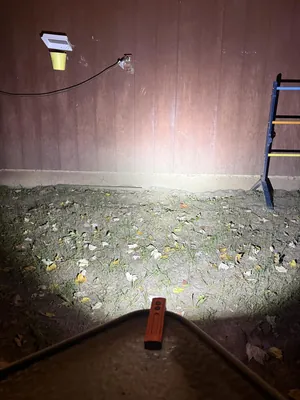
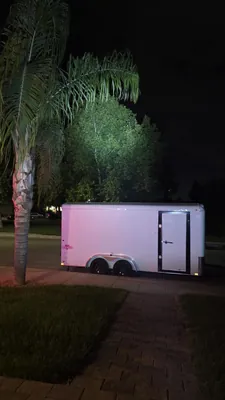
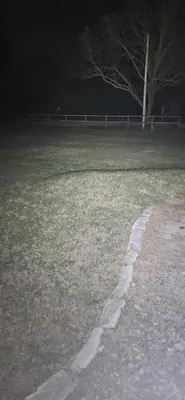
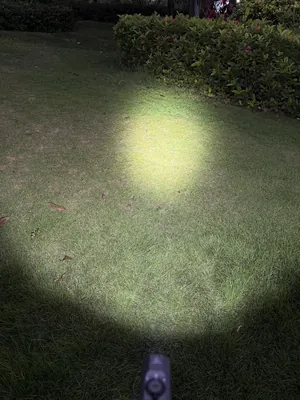
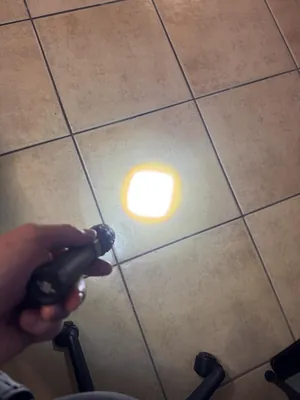
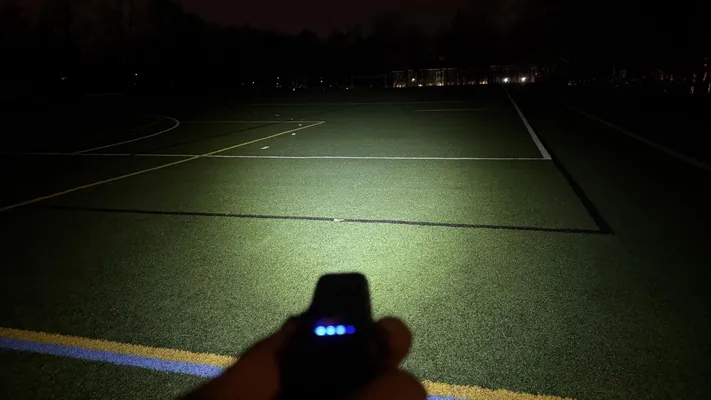
A flood beam spreads soft light wide, which suits walking around the house, a campsite, or a car interior. A spot beam concentrates light to reach distance. Several of these lights give both. One lists a 1,500-lumen flood beside an 800-lumen spot with a stated reach of 205 meters, and buyers said they use the flood most of the time and save the spot for distance. One said the flood on their light lit up an entire park, and another liked how a wide flood lights a camp table.
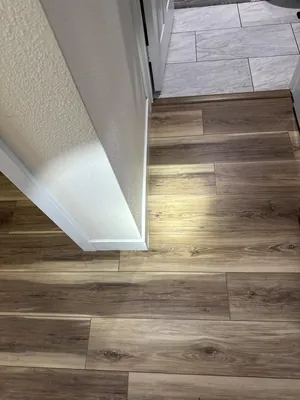
Color temperature matters too. Some models offer a warmer, high-color-rendering tint for close work and a cool white for distance, and buyers who prefer light that resembles an old incandescent bulb praised the warmer options.

Will you actually carry it?
A flashlight left in a drawer is not an everyday light. Flat designs slip into a pocket like a folding knife, but they differ a lot in weight, and buyers noticed. One called a model of about 235 grams too heavy to clip inside a pocket, another said a premium light is heavier and larger than they expected, and a 2.47-ounce light was described as comfortable enough to forget you have it. Check the weight in the listing and picture it in the pocket you use.
Buyers called it light, easy to carry, and bright, and one said it survived being run over. The tail-cap switch means it does not come on in a pocket, and several noticed it gets warm and uses battery quickly at full brightness. One buyer said the plastic parts and design choices do not justify five stars at its price.
What about the pocket clip and controls?
The clip and the switch are what you handle every day. Buyers of two different lights said the clip screws pulled out or failed within weeks, and one said the tiny self-tapping screws go into plastic. One buyer called a dial control clumsy and said drawing and positioning a slim light takes a learning curve. When you try a light, tug the clip and work the switch with one hand.
The listing describes five modes, including a strobe, a rear power button, and a dial. Buyers liked how it carries and the battery life, and some use the lower settings most of the day. Complaints include the clip failing within a month, the controls being awkward, and two buyers who received a display unit still attached to its anti-theft device.
Do you need UV, a green beam, or red light?
Many flat lights bundle extra light sources. They are handy if you will use them and dead weight if you will not. UV at 365 nm makes some stains and dyes glow, and buyers used it to check for dye in automotive systems and to find scorpions in the Southwest. Listings also mention pet stains, leaks, and counterfeit currency. Quality varies: one buyer returned a light for weak UV. Red light is described by one listing as a way to preserve night vision, and a green beam is a laser pointer.
How do you use the green beam and UV safely?
Several of these lights list the green beam as 5 milliwatts or less, Class 3R. The FDA says never to aim or shine a laser pointer at anyone, that light from a pointer aimed into the eye can be more damaging than looking at the sun, and that laser beams aimed at aircraft have been linked to flash blindness in pilots. It also advises against buying laser pointers for children, so store a light with a laser out of a child's reach. Buyers used the beam to point out parts, rigging, and stars, which are fine uses.
Treat UV carefully too. One buyer noted that the manual cautions against using the UV light on skin or eyes. No regulator guidance specific to 365 nm flashlights turned up in the research for this guide, so follow the warning printed with yours.

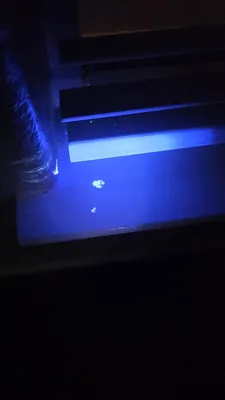
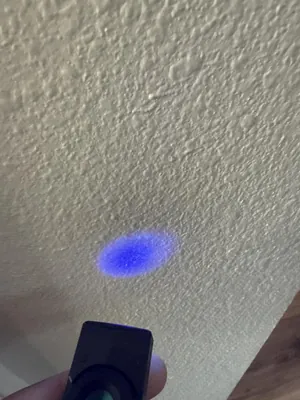
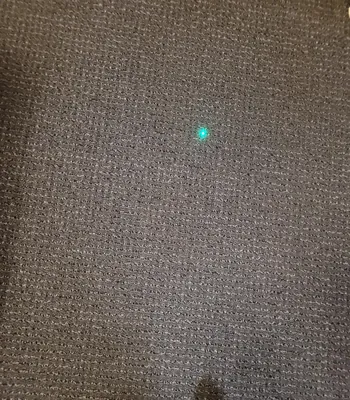
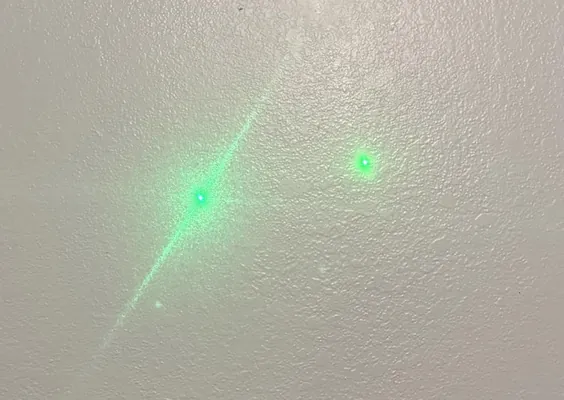
The first two lights below are the most feature-packed, with a flood, a spotlight, UV, and a green beam in a flat body.
Buyers praised the solid build, the battery life, and the usefulness of the UV and laser for work. Some said it is pricey and worth waiting for a sale, one said 300 extra lumens over their earlier light made little difference, and a few thought it a bit heavy or bulky. One buyer worried that sand could get into the switch.
Many buyers called it durable and well designed, with strong battery life and two charging options, and one used it daily at sea. Several said it gets hot, a couple said it is larger or heavier than they expected, and one said the selector dial fell off or failed after dirt got in. One buyer said support did not reply when they asked to buy a replacement lens.
What should you look for in charging, water, and impact ratings?
USB-C charging is the easiest to live with because you probably already own the cable, and a few buyers valued having a second magnetic option. Look at the runtime on the lowest setting rather than turbo, since that is how long the light will hold on to a charge in real use. Charge with the cable the maker supplies or recommends, and follow its instructions.
Water ratings come from the IP code. As the FL1 explanation above puts it, IPX4 means splash-resistant and IPX7 means submersible to 1 meter for 30 minutes, and you will also see IPX6, described in one listing as resisting powerful water jets, and IP67 for dust and rain. An FL1 impact rating requires at least a 1-meter drop, and listings in this group claim anywhere from 1 to 2 meters. Treat the numbers as the maker's claim and test them gently.
The listing gives an IPX7 rating, a 2-meter impact claim, USB-C charging, and 260 hours on low. Buyers said the controls are simple and not over-featured, and one in Arizona used it to spot scorpions on dog walks. A few noted it gets hot on the highest setting, and one buyer's pocket clip failed because the screw heads were too weak. It has only about 120 ratings.
The listing cites a 139-meter beam, IPX7, 1.5-meter drops, and a strong magnetic tail with a two-way clip. Buyers called the magnet strong and the value good compared with pricier lights, though one returned theirs over weak UV, and one pointed to a caution in the manual about the UV light.
What if you want a work light, not just a pocket light?
If you work with your hands, a magnetic base and a side light can matter more than a long throw. A folding side light lets you light a space while keeping both hands free, and a strong magnet lets you stick the light to a metal surface. The tradeoff is weight and bulk.
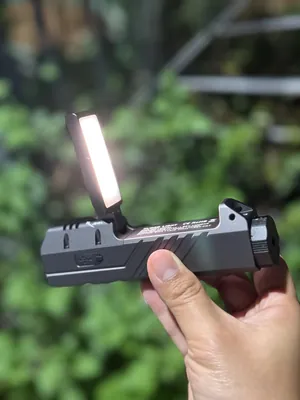
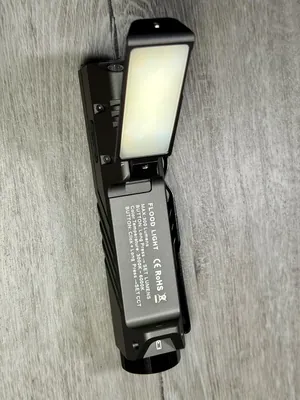
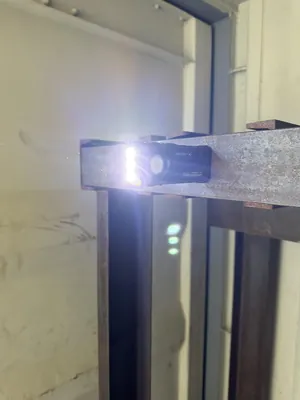
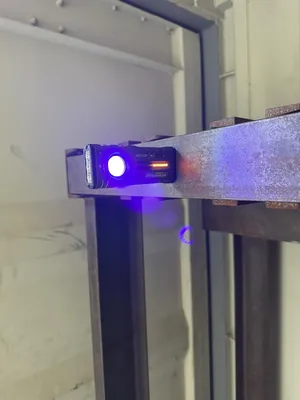
The listing includes a side light that folds and rotates, a magnetic tail, a tripod mount, and a lockout mode. Buyers loved the hands-free lighting and the flood for a camp table, and several said it is too heavy to be a pocket light. One said the side wing would not latch, and one said its brightness was disappointing. One buyer's light seemed dead until they removed a paper tab inside the end cap.
Buyers called it built like a tank for the price and liked the magnet and the stepless brightness control. One said the black light startled them at first, and one received a unit that looked used. The side lights also include colored ambient modes that are more decoration than tool.
Is it worth paying more, or buying two?
Prices in this group run from about $30 to about $130. Buyers who own pricier and cheaper lights split: some said the premium build and battery were worth it, while others said a lower-priced light does the main job just as well. If you want a light for the house and one for the car, a pair is the simplest answer.
Buyers called the pair a good value, with USB-C charging, a metal body, and a runtime near 14 hours on one charge in one report. A few said the lights get warm after long use, one found the power switch hard to locate in the dark, and one said it is pretty standard apart from brightness.
What should you check when the light arrives?
A few buyers across these lights received a display unit or a used one, one buyer's light arrived without its charging cable, and one buyer's selector switch fell off. A short test on day one saves a return later.
- Look for signs of use or a display tag, and make sure the cable and clip are in the box.
- Remove any paper tab or battery insulator, then charge fully.
- Test every mode, including lockout, UV, and any laser, before the return window closes.
- Tug the clip, and check that the end cap and USB cover close firmly.
- Run it on high for a minute or two and note how warm it gets.
If the light feels light enough to forget in your pocket and has a switch you can work one-handed, you will probably carry it. That matters more than any lumen number.