In this article
The most reliable way to keep mice out of a garage, shed, RV, or car is to close the gaps they use, remove what they eat, and trap any that are already inside. Scent pouches, sprays, and ultrasonic devices can add a layer in a sealed space, but independent sources say the evidence for them is thin, so treat them as a supplement and plan to check the space every week or two.
Mice are not picky about where they live. A garage with a gap under the door, a shed full of stored seed, an RV parked for the winter, and the warm engine bay of a car that sits for weeks all offer the same three things: shelter, quiet, and something to chew or eat. That is why the search for a mouse repellent usually starts after you find droppings in a spot you were counting on being clean.
This guide covers what tends to keep mice out of these spaces, where scent pouches, sprays, and electronic repellers can fit, and what buyers report about the ones featured here. The short version is that closing the gaps and removing food does most of the work. Repellents can add a layer in a sealed space, but the independent evidence for them is thin, so it helps to set your expectations before you spend money.
Why do mice keep moving into garages, sheds, RVs, and cars?
Mice look for a protected place close to food and warmth. A garage or shed fits that description even when nobody lives in it: cardboard boxes make nesting material, pet food and bird seed are an easy meal, and clutter against the walls gives them cover to travel unseen. Vehicles and equipment that sit unused are a second draw. An engine bay is dark and still, and the wiring and insulation inside it are things mice like to chew.
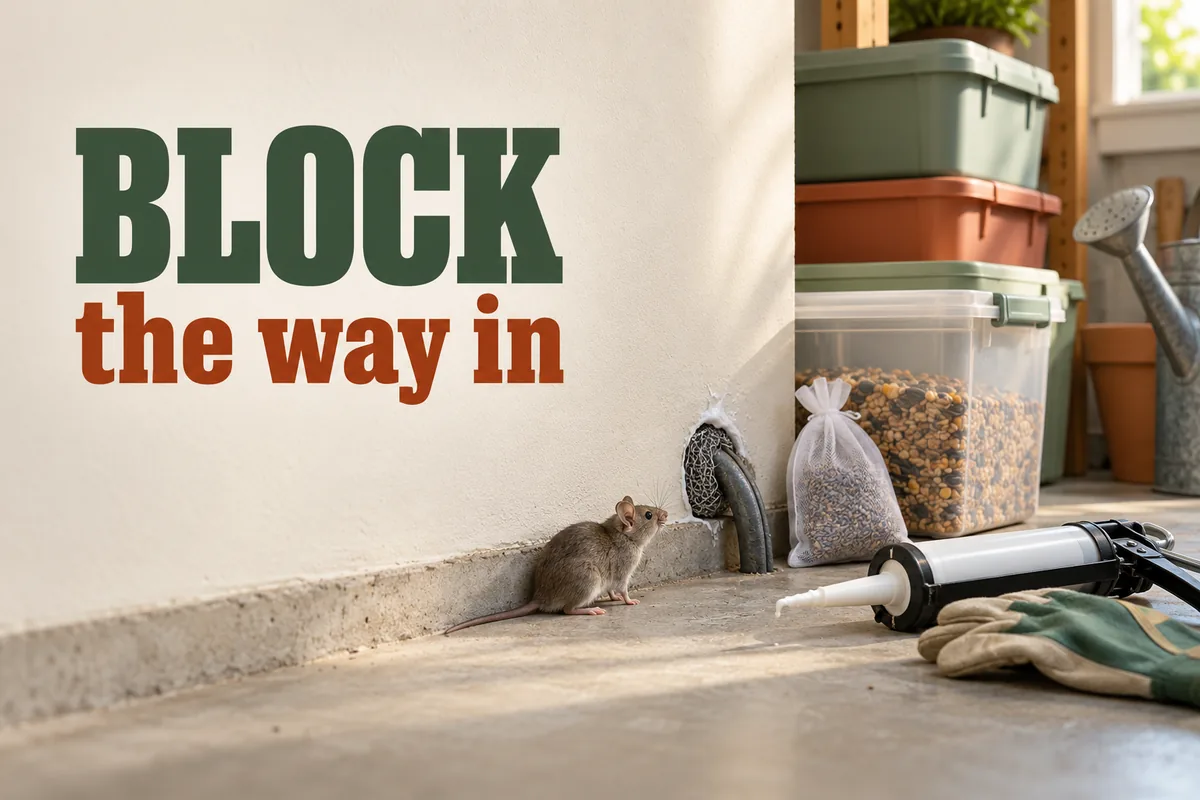
Size is the other half of the problem. The CDC notes that a mouse can squeeze through a gap about as wide as a pencil, roughly a quarter inch. Most people do not notice openings that small: the corner of a garage door seal, the hole where a pipe or cable passes through a wall, a gap under a shed door, or a torn vent screen. If a mouse can get its head through, the rest of its body can follow, so the first job is finding those openings.
What should you do before you buy any repellent?
Work from the outside in. Walk the edge of the garage, shed, or trailer in daylight and look for gaps where two materials meet, where lines enter the building, and along the bottom of doors. Then look inside along the walls, behind shelving, and around the water heater or any pipe that runs through a wall. A flashlight held low and flat along the floor makes small gaps and gnaw marks easier to see.
How do you close a gap mice can fit through?
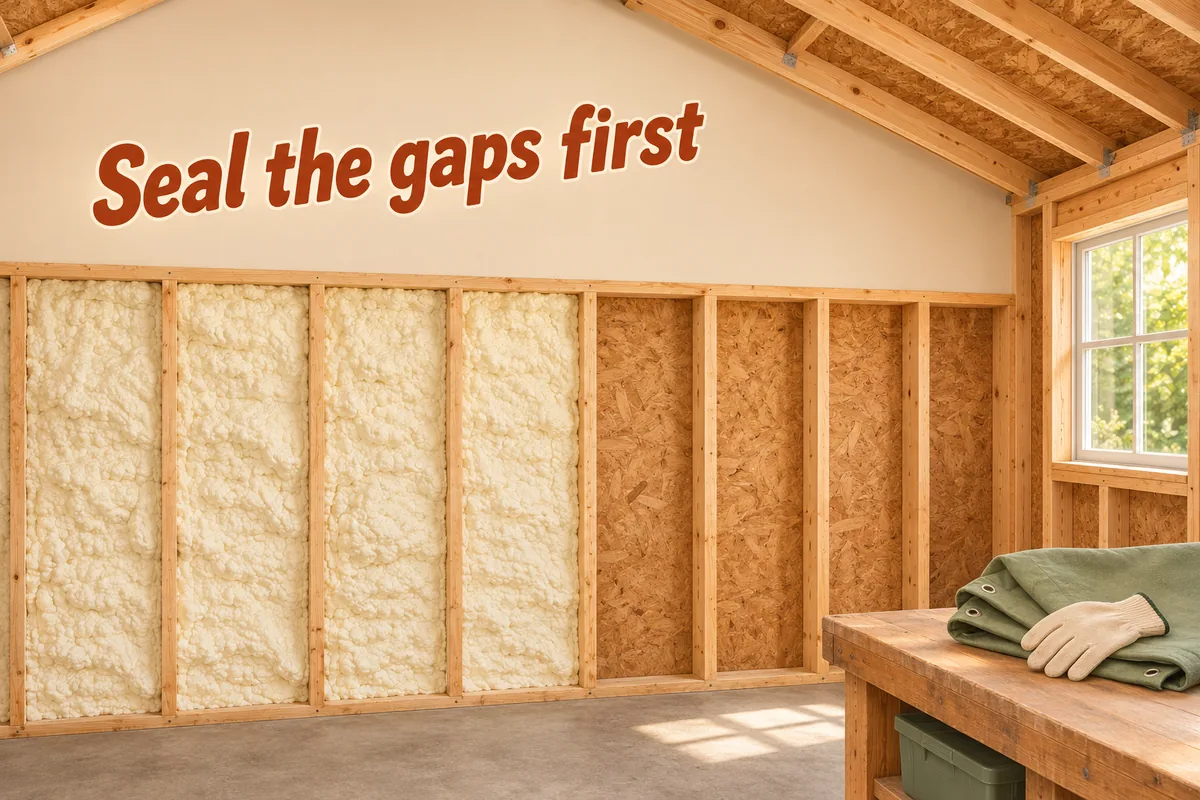
The CDC's seal-up guidance suggests packing small holes with steel wool and then holding it in place with caulk or spray foam, because loose steel wool can be pulled out. For larger openings it points to hardware cloth, metal sheeting, lath screen, or cement, cut to fit around pipes. Weatherstripping or a new door sweep handles the bottom of a garage door. Steel wool can rust where it stays damp, so a damp corner is a good place for a sturdier patch.
Wood, plastic sheeting, and rubber are poor choices because mice can gnaw through them. Anything you seal should be a material that is hard to chew, or be covered by one that is.
What about food, clutter, and the yard?
The CDC's page also covers the habits that make a building less attractive: store food, pet food, and seed in thick plastic, metal, or glass containers with tight lids, keep trash cans sealed, keep woodpiles and brush away from the walls, and put bird feeders away from the building. In a garage or shed that usually means moving seed and pet food into lidded bins and getting boxes up off the floor so there is no hidden nesting spot along the wall.
What if mice are already inside?
A repellent is not a way to remove mice that have already moved in, and the sources that cover mouse control agree on that. UC Integrated Pest Management says snap traps work well as a first step for most situations when they are placed along walls, behind objects, and wherever droppings show up (UC IPM). University of Missouri Extension suggests keeping traps no more than about 10 feet apart where mice are active (Missouri Extension). Set traps first, seal the entry points as you find them, and bring in a repellent afterward if you want an extra layer. For areas you cannot reach or clean yourself, the CDC suggests hiring a pest control professional.
Do mouse repellents actually work?
It depends on the type, and the honest answer is that nobody has shown they work reliably. UC IPM says high-frequency electronic devices are not effective for house mice, and its page on deer mice says commercial ultrasonic devices do not repel them and chemical repellents are not effective enough to justify their cost (deer mouse page). Missouri Extension adds that ultrasonic sound is directional, does not pass behind objects, and fades quickly with distance, which is why it has limited use in a real building.
Peppermint products are a different story in one respect: people like the smell, and plenty of buyers describe quiet winters in a camper or shed. Others write that mice ignored the pouches, tore them open, or left droppings right beside them. Both reports can be true, because a pouch in a sealed storage compartment is a different situation from one in a leaky garage with a bag of seed on the floor.
So a reasonable way to use these products is as one layer in a space you have already closed up, not as a replacement for sealing or trapping. Here is what that looks like in practice:
- Good fit: a closed cabinet, a sealed storage area, an RV or trailer you are putting away for the winter, or a car or tractor parked for weeks, after you have cleaned out any old nesting material.
- Poor fit: a drafty, open garage; an area where mice are already active and food is within reach; or any space where you plan to rely on the repellent alone.
How will you know whether it is working?
Give it a trial instead of assuming. Clean the area, note where droppings or gnaw marks were, and check weekly. Fresh droppings, shredded nesting material, or a new chewed spot after a couple of weeks means the repellent is not enough on its own, and it is time to trap and recheck your seals. A scent that fades also loses whatever effect it has, so mark a replacement date on the calendar when you place the pouches.
How do peppermint pouches fit in, and where should they go?
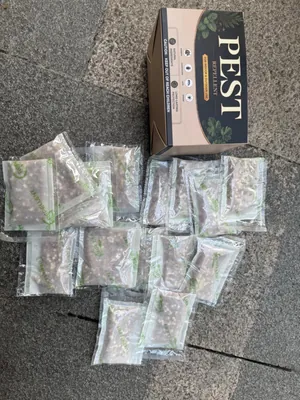
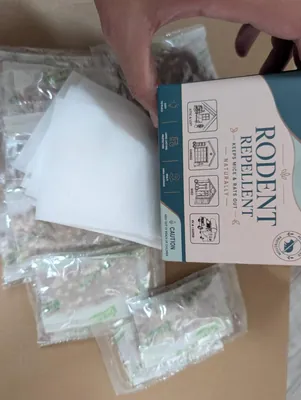
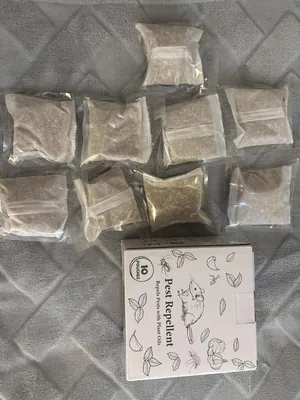
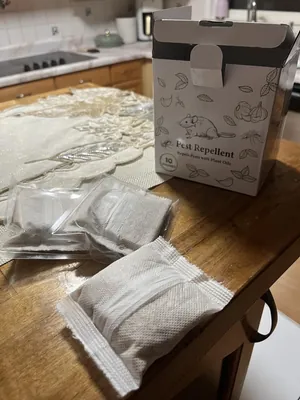
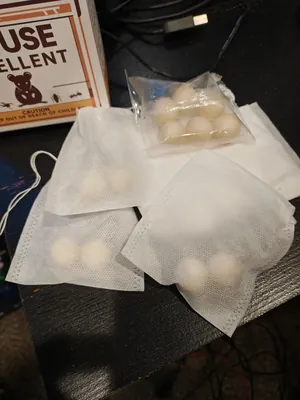
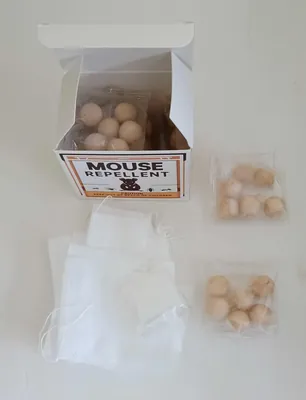
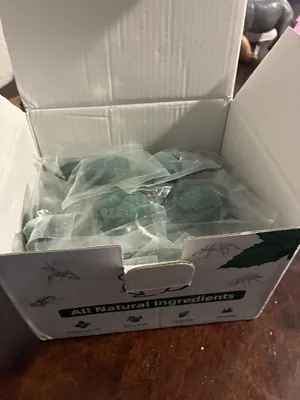
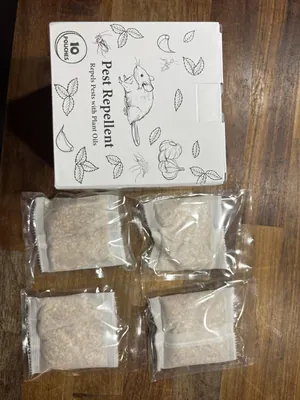
Scent pouches are small sachets filled with peppermint or similar plant oils. The listings for these products tell you to open them and place them along walls, in corners, and in enclosed spaces, away from wind and strong airflow. Most multi-packs come as sealed pouches plus mesh bags, so open one only when you are ready to place it, because the scent starts releasing once it is out of the wrapper.
Where do the pouches help most?
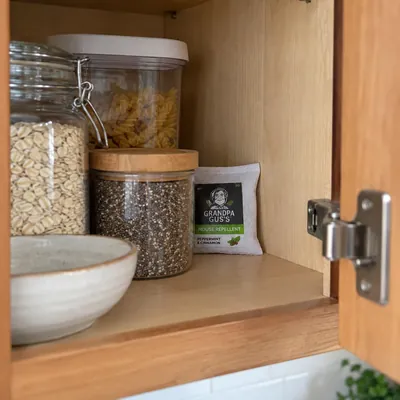
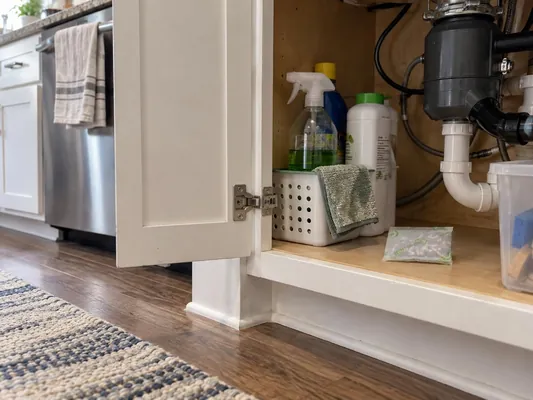
Place them where mice travel and where the air is still: against the wall at the back of a cabinet, behind a stored box, beside a pipe opening, in a drawer, or in a corner of a closet. Spread them out rather than clustering them, since each one only covers a small area. One listing for a ten-pouch pack says each reaches about 145 square feet, and a 24-piece pack from the same seller says 120 square feet. Those are the seller's figures and likely assume a closed room.
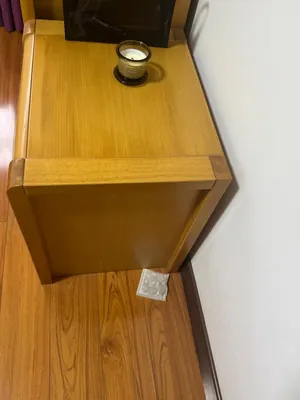
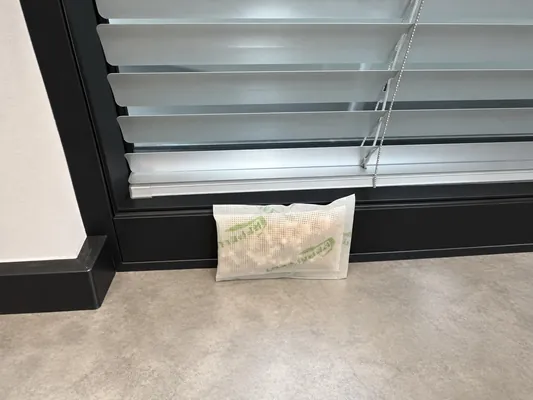
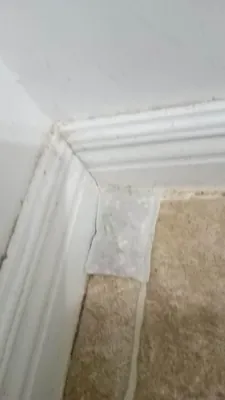
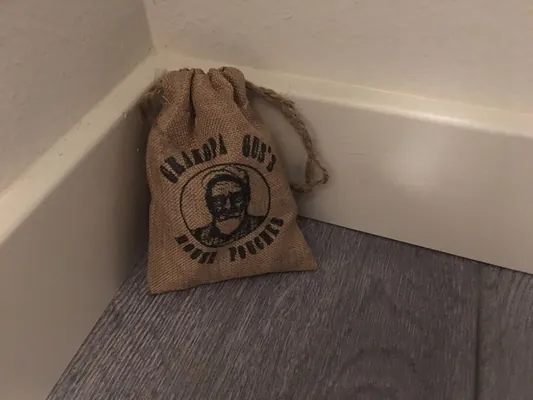
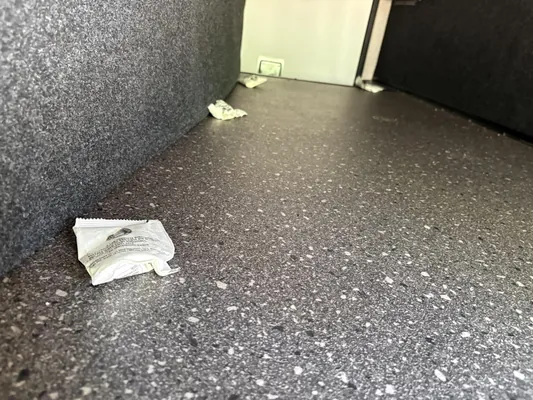
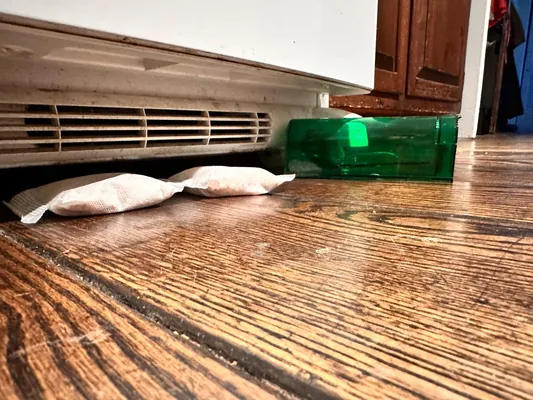
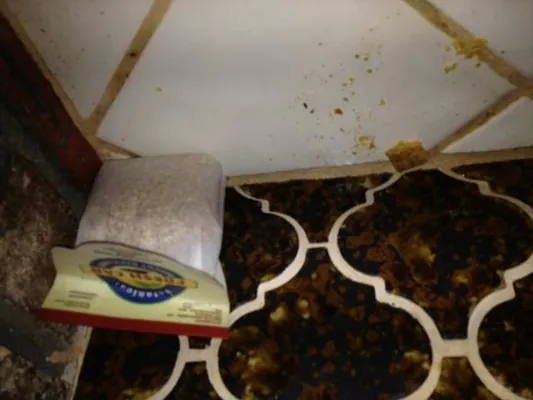
How long does a pouch last?
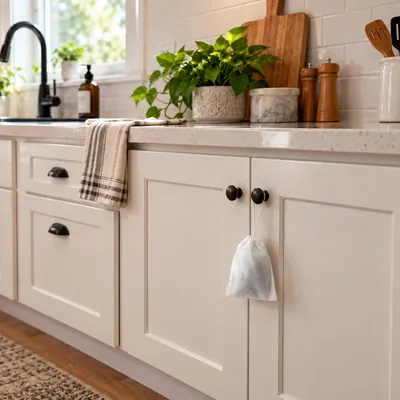
The manufacturers disagree, and none of the figures were tested here. The two packs above list about 30 days. Other sets in this guide claim 60 to 90 days under normal conditions, and say that airflow or humidity shortens that. Whatever the label says, plan to check the scent every few weeks and replace a pouch once you can no longer smell mint when you hold it near your face.
Can the oil damage what the pouch sits on?
It can, according to several buyers. A few wrote that peppermint oil leaked from a pouch or ball and marked a plastic table, a cup holder in a piece of equipment, or other plastic. Treat a pouch like a small oil source: set it on a scrap of foil or a dish, or hang it from a hook, instead of leaving it on finished wood, painted trim, vinyl, or plastic. The pack of scent balls below is the one buyers mentioned this about most, and they also noted that the scent is strong.
Buyers disagree on results. One wrote that the balls ended a mouse problem in a garage within two days after ultrasonic plug-ins did nothing, while another watched a mouse push one aside, and a third reported rats rebuilding a nest in an ATV within a week.
How do you protect an RV, boat, or stored vehicle over the off-season?
Stored vehicles are one of the situations where buyers report the best outcomes, probably because the space is small and closed. The steps matter more than the product. Clean out crumbs and food, throw out soft nesting material, and seal the obvious entry points around hitch wiring, vents, and utility lines. Then spread a few pouches around the inside, in compartments, under seats, and along the storage bays, and check back during the season.
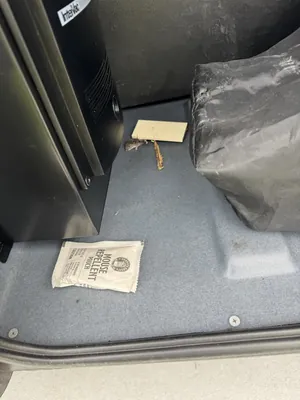
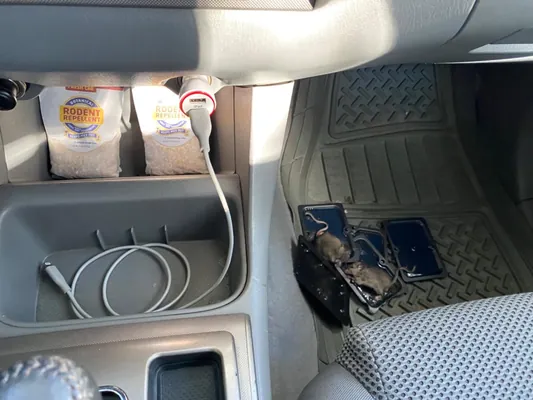
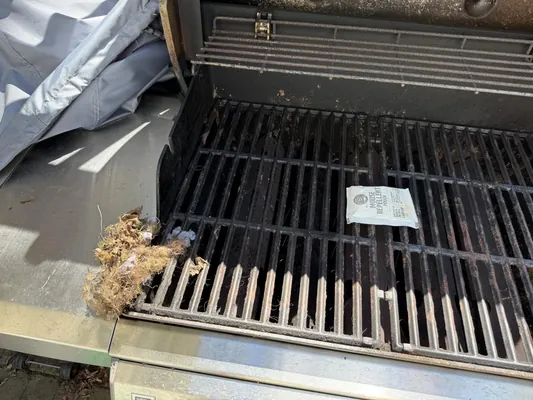
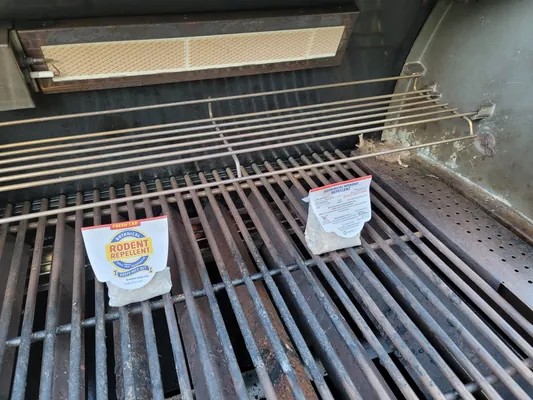
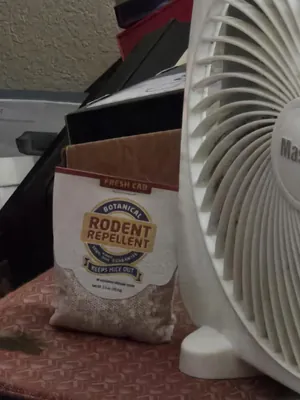
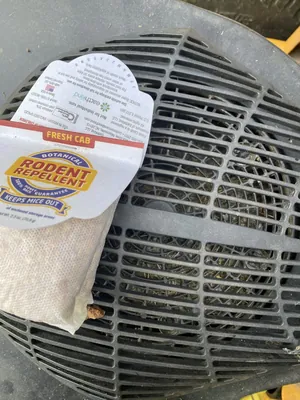
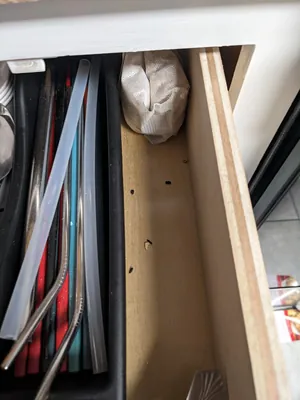
A few details are worth planning for. Pouches go in before long storage and come out when you take the vehicle out of storage or when the scent fades. Open compartments let the scent escape faster, so tight spaces make the best use of it. Take food, pet treats, and anything else mice would eat back into the house.
What about mice in the engine bay?
Gnawed wiring is the reason many people look for a repellent in the first place. A vehicle that sits for weeks gives mice time to build a nest on top of the engine or in the air intake, and the damage can be expensive. A few habits cost nothing: park away from tall grass, brush, and woodpiles, keep food and wrappers out of the cabin, and look under the hood for leaves, shredded paper, or droppings whenever the car has been parked for a long stretch.
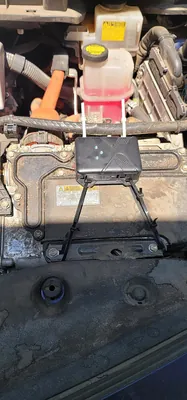
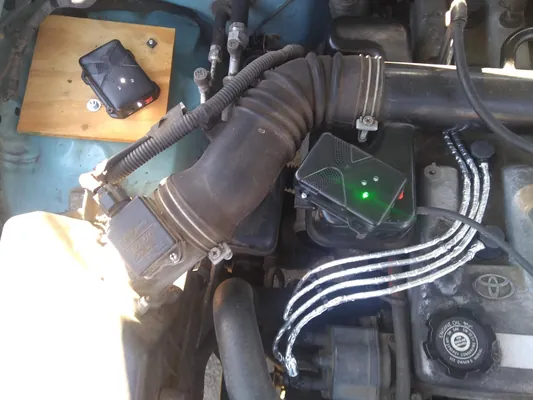
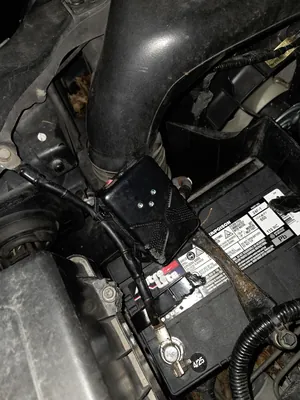
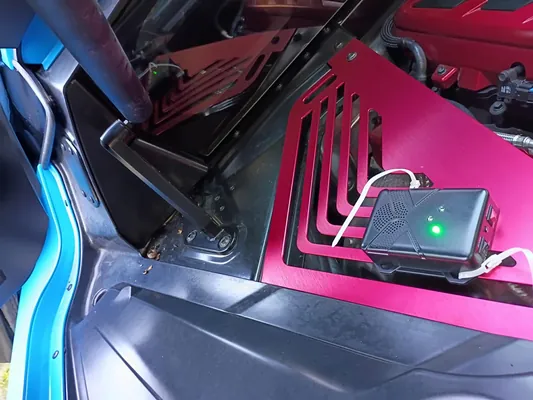
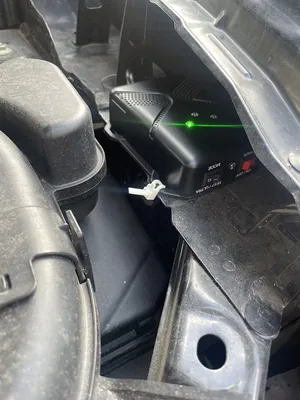
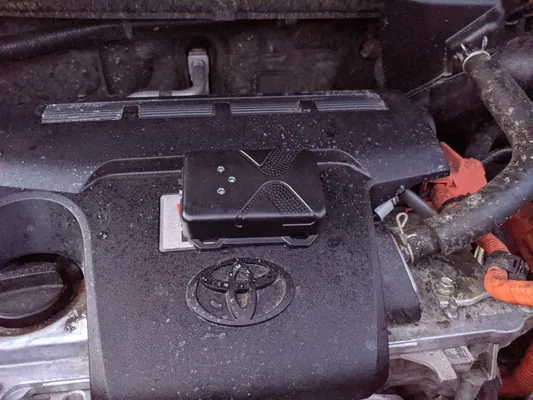
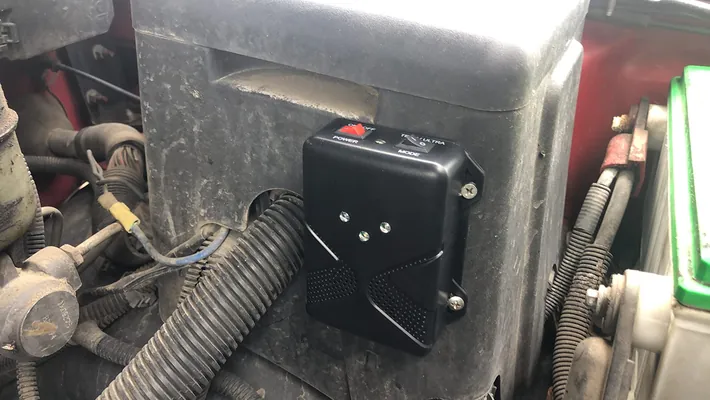
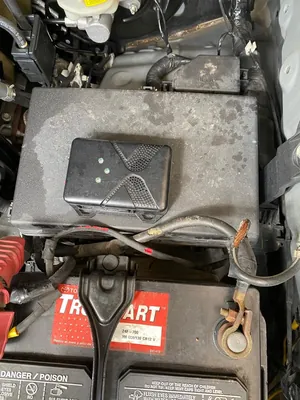
Some people add an electronic deterrent under the hood. This type of unit combines ultrasonic sound with flashing lights, and the listing says it runs on three AA batteries and powers down while the engine is running. Buyer feedback is divided: some report no squirrels or rats near the engine since installing one, and others report chewed wiring or nests even with two units in place. The units in the photos below are mounted near the battery, along the fender, or on top of the engine cover.
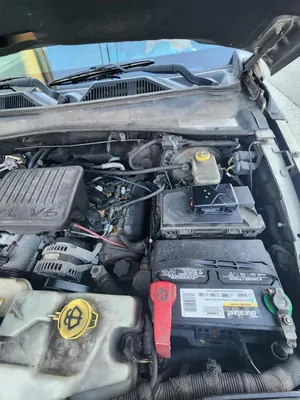
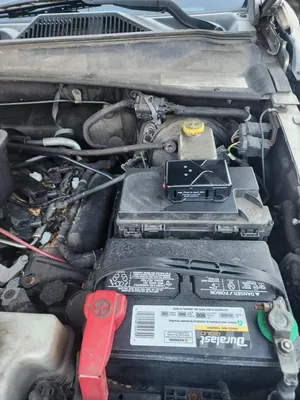
Is a peppermint spray worth using?
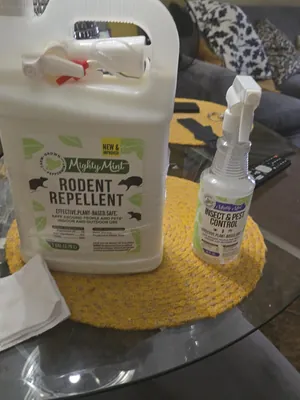
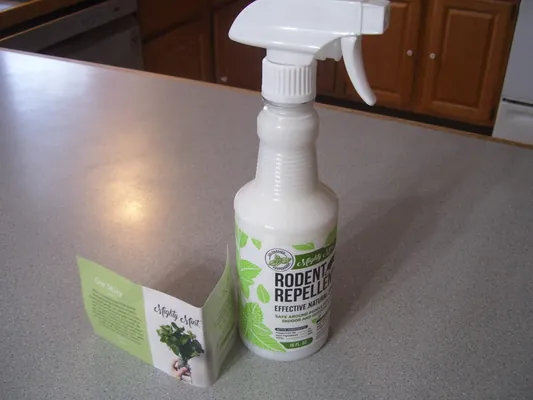
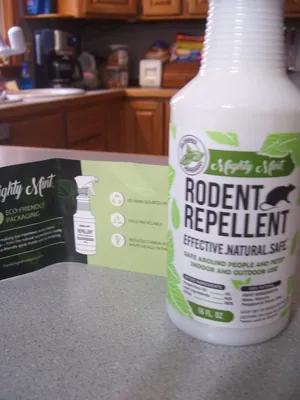
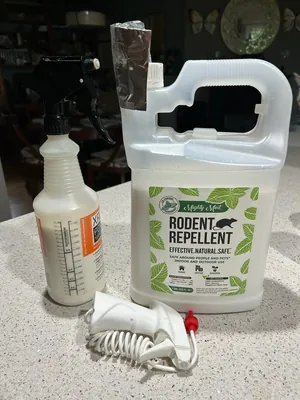
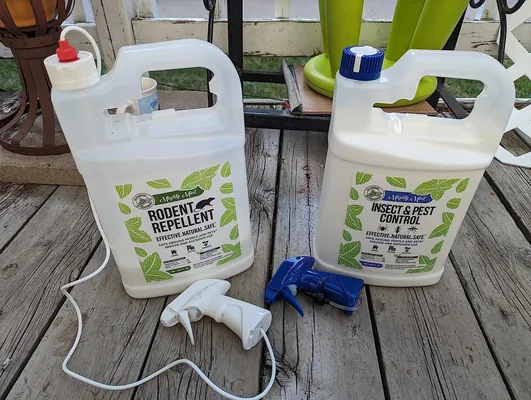
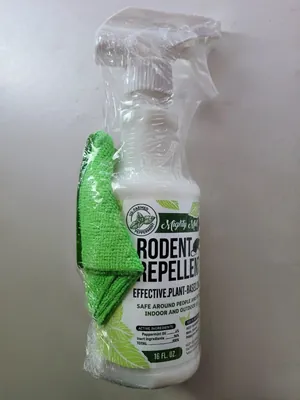
A peppermint oil spray has one advantage over a pouch: you decide exactly where it goes. People spray it along baseboards, around doorways and entry points, and on or around trash cans. The tradeoff is that the scent fades, so sprays have to be reapplied often, and they do not replace sealing the gap they are sprayed on.
Buyers report a mix. Some like the smell and say it helped keep rodents away from garbage cans or a cupboard, while others sprayed an entry hole repeatedly with no change in activity. Two common complaints were a spray nozzle that broke or did not work and a jug that leaked on arrival. One buyer who sprayed with bare legs said the oil burned the skin a little, so wear gloves and consider eye protection when spraying overhead.
Do plug-in ultrasonic repellers help indoors?
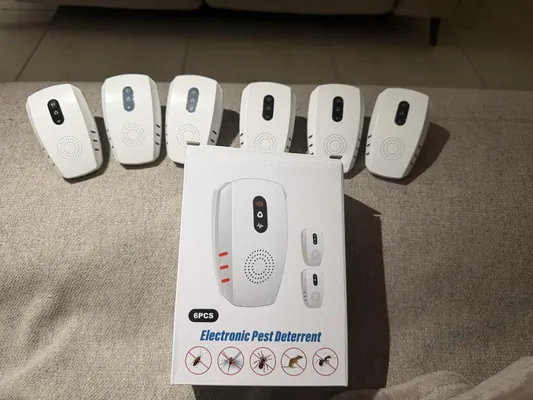
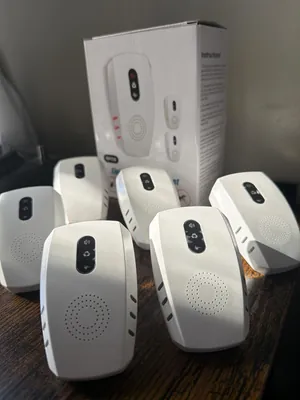
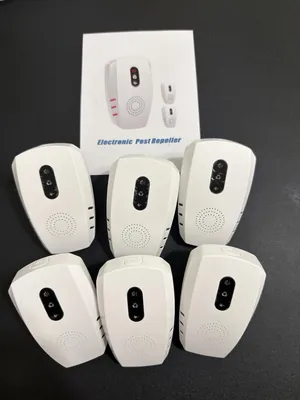
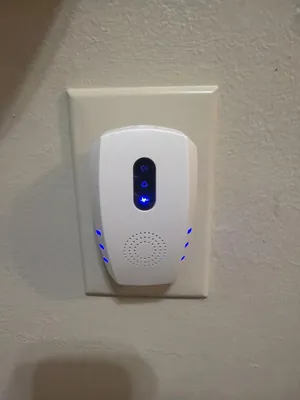
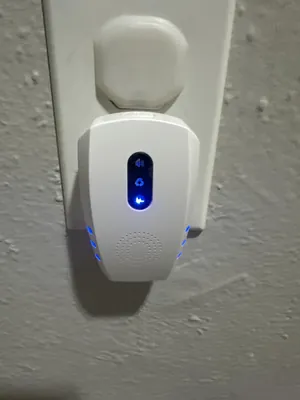
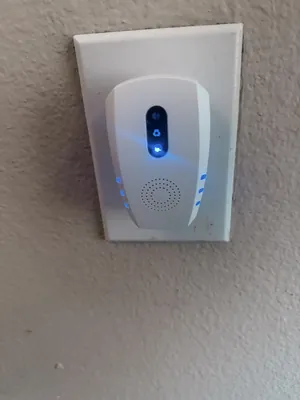
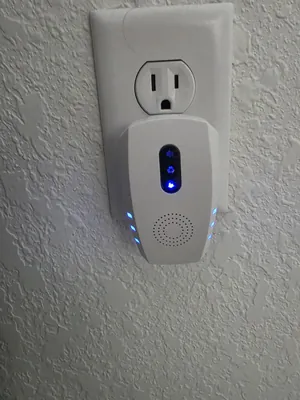
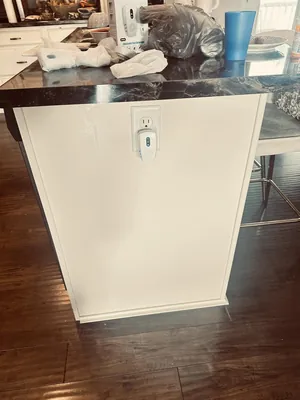
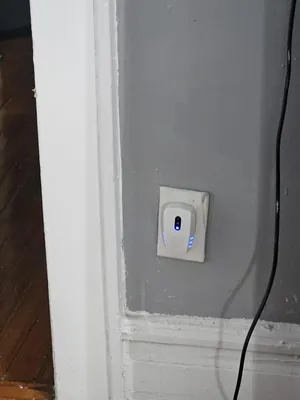
This is the category the independent sources are most skeptical about. Sound loses strength with distance and cannot pass through walls or furniture, so one unit in a room may leave a closet or cabinet untouched. The listing for this set recommends one unit per room for that reason. It also says the red mode, the one meant for mice, produces a noise that is uncomfortable for people and pets, and advises using it only when no one is home. That makes it a poor fit for a bedroom or kitchen in daily use.
Buyer feedback is also less about mice than the others in this guide. Most of the comments describe easy setup, quiet operation, and fewer insects, with only a few reports about rodents. If mice are your reason for buying, treat this one as an experiment.
Are scent repellents safe around pets and kids?
Most listings call their products safe around children and pets when used as directed, and a few buyers with cats mention that as a reason they chose a scent over poison. That claim comes from the sellers, so check it against what veterinary sources say. The ASPCA does not recommend using essential oils in areas where pets have access unless they are supervised or a veterinarian has approved it (ASPCA), and Pet Poison Helpline says cats in particular have difficulty processing essential oils (Pet Poison Helpline).
In practice that means keeping a pouch somewhere a pet cannot reach, such as inside a closed cabinet, behind stored boxes, or in a space the cat and dog do not enter. Mice can tear pouches open, as some buyers photographed, so a loose pouch may leave oil or filling on the floor. Spray should dry before a pet returns to the area. If a pet chews on a pouch or licks the oil, call a veterinarian or the ASPCA Animal Poison Control Center at (888) 426-4435.
How do you keep mice from coming back?
Think of it as a short seasonal routine rather than a one-time fix. A little attention in fall, when mice look for winter shelter, saves a lot of cleanup in spring.
- Walk the outside and inside once a season and patch any gap about a quarter inch or wider.
- Keep food, pet food, and seed in lidded containers and keep trash sealed.
- Lift boxes and stored items off the floor and leave a gap along the wall.
- Put traps along walls where you have seen activity and check them often.
- If you use scent pouches or sprays, write down a date to replace them and check for new droppings every week or two.
- Look under the hood and in the storage bays of any vehicle that sits for more than a couple of weeks.
If you still see fresh signs a few weeks after sealing and trapping, the problem is bigger than a pouch can fix. That is the point to call a pest control professional, and the CDC recommends the same for areas you cannot reach to clean.