In this article
The easiest way to always have ice is to stop thinking of it as something you freeze and start thinking of it as something you make while you are home. A countertop ice maker turns out a small batch every several minutes, but it is not a freezer: the basket is not cold enough to keep ice, so you scoop it into a bag or bin in the freezer and run the next batch later. Pick the machine by how much ice you use in a day, what shape you like in the glass, and where it can sit near water and an outlet. Below: why ice runs out, how these machines really work, ice types, how much to expect, where to put one, and how to keep it clean.
A freezer tray gives you a dozen cubes after a night of waiting. A built-in dispenser works until it jams, freezes over, or quits, and then the repair quote makes a bag of ice look cheap. If you host often, fill lunch jugs, or live in a hot climate, running out of ice is a recurring small problem, and it is one that a few simple habits and the right equipment can fix.
This guide covers how home ice makers behave once they are plugged in, using the manufacturers' own descriptions and what buyers report. Where a number comes from a product page, it is labeled as the listing's claim, because real output depends on room temperature and how you use the machine.
Why does ice keep running out, even with trays or a fridge dispenser?
The pattern behind most of these purchases is the same: demand rose above what the freezer could supply. Buyers describe a household of five where the door dispenser could not keep up in hot weather, a family that went through bags of ice at every cookout, and a household that found out during a visit from house guests that the fridge could not keep pace. Many had a dispenser that had started to fail. Several say they chose a countertop ice maker because the repair would cost more than the machine, and one new renter simply wanted to stop spending money on bagged ice every week and filling trays by hand.
There are two separate problems hiding in that complaint. One is volume: a tray holds a dozen cubes and a freezer ice maker produces a slow trickle. The other is timing: ice you need now is ice you did not start yesterday. A machine that makes a new batch every several minutes solves both, as long as you accept that it works on demand and is not an ice vault.
What does a countertop ice maker actually do, and what does it not do?
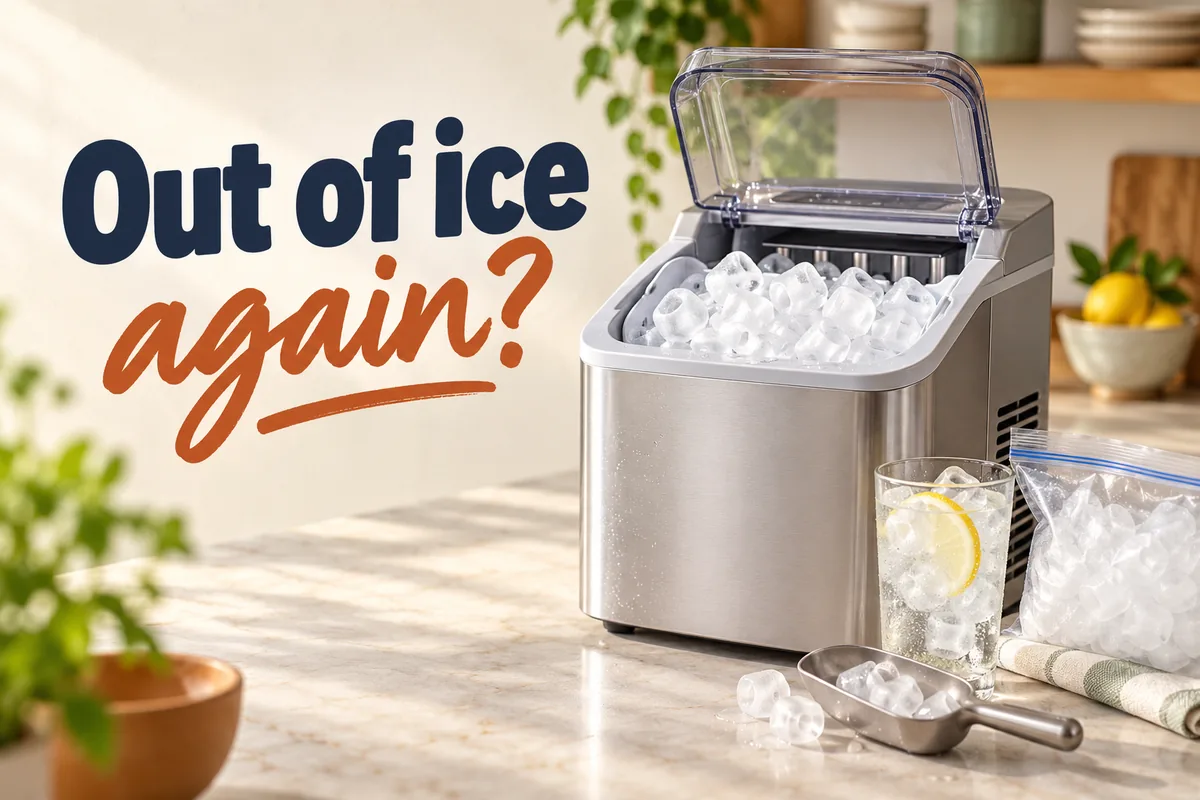
A small countertop unit pulls water from a reservoir, freezes it on a chilled plate or prongs, and drops finished ice into a basket. The listings for the 26-pound models describe a first batch of nine bullet-shaped cubes in about six to seven minutes. When the basket is full, a sensor pauses production. The basket sits in the open air of the machine, though, and it is not refrigerated.
That last point is the one buyers return to most. Several say it plainly: these are not freezers or coolers. Ice that sits in the basket melts, the water drains back into the reservoir, and the machine freezes it again. That is by design, and it is why the basket never overflows, but it also means the ice in the morning is not the ice you made last night. One buyer who keeps a unit running around the clock in the Florida Keys puts it bluntly: if you do not use the ice, it clumps, melts, and gets remade. Others turn the machine off at night and switch it back on shortly before they want ice.
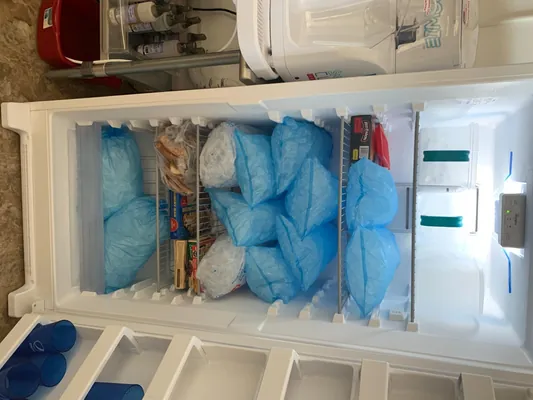
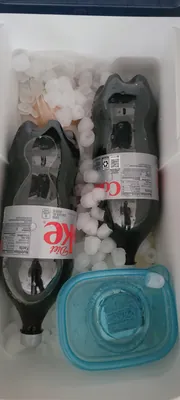
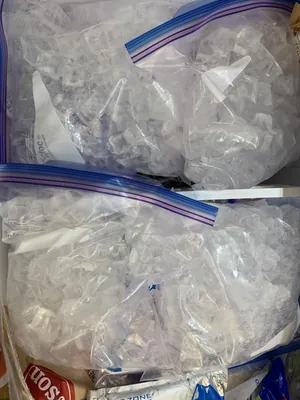
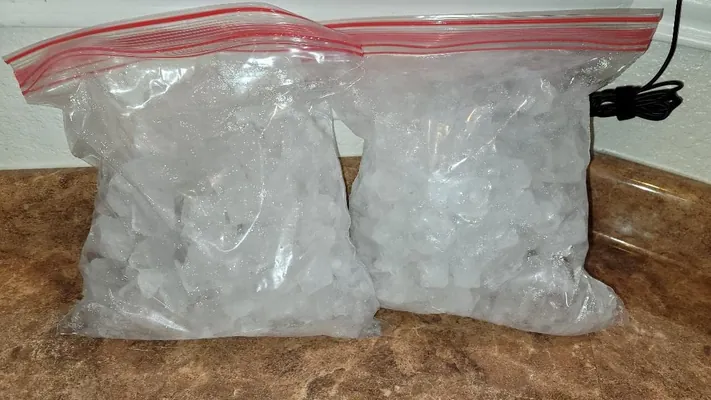
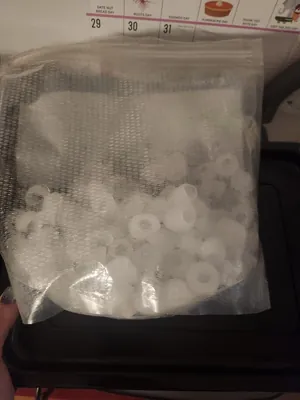
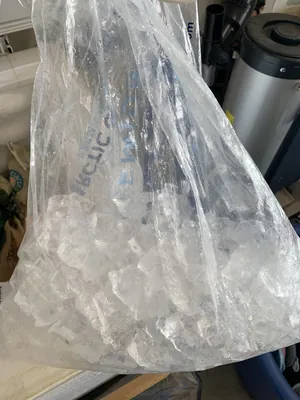
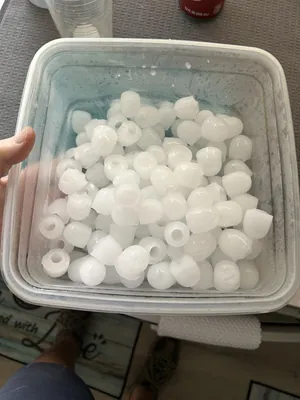
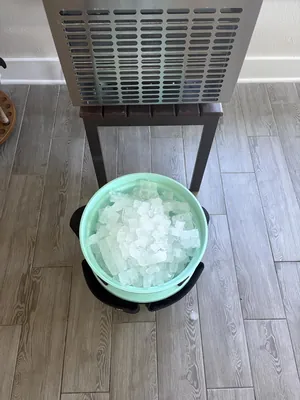
The routine that works is the same across product types. Turn the machine on when you will be in the kitchen, let it run, scoop the ice into a freezer bag or bin once the basket is full, and start another batch if you need more. One buyer living alone says two or three cycles give them close to a week of ice. A few note you have to shake off the water before bagging, because freshly dropped ice is wet and freezes into a clump. Handle it the way the FDA suggests for any ice: use a clean scoop or tongs rather than hands or glasses, and store it in a clean container that is safe for food.
- Fill the reservoir, run the machine for a couple of cycles, and bag the ice as it fills the basket.
- Shake or drain off the water before freezing, or the cubes will fuse into one block.
- Store ice in a freezer-safe bag or lidded bin, and keep the scoop outside the ice rather than leaving it in the basket.
- When the machine will sit idle, drain the reservoir and let the inside dry. One buyer who skipped this found mold.
- Run it a few hours before guests arrive instead of at the last minute.
A larger reservoir means fewer trips to the tap. One countertop model holds about 2.1 quarts, which its listing describes as enough to avoid constant refilling, and a buyer who researched models chose it because its tank holds roughly twice what many others do. On the other end, a buyer of a smaller machine complained about adding water constantly.
Which kind of ice do you actually want in the glass?
Home machines make three kinds of ice, and the differences matter more than the specs.
Bullet ice
The 26-pound models, which are the least expensive, make hollow bullet-shaped cubes. Buyers say the cubes look cloudy and are not solid, so they melt quickly, which is fine for filling a cooler or chilling a drink fast but less ideal for a long-sipped iced coffee. One buyer likes them for chewing, while several wish they were harder. Plan on pairing them with a bag in the freezer rather than relying on the machine to hold them.

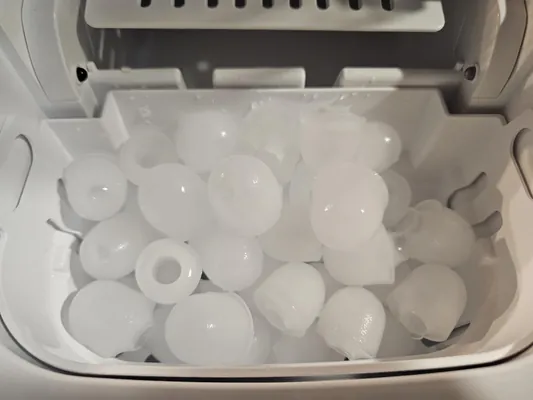
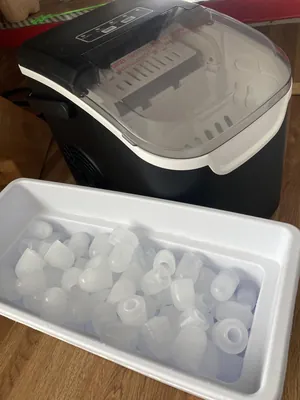
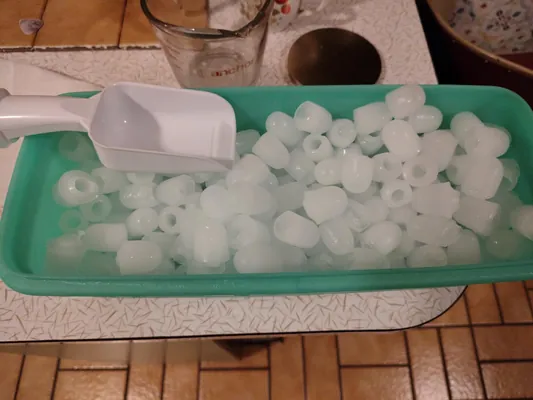

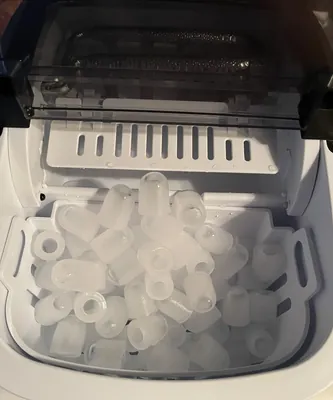
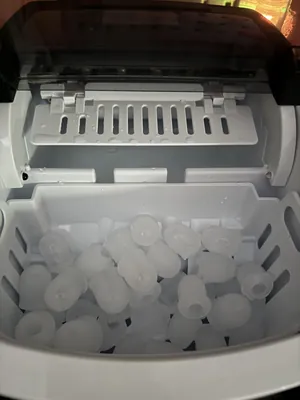

The product page for one low-cost 26-pound model adds a feature that a few buyers like: two cube sizes, which the listing says suit seafood and quick chilling at the small end and drinks at the large end. Buyers are split on how much the setting changes the ice. One could not see a lot of difference, while another liked the small setting for coffee and said the ice formed well.
Nugget ice
Nugget ice is the soft, chewable, pebble-like ice that restaurants and drive-throughs serve. The listings describe it as compacted layers of ice flakes and pitch it for iced coffee, cocktails, and sodas, and buyers describe going through it quickly. It also tends to come with caveats that bullet-ice buyers do not mention: more noise, more attention to water quality, and a higher price. Several nugget buyers also say the ice comes out wet and melts fast, so the same freezer-bag routine applies.
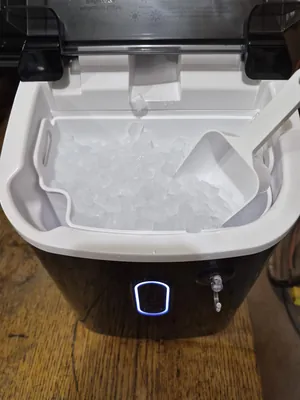
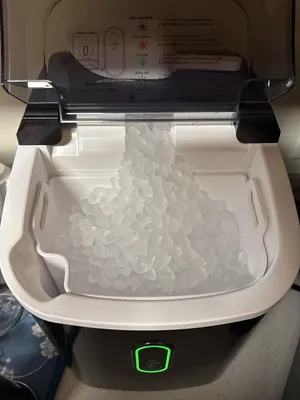
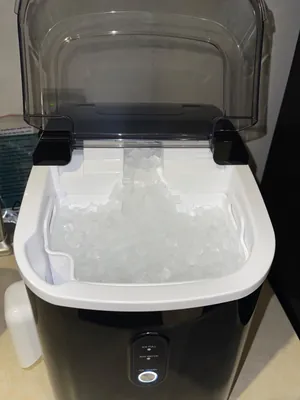
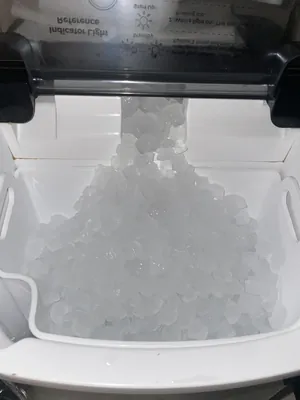
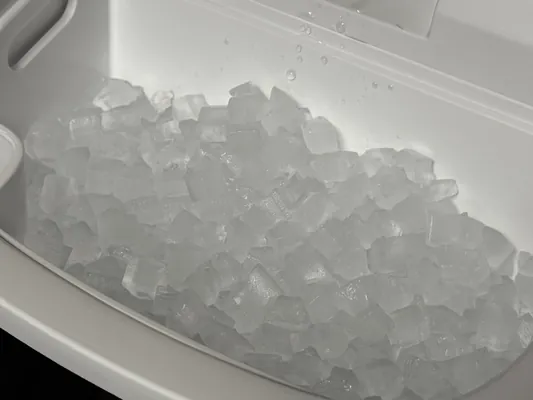
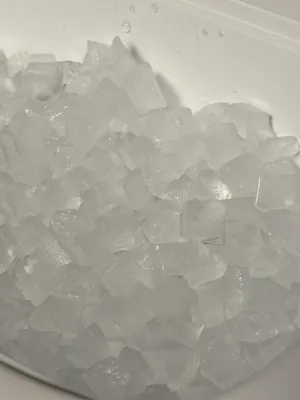
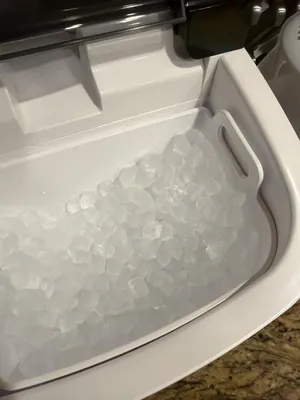

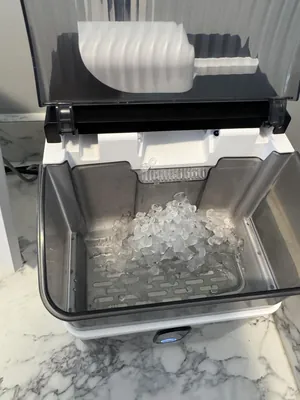
One nugget model on this list is compact and sold with a transparent casing so you can see how much ice has built up. The listing describes 35 pounds a day, a first batch in about seven minutes, and a 15-minute self-cleaning cycle. The feedback on the page is mixed with comments about other appliances sold under the same listing, so there is less ice-maker-specific evidence than the rating suggests. The comments that are about this machine praise the soft ice and the small footprint, and mention that the bin is small and that stored cubes can freeze together.
Clear cubes from the larger machines
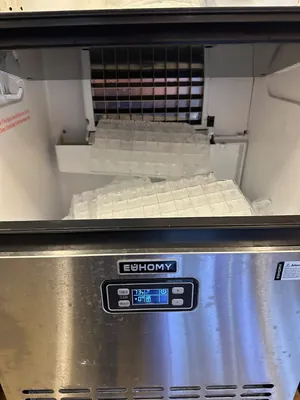
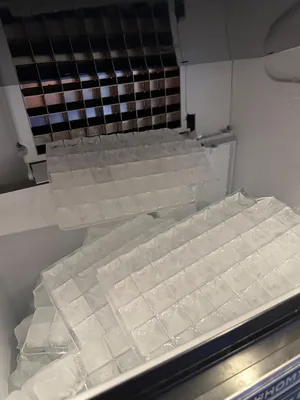
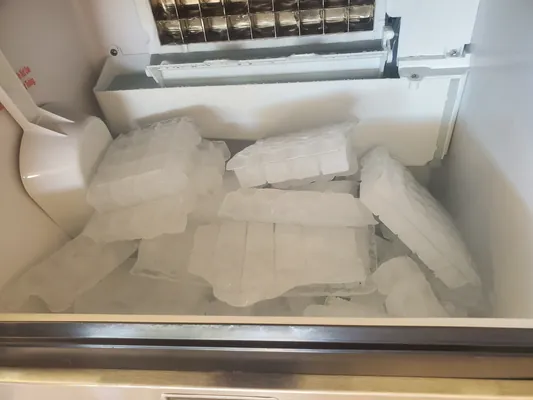
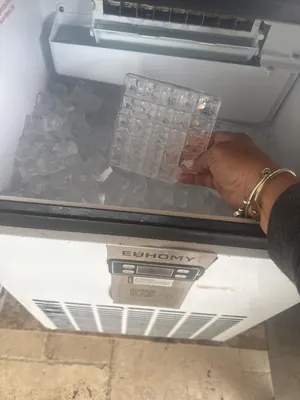
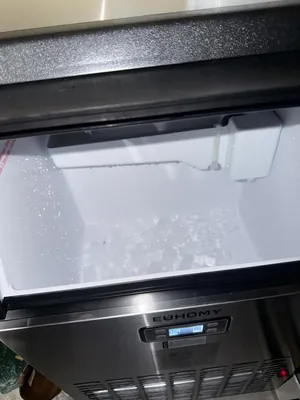
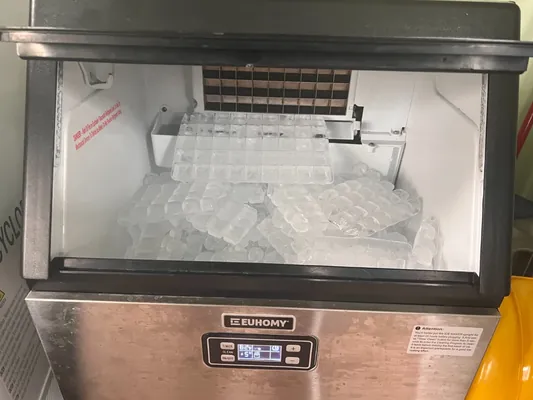
Under-counter machines make full-size cubes in connected sheets. Buyers say the sheets break apart on their own, or you tap them apart, and that the cubes are hard and dry compared with countertop ice. The thickness is adjustable, and buyers pick a setting after a few test batches: thinner sheets are easier to break up, thicker sheets hold longer in a drink.
How much ice will you really get in a day?
Listings state a daily output, but the number is a best case. A rule of thumb from one buyer who weighed it: a gallon zip bag of ice is slightly over four pounds. At that weight, a 26-pound-a-day claim is about six gallon bags, and only if the machine runs continuously in a cool room and you keep emptying the basket.
What buyers actually describe is smaller. People using the 26-pound models say they fill a freezer ice bin in a day, and one person living alone says a few cycles last nearly a week. One buyer compared a full basket to a bit over a quarter of a gallon bag. Another said the basket holds roughly a cup of ice. Reports of the larger commercial-style machines are also lower than the listing: one buyer who emptied the bin into bags found it held about 20 pounds, not the 33 pounds claimed, and said the unit would not make 100 pounds in 24 hours. Others reported filling a five-gallon bucket in eight hours and getting 40-plus pounds in 12.
To estimate your own number, count how many drinks you pour on an ordinary day and how many on a busy day, and plan for the busy day. Ice cools drinks best in large quantities, so a cooler for a party needs far more than a glass of iced tea does. For heavy use, look at machines with a bigger tank, such as the one below, whose listing claims 44 pounds a day from a 1.8-liter tank.
Where in the house can an ice maker go?
The countertop models are small, but placement matters more than size.
- Clearance. The lid opens upward and the reservoir fills from the top, so a low cabinet above can get in the way. One buyer had to pull the unit out from under the cupboard every time they added water.
- Water. Fill it by pitcher or bottle, or on larger models run a line to the water supply. Buyers who connected the larger unit added an inline filter and a braided hose.
- Noise. Buyers describe a fan-like hum while making ice and a louder clatter when the batch drops. Open floor plans make it more noticeable, and one buyer set the machine on a carpeted floor in a room where the door can close.
- Settling time. The machine ships on its side, and buyers and listings say to let it stand upright before plugging it in. Some say two hours, some say 24, so follow your manual.
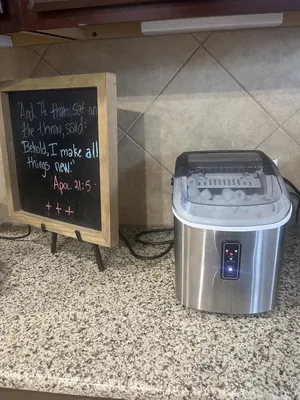
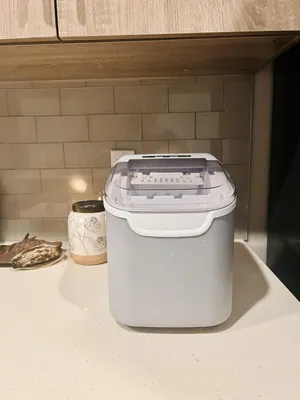
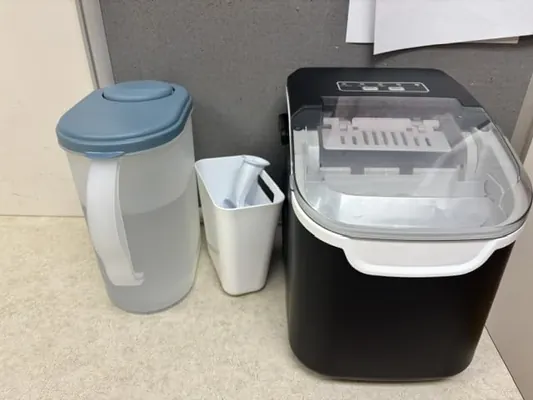
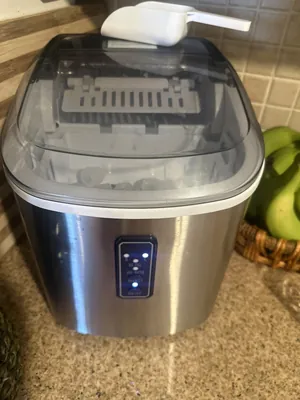
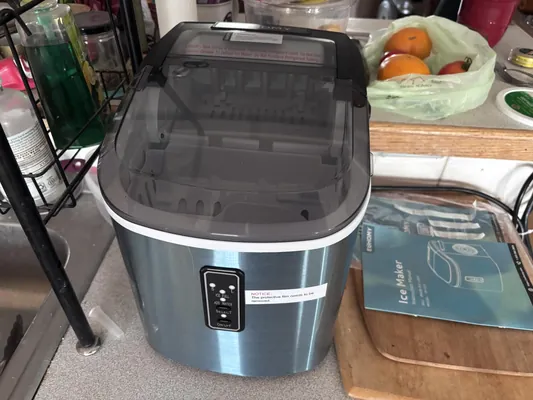
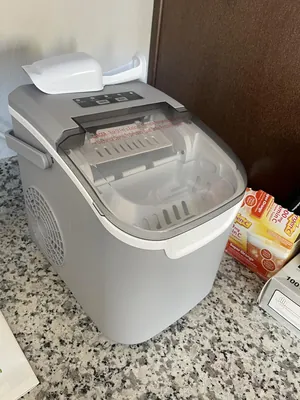
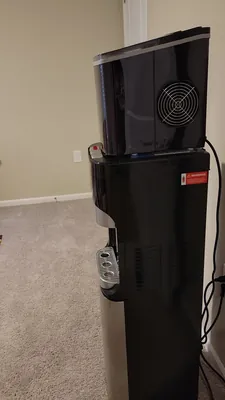
If the footprint is the main constraint, the smallest countertop model on this list measures about 8.7 by 11.5 by 11.6 inches, according to the listing, and buyers have put it in a dorm, a camper, an office, and on top of a water dispenser. Its size has a cost. One buyer said the basket holds only about a cup of ice, and another who ordered a mini version by mistake found it far smaller than the one they had before. One buyer says ice can catch on the bucket's ridge and trick the sensor into thinking it is full, so watch the first few batches.
What if a countertop unit is not enough?
An under-counter machine is made for heavy use, such as a bar, a garage fridge, or a patio kitchen. Its listing claims 100 pounds a day and a bin that holds 33 pounds, and says it uses a gravity drain, so it needs a floor drain or a spot lower than the machine. Buyers solve that in different ways: they build a riser, add a small pump or sump pump, or run the drain line to a laundry sink. Many run a water line from a valve and add an inline filter.

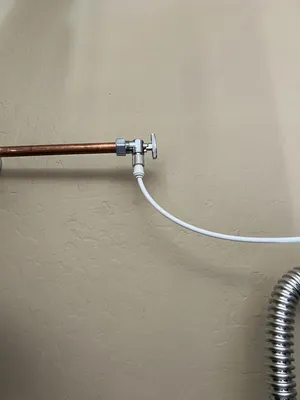
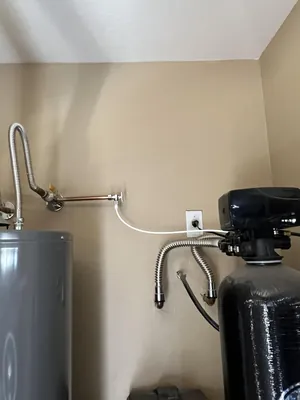
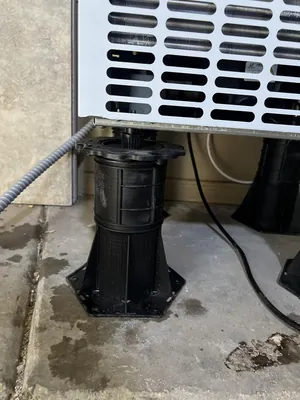
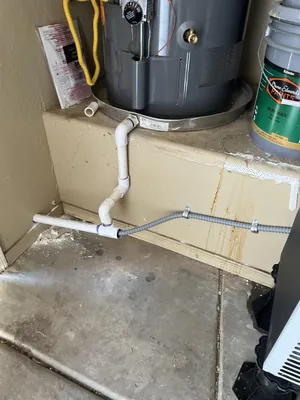
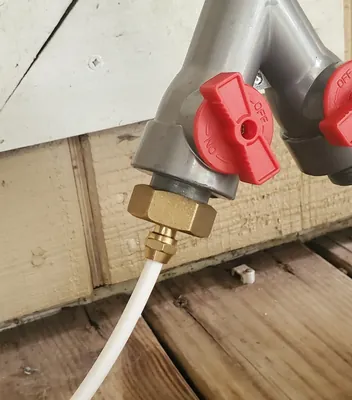
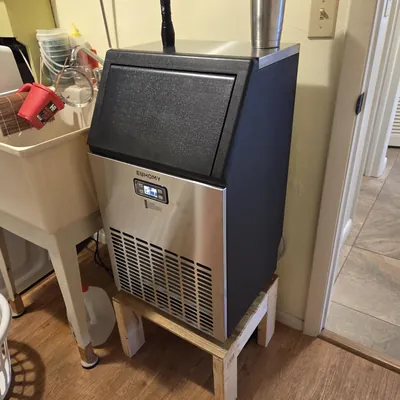
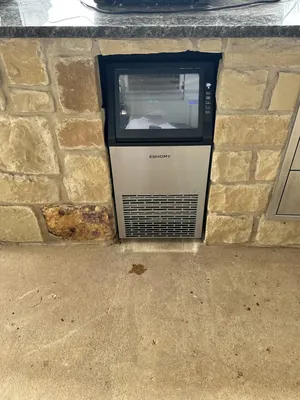
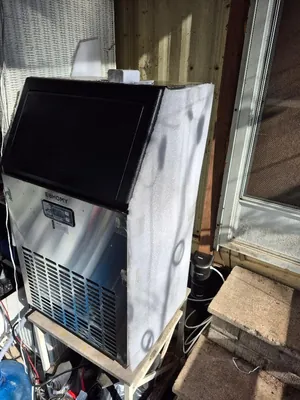
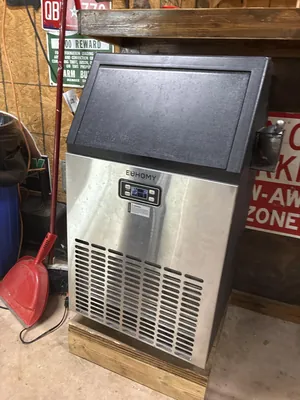
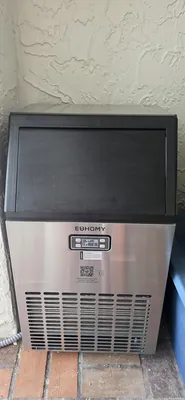
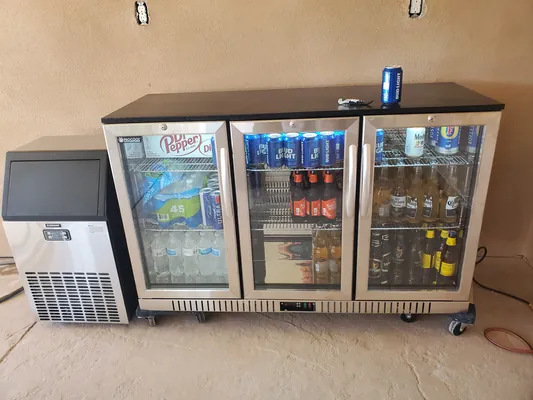
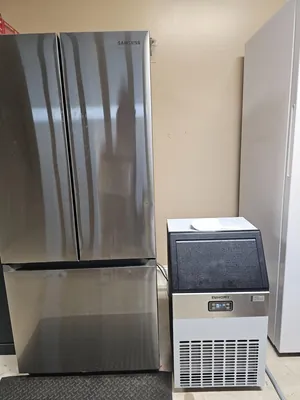
Heat is the main variable outside. One buyer said their unit lasted two years in Texas heat before failing, another has run theirs outdoors in Florida for six years, and another set it up in Arizona with a plan to cool the garage. Treat those as examples of what is possible, not guarantees. The commercial listing states the machine is rated for home and commercial use, and buyers say the bin is not a freezer, so the ice still melts over time.
How do you keep the ice clean and the machine working?
Ice is food, and the machine that makes it needs the same care as other kitchen equipment. A CDC report on an ice-related outbreak notes that contamination of ice was most often linked to inadequate ice-machine sanitation and handling, which is why cleaning schedules matter. Follow the manual's interval and use the self-cleaning cycle if it has one. Most listings describe a cycle that takes 15 to 30 minutes.
Water quality decides how often that cleaning is needed. Hard water carries dissolved calcium and magnesium, and USGS describes hardness as exactly that. Buyers say those minerals leave scale in the machine and make nugget makers grind loudly, and many switched to filtered, bottled, or distilled water. One nugget owner said their filtered tap water still measured over 500 for dissolved solids and made earlier machines grind loudly, and that bottled water with a very low reading made their current one the quietest they had owned. Distilled water is not a guaranteed fix, and no source here proves it prevents mold, but buyers who adopted it say they clean less often.
Mold is the other thing buyers mention. One owner who ran the machine only occasionally found mold in the ice area and in the water line under the cover, and now cleans more often. Buyers who store theirs between uses drain the reservoir and leave the lid open so the inside dries, and a clean scoop and basket matter as much as the machine. Be careful with cleaning agents: one buyer said their unit stopped working after a vinegar cycle, so use the cleaner and steps the maker recommends.
How long will one last, and what if it stops?
The honest picture is mixed. Some owners report years of daily use: six in a hot climate, two in Texas heat, and a few who replaced a machine after five. Others report a failure in weeks or months, with the same handful of symptoms: a sensor that no longer detects water, a unit that stops cycling, a leak, or a loud grinding. Several describe good experiences with the maker replacing a defective unit quickly, and others say they waited weeks or were told the warranty had expired.
- Test it as soon as it arrives. Run a couple of full cycles within the return window.
- Keep the order date and proof of purchase, and note the model number.
- Contact support early if something is wrong, and describe the problem with a short video.
- Treat it as an appliance that may need replacing, not a lifetime purchase, especially in heat.
Before you buy, ask whether the machine matches your habit. If you need ice every day, a machine you can set to run for a few hours and then bag is the practical answer. If you only need ice for the occasional party, a couple of reusable trays and a cooler may be enough.