In this article
If sunrise, a street light, or a neighbor's porch lamp keeps finding its way into your bedroom, the fix is rarely just a darker curtain. Light slips in at the top, down the sides, and through thin fabric, and "blackout" on a label can mean anything from about 60% to a fully dark room. This guide covers why curtains leak, how dark a bedroom really needs to be, how to hang panels so they cover more window, how to keep the room soft and pretty instead of heavy, what changes in a child's room or nursery, how to pick a pink that looks the way you expect, and how to deal with wrinkles and the new-curtain smell.
Why does my bedroom still let light in with the curtains closed?
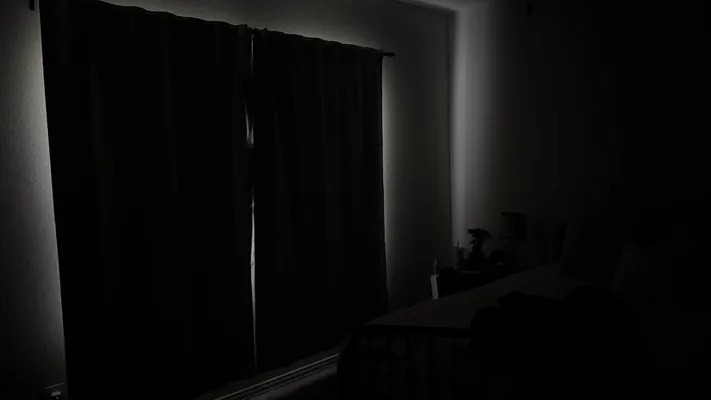
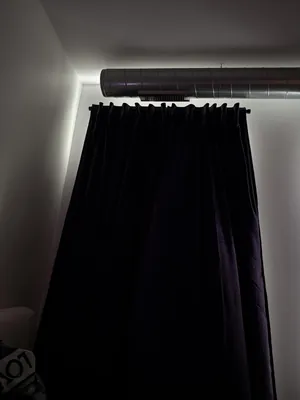
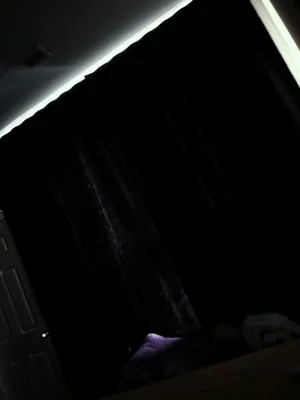
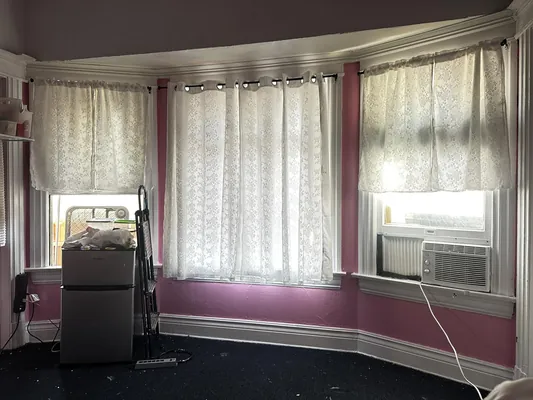
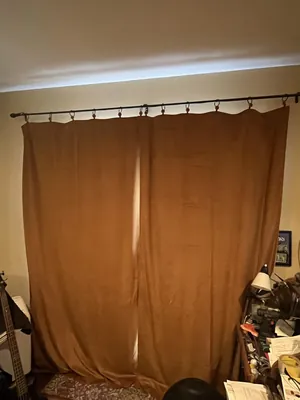
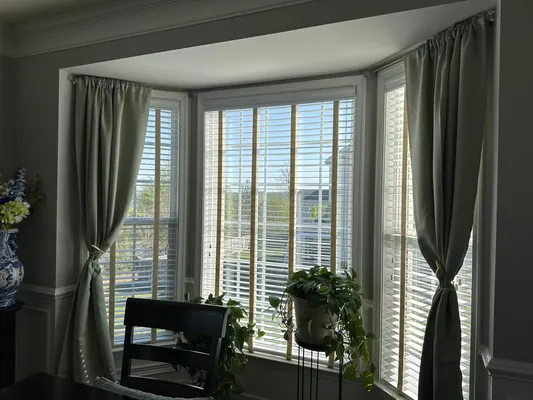
Most of the time the fabric is not the whole story. Light finds the gaps: above the rod, along the sides where the panel stops short of the wall, and in the middle where two panels meet. Buyers who photographed their rooms with the lights off showed the same pattern again and again, a mostly dark room with thin lines of brightness along the top and edges. One buyer who liked their curtains still noted a little light peeking out above the rod and said moving the rod up would solve it. Another hung a curved rod so light would not creep around the sides, and was fine with the small amount that still came through at the top.
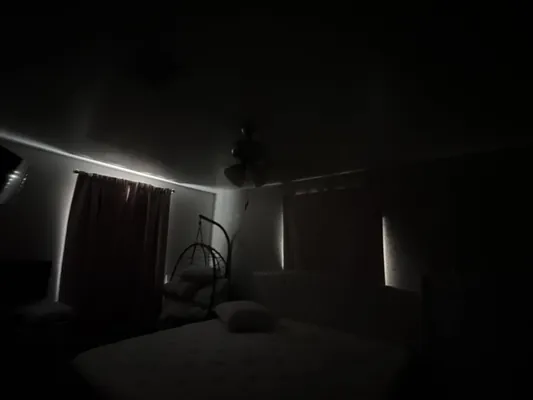
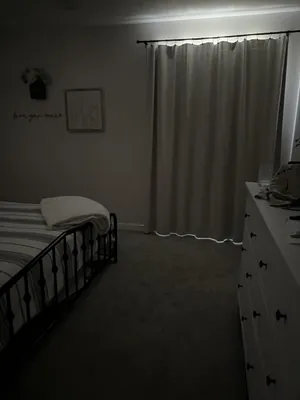
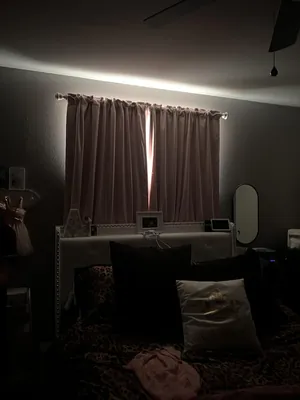
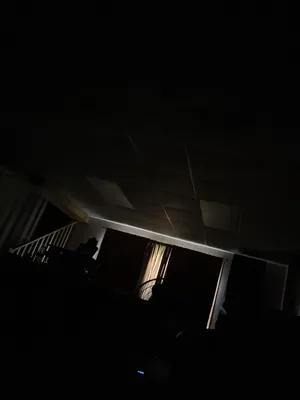
Light at night is worth the trouble. In a small 2022 sleep-lab study of 20 healthy young adults, one night sleeping with moderate room light raised heart rate during sleep and was followed by higher insulin resistance the next morning, compared with sleeping in dim light (study; university summary). The sample was small and the exposure lasted one night, so it is a reason to take light seriously, not a promise about any single curtain. People in the study did not report sleeping worse, which is a reminder that you cannot always feel what light is doing.
What does a curtain actually have to do?
Two things. The fabric and lining have to stop light passing through, and the way it hangs has to stop light going around. A thick, tightly woven curtain on a rod mounted just above the window frame with panels that barely cover the glass will leak more than a lighter curtain hung high, wide, and long. If you only change one thing, widen and raise the coverage before buying heavier fabric.
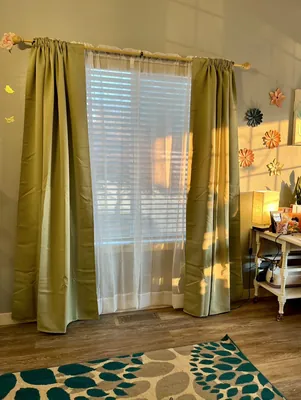
When you do want the densest fabric, one buyer who works nights described the linen-look panel below as keeping the room "super dark" for daytime sleep, and another said they cannot sleep with any light and that the panels blocked all of it, though buyers also describe the fabric as stiff or slightly plastic-feeling, a trade-off built into thick coated linings. The listing describes two 50-inch-wide, 84-inch-long panels with a 3-inch rod pocket and eight back loops per panel, and says the lining blocks 100% of light. Hooks and rings are not included.
How dark does a bedroom actually need to be?
There is no single answer. If you work nights, sleep in a room that faces a bright street, or have a toddler who wakes at the first hint of sun, a blackout curtain makes sense. If you only want to cut glare and sleep better in a room that still feels pleasant, something short of fully dark may be the better fit. One buyer on a corner lot had cars shining lights through windows from three directions and tried 100% blackout curtains first. They found the room too dark for their taste, and ended up happier with a panel that blocked car lights but let a little street glow through.
The percentages on listings run from about 60% to 100%, and they are the sellers' own claims. Customer photos show what that looks like. A panel advertised in the 60% to 85% range will make a room much dimmer, but with strong sun behind it, the curtain glows its own color. Several buyers of those panels said exactly that: lovely curtains, not quite dark enough for naps. Others were happy because they wanted a softened room, not a cave.
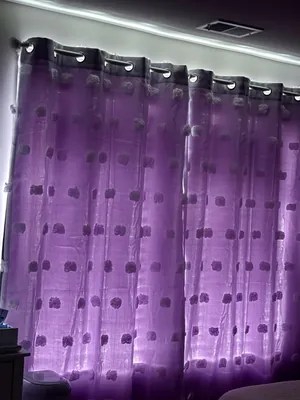
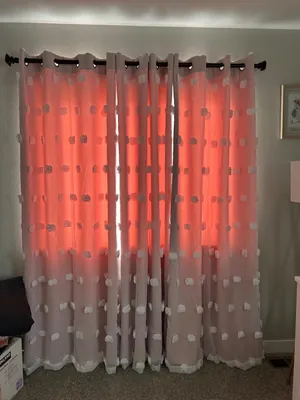
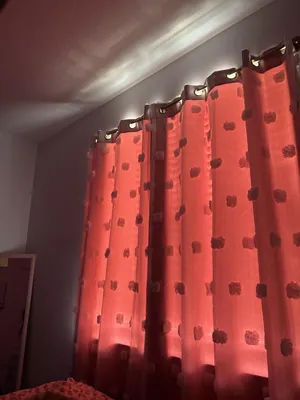
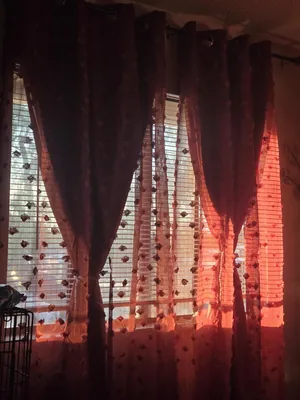
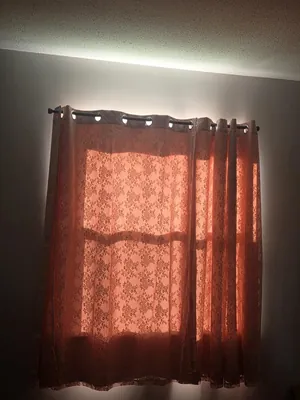
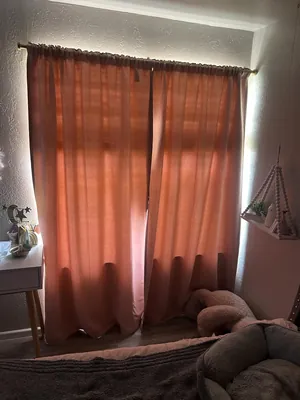
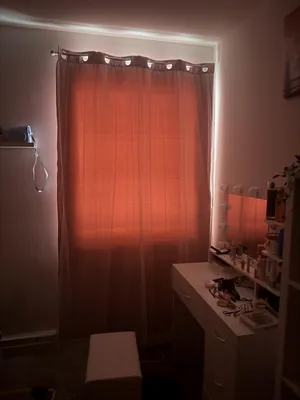
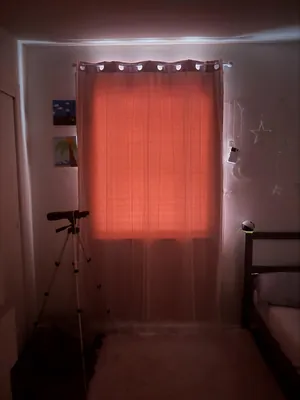
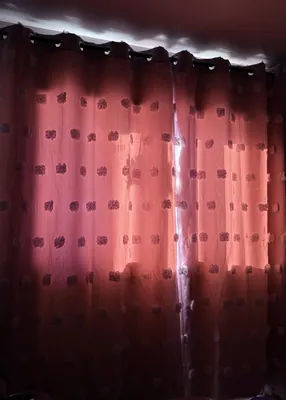
If you want something in between, look at the weight and weave, not only the word on the label. The panel below is listed as blocking 60% to 70% of light with a triple-weave fabric, which suits a living room, dining room, or a bedroom where you want softened light. Buyers split on it: a pale pink pair worked for one buyer's daughter's room, while several others expected full blackout and were disappointed, and a few noted the back tabs are made of loose threads that snag.
How should I hang curtains so light does not sneak in at the top and sides?
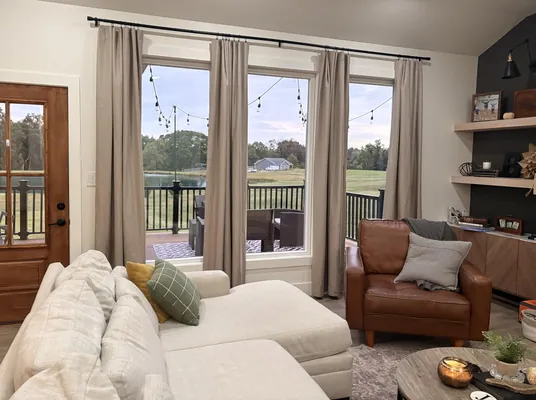
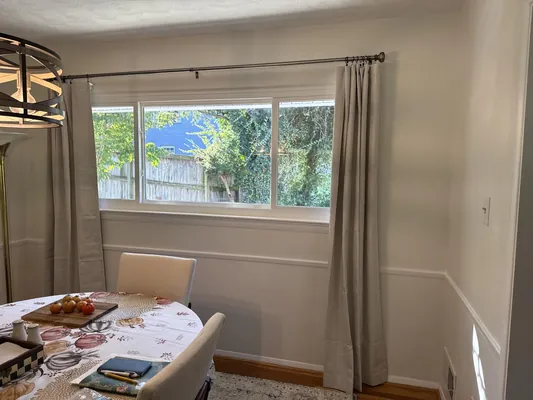
Mount the rod higher and wider than you think you need. Buyers who put the rod near the ceiling said the curtains still reached the floor and made the ceiling look taller. A buyer with 10-foot ceilings and a vaulted bedroom said the long panels warmed the room up visually. Buyers who bought panels too short had the opposite problem: curtains that look like "high waters" and leave a gap of glass and light at the bottom.
What size should I order?
Measure the window and the wall around it, then compare the listing's per-panel size. The listings in this guide mostly sell pairs of 50- or 52-inch-wide panels in lengths from 63 to 108 inches, so a pair gives you about 100 to 104 inches of fabric in total. Several buyers wrote that they ordered the wrong length or received a different size than the one they chose, so check the length printed on the package before you hang anything, and keep the packaging until you are sure.
Grommets, back tabs, rod pockets, or clip rings?
They behave differently. Grommets slide easily and look clean. One listing says its back-tab style gives a seamless top that blocks light leaks, which fits what buyers photographed above their rods. A rod pocket sits close to the rod but can make a panel harder to slide, and clip rings let you set the height, which one buyer planned to do so the panels hang closer to the floor. Several buyers of back-tab panels reported that the tabs are made from loose threads rather than solid fabric, and snagged on the rod or brackets when they closed the curtains every night, so a smooth rod helps. Heavy panels also need a sturdy rod and good wall anchors. Buyers of the heaviest curtains described adding a center support or a thicker rod.
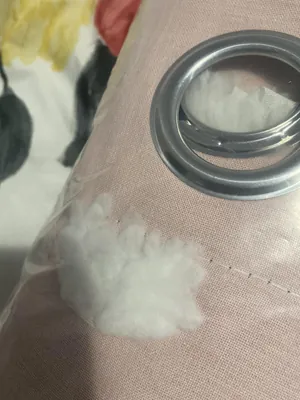
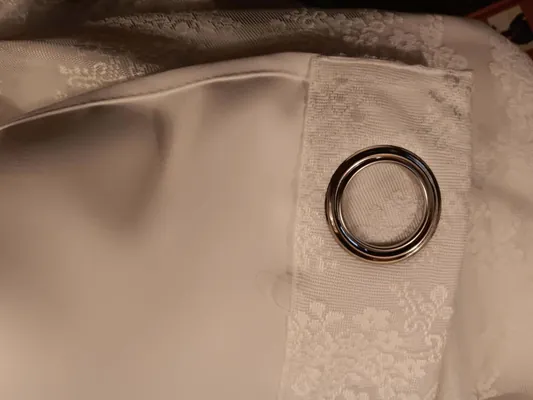
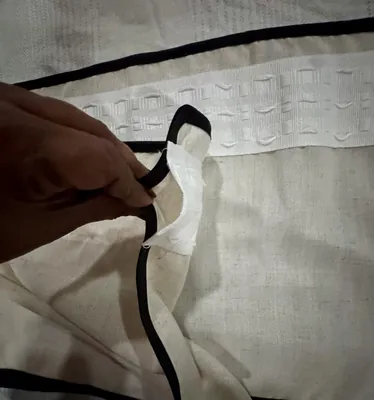
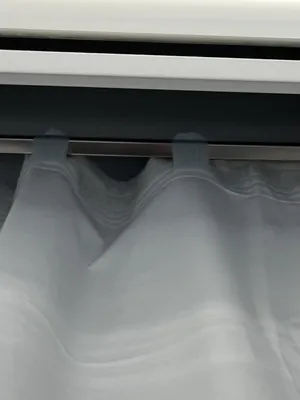
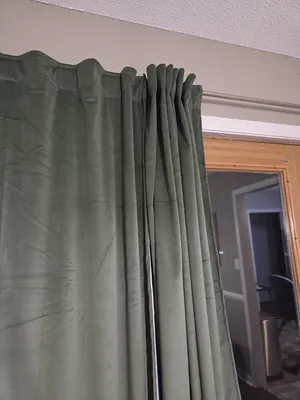
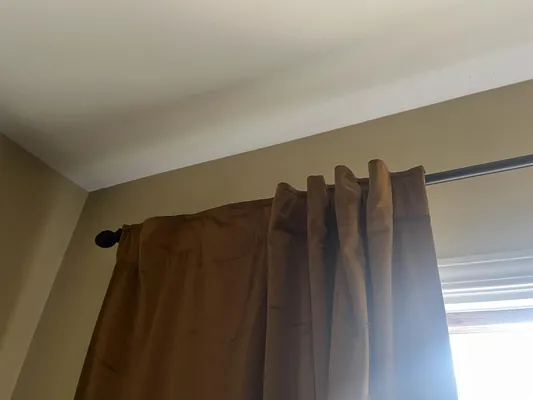
If you want options without buying hardware separately, the panels below are listed with three ways to hang them (back tab, pleating tape, rod pocket) and 20 clip rings per panel in the box, according to the listing. Buyers described them as truly blacking out light with only a little peeking at the top, thick without being too heavy, and good for the price. Wrinkles took work to remove. One buyer noted the back tabs were made from loose strings, and another said the care tag warned against a dryer while other buyers used one on low heat.
How do I darken a room without it feeling heavy or dull?
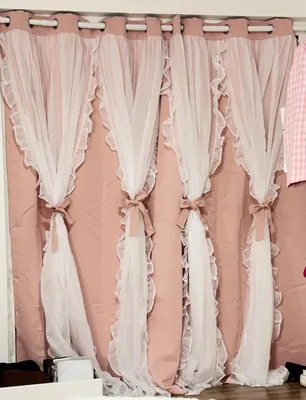
Layering is the easiest way. A solid darkening panel does the work, and a sheer layer on top softens how it looks and gives you a lighter option for daytime. One buyer put it plainly: blackout curtains alone are drab, and the sheer ruffles are what put them over the top. With a double layer you can tie one back, let the sheer hang loose, or close the blackout side for a nap, and the room changes character without changing curtains.
What does a ruffled or tied-back double layer look like in a real room?
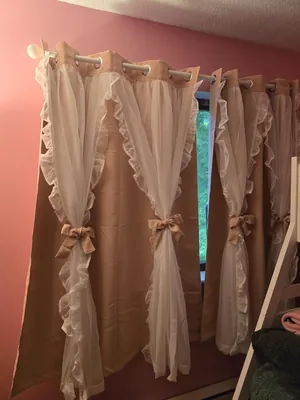
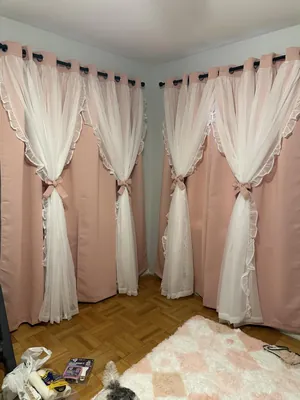
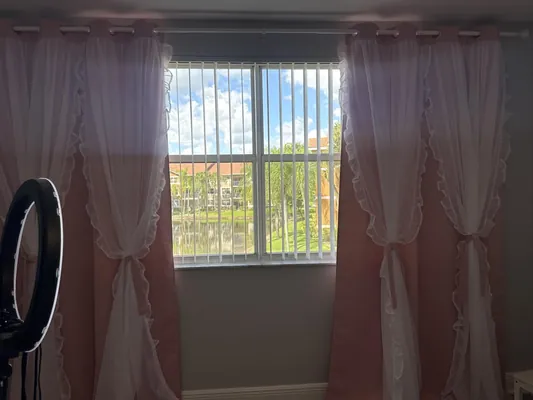
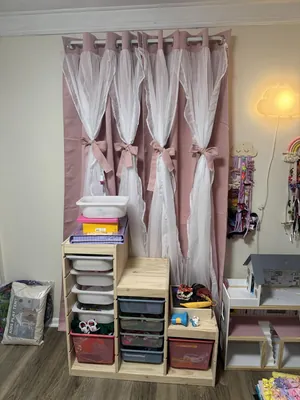
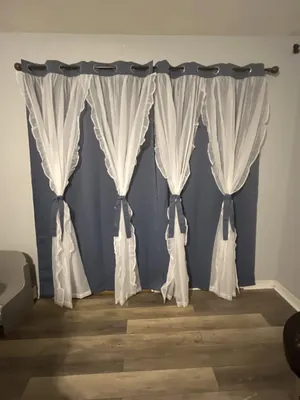
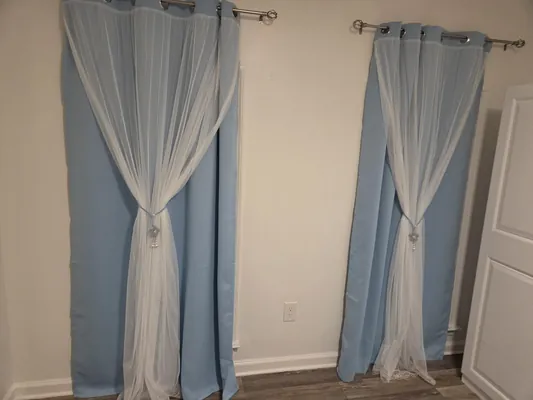
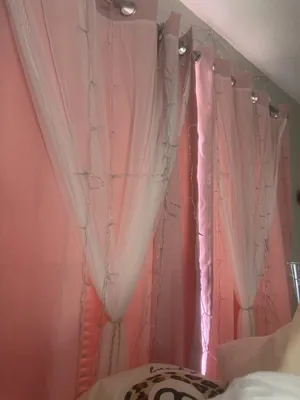
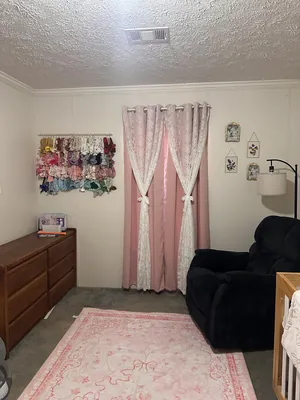
The panel below pairs a solid fabric panel with four attached layers of sheer ruffles and self-fabric bow ties, per the listing, which says it blocks 80% to 85% of light. Buyers loved the look, with several calling it girly without being too childish, and a mom of a teen and a tween said their shared room suited it. Two buyers wished it were darker or more insulating, and one reminded readers that you do have to iron the panels. A few mentioned loose strands on the sheer layer to snip.
Can I layer a sheer over curtains I already own?
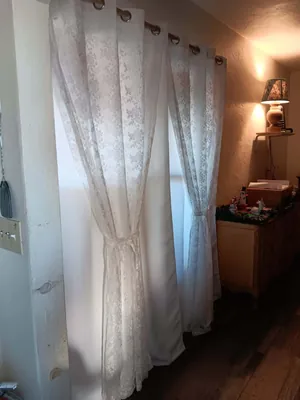
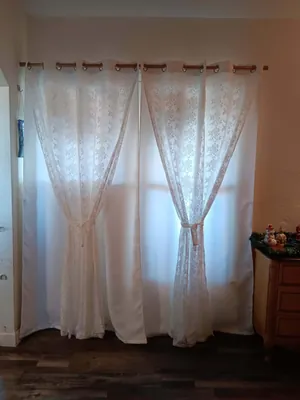
Yes, and it is a lower-commitment way to try the look. The panels below are listed as a crushed sheer layer over a blackout panel with a lace seam, and the listing says the sheer can also be paired with other blackout curtains or used alone. The listing says the fabric blocks up to about 60% to 75% of light. Buyers described a soft, buttery feel and said the curtains let in just enough light when closed. Another buyer picked up the pink-and-mint color scheme with the pink and green ties in the box.
What about lace instead of ruffles?
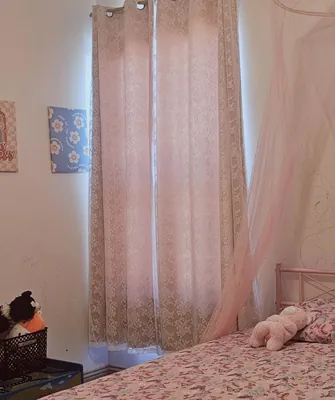
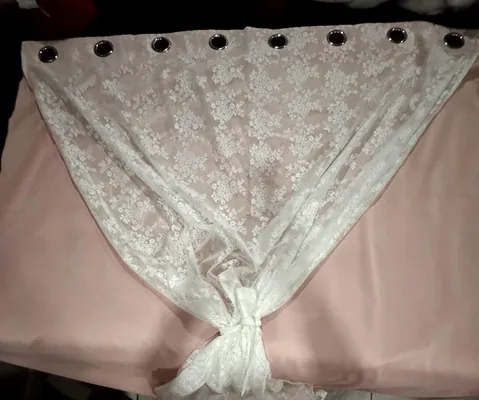
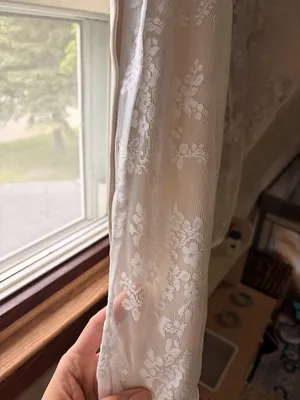
Lace reads more grown-up. Buyers who put lace-over-blackout curtains in dining rooms, guest rooms, and a coquette-themed bedroom said the pattern dresses up a window without a lot of fuss, and one liked being able to use just the lace or just the solid layer. Two things to know from buyer feedback: some buyers found the pink dusty and mauve, not a baby pink, and several found the light blocking weaker than the listing's 80%, while others called it very effective. The listing includes two lace tie-backs and eight stainless steel grommets per panel.
What should I know about curtains for a child's room or nursery?
Darkness matters most for naps and early mornings, and many buyers of playful curtains were buying for exactly that. One buyer of a different panel bought it for a toddler grandson who is used to sleeping in total darkness. Another parent said their toddler was obsessed with how dark the room got and hoped it would buy an extra hour of sleep. The same parents are also choosing for a style: pom-poms, clouds, bows, or a rainbow of colors, and they usually want it to read as sweet, not babyish.
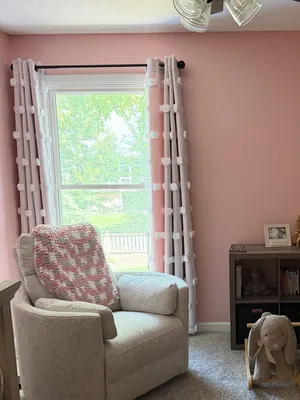
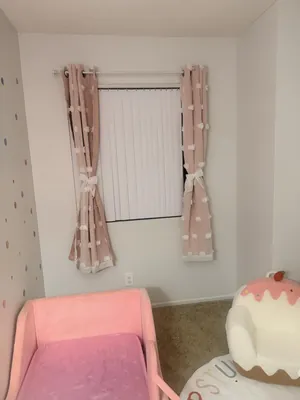
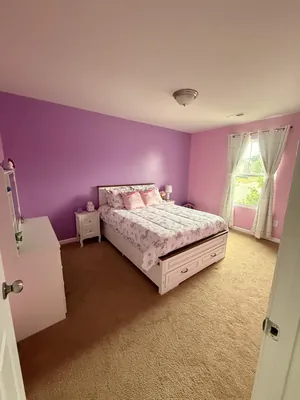
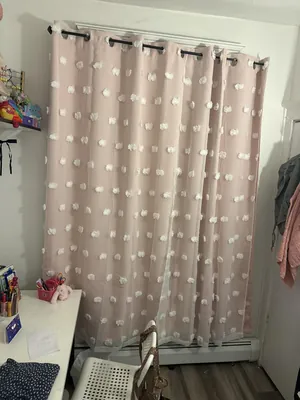
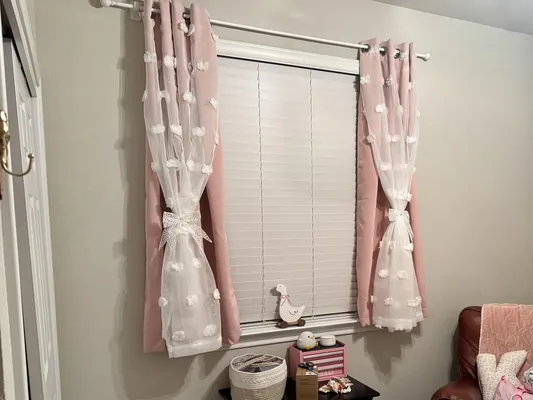
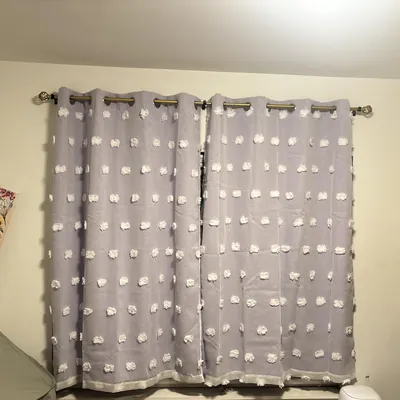
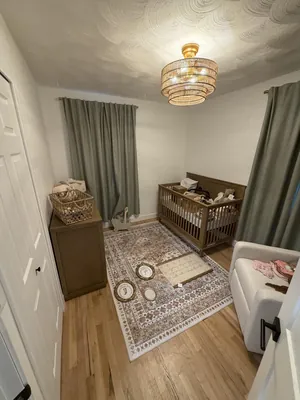
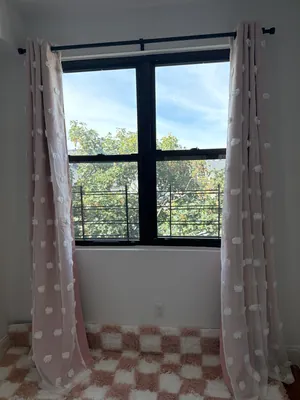
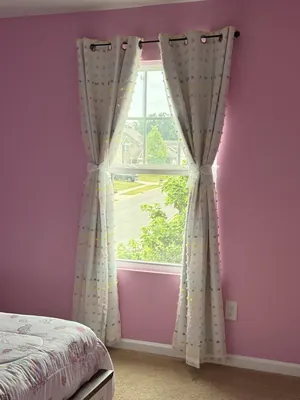
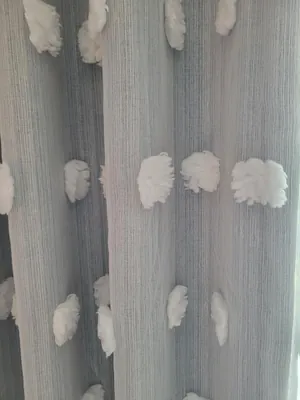
Two panels in the listings use pom-poms on a sheer layer over a darkening fabric. The first below is listed as 52-by-84-inch panels with two bonus tie-backs, eight grommets per panel, and a sheer overlay with big pom-poms. Buyers loved the color and texture, with several using them in a nursery or a toddler room, but many said the darkening layer is not fully blackout. A few buyers saw the sheer snag, especially on tie-backs with plastic flowers, and one noted the inner lining was a little shorter than the outer layer.
The second pairs a sheer white tulle pom-pom overlay with a soft room-darkening layer and comes with two bow tie-backs, per its listing. The listing says the layers block 60% to 80% of light and that the white option is the one to pick for full blackout. It also says the fabric was tested to a textile safety standard. Many buyers say it blocks light well, though a few said it is not 100% dark. One buyer said the pom-pom fabric tore at the grommets, and two found the price high. It is a newer listing with fewer ratings than most.
Are curtains safe around cribs and young kids?
Window covering safety guidance focuses on cords. The Consumer Product Safety Commission says pull cords, continuous loops, inner cords, and other accessible cords are dangerous to young children and advises cordless window coverings in rooms where a child may be present. For corded coverings you cannot replace, it advises keeping cords short and out of reach, anchoring loops, and moving cribs, beds, furniture, and toys away from windows and cords, preferably to another wall (CPSC). The page does not mention fabric tie-backs, so treat this as a general caution: keep long ties and any loose cord out of a child's reach, and anchor heavy rods well so they cannot be pulled down.
How do I choose a pink (or any soft color) that looks right in my room?
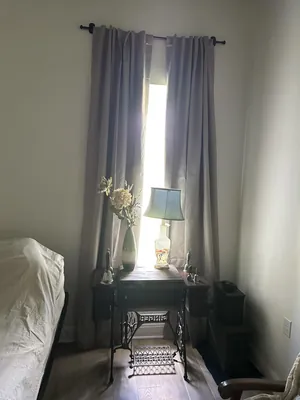
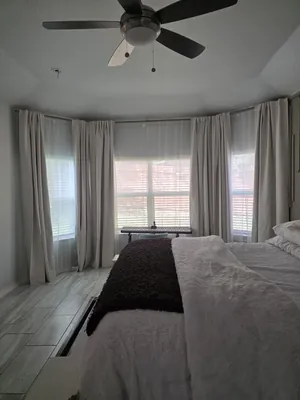
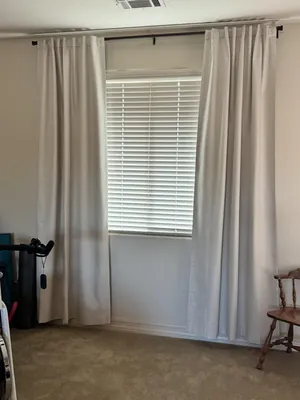
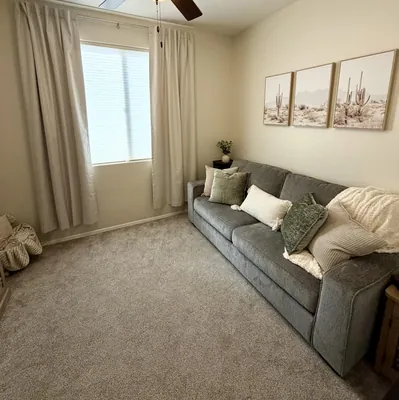
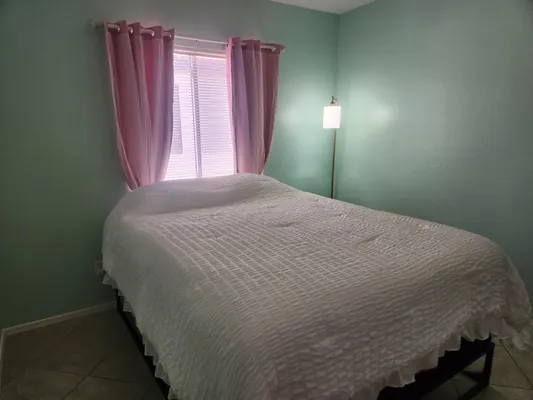
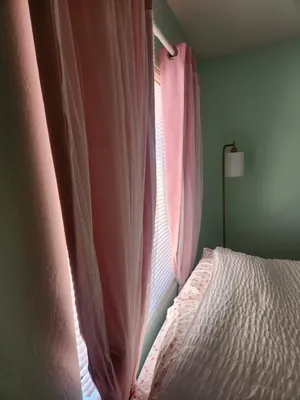
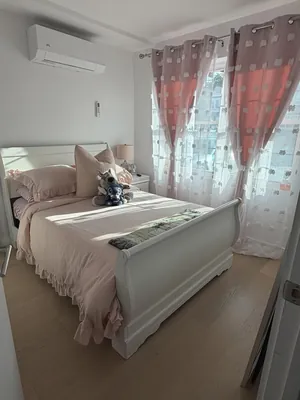
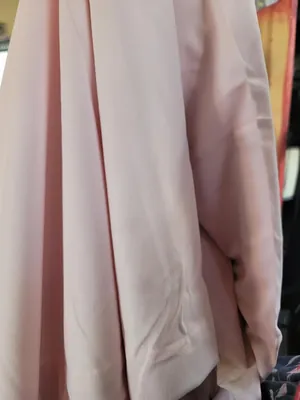
Names are unreliable. Buyers of pink curtains described their shades as bubblegum, soft and cool, pale, blush, and dusty mauve, and some were disappointed that something named "baby pink" was a muted rose that one buyer called a very mature pink. Others loved a pink that came out less bubblegum than the photo. The photos below show how much a pink changes from room to room, with daylight, lamps, and the wall color behind it.
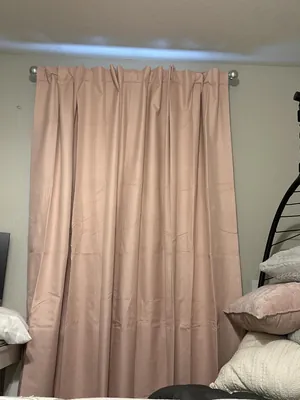
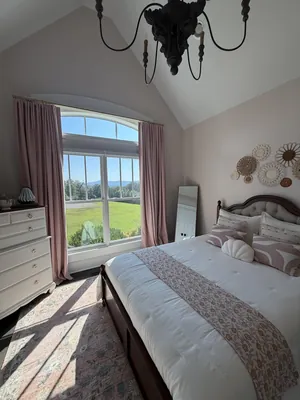
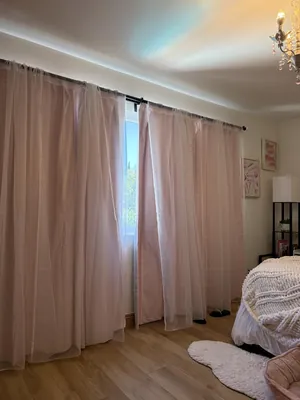
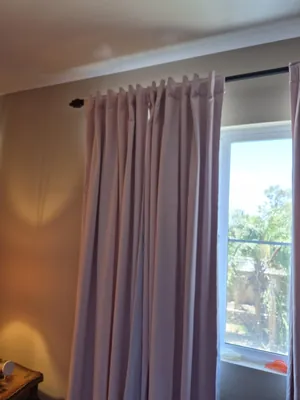
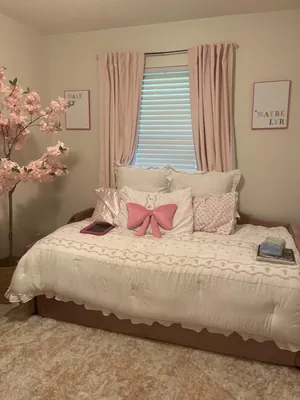
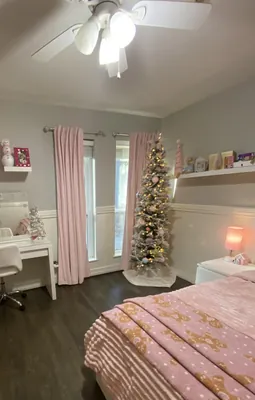
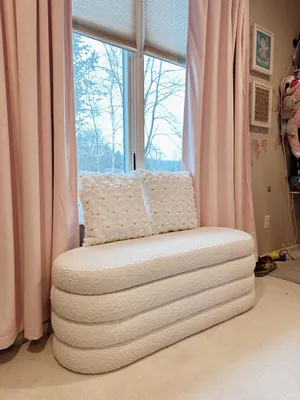
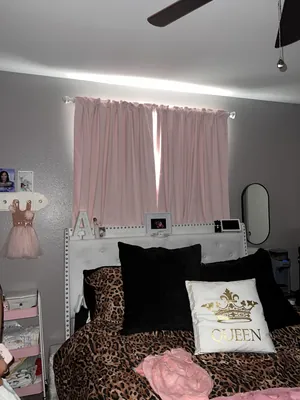
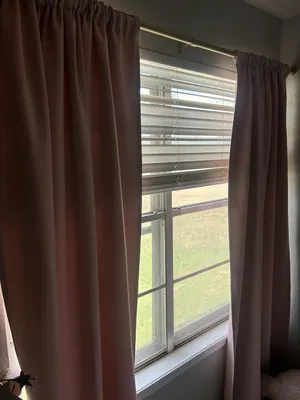
- Hold the color against what stays in the room: the trim, the bedding, the wall paint. One buyer chose a greige panel specifically to match wall paint and keep white trim looking crisp.
- Expect light colors to look warmer or more yellow than the photo. Buyers described beige and cream as "a little too yellowish" or orangey, and ivory as slightly greenish in some light.
- Look at the photos from customers more than the listing images. Several said the pictured color was close, a few said it was darker or less pink than expected.
- Light colors can let more light through, though not always: one buyer of a light beige panel with a thick blackout lining still found it fully dark. White or gray backing may matter for apartment or HOA rules, according to two buyers.
Which fabric feels right: velvet, linen-look, or lace?
Fabric changes the mood and the practical details. Velvet looks soft and a little formal, and hangs heavy. Linen-look fabrics look relaxed but are often stiffer. Sheers and lace let you keep a bit of daylight. Buyers also noticed what you do not see in photos: whether the back feels like cloth or coated plastic, how stiff it is, and whether it smells at first.
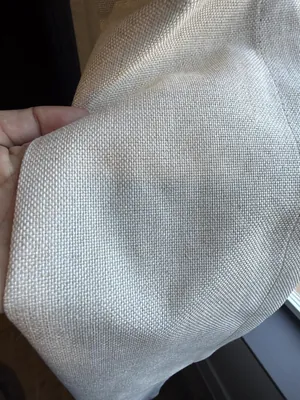
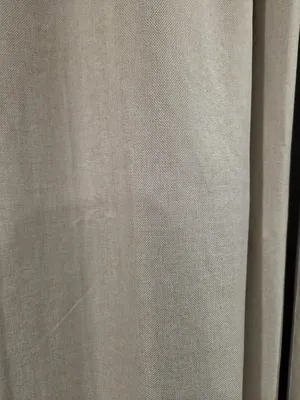
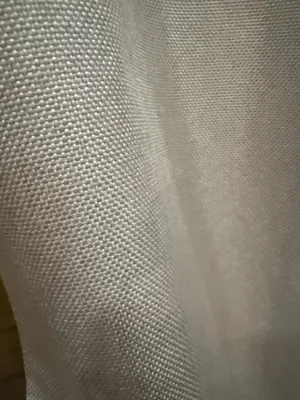
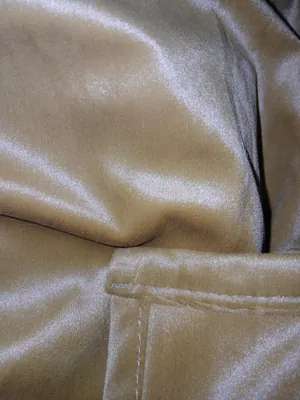
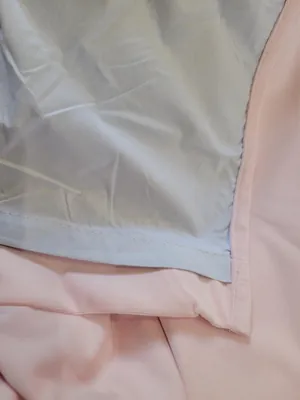
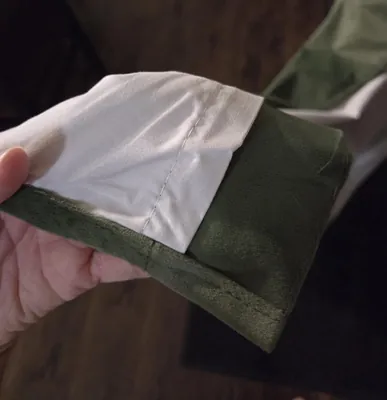
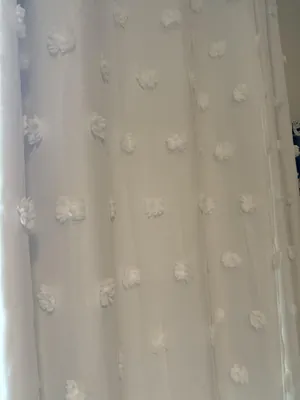
The velvet panels below are listed as a 240 GSM velvet with a 170 GSM lining, two panels, 52-by-84-inch, with both a rod pocket and back tabs and a fit for rods up to 3 inches. Buyers called them soft, very thick, and truly blackout, and several used them in a child's room. The white backing also kept one buyer's HOA happy. They are heavy, so buyers advised a heavy-duty rod and secure mounts. Two buyers disliked the stiff, plastic-feeling backing, and one said the chemical smell lasted for days.
Do blackout curtains keep a room cooler or quieter?
Listings say yes, and buyers often agree, within limits. Buyers of heavy curtains in west- and south-facing rooms said the room felt cooler, with one estimating about two degrees in a west-facing room in Florida. Others said the room felt warmer in winter. Buyers also said they muffled street sound a bit, but one reported they were not soundproof at all. These are buyers' impressions and listing claims, not measurements, and a curtain does not replace insulation or a tight window.
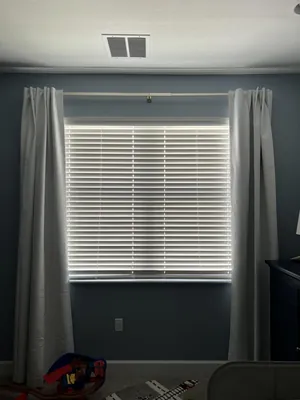
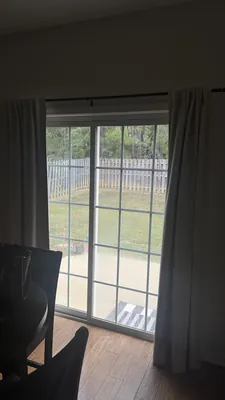
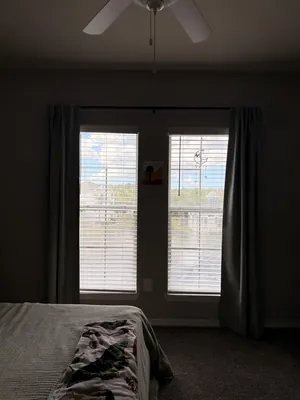
How do I get the wrinkles and new-curtain smell out?
Almost every buyer of a packed curtain mentioned wrinkles. Most used a steamer or a low-heat iron with a damp cloth, and some ran the curtains through the dryer on low for a few minutes. One buyer warned that the outer layer of a lighter fabric can crisp slightly if the steamer gets too close. A different buyer said the care tag on their panels warned against a dryer even though others dried theirs, so follow the tag that comes with your curtains and test a hidden corner first.
- Hang the panels and let gravity help for a day or two, then steam from a few inches away.
- If a panel has a plastic-like backing, use low heat and a pressing cloth, and test a spot on the inner hem.
- Wash first if the smell bothers you. One buyer said a strange smell was strongest after drying and faded within a day, and the panels shed a lot of lint on the first cycle.
- For delicate sheers, wash in a mesh bag so pom-poms and tie-backs do not snag, and use a cold gentle cycle if the label allows.
If a curtain looks stained, loose-stitched, or damaged when you open the package, take photos and ask for a replacement before hanging it. A few buyers noticed problems only after they put them up and wished they had checked first.