In this article
A countdown suits a kid who cannot keep their hands still when it gives those hands a job and gives the day one small, predictable thing to look forward to. A calendar of squishy, squeezable toys can do both, as long as you match it to the child's age, decide when each door opens, plan for sticky toys, and check the box the day it arrives.
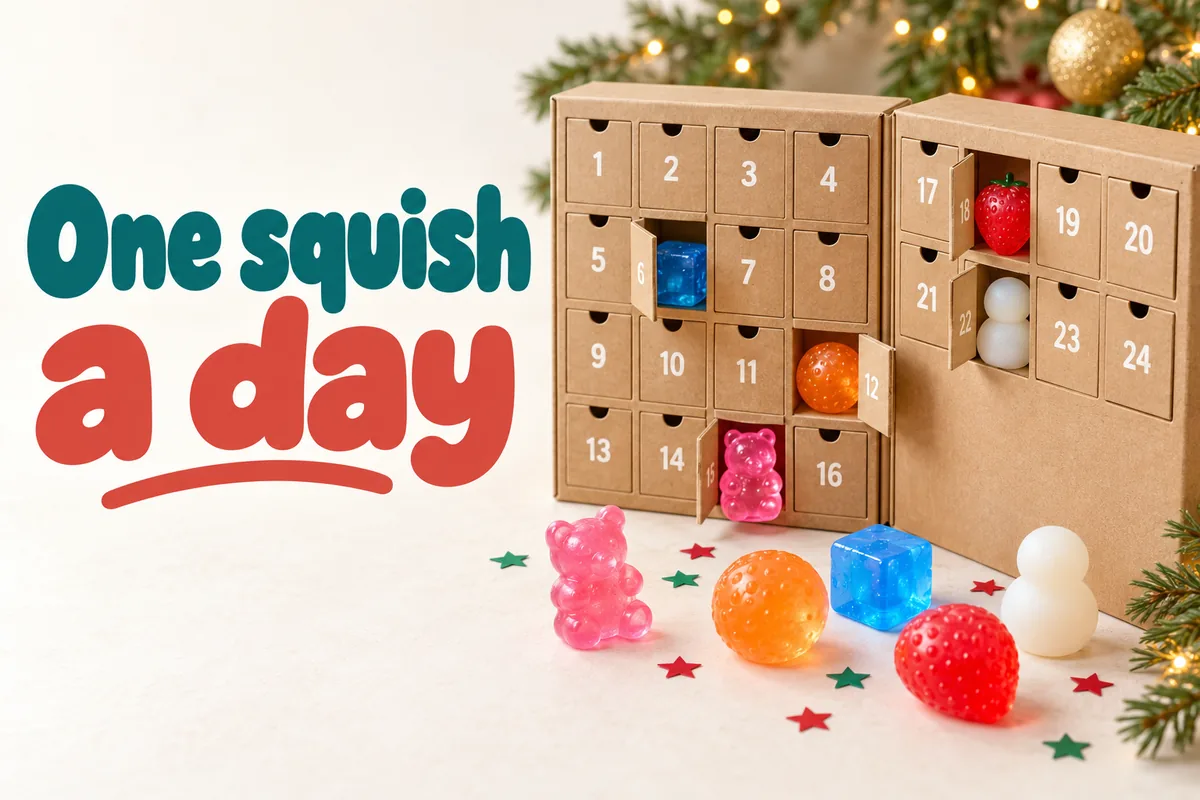
Some kids reach for anything they can squeeze, click, or pull while they listen, wait, or think. In December, when the days feel long and the excitement is hard to contain, a daily countdown gives that energy a home. Instead of a square of chocolate, the surprise behind each door is something to hold.
This guide covers how to make that kind of countdown work, which ages it suits, what the toys are like after a few weeks, and what to check before the first door. The examples come from six squishy and fidget countdown calendars and mini packs, and from what people who bought them report.
Why does a fidget countdown work for some kids?
A countdown is mostly about waiting well. A candy calendar rewards the waiting with a sweet that is gone in a minute. A squishy calendar rewards it with an object that is still around at bedtime and on the weekend. Buyers describe the appeal in just those terms: one called it a good alternative to calendars full of chocolate and candy, another said the kids wanted to open every door at once, and a parent whose family opened a door together each evening said it turned into a small tradition, with the toys later scattered around the house as stress relievers.
It is also worth being honest about what a fidget toy does. Researchers have studied whether fidgets help children focus, and the results are mixed. In one classroom study of children with ADHD, kids given fidget spinners broke class rules more often, and the lead researcher would not recommend spinners for them. Treat a squishy as a toy that feels good to squeeze, not as a treatment, and if attention is a daily struggle, talk with the child's teacher or doctor about strategies with better evidence.
How do you keep the countdown to one door a day?
Attach the door to something that already happens every day, such as breakfast, getting home from school, or brushing teeth. A fixed moment makes the reward predictable, and it cuts down on the negotiation over opening tomorrow's door tonight.
- Put the calendar out of reach, not out of sight, so the numbers are a daily reminder but the doors are not an open invitation.
- Open the door with the child instead of leaving them alone with it, so the surprise is part of the routine.
- Give the day's toy a home, like a pocket, a small bowl, or a bag, so yesterday's squishy does not end up under the couch.
- Decide ahead of time what happens on a missed day. Opening two doors the next morning is easier than a meltdown at the bottom of the box.
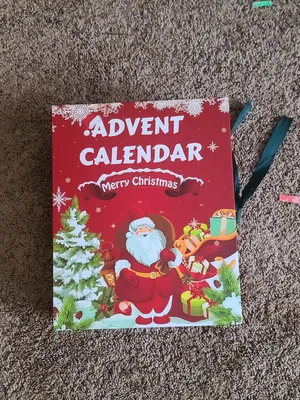
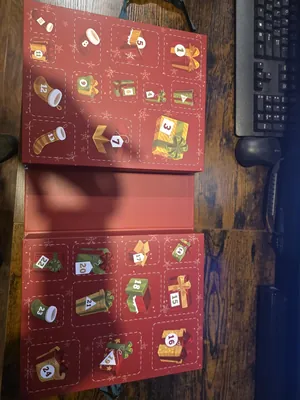
Door quality matters for the child who cannot wait. One buyer said the punch-out doors arrived intact, which they could not say for some other calendars where the doors start to open in transit, and another described a heavy, sturdy folding box. Store the calendar flat, where nothing presses on the doors.
Which ages can have a squishy countdown?
The calendars here are labeled for ages 3 and up, and that label matters. The U.S. Consumer Product Safety Commission bans small parts that fit its test cylinder, sized to approximate a young child's throat, in products intended for children under 3. A toy made for older children may still contain parts that small, which is why a 3+ label is not a license to hand it to a toddler. If there is a younger sibling in the house, keep the box and the day's toy out of their reach.
The child's habits matter as much as their age. A buyer of one mochi-style calendar liked it, but noted that the paint for the faces rubbed off on some of the toys fairly quickly and said they would not give them to children who put things in their mouths as part of fidgeting. Another buyer of the same calendar thought the pieces were too small for young children. For a child on the younger side of 3+, look for larger toys, and make it a firm rule that squishies are for hands only.
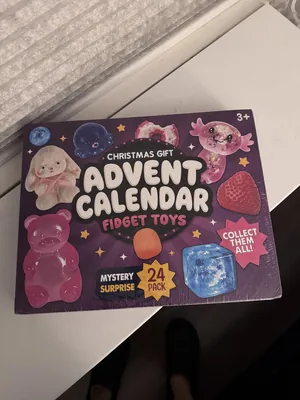
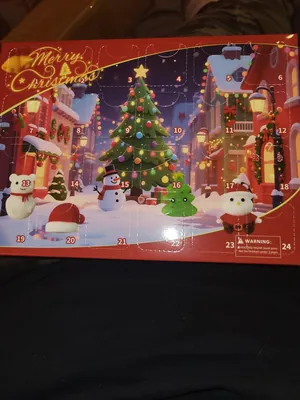
The listing says all 24 toys are different, made of non-toxic TPR rubber, and washable with soap and water, and it mentions a large transparent cat paw of about 4 by 4 inches. One buyer said the toys are a good size with not very many tiny ones, and another said the box was large and sturdy compared with cheaper options. The same listing has a mixed report: a buyer said that five months after the holidays the toys had become sticky and messy, which is a reminder to read the care section below.
What kinds of squishies come in a countdown calendar?
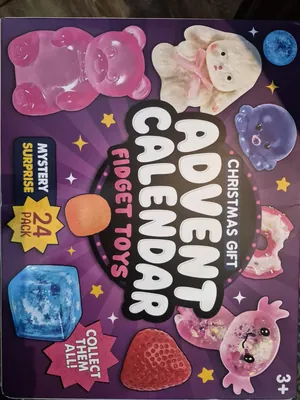
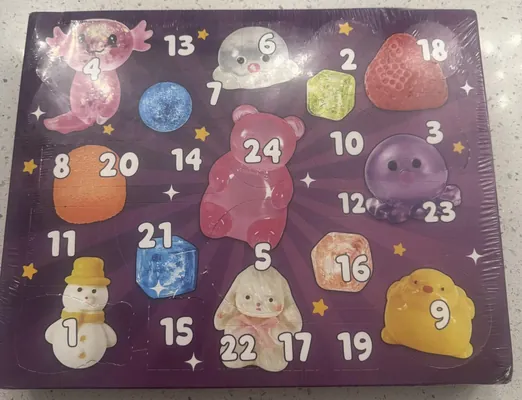
Expect a mix of shapes: animals, fruit, cubes, and holiday figures. Texture is where calendars differ. Many are gel-like jelly squishies, others are mochi-style, soft and squashable, and a few are plush. One buyer was happy with the quality and the range of shapes and colors, and liked that each toy was individually wrapped so it would not dry out, but wished for more variety in feel, since almost every toy had the same jelly texture. The same buyer said a few toys were slightly smaller in person than in the listing photos.
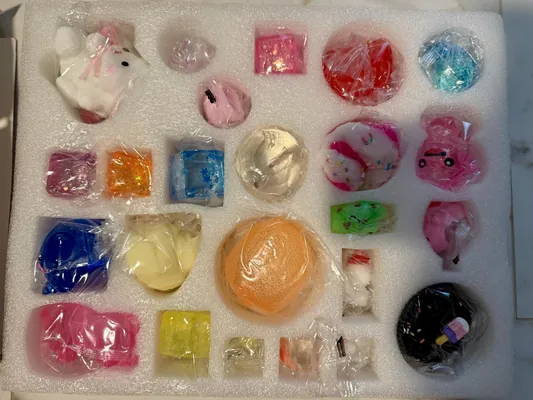
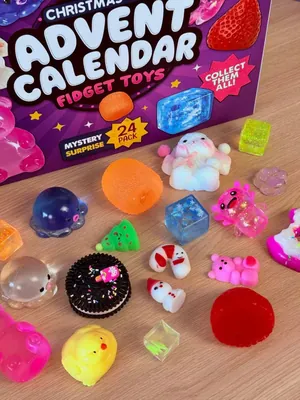
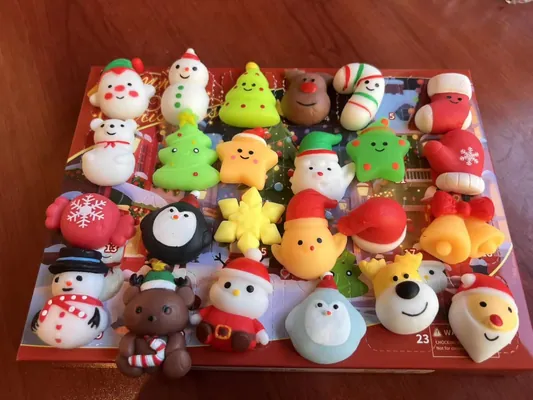
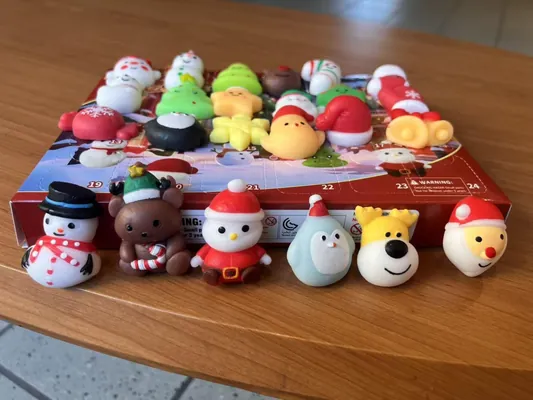
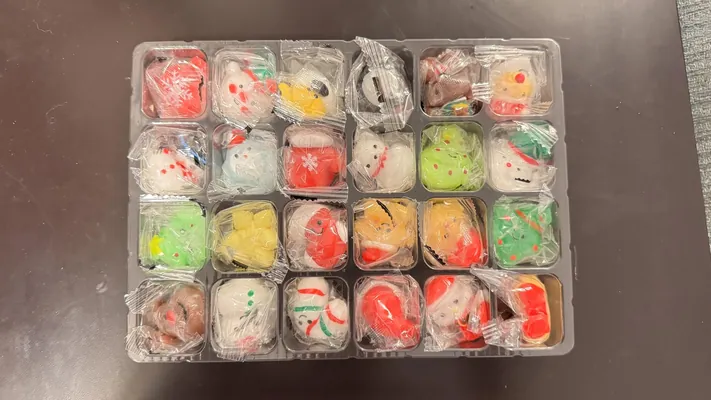
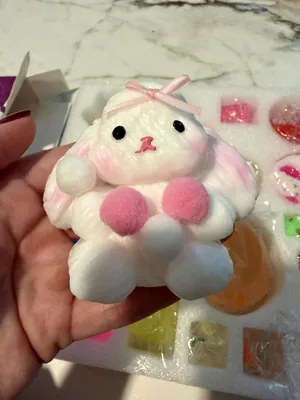
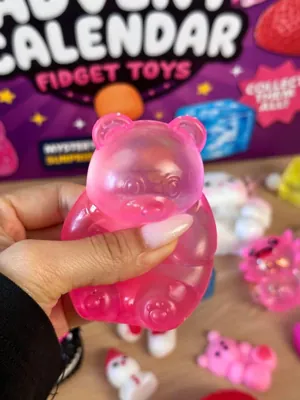
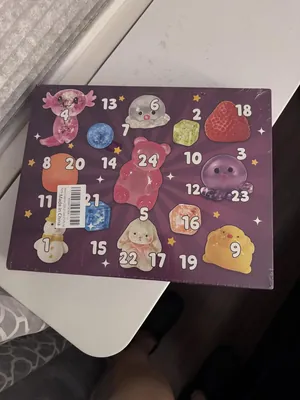
The listing describes 24 assorted squishy and fidget toys in animal, fruit, cube, and novelty shapes, for ages 3 and up. A number of the comments attached to this listing are actually about a scented-candle calendar, so only the ones that mention squishies are used here. One buyer said their kids love anything they can squeeze, and another noted that teens and adults who like fidgets could enjoy it too.
What happens to squishies after the first few weeks?
This is the part nobody photographs on Christmas morning. Sticky toys tend to collect lint, hair, and dust. A buyer of one calendar described a child who loved the daily surprise, but five months later the toys were extremely sticky and a mess. Another, whose daughter loves fidgets, warned that a good number of the toys in their calendar were the sticky "taba" kind and said it was not a good fit for a really small child. A buyer of a mini pack said the cubes had the slightest sticky feel, but nothing that left residue.
- Keep each toy in its wrapper until its day, then give it a small zip bag or container as a home instead of loose in a toy bin.
- If the listing says the toy can be washed, rinse off dust with mild soap and water and let it dry fully. The listing for one calendar says its toys can be washed that way, so check yours.
- Keep squishies away from heat and sun. A buyer who received one that had popped suspected the heat of delivery, and a warm car or porch is a good way to repeat that.
- Squeeze gently. A toy that has popped is at the end of its life, not a cleanup project.
One buyer called the quality of this calendar well above the average fidget toy, but said the toys can be quite sticky. Another found that not everything in the listing photo was in the box and that one toy arrived popped, so treat the pictured toys as examples, not a checklist.
Are fidget calendars only for kids?
Not at all. Several listings are pitched at teens and adults, and one buyer bought a calendar for a teenage son who loves fidgets. Squishy toys fit in a pocket or a desk drawer, so a countdown can be a series of small breaks during homework or a workday. If that is the idea, choose a calendar with smaller, simpler toys that will not get lost.
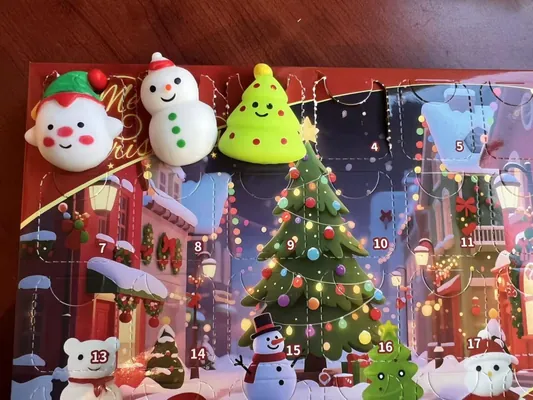
The listing describes 24 soft mochi toys in assorted holiday designs. Buyers mentioned the gummy, gel feel and the cute faces, but also the paint on the features coming off on some toys. One buyer said some pieces were missing, and another said they could not return an unopened calendar. Others said the kids were thrilled, and one called it a good alternative to chocolate and candy.
What if the child prefers soft to squishy?
Some kids do not like sticky or rubbery textures at all. A plush countdown may suit them better. This one is a soft option with 24 tiny stuffed figures, described by its listing as about 2.5 inches each. It has very few ratings so far. Two short comments say it matched the description, and one buyer outside the U.S. reported that the outer box looked water-damaged but the contents were fine, so rely on the listing for the contents.
Can you build a countdown yourself?
Yes, and it is the cheapest way to match the contents to one child. Number 24 small envelopes, paper bags, or a muffin tin, and put a squishy in a few of them, with other low-key items like stickers, a note with a joke, or an invitation to do something together in the rest. The squishies do not have to be a daily event. Variety also helps if you are not sure which texture your child likes.
A mini variety pack is a handy base. The listing for this one has 10 small, solid squishes in different finishes, including glow-in-the-dark and swirl ones, about 1.5 inches across, for ages 3 and up, with colors that vary. Buyers liked the variety and the way each one squishes differently, and several bought it for stocking stuffers. One said the cube-shaped ones have a slight tackiness, and another said the colors are random, so you cannot choose.
What should you check when the calendar arrives?
Most of the complaints in the batch are about what is in the box, not about the toys themselves. Buyers reported a calendar that arrived already opened with several items missing, toys that were not in the listing photo, and a pack with some pieces missing. Because the doors are sealed, a problem may not show until day 12.
- Open the shipping box the day it arrives and look at the calendar from every side: are the doors sealed, is the box dented or already open?
- Note the return window, which starts on delivery, not when you open the first door. Ordering early and tucking the box away can leave you outside the window by December.
- Compare the contents to what the listing says wherever you can see them, such as through a clear tray. Treat photos as examples, since a buyer reported receiving different toys than pictured.
- Keep the packing slip until January in case something is missing.
What do you do with 24 squishies on December 26?
Do not hand the whole pile over at once. Choose three or four to keep out, put the rest in a bag or bin, and rotate them every couple of weeks, which keeps each toy interesting and cuts down on sticky dust. Siblings can divide them up so nobody fights over the best one. The listings also pitch the little toys as stocking stuffers, class party favors, and travel distractions, which is a good use for the spares.
The countdown ends with the last door, but the part that helps a fidgety kid, something small to hold during a car ride, a long dinner, or a wait at an appointment, can last well after it.