In this article
A scented body butter can do two jobs in one step: it moisturizes after a shower and leaves a soft scent that stays close to the skin. What it cannot do is project like a spray cologne, and the "pheromone" label on some jars is marketing, not a proven effect. Apply it while skin is damp, use a small scoop, and test the scent on its own before you layer anything on top. If your skin or nose is sensitive, or the face is the problem, an unscented balm is the better choice.
Walk into any drugstore and you will find a bottle of cologne next to a jar of body butter, and a growing number of products try to be both. The appeal is easy to see: one step after the shower, skin that feels less tight, and a scent that stays close instead of announcing you from across the room.
This guide covers what the "pheromone" label really means, what a moisturizer should do before scent enters the picture, how to make a fragrance last without overdoing it, where on the body to put it, and what to do if your skin or nose is sensitive. It also covers when a plain, unscented balm is the better call.
Does pheromone body butter actually work?
Start with the claim on the jar. A pheromone is a chemical signal that changes another individual's behavior or body, which is well established in many animals. For people the evidence is thin. In a 2015 review in Proceedings of the Royal Society B, biologist Tristram Wyatt found no robust evidence that the four steroid molecules most often marketed as human pheromones (androstenone, androstenol, androstadienone, and estratetraenol) work as pheromones. He did not rule out that humans have them. His point was that the claims so far lack solid proof.
So read "pheromone" on a label as marketing language. One jar in this group is named for it, and a buyer who liked its thick texture wrote that they were not sure about the pheromone part. What you can count on is more ordinary: a moisturizing base and a fragrance, which may make you feel put together and which other people may or may not enjoy.
Will other people notice the scent?
It depends on the scent, the amount, and who is standing nearby. Buyers of scented body butters describe everything from compliments from a partner or a bakery clerk to a scent that faded within an hour. One buyer named the basic limit: a body butter is not built to project like a spray, so people usually smell it only up close. If you want a scent that carries across a room, a spray does that job. If you want something people notice when they are near you, and skin that feels better in the meantime, a scented butter is a reasonable fit.
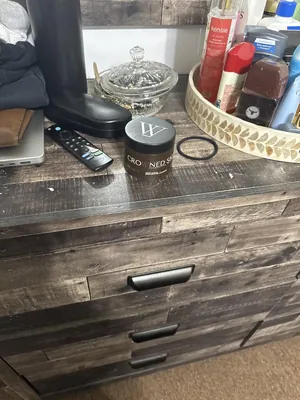
The jar below is the one in this group that leads with the pheromone name. Its listing describes a bergamot scent with warm, spicy, woody, and amber notes over shea, cocoa, and mango butters and coconut oil, and says the formula is alcohol-free and vegan. It is a newer listing with only a handful of ratings, so most of what is known comes from the listing itself. The buyers who commented called it thick and rich, and several found the fragrance strong, which matters if you share a bathroom or wear other scents.
What should a moisturizer do for dry skin before you add scent?
Scent is the garnish and the moisturizer is the meal. Skin that feels tight after a shower will not feel better because it smells good. The American Academy of Dermatology advises moisturizing while skin is still damp after a bath or shower, again after washing your hands, and whenever skin feels dry. It also suggests thicker creams and ointments over thin lotions, and names ingredients such as glycerin, petrolatum, shea butter, and dimethicone.
The same advice recommends short, warm showers of about 5 to 10 minutes instead of long hot ones, and patting skin dry with a towel rather than rubbing. All of the jars and tubes in this guide are built on shea or other butters, so they fit the "thicker cream" idea. What changes from one to the next is how much fragrance comes along.
How much body butter is enough?
Buyers keep landing on the same practical point: a little goes a long way. Start with a small scoop, spread it over damp skin, and add more only where skin still feels dry. Too much is where the complaints about shine and greasiness begin. One buyer who wore it shirtless on a cruise liked the scent but said a heavy application on the chest left a visible sheen.
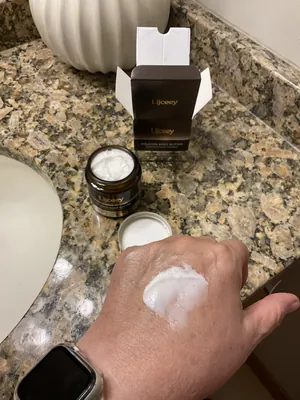
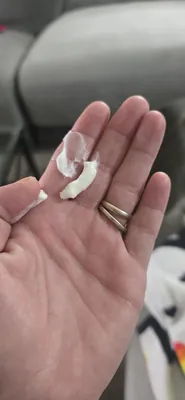
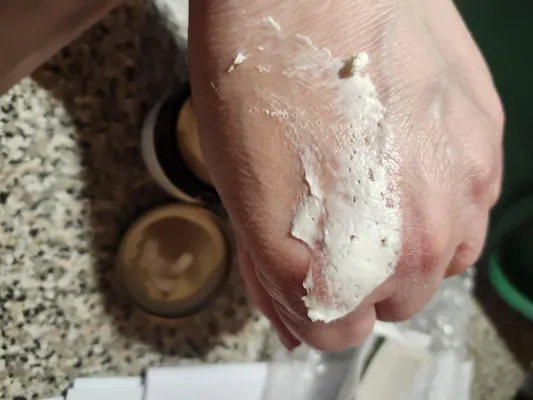
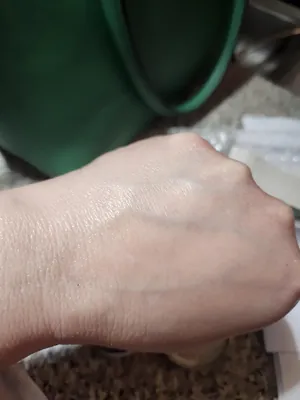
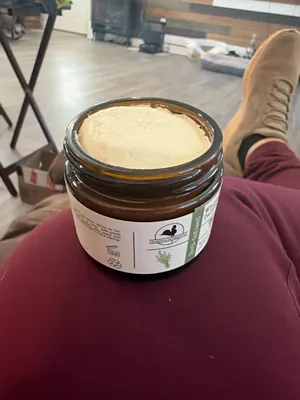
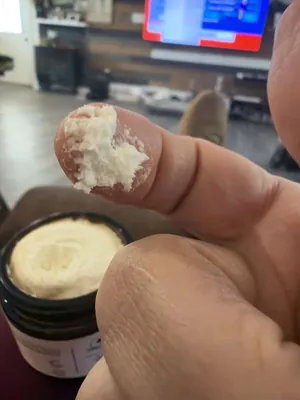
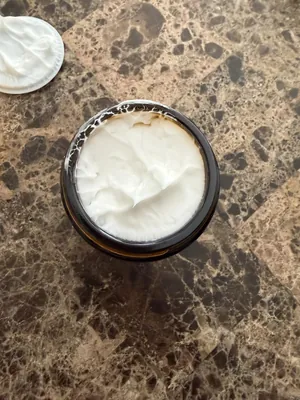
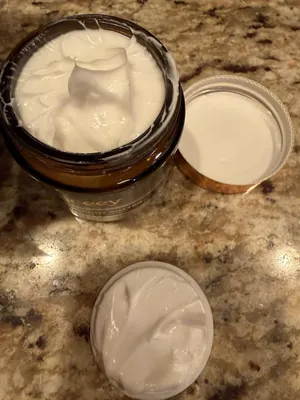
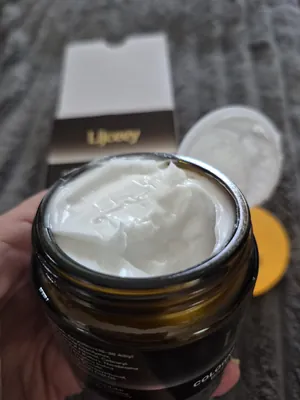
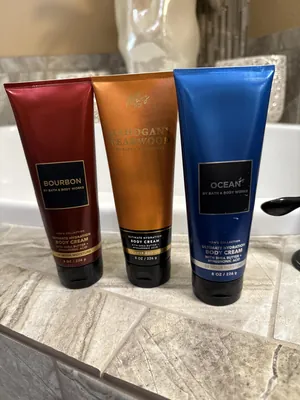
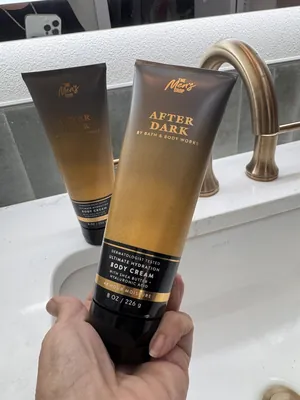
For whole-body use, a larger tube is easier on the budget than a small jar. The listing for the tube below describes an 8-ounce men's body cream with shea butter and hyaluronic acid and says it provides up to 48 hours of moisture, which is the maker's claim. Buyers describe a thick but non-greasy cream with a woody scent that lingers for hours. A few found the scent strong in a small bathroom, one thought it moisturized less than they expected, and a couple noticed the tube arrived without a foil seal, so check it when it comes.
How do you make a scent last without overdoing it?
Apply it when skin is warm and damp. That is the same moment the dermatologists recommend for moisturizing, and it is when several buyers say they put theirs on, usually right after a shower. The reasoning is practical: skin that is already moisturized gives the fragrance something to sit on, and you do not need a second step.
Expect a wide range of results. Buyers of the scented jars report anything from a scent that faded in 10 to 15 minutes to one still noticeable the next morning, and one estimated five to six hours against the 12 hours they had seen in ads. Part of that spread is personal, because skin chemistry differs. Part of it is nose fatigue: as one buyer noticed, you get used to what you are wearing and stop smelling it long before other people do. Ask someone you trust instead of relying on your own nose.
Should you wear cologne on top of it?
Some people do. One buyer layered a favorite cologne over a body butter and wrote that it drew compliments, while another warned that a strongly scented butter can clash with the scents you already wear. A safer way in is to use the butter on its own for a week, so you know how it smells on you. Add a spray only if you want more reach, and if you do, pick related notes, citrus with citrus or woods with woods, and use one spritz instead of a cloud.
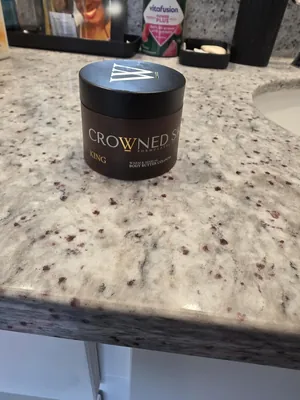
The jar below leans warm. Its listing describes mandarin, patchouli, dark vanilla, and musk over shea and mango butters, and it comes in several scent versions. Opinions among buyers split: some say the scent lasts all day, others call it closer to a lotion with a hint of fragrance. Several noted the jar is smaller than the photos suggest, and two said the notes printed on the label for their version did not match the online description, so read the label for the version you choose.
Where should you apply a scented body butter?
Arms, chest, and the sides of the neck are the usual spots, because warm skin lets a scent bloom, and right after a shower is the easiest time. Keep it away from your eyes and from broken or irritated skin, and give it a minute to absorb before dressing. One buyer noted that a thin layer is not greasy enough to mark a T-shirt if you wait briefly.
One caution comes from a buyer who wore a body butter on the neck and chest. They wrote that a hollow gold chain turned brittle and fell apart after a week of daily wear, and that the jeweler suspected the all-day scented product, since cologne and perfume can harm some jewelry. That is one buyer's account and the cause was not confirmed, but the habit it suggests costs nothing: apply the butter, let it sink in, wipe your hands, and put your jewelry on afterward.
What if your skin or nose is sensitive to fragrance?
Fragrance is one of the more common triggers of skin reactions. The FDA notes that cosmetics, including fragrances, can cause allergic reactions, most often an itchy red rash, and that fragrance can also bother the airways of people with asthma or allergic rhinitis. If a product seems to be the cause, the agency's advice is to stop using it and see a healthcare provider. It also points out that "fragrance-free" and "hypoallergenic" are not federally defined terms, and that a fragrance may appear on a label simply as "fragrance" or "perfume," so the ingredient list is the more reliable guide.
The AAD adds that dry skin does best with gentle, fragrance-free products, and that "unscented" products can still contain masking chemicals. It also asks you to tell a dermatologist if any product burns, stings, or irritates your skin. Buyers say the same thing in plainer words: one wrote that too much fragrance can irritate their skin, and another loved the texture of a butter but found its scent too strong to wear.
What if a scent turns out stronger than you expected?
Start with a small area and see how your skin responds before covering your whole body. The jar below is described in its listing as a shea, cocoa, mango, and coconut-oil butter for both men and women, with several scent versions that range from citrus and aquatic to musky and woody. Buyers liked the non-greasy feel and said a little goes far, but their experience of the scents varied widely: one found their version too strong to use, and another said theirs had almost no scent at all. Versions in the same line can clearly differ, so choose by the scent notes and not only by the brand of jar, and check the label when it arrives.
Is a tallow balm a good face moisturizer for men?
Many men skip fragrance on the face altogether. It sits close to the eyes and nose, it gets shaved, and a body scent rarely belongs there. That is where balms made from rendered beef fat, known as tallow, have caught on. Be clear about what supports them. The listings make claims about fine lines, under-eye puffiness, and eczema, and the only evidence offered here is buyers' own accounts. None of it amounts to clinical proof.
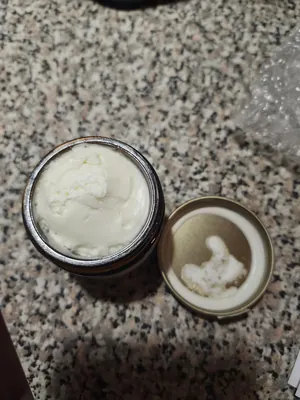
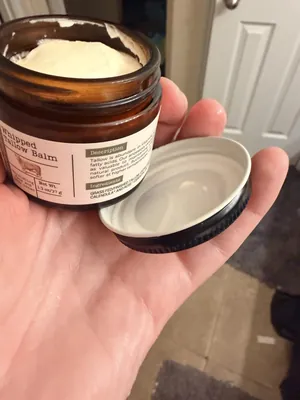
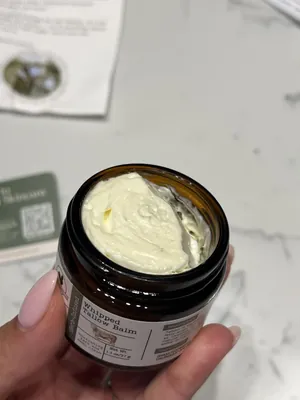
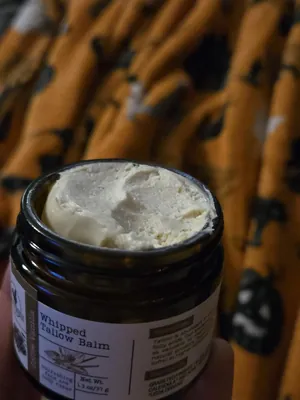
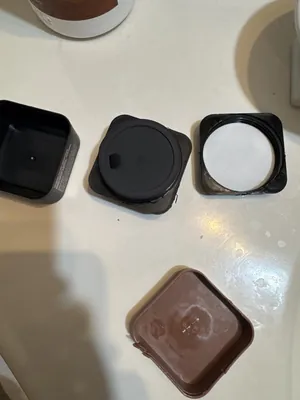
The first balm here is nearly scent-free, which is why it appeals as an after-shave step. Its listing describes a whipped tallow balm with collagen in a 1.7-ounce tub, suitable for day or night. Buyers call it light, not greasy, and one said they could not detect any odor. Opinions on under-eye puffiness split: one buyer in their seventies said the bags under their eyes looked lighter, while others saw little change after a month. One summed it up as a good moisturizer, not a cure for looking younger. One buyer also found the tub hard to open, since it has no obvious instructions and the lid looks like it should simply pop off.
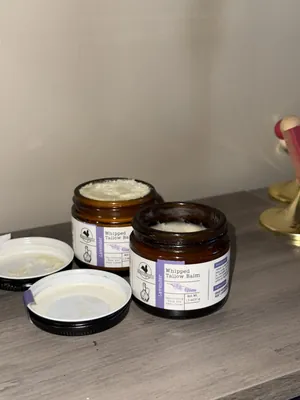
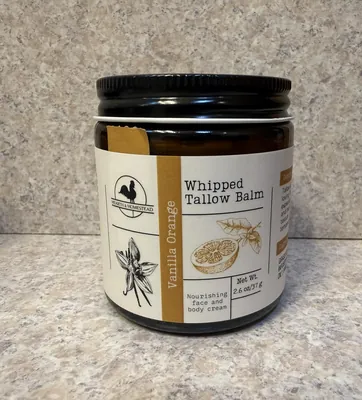
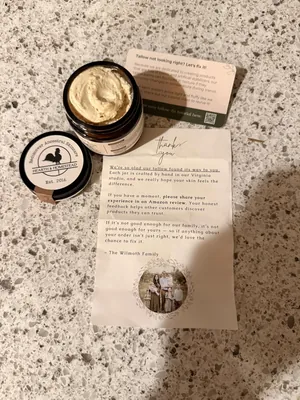
The second balm is richer. Its listing says the tallow is slow-rendered in small batches in Virginia, and it comes in scented and unscented versions. Buyers describe a soft whipped texture that melts and absorbs, with a small amount covering a lot of skin. Several said it can feel greasy if you use too much, and a handful found the jar smaller or emptier than expected for the price, or received one that had leaked in shipping. Many buyers also describe using it on eczema patches, including on a baby's skin. Those are personal accounts, and eczema is a medical condition. The AAD notes that dryness that persists can signal an underlying problem, so ask a clinician, especially before using anything new on a baby.
A simple after-shower routine to start with
- Keep the shower short and warm, then pat dry and leave your skin slightly damp.
- Put an unscented balm or moisturizer on your face and any dry spots on your hands.
- Spread a small scoop of body butter or cream over your arms, chest, and legs, and add more only where skin still feels dry.
- Let it absorb before you dress, and put on jewelry afterward.
- If you want more scent, add a single spray on a different area and ask someone how it reads.
Check the size before you order, because small jars mean a small supply. Buyers of several jars said the product looked larger in the photos than what arrived, so compare the ounces. If your skin is still dry after a few weeks of this, or a new product burns, stings, or itches, stop using it and talk to a dermatologist or other clinician, as both the AAD and the FDA advise.