In this article
Toddlers do not color the way the box shows. They color the table, the chair, the dog, and sometimes the wall, usually the moment you look away. The goal is not to keep crayons out of reach for years. It is to choose a spot, a crayon, and a cleanup habit that keep the mess small. Three decisions cover most of it: where your child colors, what they color with, and what you do in the first minute after a mark lands somewhere it should not.
Does “washable” really mean the marks come off?
Partly, and it depends on what the mark landed on. “Washable” on a crayon box is the maker's description of how easily color comes off, usually skin and hard, sealed surfaces. It is not a promise about every wall, sofa cushion, and sleeve. The safety label is a separate thing: the U.S. Consumer Product Safety Commission says art materials reviewed by a toxicologist carry the statement “Conforms to ASTM D-4236” (CPSC labeling overview). That statement is about health labeling, not stain removal, so it is worth finding on the package, but it will not tell you what happens on your rug.
The pattern in what buyers of washable crayons report is consistent enough to plan around:
- Usually wipes off: skin, tabletops, laminate and tile floors, windows, and the plastic trays and chairs toddlers sit at. Several buyers clean these with a damp cloth or a baby wipe.
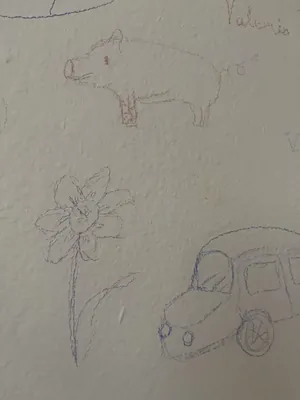
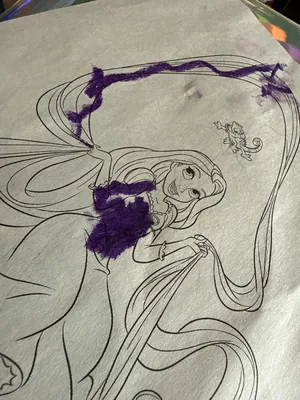
- Hit or miss: painted walls. Some buyers say marks came off with a damp cloth. Others say the color did not come off every wall, or not completely.
- The ones that cause regret: clothes, rugs, upholstery, wood, and bathtubs. One buyer says an orange crayon stained a shirt for good even after washing and stain remover. Another could not fully lift red from a rug. Dark and saturated colors, especially black, red, and orange, come up most often.
So treat “washable” as “easier to clean,” not “harmless.” Test a hidden spot first, wipe soon rather than later, and decide where coloring is allowed before the first crayon comes out.
Where should a toddler color so the mess stays put?
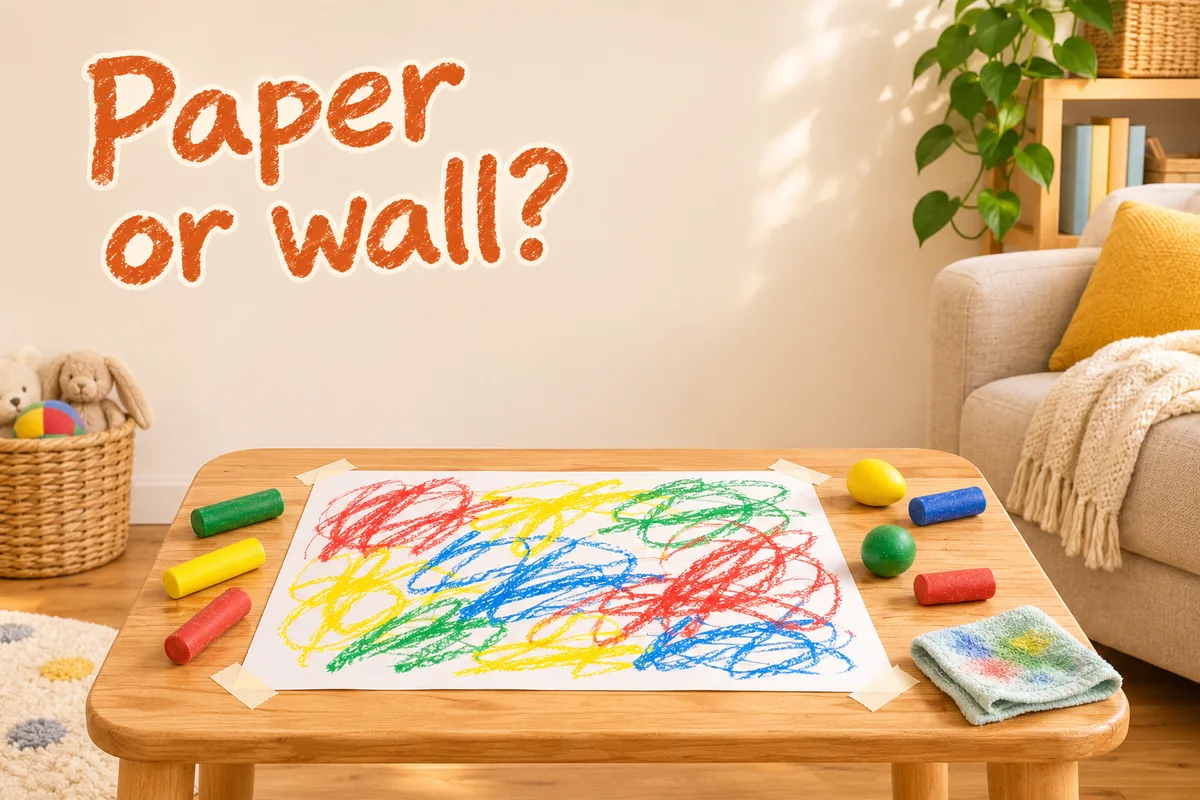
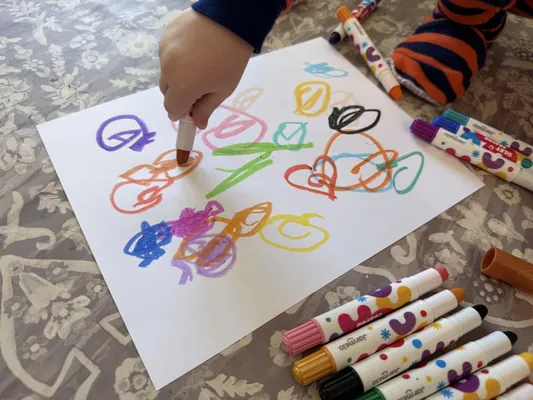
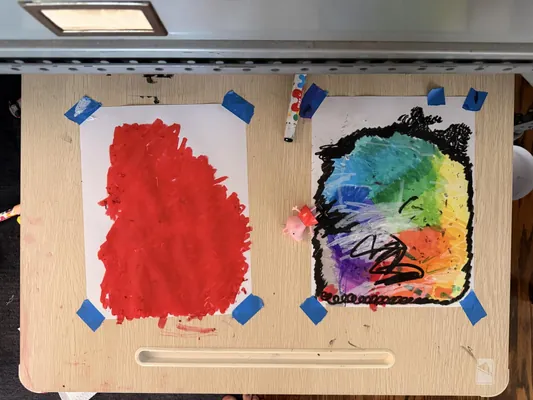
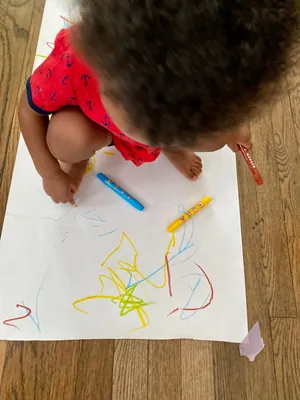
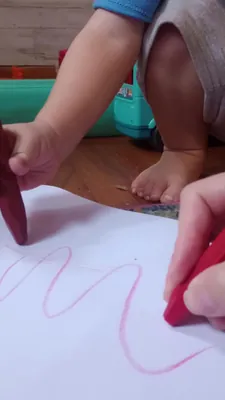
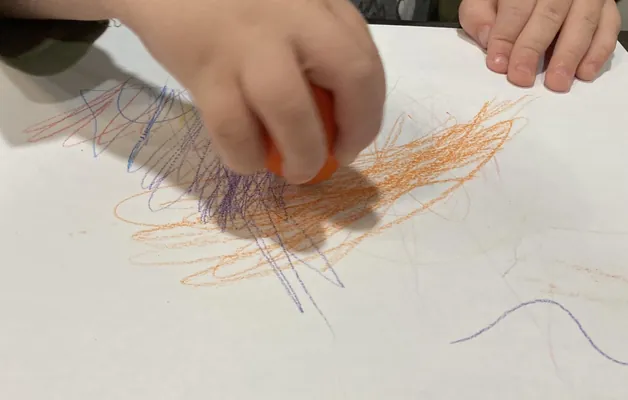
The easiest fix is a place where marks are expected. A hard, wipeable surface works best: a kitchen table with a plastic mat, a high-chair tray, or a clear stretch of hard floor with a big sheet of paper laid down. Make the paper larger than the child can reach in one sweep. Toddlers scribble past the edge, and the edge is where the table starts.
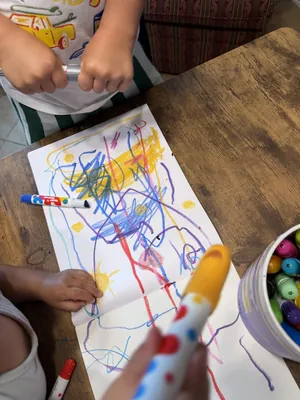
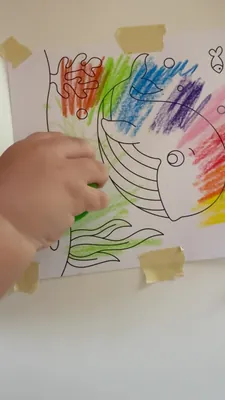
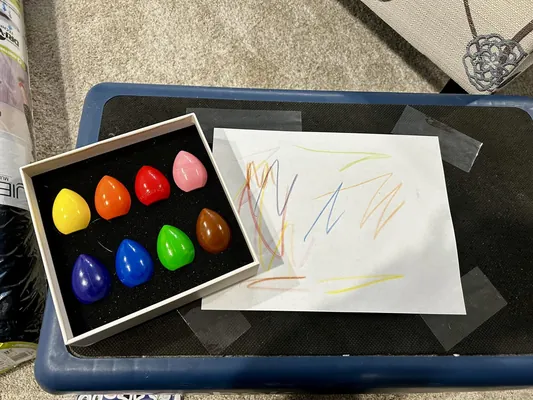
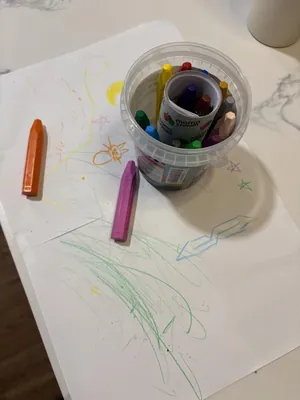
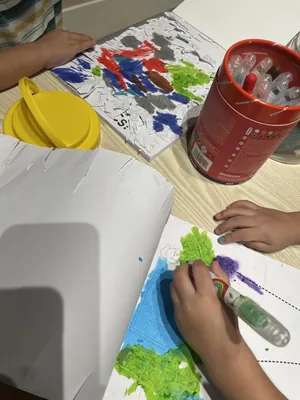
Tape the corners. Buyers show sheets taped to a desk, to a tray lid, and to a table, and it keeps the paper from sliding away and taking the crayon with it. Keep the crayons themselves out of reach between sessions and bring them out when you can sit nearby. One buyer of soft twist-up crayons says they need as much supervision as markers.
What if they color the wall anyway?
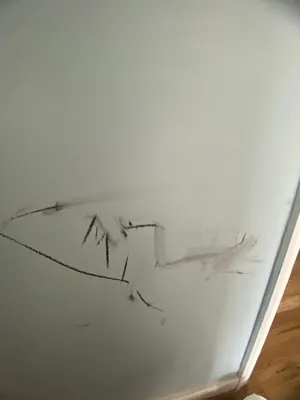
Stay calm and move the paper to the wall. Taping a large sheet at the child's height gives the same arm-sweeping motion a legal target. Hand over a crayon only after the paper is up, and put the crayons away once the sheet is full. It also helps to say what is allowed in a sentence a toddler can hold on to: “Crayons go on paper.”
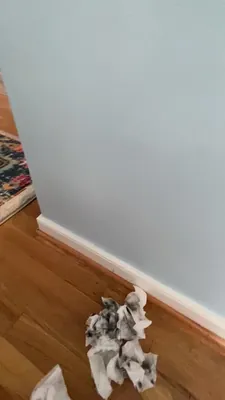
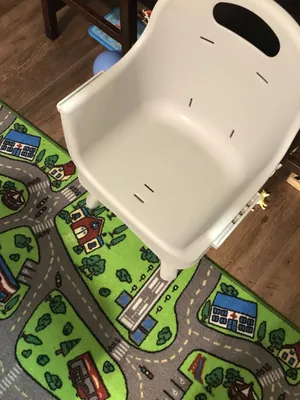
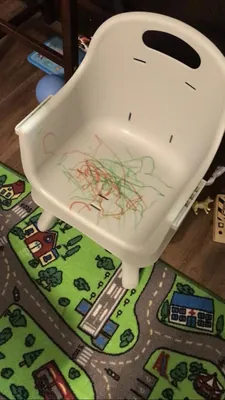
How do you clean crayon off walls, furniture, and clothes?
Wipe as soon as you see it. One maker's listing says to wash marks off with soap and water right away, and a buyer who struggled with a stained tub says to do the same. Here is how the surfaces break down:
- Tables, trays, windows, tile: a damp cloth or baby wipe, then dry. One buyer sprayed window cleaner on marks left on a glass door and wiped them off.
- Painted walls: try a damp cloth on a small hidden patch before you tackle the visible mark, and press lightly. Hard scrubbing can change the sheen of some paint finishes, so stop if it does.
- Skin: soap and water or a wet wipe. Buyers of several sets say it comes off hands and arms easily.
- Clothes: treat the spot soon and follow the garment's care label. One listing suggests washing stains in cold or warm water with laundry detergent. A few buyers say dark colors stayed anyway, so choose old clothes for coloring time.
- Rugs and upholstery: blot rather than rub, and keep soft crayons away from them. These are the surfaces buyers regret most.
Why do some crayons smear so much?
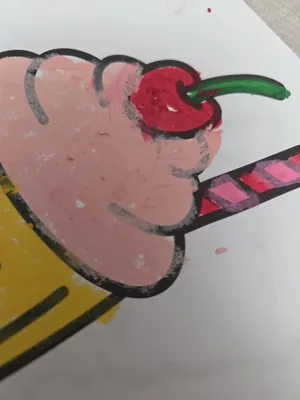
Soft, creamy formulas lay down bold color with almost no pressure, and the price is smearing. Buyers say the color never fully dries, rubs onto a hand resting on the page, and transfers to the table when the paper is flipped over. One grandparent lays a paper towel over finished areas so the child's arm does not drag through them. If you want less transfer, a firmer wax crayon smears less.
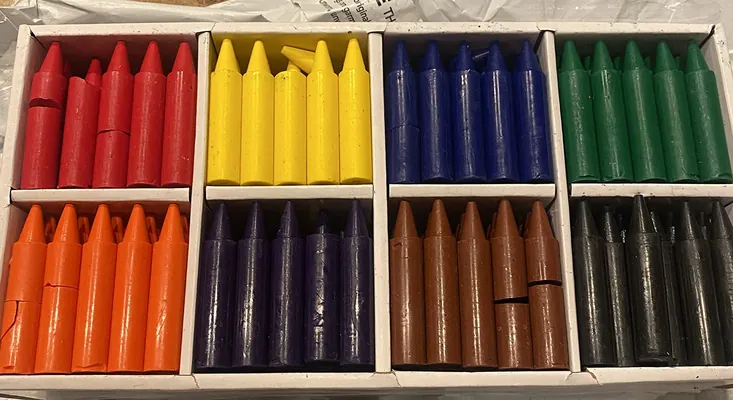
That is one reason a plain, firm jumbo crayon still earns a place in the cupboard. A set of 24 small boxes of jumbo crayons gives you spares for a second table, a car, or a visitor, and the listing says marks wash off skin, walls, desks, and most fabrics. One buyer tried it only on glass and skin and found it washed off. Another bought it for a wedding so it would not stain the linens. Two things to know first: every box holds the same eight colors, and one buyer found the colors less vibrant than expected.
Which crayon shape is easiest for a one- or two-year-old?
Think about what a toddler does to a crayon: grips it in a fist, presses hard, drops it, throws it, and sometimes bites it. A slim wrapped crayon loses to all of that, and the paper wrapper ends up on the floor. That is why buyers keep describing the same upgrades: thick, short, wrapper-free, and hard to snap.
The Centers for Disease Control and Prevention lists scribbling on their own among the milestones by about 18 months (CDC milestones by 18 months). At that age, what matters is a crayon a whole hand can hold, not coloring inside the lines. A teacher who bought a large box for a transitional kindergarten class says the chunky size helps early learners practice grip. Another teacher likes that they have no wrapping, since peeled paper turns up all over the room.
For a group, a big box makes sense. One buyer bought 200 wrapper-free chubby crayons, 25 of each of eight classic colors, and says they are hard to break and sized for small hands. The cost is a smaller crayon than a standard jumbo, and some buyers call it pricey. One said they arrived with at least ten broken, so count and check on arrival.
What about toddlers who still put everything in their mouths?
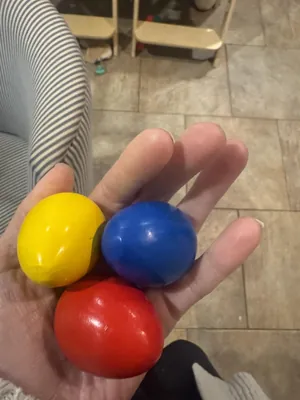
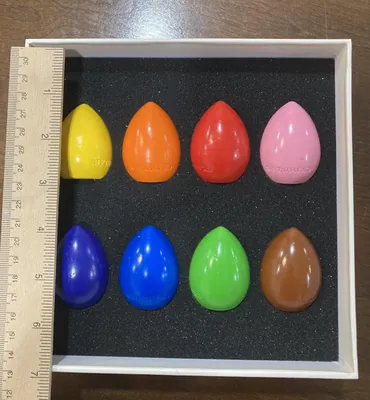
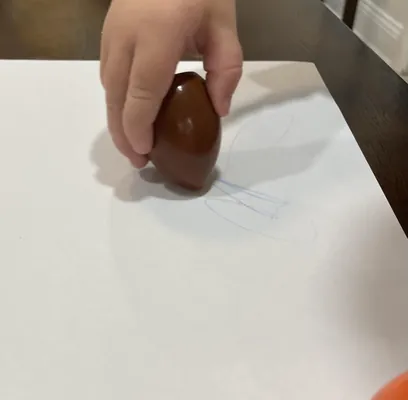
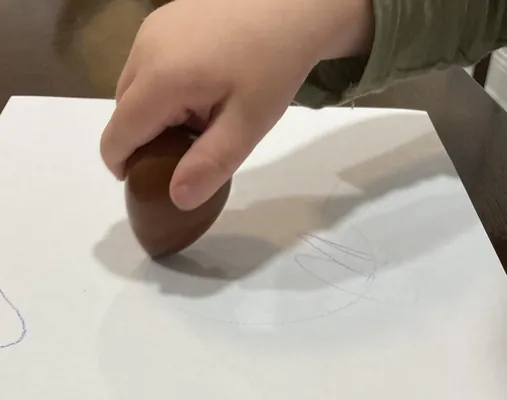
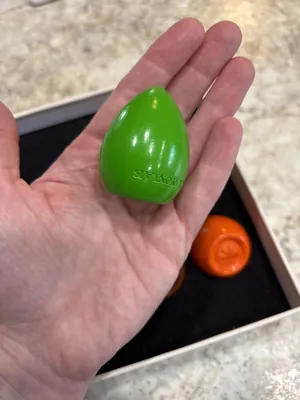
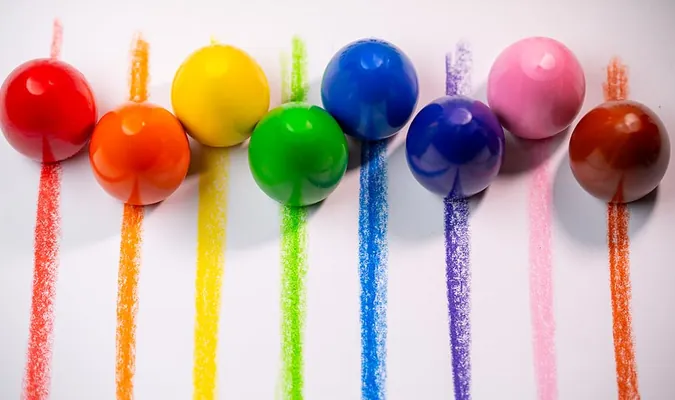
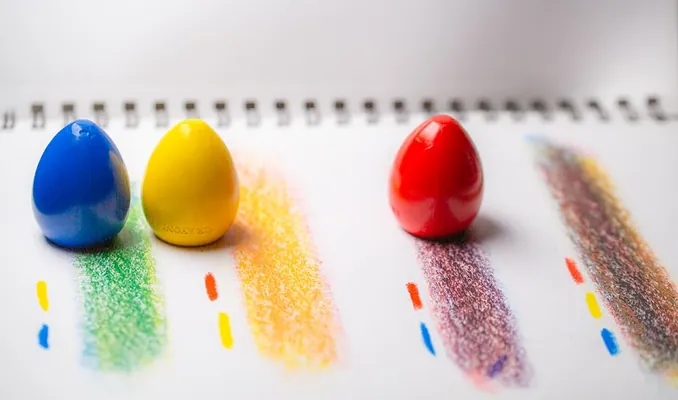
Egg-shaped crayons are built for this stage. The listing gives a 4 cm egg with a flat base so it does not roll, and several buyers say the egg is too big for their toddler to fit in the mouth. A parent of a 13-month-old says the baby tries to chew, gives up, and goes back to coloring. A parent of 2.5-year-old twins, one of whom still wants to eat crayons, says the eggs worked for both and survived being dropped on tile. One buyer says a set left in a hot car did not melt.
The trade-offs are real. One buyer says an egg rolls away quickly if dropped, and another says the yellow barely shows. The listing says adult supervision is recommended under age 3, and that is the right call with any crayon at this age. Federal small-parts rules for products meant for children under 3 exempt writing materials like crayons (CPSC small parts guidance), so size and breakage are worth judging yourself. Check for broken tips and loose caps before every session.
Do thick crayons actually help with grip?
They make a fist grip easy, which is the stage most one- and two-year-olds are in. They are not built for detail. One buyer says the fat ends make it hard to stay inside small shapes in a coloring book. Treat them as scribbling tools and expect to move to something thinner once a child is coloring pictures.
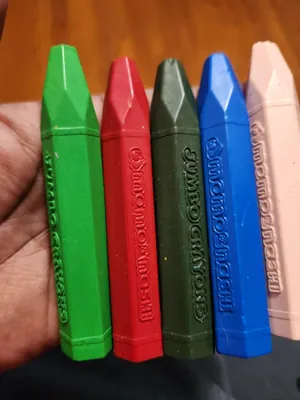
A triangular or hexagonal jumbo does one extra thing: it will not roll off the table. Buyers of a 16-crayon set in a carry bucket describe hard, thick crayons that survived months of a toddler's use and a bucket that doubles as storage and a restaurant kit. Two cautions from the same buyers: several found some crayons hollow inside, which broke sooner, and a few arrived with fewer than 16 colors. Pale shades like pink, yellow, and gray also show up faintly unless the child presses hard.
Are twist-up “silky” crayons worth it for a toddler?
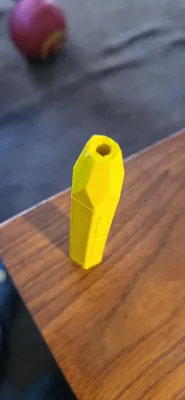
These are the soft, creamy crayons in a twist-up case, and they are the reason many parents search for washable crayons in the first place. Buyers use words like “silky,” “like lipstick,” and “almost like paint.” They leave bold color with almost no pressure, the hard case does not snap, and there is no wrapper to peel. Several parents say a child who ignored regular crayons sat down and colored for longer. A grandparent whose grandson has a sensory disorder says the light pressure it takes made coloring possible for him.
The same softness is also the catch:
- They smear and transfer. Color rubs off on hands, tables, and the back of the page.
- They stain more. Several buyers report marks on clothes and furniture that took repeated cleaning. Black and orange are named most often.
- They wear down quickly. One parent says a heavy colorer needed replacements after about two months. Another says a 4-year-old used up the crayons in about twenty minutes. A parent of two girls says a set lasted about nine months.
- Hard pressers wreck them. Buyers whose child presses hard say the crayons flatten or break like lipstick, and the barrels hold less crayon than they look.
- Some barrels are hard to twist and some caps are small. Buyers mention stiff twisting and a cap that could be a choking hazard.
In short, they suit supervised table time with a large sheet of paper, a child who presses lightly, and a room you can wipe down. They do not suit car rides on a light-colored seat.
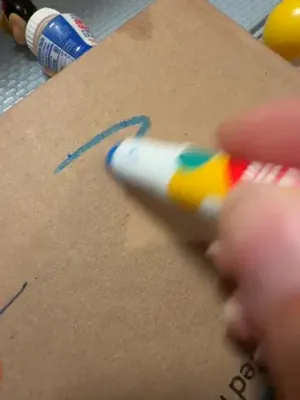
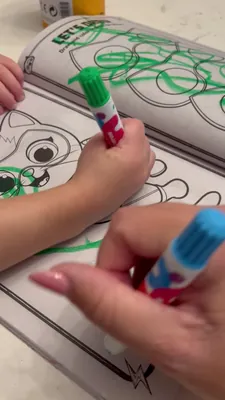
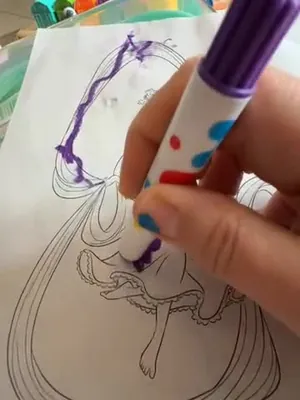
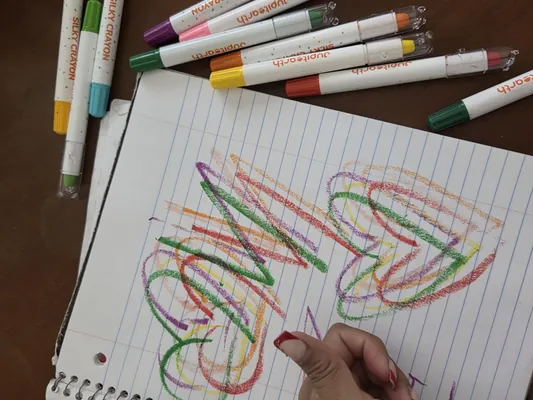
A large 36-color tub comes with a sturdy container, and the listing mentions a free PDF coloring book through a QR code. The listing says the formula is washable and non-toxic, and some buyers back up the wipe-clean claim on tables and walls. Others say it did not come off walls, and one dress stayed stained. The container makes it easy to store and take along.
A smaller 12- or 24-color set is a lower-commitment way to find out whether a child likes the feel. Buyers report that it glides on easily with very little pressure and that it came off a chair easily and off carpet with a little more effort. Others say a heavy-handed child flattened it quickly, and one says the orange stained a shirt for good. Wash off bath marks right away if you use them there, because one buyer's tub took several rounds of cleaning.
Can older kids and adults use them too?
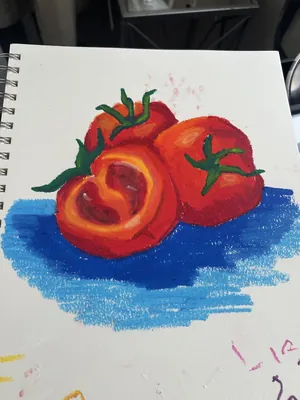
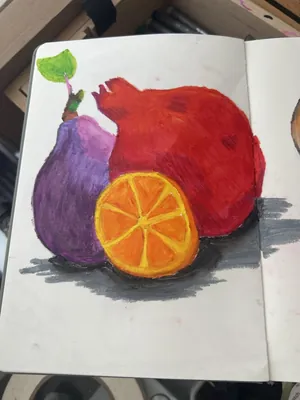
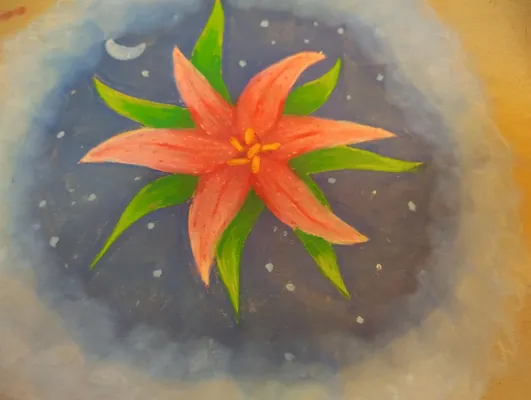
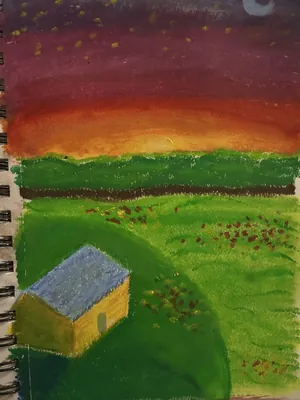
Yes, and several buyers of one 36-color set are art students and hobbyists, not parents. They describe it as a cheaper stand-in for oil pastels that is easier to hold and blends well, and one seals finished pieces with an acrylic spray. One buyer says it is not suited to children under about six, because it was hard to get out of a couch cushion and a wall. That is worth keeping in mind if you are buying for a toddler. This set also includes stickers and a paintbrush, and one buyer says the brush shed its bristles.
What should you check when a set arrives?
Spend two minutes before the first session. Draw one stripe of each color on a sheet of paper, because pale yellows, pinks, and grays can look nearly invisible once a toddler's light touch is behind them. Buyers mention this on several sets, and a swatch shows you which colors to expect little from.
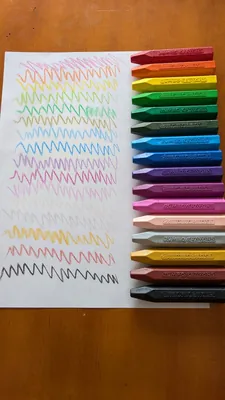
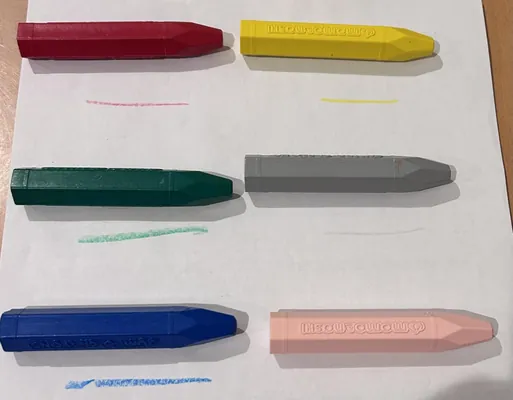
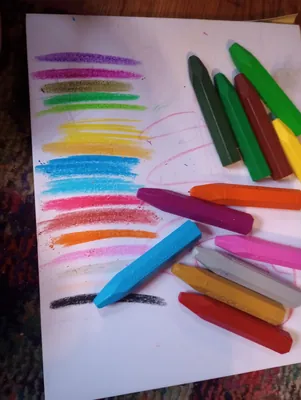
Count them next. Buyers across several sets report fewer crayons or colors than the box promised, and sets arriving with broken crayons or tips. If a set shows up short, damaged, or visibly used, you will want to find out in the first week. Finally, read the label if materials matter to you. Two buyers who checked the ingredient list on one set found paraffin wax and talc and were not happy about it, and the CPSC conformance statement from earlier is the quickest way to see whether the box carries the standard art-material label at all.
When is a child ready for regular crayons?
Usually when scribbling turns into coloring pictures, which is around 4 or 5 for the buyers who mention an age. Thinner crayons reach into small shapes and a wider range of shades, and children that age are less likely to chew or throw them. A two-pack of 64 washable crayons with a built-in sharpener fits that stage. One buyer says marks wipe off with a wet towel or baby wipe and come out of clothing after one wash. The honest drawbacks are in the same feedback: many buyers got boxes with broken or blunt crayons, and one thought the colors were mostly dark. That means checking each box when it arrives.
A good coloring setup is mostly a decision about where, with what, and what you do in the first minute. Put paper where the marks are meant to go, match the crayon to what the child can grip, and keep a damp cloth within reach. Then a crayon on the wall stops being a crisis and becomes a quick wipe.