In this article
When the water is off, a plain five-gallon bucket with a snap-on seat, a sturdy bag, something absorbent and a lidded place for the waste is enough to keep a household or a campsite sanitary. The work is in the details: a seat that really fits the bucket, bags that do not tear, and a spot you can find in the dark.
A toilet that cannot flush is more than an inconvenience. It is one of the first things a power cut, a burst water main, a flooded street or a weekend at a remote campsite can take away, and it is the one thing nobody wants to improvise at midnight. The fix is cheap and simple: a plain five-gallon bucket, a snap-on seat, bags, something absorbent, and a plan for where it goes and how it gets emptied.
This guide covers why it matters, what belongs in the kit, how to use and empty it without a mess, where to set it up indoors or out, and what to make of the padded bucket-seat cushions that turn up in the same searches (they are comfortable, but they are not toilets).
Why does a broken toilet turn into a health problem so quickly?
When running water or the sewer line goes out, waste has nowhere safe to go, and that is when stomach illness spreads. Emergency agencies treat a backup toilet as a basic preparedness item for that reason: an archived CDC sanitation page lists a five-gallon bucket with a snap-on seat lid as an easy, inexpensive solution and says handwashing should be possible wherever people use a toilet, and local guides such as Wayne County, Michigan and Washington County, Oregon describe the same bagged-bucket setup.
The problem is not limited to storms. The people who bought these products describe very ordinary versions of it: a campsite where the nearest washroom is a five-minute walk in the dark, a cabin far from the outhouse, a long road trip, a tailgate with no portable toilets nearby, and a bedroom where the trip down the hall had become tiring or unsafe for an older adult or someone recovering from knee surgery. A bucket toilet handles all of these, as long as it is set up before it is needed.
What do you actually need for a bucket toilet that works?
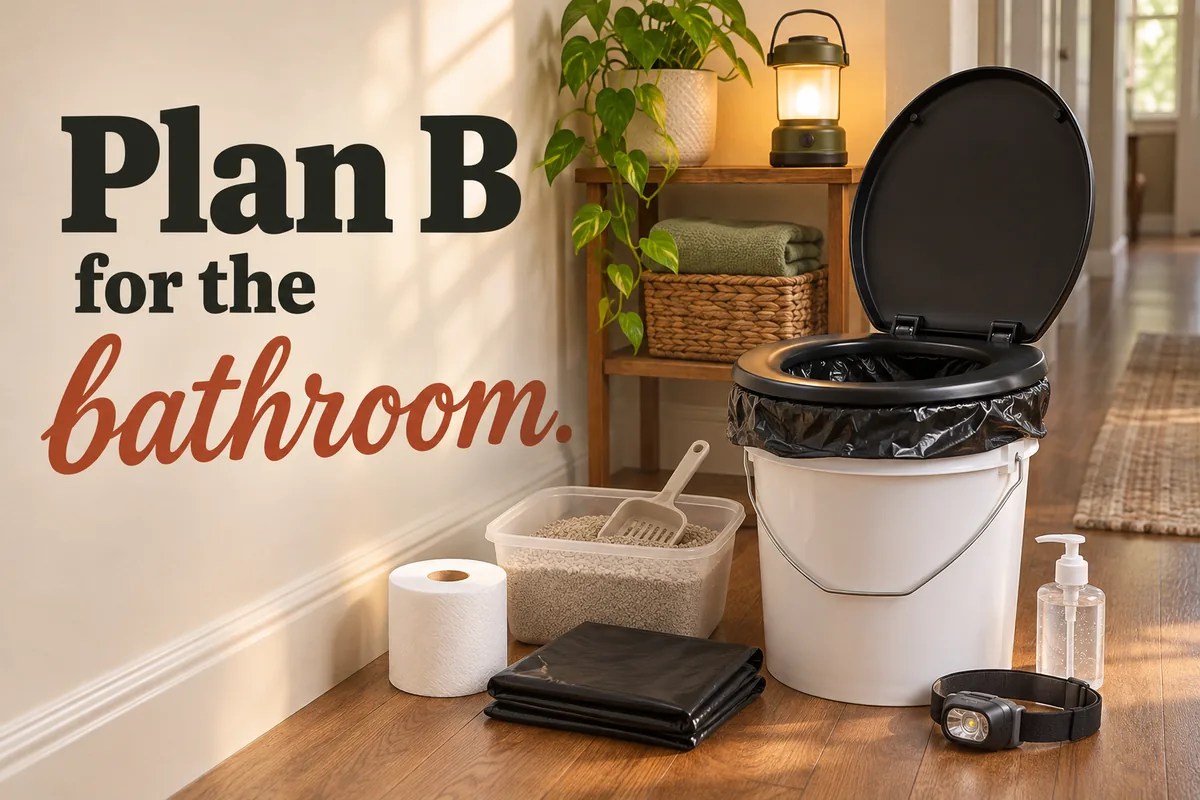
The seat gets all the attention, but it is only one piece. A setup that holds up for a few days looks like this:
- A sturdy five-gallon bucket with a solid rim. Buy it and test the seat on it now, not during the emergency.
- A snap-on seat and lid that actually fits that bucket (more on that below).
- Liner bags. Strong ones, with a few spares. One camper recommends using two or three at a time so a single tear does not ruin the day.
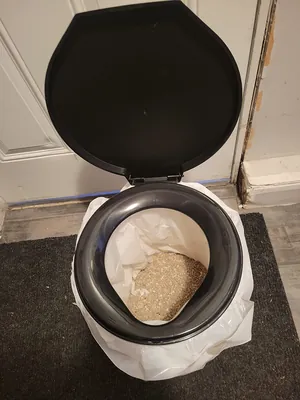
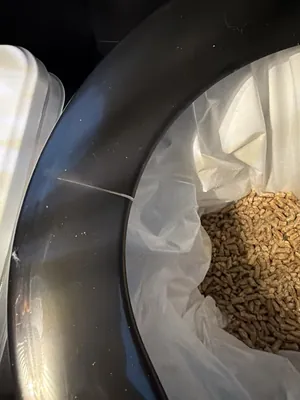
- Something absorbent for the bottom of the bag and for covering waste, such as clumping cat litter, sawdust or wood pellets. Local emergency guides suggest these, and customer photos show litter and pellets in the bag.
- Toilet paper and hand sanitizer, with soap and water set aside for proper handwashing when you can.
- A lidded container for bagged waste, kept away from food, water and pets, such as a heavy trash can with a tight lid.
- A light source you can find in the dark, such as a headlamp or lantern.
Does the seat actually fit the bucket?
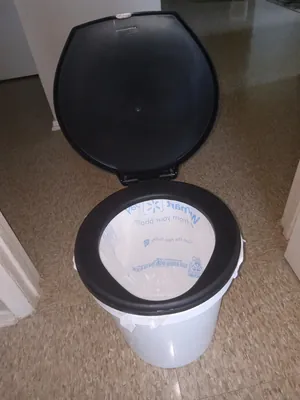
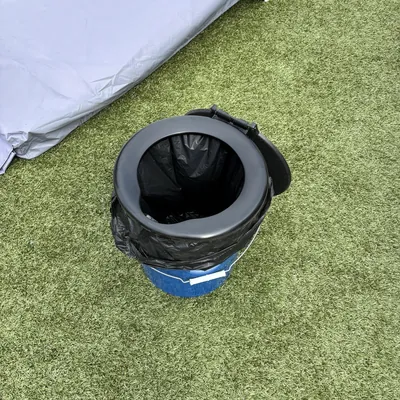
This is the most common thing that goes wrong, and it comes up again and again in what buyers report. Five-gallon buckets are not all the same size. Buyers said the same seat snapped on neatly to common orange and white hardware-store pails but sat loosely on thicker-rimmed insulated buckets, and several said a seat that was too tight cracked when they forced it on or took it off. One buyer made small relief cuts in the bucket rim to get a fit. Others noticed that the seat only felt secure once someone sat on it.
So test the pairing before you need it: snap it on, snap it off, sit on it and carry the bucket. If it takes force, change buckets instead of forcing the seat. One buyer suggested draping a bag over the seat while snapping it on or off to protect the plastic clips.
What if you want something sturdier than the lightest seat?
Weight is a trade-off. The lightest seats are easy to stash and carry, and several buyers called them sturdy enough once attached to a bucket, including one who weighs 250 pounds. Others described cracked seats and broken hinges after only a few uses, and one buyer who weighed two look-alike seats found the heavier one far more rigid. For a bucket that sits in a home emergency kit and gets used a handful of times, a light seat is usually enough. For a camp that will use it daily, or for a larger user, look for something sturdier.
Is a complete kit easier than a seat plus your own bucket?
A matched bucket and seat removes the fit question entirely, which is why some people prefer a kit. The trade-off is that the disposable bags that come with it can be small. One buyer noted the supplied bags hold about a gallon and shouldn't be filled past their seal, and recommended buying extras. Others called the bucket sturdy, with a seat that snaps tight and stays locked, while one found the handle too short for the bucket with the lid on.
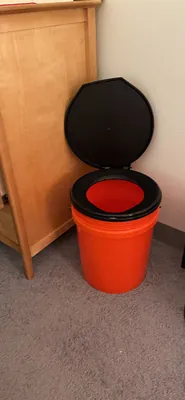
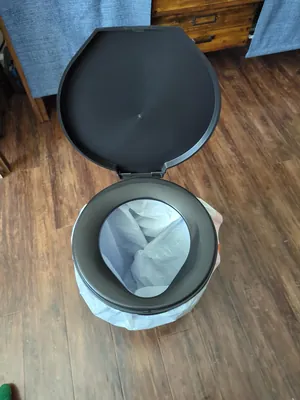
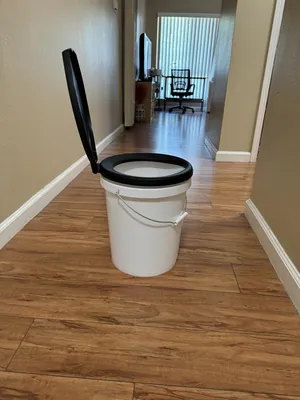
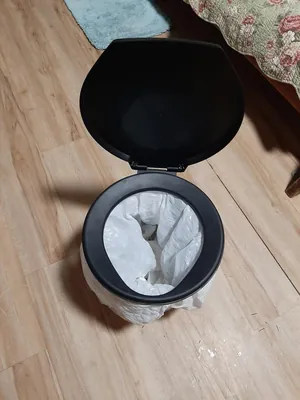
How do you use and empty it without making a mess?
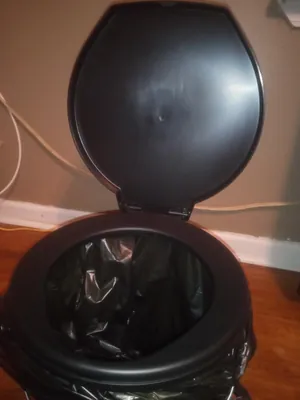
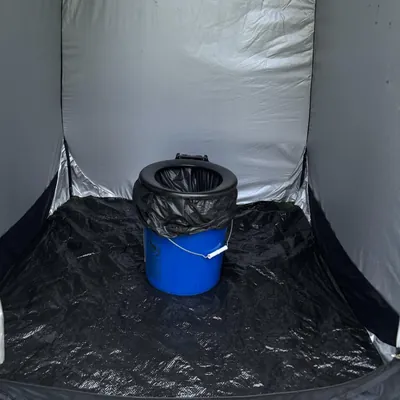
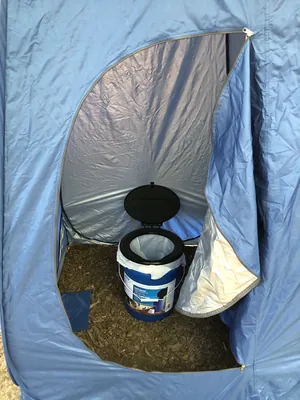
The routine is much the same in every emergency guide. Line the bucket with a heavy bag, put a layer of absorbent material in the bottom, and use it like any toilet. Cover waste with a little litter or sawdust, close the lid, and keep a hand sanitizer pump beside it. When the bag is about half full, tie it, put it inside a second bag, and move it to a lidded container outdoors, away from food, water and pets (Wayne County and Washington County both describe this). Do not burn plastic bags, and wash your hands with soap and water as soon as water is available.
- Use two bags every time. A single thin bag is the most common point of failure, and one buyer reported a bag that leaked overnight.
- Add absorbent first. Litter, sawdust or wood pellets in the bottom of the bag soak up liquid and keep odor down; one camper also dropped a little bowl cleaner into the bag each day.
- Do not fill past the halfway point. A full bucket is heavy, awkward to carry and easy to spill.
- Keep the job small if you can. A truck driver who used one in a moving truck used it only for urination, tied a knot in the bag each morning and threw it out.
- Keep the lid down so odor stays in and nobody knocks things around in the dark.
Leave a clear path to the bucket at night. A night light or a headlamp on a hook nearby is more useful than it sounds. A bucket also sits lower than a standard toilet, which is harder on sore knees or hips, so if that applies to you, practice getting on and off before you need it.
Where should it go, indoors and out?
Indoors, the best spot is somewhere you can close a door: a bathroom, a spare room, or a corner of a bedroom if someone cannot make the trip. Put the bucket on a flat, easy-to-clean floor, and keep it away from where you prepare or eat food. Several buyers keep one next to the bed for nighttime, which solves a different everyday problem than storms do.
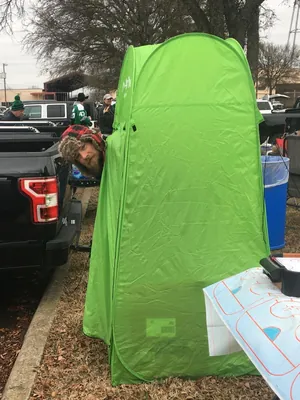
Outdoors, privacy is the usual issue, and buyers mostly solved it with a small pop-up tent, which also keeps the bucket out of the rain. The bigger question is where the waste goes. Leave No Trace advises burying solid waste in a hole 6 to 8 inches deep, at least 200 feet from water, camp and trails, and packing it out where land managers require. A bagged bucket is a convenient way to carry waste out, but the rules differ by area, so check them before you go.
Can the same bucket double as a seat?
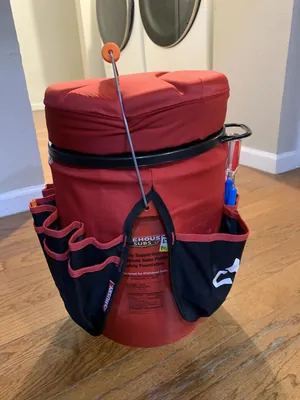
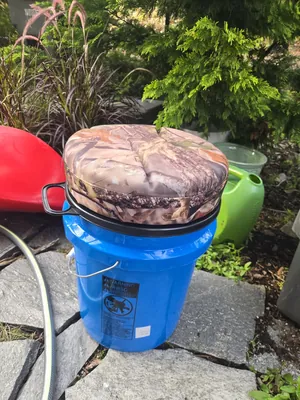
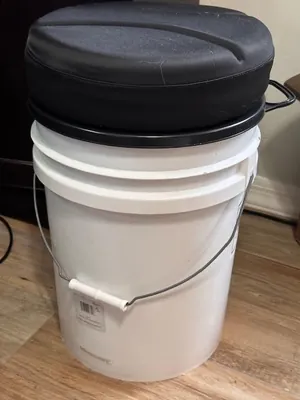
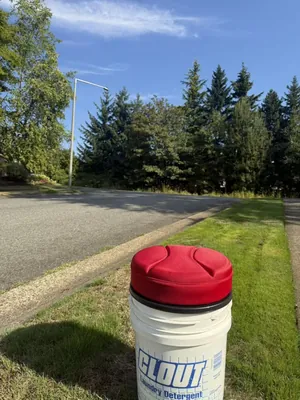
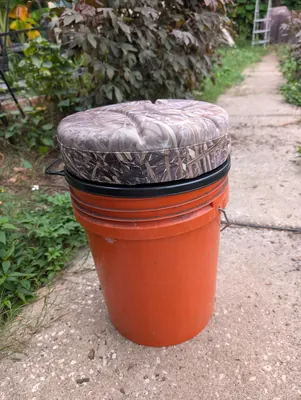
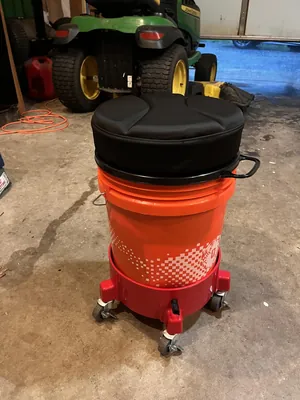
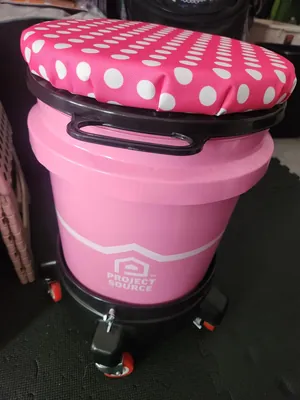
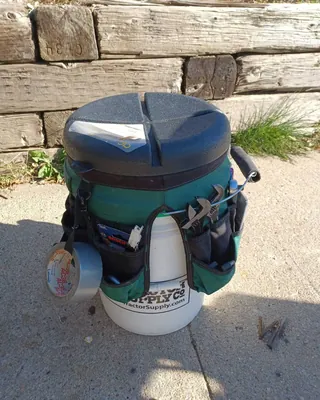
Some of the results for this search are not toilet seats at all. They are padded or hard-plastic lids that turn a plain five-gallon bucket into a stool for fishing, gardening or working in a garage. They have no opening, so they are not a bathroom option, but they solve a related problem: what to do with the second bucket in a kit.
A good emergency setup keeps one bucket for waste and a second for supplies: spare bags, litter, toilet paper, gloves and sanitizer, all dry and in one place. A lid with a cushion on that second bucket gives the kit somewhere comfortable to sit during a long outage or a long day working at ground level. Keep the roles separate, though. Never use the toilet bucket as a seat, or the supply bucket as a toilet.
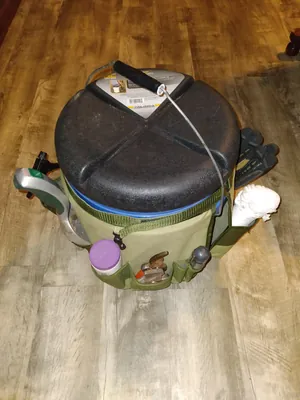
Will a cushion seat fit my bucket?
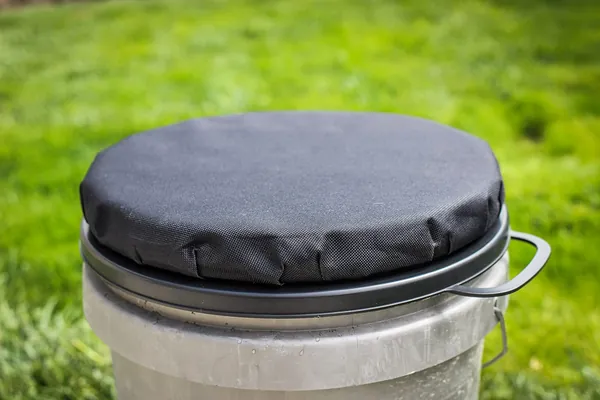
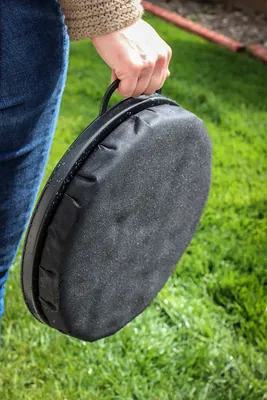
Fit is the main complaint here too, and the number that matters is the outside diameter of the bucket's rim. The listings for the two cushion seats below give a range of roughly 11 to 11¾ inches, and buyers who measured agreed that a rim of 12 inches or more will not take the seat. Buyers report that it fit common orange and white hardware-store buckets, but not every bucket style, and one buyer found that a single store sells two bucket versions of which only one fit. Measure first.
How do you keep a cushioned seat dry?
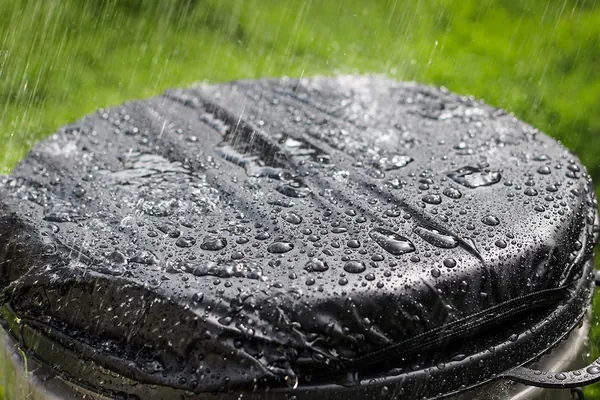
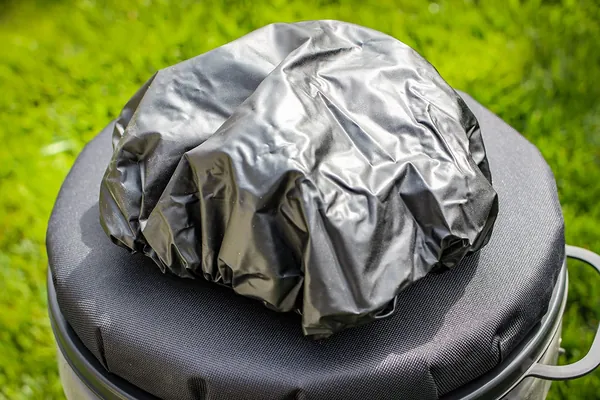
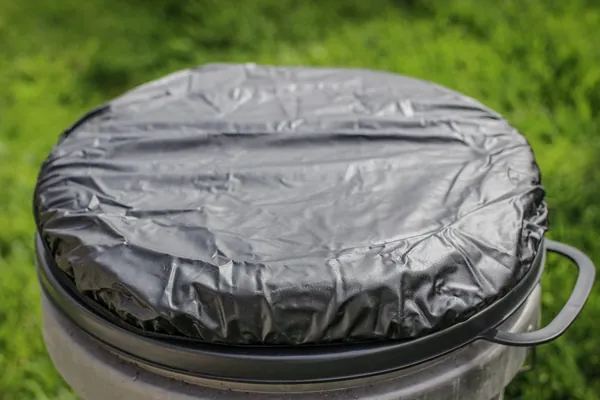
Most padded seats are water-resistant on top only. One buyer warned that the board under the foam is exposed and shouldn't be hosed down, and another would not leave theirs outdoors for fear of mold. That is why a separate rain cover helps: one buyer had someone spray the cover that comes with one seat with a hose for a couple of minutes and found the cushion stayed dry.
How do you keep it ready without it taking over a closet?
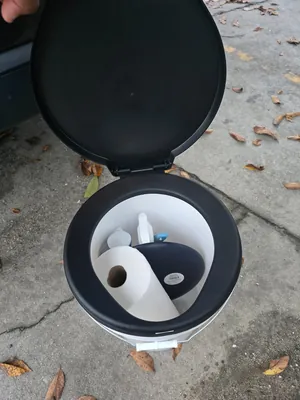
The kit only helps if it is complete and easy to find. Keep the seat inside the bucket, with bag liners, a bag or two of absorbent, toilet paper in a zip-top bag, gloves and sanitizer in the same container, plus a headlamp or lantern. Once a year, open it, check that the seat still snaps on, and replace any bags or sanitizer that have dried out or aged.
It also helps to practice once. Set it up on a dry day, sit on it, tie off a bag, and carry it to where you would keep waste. Finding out that the seat does not fit, or that the bags are too thin, is far easier at home with the lights on.
For a car kit, a seat alone is the simplest option, since a bucket is easy to pick up anywhere. One buyer who keeps one in the vehicle for emergencies noted that an ordinary plastic shopping bag fits over the seat and bucket, so the whole thing can be bagged and thrown out without cleaning, unless the bag rips.
Whatever you choose, the principle is the same: know where the kit is, know it fits, and keep it simple. A bucket, a seat, a few strong bags and some litter are enough to get a household or a campsite through a bad few days.