In this article
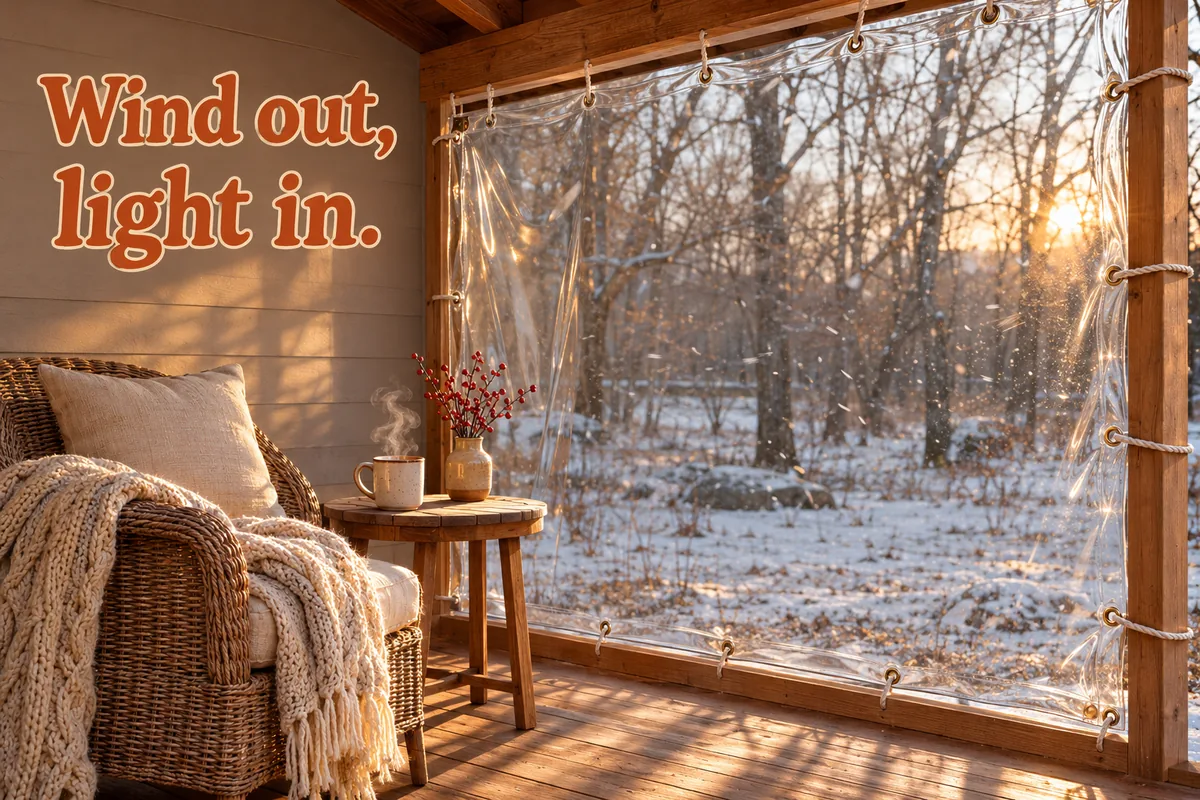
When cold wind and rain blow across a porch, patio, or chicken run, the space stops being usable. A clear tarp is a popular fix because it blocks the weather and still lets sunshine and a view through. It is also easy to get wrong: the wrong type tears, the wrong attachment rips out the grommets, and a tarped-in space needs some air. Here is how to choose a material, put it up so it lasts, use it on a coop or cold frame, and stay safe around heat.
Why does a porch or coop feel so much colder than the thermometer says?
On a still day, a 30-degree porch is perfectly usable in a coat. Add wind and the same porch is miserable, because moving air strips heat from you, from the plants on the rail, and from a chicken run that faces the prevailing wind. Rain and blowing snow make it worse by soaking furniture, cushions, and bedding. The fix many people reach for first is something that stops the wind and the rain without turning the space into a dark box, and that is why clear tarps keep coming up for patios, gazebos, balconies, chicken runs, and small cold frames.
What a clear tarp does well is block moving air and rain while letting daylight in. What it does not do is heat anything or seal a space tightly. Buyers describe the gains in modest, believable terms: one wrote that afternoon sun warmed a closed-in section of deck by roughly fifty degrees over the outdoor temperature, another said a shed with a clear tarp over the door ran 10 to 15 degrees warmer than outside. Those are single reports, and they depend on sunshine. Treat a tarp as a windbreak that traps a little sun, not as a heater.
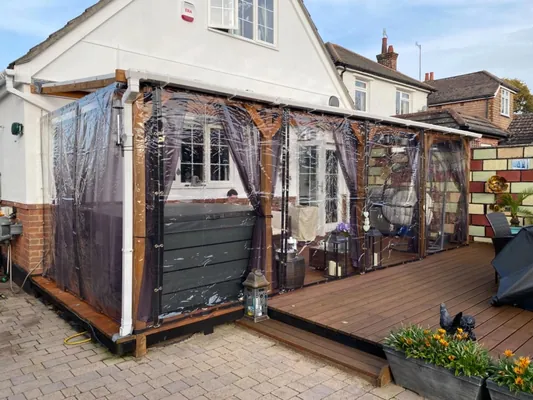
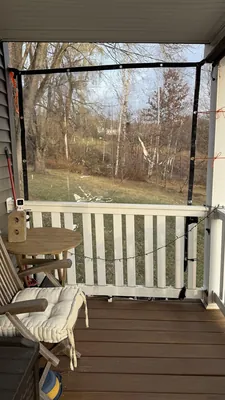
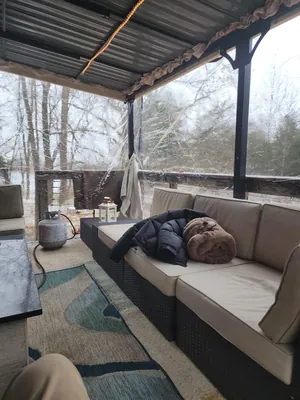
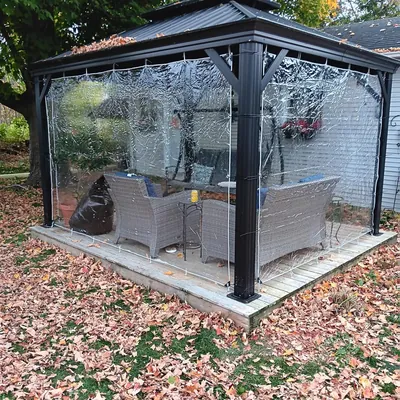
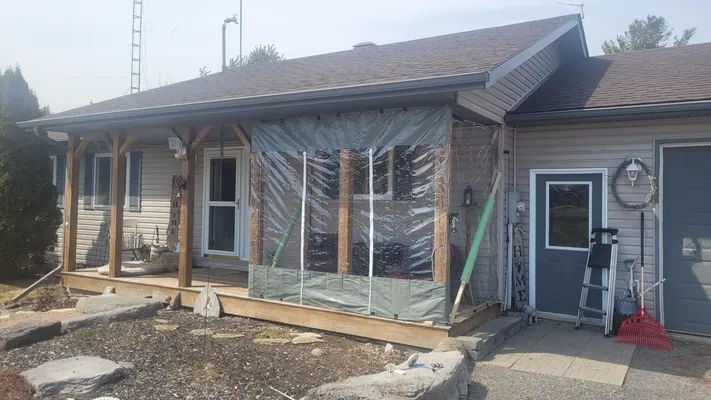
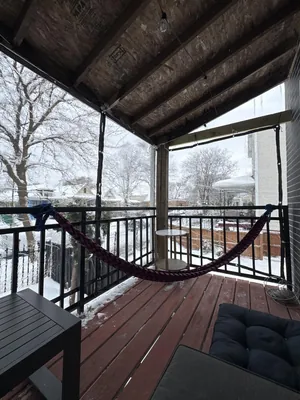
What is the difference between clear vinyl and other clear tarps?
Clear tarps come in three broad types, and each solves a different problem.
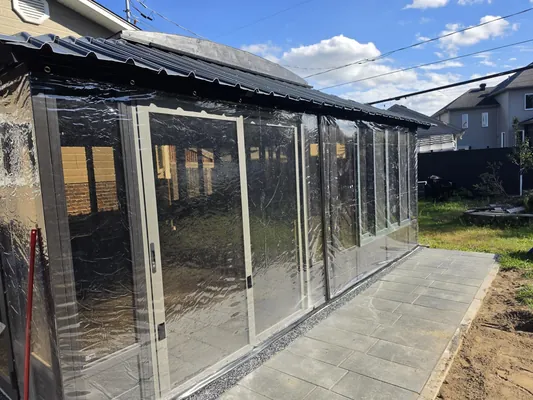
- Clear vinyl (PVC). Thick and flexible, with a window-like view. Thickness is given in mils, which are thousandths of an inch, so a 14 mil sheet is 0.014 inch thick and a 20 mil sheet is 0.020 inch. Vinyl is the best choice when you want to see out, but it ships folded and creased and can stiffen in the cold.
- Woven, coated polyethylene. A translucent sheet reinforced with a visible mesh. It lets light through but not a clear view. Buyers of the greenhouse-style version described it as translucent, and one said it came white rather than crystal clear. It suits greenhouses, hoop houses, and animal runs where light matters more than a view.
- Plain polyethylene sheeting. The lightest and cheapest, usually semi-transparent. Buyers who wanted to see through it were disappointed, and thin versions were the ones most often reported tearing at the seams.
The thickness number on a listing is the seller's claim, so do not take it as a measurement. In one example, two buyers of a greenhouse tarp listed as 16 mil said the one they received measured 14 mil. Judge by feel, edge stitching, and how the corner reinforcement looks when it arrives.
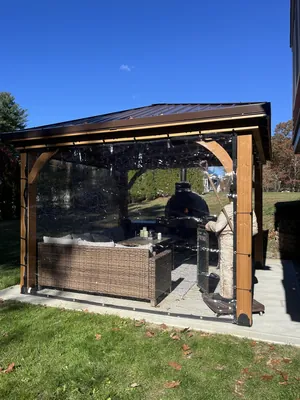
Many buyers used this style to close in porches, gazebos, hot-tub canopies, and patios, and several said it blocked wind and snow all winter. Others reported problems: one said theirs lasted about two and a half windy seasons before turning brittle and tearing, another said theirs cracked on the first very cold day, and a few said it ripped within months. Take the warranty claim seriously and keep your order information.
Buyers described it as heavy and very clear, and some said it protected a porch or chicken run well. Several complained that it arrived wrinkled and was hard to unfold, and a few reported grommets pulling out in wind. The next section is about avoiding that last problem.
How do I attach a clear tarp so the wind does not rip it?
Almost every complaint about a torn tarp comes down to the same weak point: the grommet and the plastic around it. A tarp hung from a frame acts like a sail, and a gust puts all of its force on whichever grommets hold hardest. Buyers who had good results shared a few habits.
- Spread the load. One buyer put a screw hook in every grommet, and three days later a grommet ripped out in very light wind. A rope or bungee through several grommets, tied to a frame, shares the pull. Some listings include rope, ties, or cable ties, and buyers also used ball bungees and cords.
- Give it a little slack, not a drum-tight pull. A sheet pulled flat against a strong gust has nowhere to give. Slight slack at the edges lets the sheet flex.
- Support the bottom edge. One buyer who closed in a hot-tub patio used concrete blocks at the base so the lower edge could not lift.
- Plan to take it down for bad storms. One buyer who was building a greenhouse said a panel could be taken down quickly when severe weather was forecast.
- Check size before you buy. Several buyers found the sheet a few inches short of the stated size, so order a little larger than the opening.
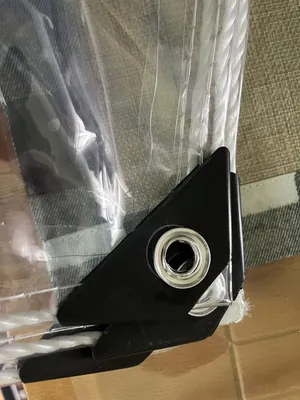
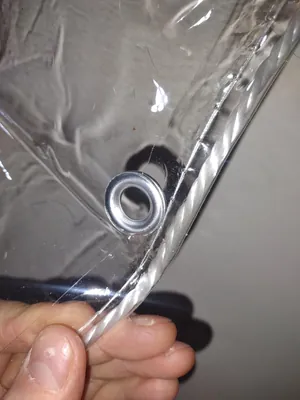
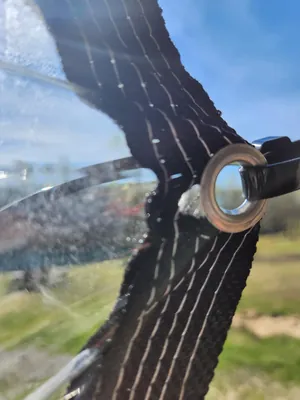
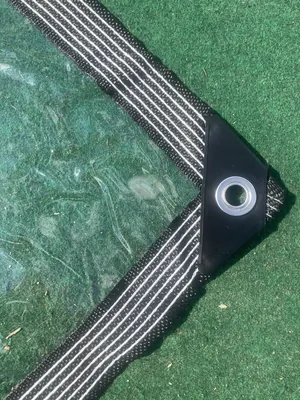
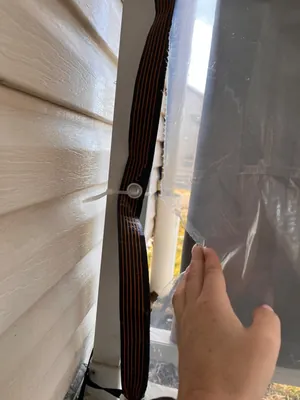
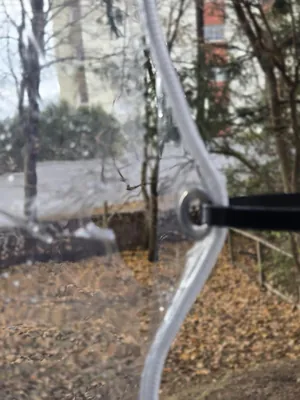
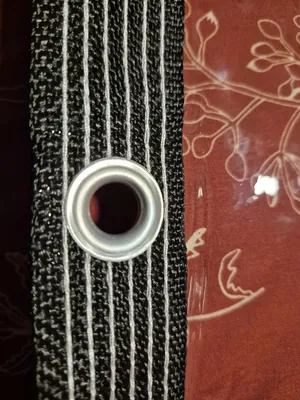
Buyers of this one mentioned the edge stitching, a roll of rope and cable ties in the package, and a smaller size that worked as a cold frame over a raised bed. One buyer said it arrived stuck together and creased, and another reported the binding separating around the grommets during install.
Experiences varied widely. Some buyers wrote that it held through very cold weather and warmed a shed door, and others said it tore within a week or a month. A few said it arrived wrinkled, and one found blue marker lines on every tarp in an order of five. Smooth wrinkles slowly with a hair dryer on a low setting, and test a small area first, since vinyl can soften with too much heat.
How do I use a clear tarp on a chicken coop or run in winter?
Most keepers want the same thing: stop the wind on the windward side, keep snow out of the run, and still let the birds have daylight. One buyer who keeps several runs said the winter wind faces them all, and a thick vinyl tarp lasted much longer than the thin sheeting they had used. Others covered coops for ducks and guineas, and several said the coop warmed up when the sun was out.
The thing to protect is air movement. The University of Minnesota Extension notes that high moisture in a coop combined with cold can cause condensation and that frostbite can follow, and that moisture collecting on objects or windows is a sign to increase ventilation. In practice that means putting the tarp on the windward sides and above roost height, and leaving vents high up open so damp air can escape.
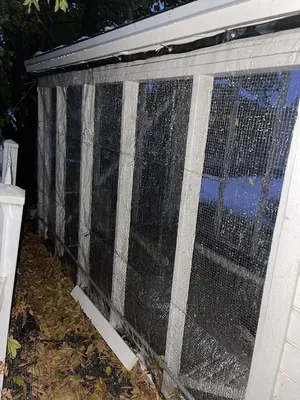
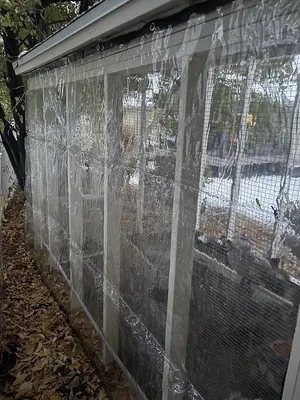
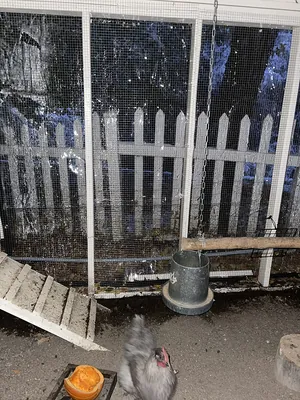
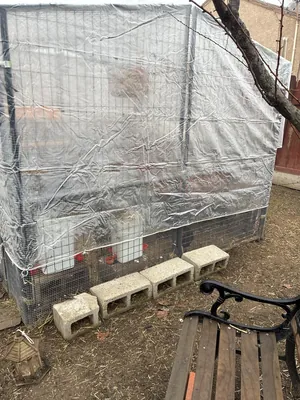
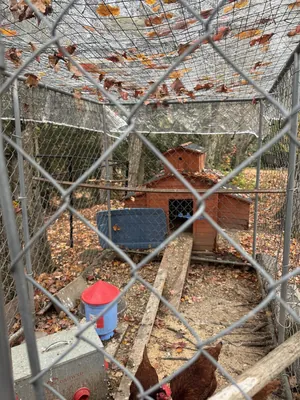
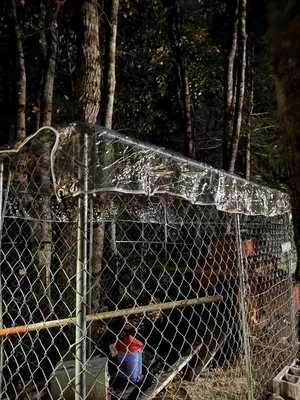
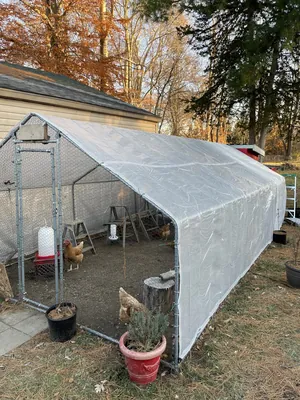
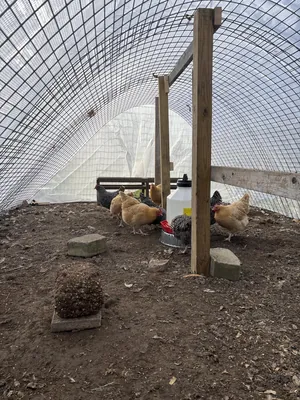
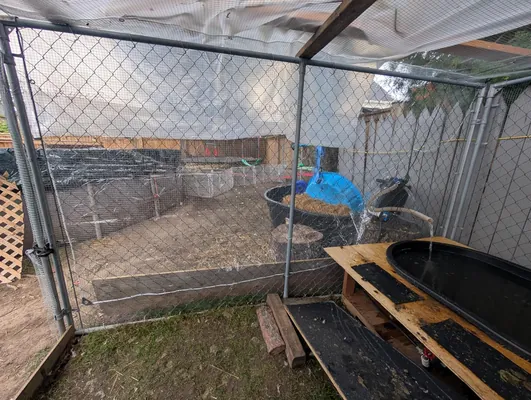
Buyers of this one called it thick and larger than expected, and several used it on coops where it warmed up in sun. One said it has a strong plastic smell and suggested airing it out before putting it near animals, and another suggested unfolding it in a warm room because vinyl is stiff in the cold.
Several buyers used it over animal pens and catios, and one said it lasted years longer than rolls of thin plastic. The same buyer said it can puncture from falling sticks and tear along the mesh. It is translucent, not clear, and as noted above, two buyers said the thickness was less than listed.
Can I use a clear tarp as a cold frame or small greenhouse?
Yes, within limits. Buyers draped clear tarps over PVC hoops and cattle panels, over raised beds, and over a water trough planter to keep fall greens going after frost. Smaller 3×6 sizes were enough to cover a raised planter. The same sunshine that warms the plants can overheat them, so open an end or lift a side on sunny days.
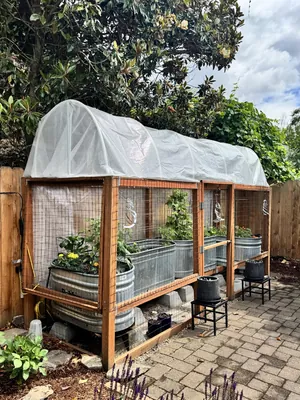
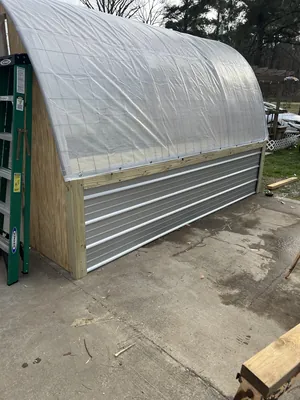
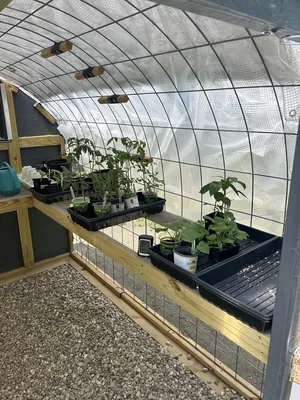
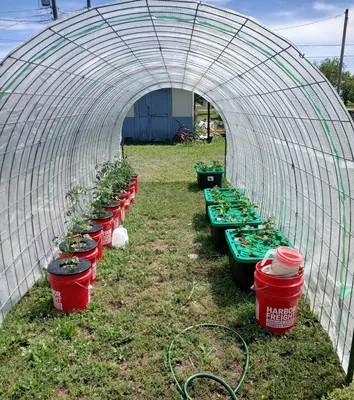
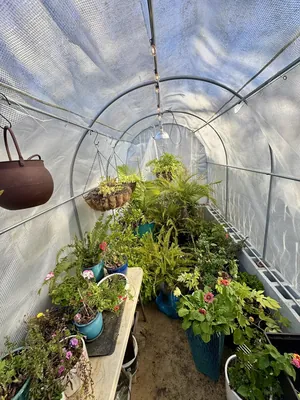
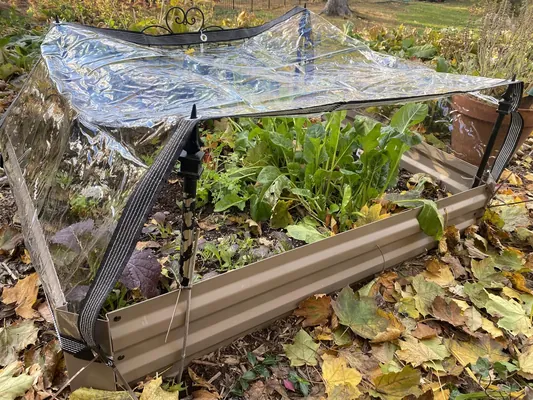
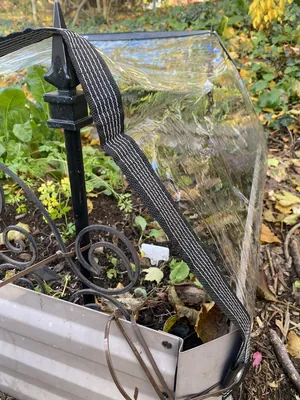
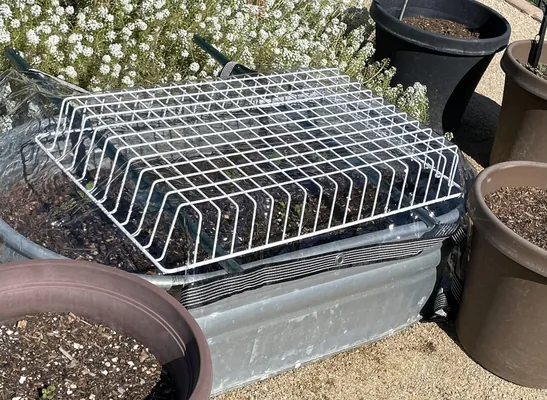
A tarp this size will not hold snow load. Clear snow from hoops and frames so it does not collapse them, and one buyer who used tarps on coops said clearing snow without damaging the sheet was tricky.
Are cheaper polyethylene tarps worth it?
For short-term jobs, sometimes. For a winter-long porch wall, the evidence is weaker. Buyers of low-cost polyethylene tarps were split: some used them to close in a coop for a winter or to cover a window well, while others said theirs tore along the seams in the first windy week or two, sometimes within a day. A few reported it was less clear than expected.
One buyer in New Jersey said these held up through a cold winter and kept snow off a duck and chicken coop, and another used them as large clear walls for a holiday tent. Two others said they tore within a day on windy sides.
One buyer covered a window-well grate with it and called the problem solved. Several others said it tore at the seams within days or weeks, and a few said they could not see through it. Choose a thicker vinyl for an exposed porch wall.
Is it safe to run a heater or fire pit inside a tarped-in porch?
A clear tarp turns an open porch into a partly closed space. That changes the safety picture. The U.S. Consumer Product Safety Commission warns against burning charcoal inside tents and campers and against using fuel-burning camping equipment in enclosed spaces, because of carbon monoxide. A tarped porch is not a tent, but the same logic applies to gas patio heaters, charcoal grills, and fire pits, so keep them out of an enclosed or mostly enclosed area. Vinyl and polyethylene also melt and burn, so keep any heat source well away from the tarp.
If you want extra warmth in a covered space, use a heater made for the purpose and follow its instructions, keep it a safe distance from the plastic, and leave a gap for air. When in doubt, do not use a heat source at all and rely on the sun and a windbreak.