In this article
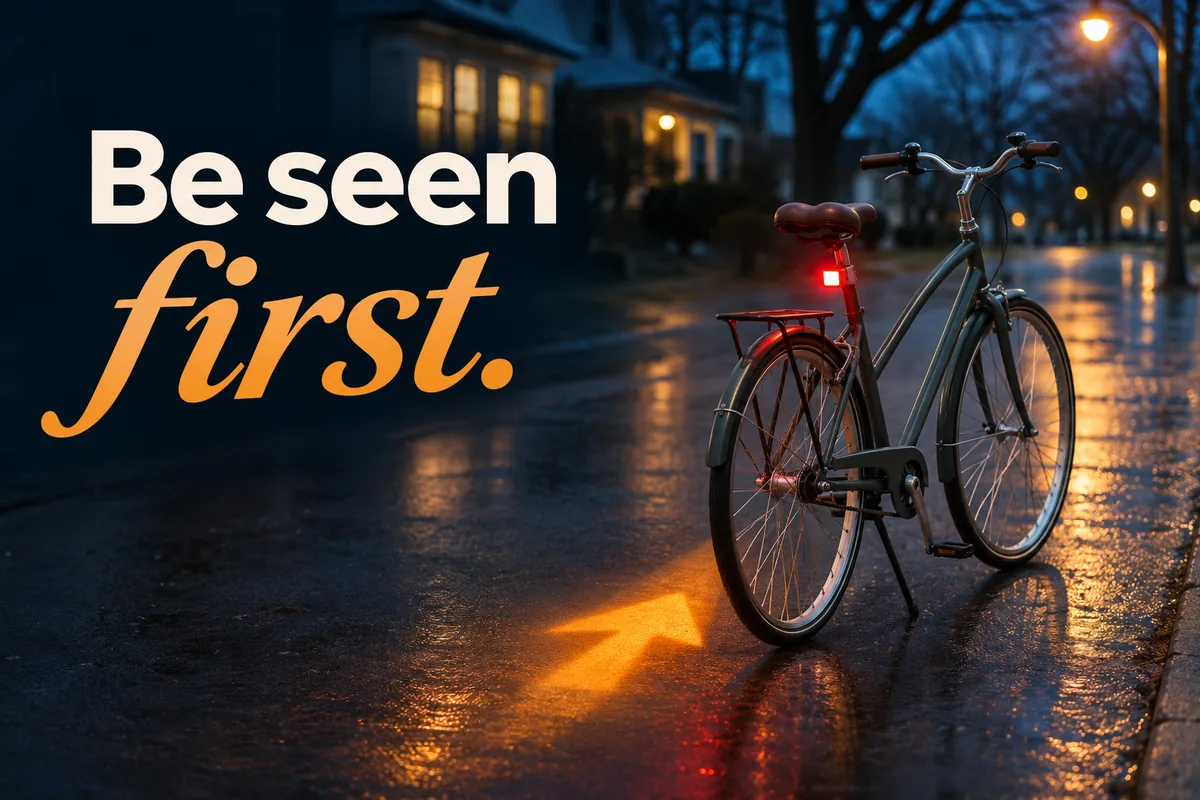
At night a bike is a small, slow shape on a dark road, and the driver behind you only sees what your lights and reflectors give them. A white front light, a red rear light and reflectors are the foundation. On top of that, a handlebar remote can add turn signals that blink in the direction you turn, and projected patterns on the road can add visual interest. This guide covers what to start with, what the extras do, and what to check about mounting, charging and weather before you ride.
Why are cyclists so hard to see at night, and what do drivers notice?
At night a driver is looking at a dark road lit by headlights, and a bike is a small, narrow, slow shape in the wrong place to catch attention. What gets noticed is light and movement: a steady or blinking light at the right height, reflective material that bounces headlights back, and a rider who does something predictable. NHTSA sums up the rule in four words, "be visible, be seen," and recommends bright or reflective clothing and lights on your bike at night and in low light (NHTSA).
It also says to avoid riding at night if you can. That is not always possible for people who commute or ride after work, so the rest of this guide is about stacking the odds in your favor when you must.
What lights do you need before adding anything fancy?
A white light on the front and a red light or reflector on the back are the baseline. NHTSA says a white front light and red rear light and reflectors are what you need at night or in poor visibility, and that most states have laws requiring active lights and reflectors on bikes ridden at night (NHTSA; NHTSA lighting laws).
- Front white light so you can see and be seen from ahead and the side.
- Rear red light at seat height or above, where a following driver's eyes already are.
- Reflectors, and check they face the right way. NHTSA notes reflective material works when car headlights shine on it.
- Bright or reflective clothing on the parts of you that move, like ankles and wrists.
Everything below is an addition to that list, not a replacement. Check your own state's lighting rules before you ride, since details vary.
How do you signal a turn safely in the dark?
The standard method is a hand signal: left arm out for a left turn, and keep both hands on the bars except when you signal. NHTSA says to ride in a straight line and use hand signals when changing lanes or turning (NHTSA).
At night the signal is harder for a driver to see, and a rider on a heavier bike or an e-bike may not want to take a hand off the brake or throttle on a busy road. That is the situation one buyer describes: a ride on a busy road to the trailhead, where hand signals meant letting go of the brakes and throttle, and a handlebar remote that triggers rear turn signals felt like a stock feature on the e-bike.
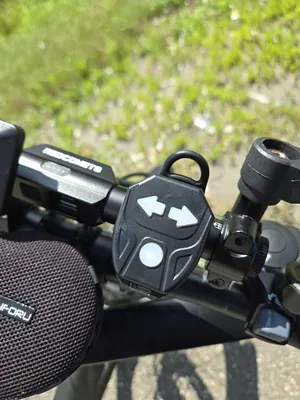
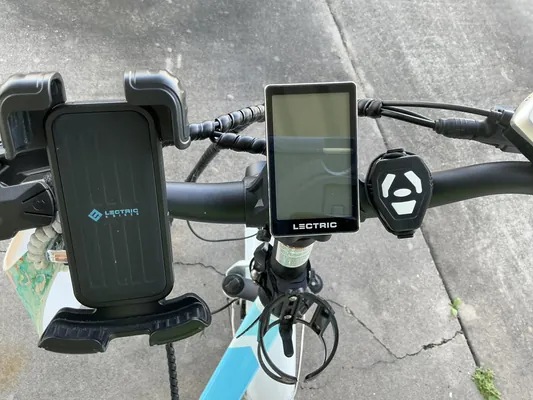
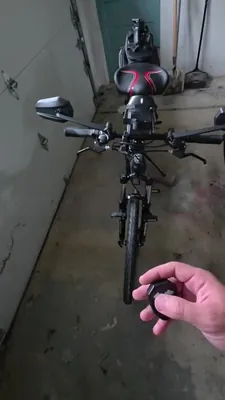
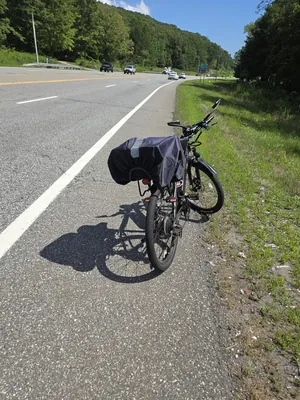
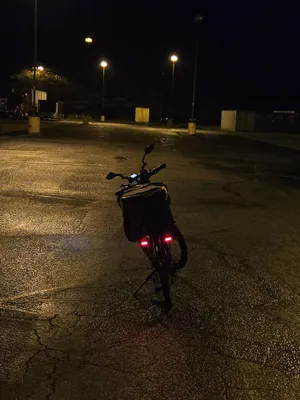
Remote-controlled signals do not replace hand signals or common sense. They add a light that blinks in the direction you are turning, which a hand signal does not do after dark. Keep using a hand signal when it is safe to, and treat the light as a backup.
What does a projected light on the road add?
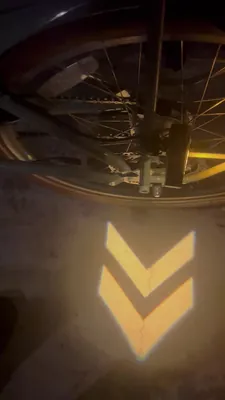
A projector casts a pattern onto the pavement behind the bike, so the light appears at a different spot from the lamp. For turn signals, buyers say the yellow arrows are easy to notice. One reports that cars behind spot the signals more easily and that night riding feels safer.
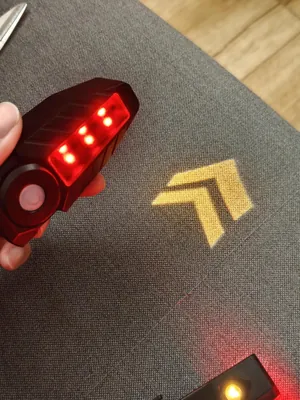
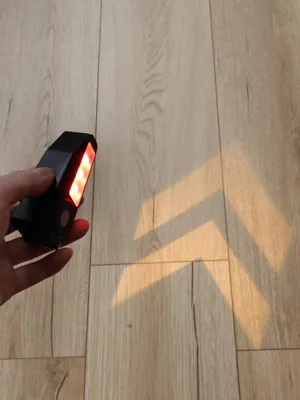
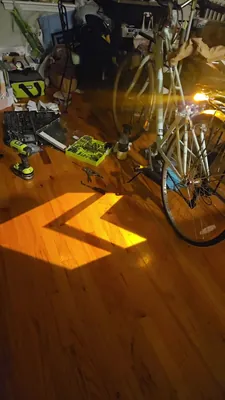
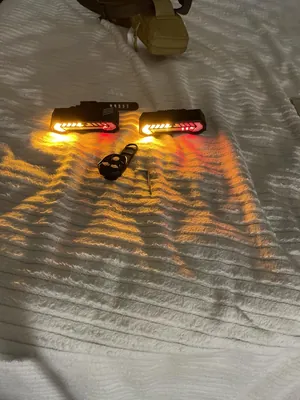
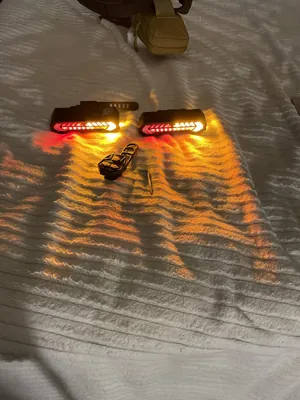
Some other projectors are meant for decoration. Four new listings in this group describe laser patterns on the road behind the bike: wings, a spider shape, and a spreading trail. These listings do not have buyer feedback yet, so what follows comes only from the listings. They describe themselves as complements to a regular light setup. One says plainly to use it alongside regular lights and reflectors, and another calls the pattern a decorative accent. If you want one, treat it as an extra and keep your standard lights in place.
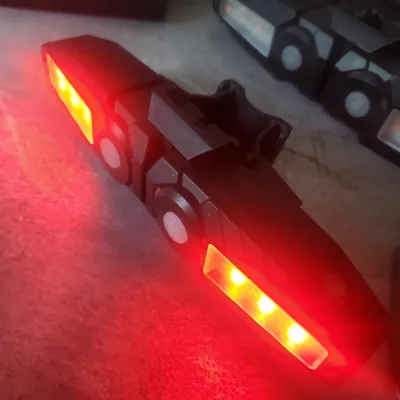
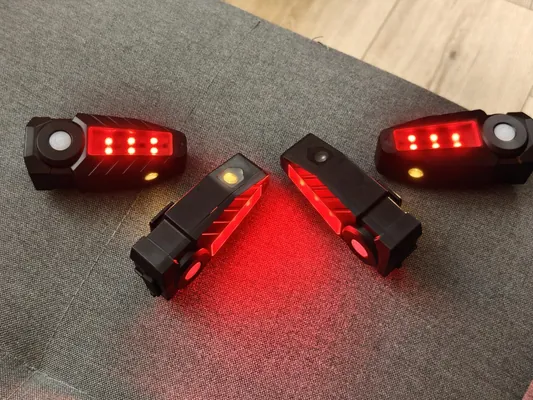
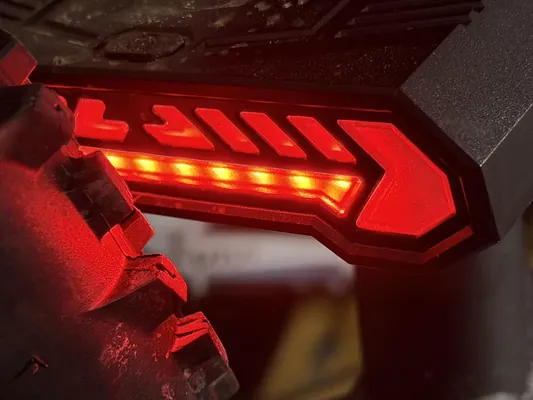
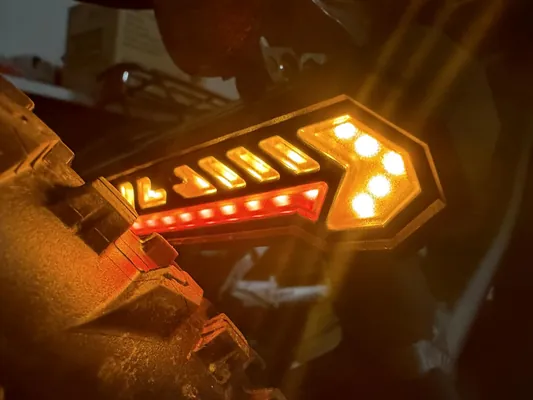
How do you mount, charge and weatherproof a rear light?
Check the mount against your bike before you buy. Seatposts vary a lot, and the listings show it. One lists a fit up to 1.6 inches, another from 0.47 to 1.26 inches. Measure the tube, and note that a rear light on a saddlebag or rack may sit too low or too high for the beam to reach drivers.
USB-C charging is common among these, which means one cable can charge your light, remote and phone. Read the water rating as a splash rating, not a swimming rating: the listings use IPX4, IPX5 and IP65, and one says not to submerge the light. Close the charging-port cover before a rainy ride.
If a light has a speaker, find out whether you can switch it off. Two buyers say the beep on one model is loud enough that they disabled it, and another notes the screws are small and awkward to remove.
Then ride the way you plan to. Turn the lights on while it is still light, test the remote with a helper behind you, and look at the pattern from a driver's point of view. If you cannot see it clearly from a distance behind the bike, a driver will not either.