In this article
If your elbows feel like sandpaper and your heels catch on the sheets, a squirt of lotion is not going to cut it. The rough patches are the places that bend, rub, bear weight and get washed all day, and they need something thicker that stays put. This guide covers what changes in the shower, how a thick all-purpose cream fits in, what buyers say about using it on hands, feet and face, and how to avoid the packaging and labeling surprises that come with the classic tin.
Why does lotion stop working on rough elbows, knees and heels?
Usually because the product is too light for the job, or because it goes on at the wrong moment. Thin lotions are mostly water. They feel nice for a few minutes and then the skin goes back to feeling tight. Rough patches are the places that bend, rub, bear weight or get washed all day: elbows, knees, heels, knuckles. They lose moisture faster than the rest of you, so they need something that stays put.
The American Academy of Dermatology says creams and ointments add more moisture than lotions and work better for dry skin, and that an ointment holds water in better than a cream for very dry skin (AAD). That is the whole idea behind the thick, white, scoopable tubs of classic body cream that keep reappearing on bathroom shelves: you trade a little speed of absorption for a layer that lasts.
Before you buy anything, though, look at the routine. A thick cream on skin that has been scalded and scrubbed will only do so much.
What should you change in the shower before reaching for a heavier cream?
Three small habits make any moisturizer work harder. The AAD recommends them for dry skin in general:
- Keep it short and warm. Five to ten minutes in warm, not hot, water. Hot water strips the skin's natural oils.
- Pat, don't rub. Blot with a towel and leave the skin slightly damp, then put the cream on within a few minutes to seal that water in.
- Reapply during the day. Hands especially need another layer after each wash, not just a morning coat.
The same page suggests dropping fragranced skin products while dry, itchy skin heals, and skipping bath oil because it makes the tub slippery (AAD). That last point matters if you are tempted to “moisturize” the shower itself.
A small amount goes further than you might expect with a dense cream. Several buyers of the classic tub cream say a pea- to teaspoon-sized scoop is plenty for the face, and that warming a bit between the palms makes the thick texture spread more easily.
What does a thick tub cream do that a lotion doesn't?
It sits on the skin instead of disappearing into it. Buyers describe the texture in earthy terms: thick and dense, something like room-temperature cream cheese, a little occlusive, with a faint powdery scent. That density is why a thin layer covers a lot of skin, and why a jar can last for months. It is also why it can feel heavy, which is the most common complaint.
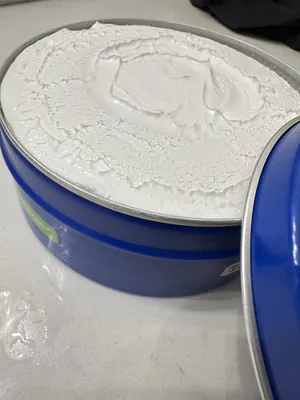
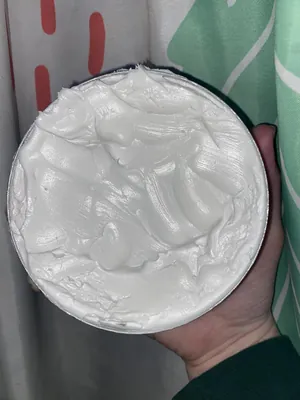
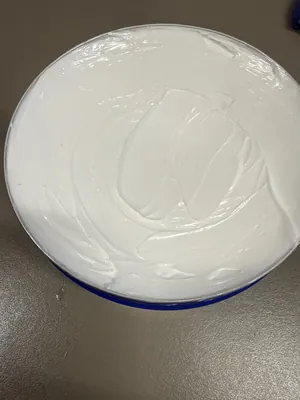
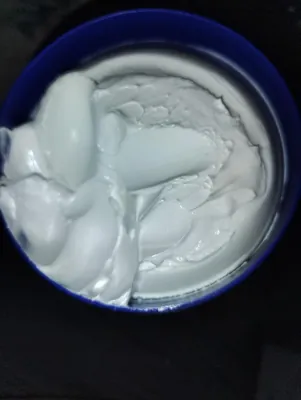
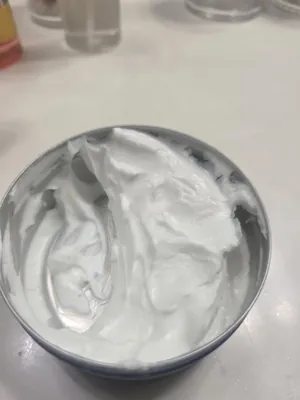
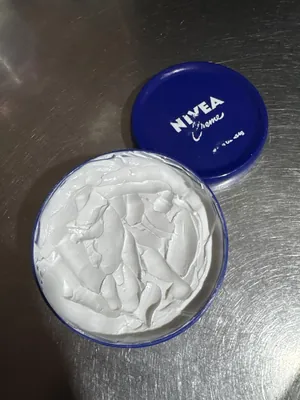
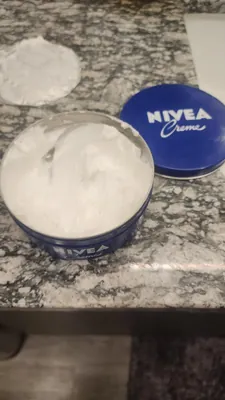
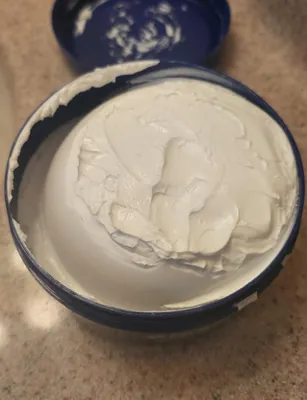
Two features of the formulas are worth knowing about. The listings for the 16-ounce and 8.4-ounce sizes mention provitamin B5, and the 16-ounce one calls the cream non-comedogenic. The ingredient panels shown in buyers' photos also list mineral oil and petrolatum, which are occlusive ingredients that slow water loss; the AAD itself suggests plain petroleum jelly at bedtime for dry heels (AAD). Not every version is the same, though, and that is worth a section of its own further down.
How do you soften rough elbows, knees and cracked hands?
Apply a layer after the shower while the skin is still damp, and work it in until it stops looking white. Buyers who describe winter dryness say they focus on exactly these places: one uses it on rough knees and elbows and on cracked hands during the colder months, another on hands washed many times a day for work. Several buyers use it at night on the face and feet, and one says the heavy texture feels greasy for daytime on the face, so a thick night layer and a lighter daytime one is a sensible split.
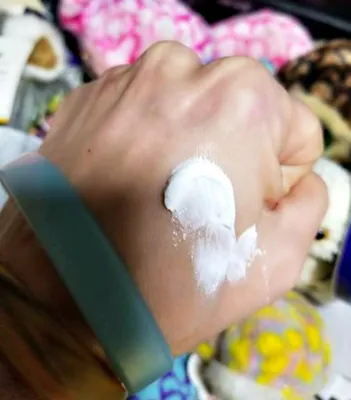
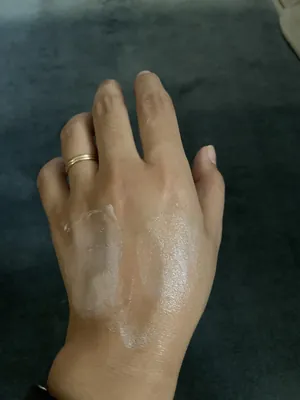
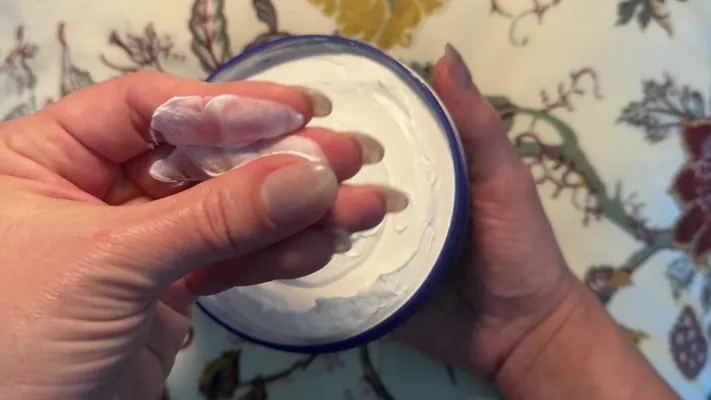
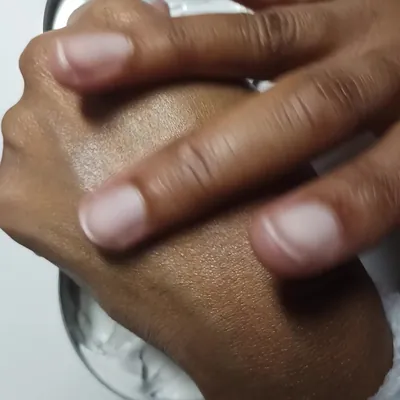

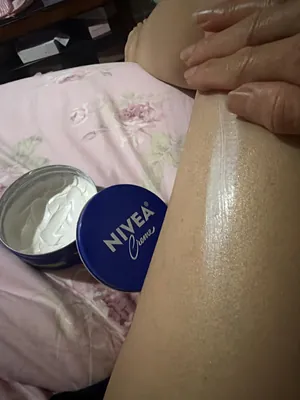
For hands, the habit that makes the difference is repeating it. Put a tub where you wash your hands, then use a pea-sized amount after each wash rather than a big blob once a day. Some buyers keep a small tin in a bag or at the desk for this reason.
What helps dry, cracked heels?
Heels need more than a quick rub. The AAD's advice for dry, cracked heels is to keep baths short, use a gentle fragrance-free cleanser, moisturize within about five minutes of bathing, and look for a cream with 10 to 25 percent urea, alpha hydroxy acid or salicylic acid. At bedtime it suggests plain petroleum jelly and cotton socks so the grease stays off the sheets, plus closed shoes with a good fit during the day instead of flip-flops (AAD).
A thick general-purpose cream fits into that routine as the daily layer. Buyers mention the same trick: a generous coat on clean feet at night, then soft socks. One says their feet have never felt so smooth since starting. If you have hard calluses, the AAD notes ingredients such as urea, salicylic acid or ammonium lactate soften them gradually, and a basic cream will not do that alone.
Pay attention to cracks that look deep, bleed, or do not improve. If you have diabetes, treat any crack in the heel seriously. The AAD warns that deep cracks can lead to infection and recommends a dermatologist for severe or stubborn cases (AAD).
Can the same cream go on your face?
Many buyers say yes, with caveats. Several use a small amount on the face at night. Others find the texture too heavy for daytime and say it looks greasy under makeup, and one buyer says the larger size feels thicker than a smaller tin they had used on their face. A couple of buyers with sensitive skin report no stinging or itching, while the scent is a recurring point: some love the soft, powdery fragrance, others find it strong enough that they only use it on their feet.
The scent is worth taking seriously. The AAD says to stop using products with fragrance when your skin is dry and itchy (AAD). If your skin is reactive, try a small patch on your inner arm for a few days before using it on your face. If you break out easily, keep the face layer very thin, or stick to the body.
Should you buy a tin or a jar, and which size?
It comes down to where you will use it. A metal tin is compact and easy to toss in a bag, and one buyer says they plan to keep the empty tin. A wide plastic jar is easier to scoop with a hand, which matters when you are using it on your feet, and one buyer of the large jar says it is easier to use than a tin. One buyer of the 400 ml tin notes it is a size they have rarely seen in U.S. stores.
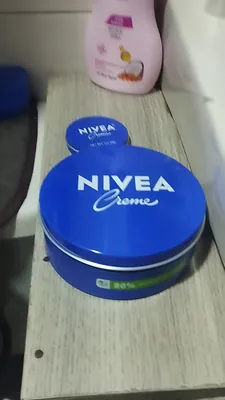
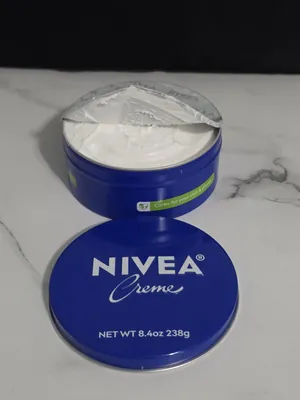
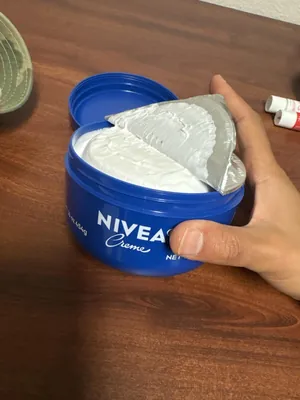
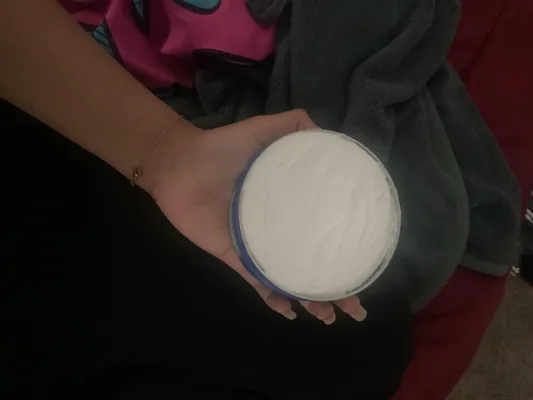
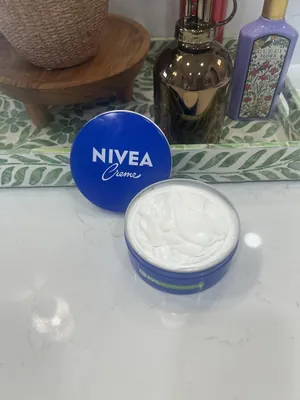
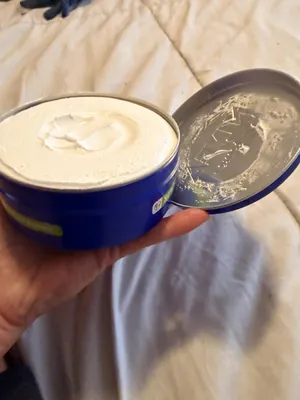
A rough guide: the 8.4-ounce tin suits a nightstand, a travel bag or a first try. The 13.5- and 16-ounce sizes make sense if the whole household goes through it. The very large tin works for heavy daily use, as long as you do not mind the scoop. Whatever you choose, check the foil seal when it arrives. Packaging complaints are common among buyers: tins arriving dented, with a broken seal or no lid at all, and a few that leaked inside the shipping box. If the seal is broken, do not use it.
Does the “German formula” on some listings actually matter?
It matters if you care about ingredients, and buyers are divided about whether what they received matches the listing. Some listings describe the cream as the original formula made in Germany. Several buyers say theirs arrived with foreign-language labels and were glad of that. Others say the tin they got carried a different ingredient list, with mineral oil or petrolatum, and was not what they were expecting, or felt lighter than a version they had bought abroad.
The honest conclusion is that you cannot tell from a product title. If a particular ingredient list matters to you, for example because you have a sensitivity, read the back of the tin or jar. The ingredient panel is printed on it. Compare it to what your skin has tolerated before, and keep the order and return window in mind in case you need to send it back.
When is dry skin more than a moisturizer can fix?
See a dermatologist if intense itching keeps you up, if skin cracks and bleeds, if it looks red, weepy or scaly, or if the roughness has not improved after a couple of weeks of the routine above. The AAD recommends seeing a board-certified dermatologist if dry skin persists after giving its tips time to work (AAD). Conditions such as eczema, psoriasis and diabetes can make skin dry, so a thick cream is a good start but not a diagnosis.
For ordinary seasonal dryness, the plan is plain and cheap. Shorter, cooler showers, a thick layer on damp skin, hand cream after every wash, socks at bedtime, and a little patience. The cream is just the part that holds it all in place.