In this article
Batana oil is a thick, nutty-smelling oil pressed from the nuts of a palm that grows in Central America. It conditions hair well: most of what buyers describe is softer, shinier, easier-to-comb hair. What it has not been shown to do is regrow hair, and that is the claim that sent it viral. This guide explains what the oil is, what to expect from it on dry or frizzy hair, how to use it without ending up greasy, and when a different step makes more sense.
The products below are the kinds people find when they search for it: raw pastes in small jars, a dropper bottle, scented and unscented versions, a big pump bottle, and a shampoo and conditioner set. Each shows up where its particular strength answers a question, and buyer feedback is used as evidence of what people notice, not as proof of results.
What exactly is batana oil, and why does it look like butter?
Batana oil comes from the American oil palm (Elaeis oleifera), a relative of the palm behind the oil in many packaged foods. WebMD’s medically reviewed overview describes it as made from the nuts of this tree, rich in oleic and linoleic fatty acids with some vitamin E compounds and carotenoids, and used on hair and skin by Indigenous communities in the region for generations.
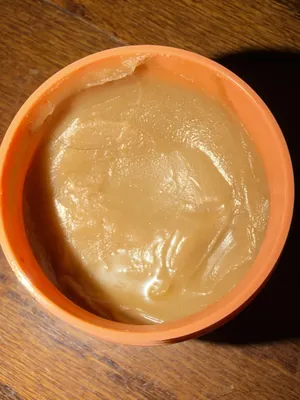
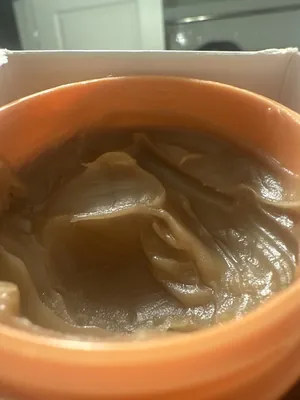
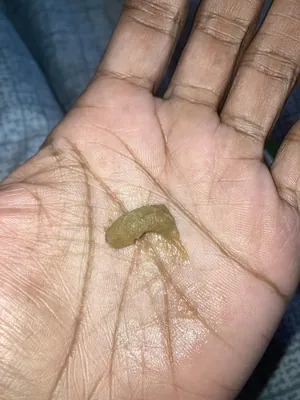
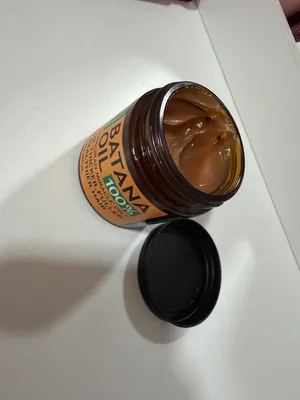
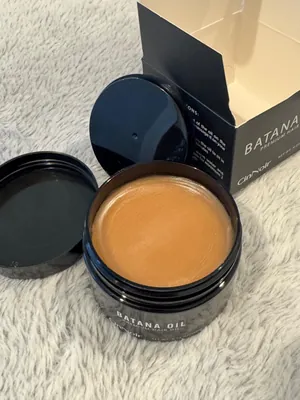
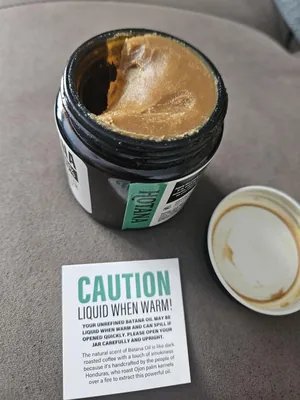
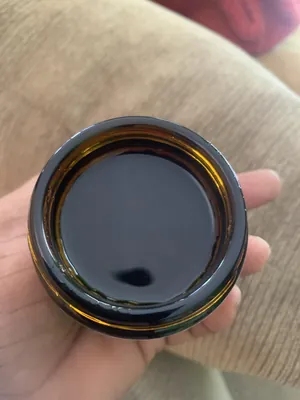
That fatty-acid mix is why it feels like a conditioner: oils like this coat the strand, smooth the surface, and make hair look glossier and less frizzy. It also explains the texture. The oil is semi-solid near room temperature, so many jars hold a soft paste that melts the moment it touches warm hands. Others hold a clear or golden liquid. Both can be genuine; the difference is usually how the oil was processed and how warm the jar has been.
Buyers mention two other traits again and again. The scent is earthy, often compared to roasted coffee, smoke, or nuts, and it ranges from pleasant to “burnt beans” depending on the jar and the person. And the color runs from pale beige to deep brown.
Does batana oil actually make hair grow?
This is the question behind most searches, and the honest answer is that nobody has shown it does. WebMD reports that no clinical trials have studied batana oil for hair growth or hair loss, and that the social-media claims about regrowth are unsupported. The dermatologists it quotes say the oil may help indirectly: it moisturizes the scalp, conditions the hair, and can reduce breakage, and a scalp massage while applying it may encourage blood flow. WebMD also notes a theory that linoleic acid could interfere with an enzyme tied to pattern hair loss, but calls any benefit theoretical.
Many buyers describe filling-in at the temples, thicker-feeling hair, or less shedding, and some of those stories are moving. Several are also candid about what else was going on. One buyer who used a paste on a thinning crown mentioned taking hair vitamins and hormone therapy at the same time and said they were not sure the oil was responsible for the regrowth they saw. Others were postpartum, a stretch when shedding typically settles on its own within about 6 to 9 months according to the American Academy of Dermatology. When the trigger fades by itself, any product used during that window can seem to work.
A more careful way to read the feedback is this: when hair breaks less, it holds more length, so it can look fuller and longer even though the follicles have not changed. That is a real effect, and it is a good reason to try a conditioning oil. It is not a reason to expect a bald patch to fill in.
When is hair loss a sign to see someone instead?
The AAD says finding the cause of hair loss is central to treating it, and lists many possible ones: heredity, thyroid problems, illness, surgery, cancer treatment, alopecia areata, tight hairstyles, harsh hair care, and scalp conditions. Patchy bare spots, a widening part, a receding hairline, or shedding that goes on past several months are worth a dermatologist visit. WebMD’s experts add that people with significant hair loss should not rely on an oil, since treatments with real evidence behind them exist.
Will it help dry, frizzy, or damaged-looking hair?
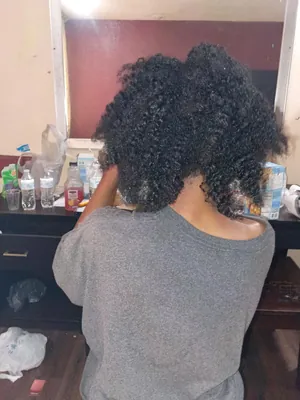
This is where the feedback is strongest and most consistent. Buyers with very different hair describe the same thing: softer ends, more shine, fewer flyaways, and hair that detangles more easily. Some say their coiled or twisted styles stayed defined longer. One person whose hair felt dry after breastfeeding said it felt soft and silky again. Another said hair that used to feel “gummy” could be worn down again after a year of regular use. These are individual accounts, and results depend on how dry the hair is to start with, but they match what a rich plant oil is known to do for the surface of a hair strand.
Fine, straight hair is the exception. One buyer with very fine hair planned to use it once a week, and another with fine blonde hair, who normally avoids oils because they look greasy, said a strong shampoo was needed to get it all out. If your hair goes flat after a heavy conditioner, use the oil only on the ends or as a wash-off mask.
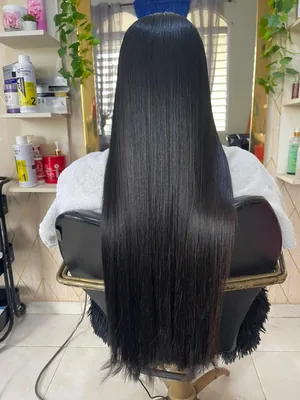
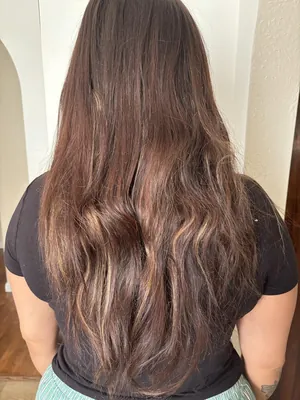
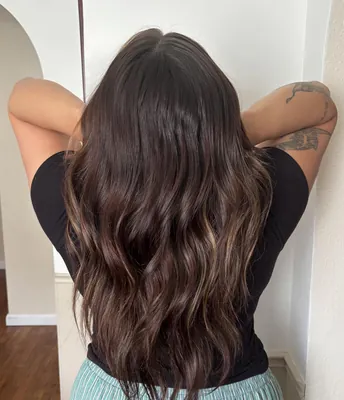
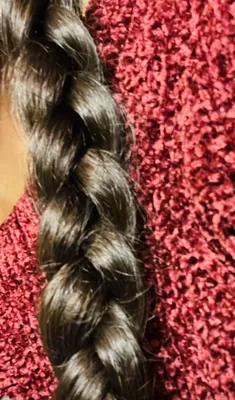
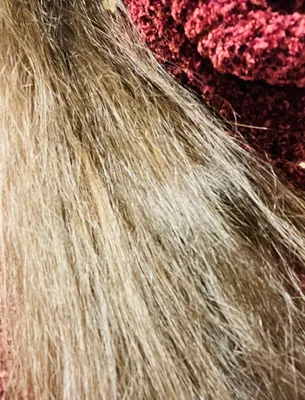

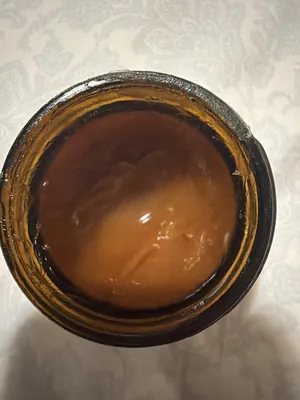
For hair that is dry mainly at the ends, a jar that stays simple and easy to dose helps. Buyers of an amber glass jar with a mild nutmeg scent talk mostly about dryness, shine, and frizz rather than regrowth, and several say the oil felt lightweight for a rich paste. Its listing suggests two to three uses a week as a conditioning oil or hair mask, a sensible rhythm for dry hair.
How do you use batana oil without making your hair greasy?
Greasy results nearly always come down to amount and washing. A few habits that match both the listings’ directions and what buyers report:
- Patch test first. Dab a little on your inner forearm and wait a day. WebMD advises this for everyone, and says people with nut or palm oil allergies should be especially careful. Stop if you see redness or itching.
- Start with a pea-sized amount, then add. The paste melts between your palms; rub them together until it turns to oil before touching your hair. Many buyers say a little goes a long way.
- Keep it on the ends and lengths for dryness. For a scalp massage, use even less and part the hair in sections.
- Treat it as a pre-shampoo mask. Apply to dry or damp hair, leave it on for 20 to 30 minutes (some buyers wrap their hair or use a shower cap), then shampoo. Overnight with a bonnet is popular, but expect extra rinsing in the morning.
- Wash twice if needed. Several buyers say a single shampoo left hair oily, and one with curly hair stressed rinsing thoroughly and following with conditioner.
- Do not apply daily. Once or twice a week is plenty for most people, and the oil can build up on the scalp. WebMD quotes a dermatologist who warns that buildup can contribute to folliculitis, an inflammation of the follicles.
How much do you get in a small jar?
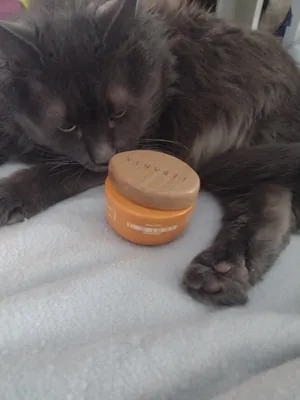
A 4-ounce jar is small, and it is the most common complaint in the feedback: several buyers say it looks tiny for the price, and one placed it beside a cat to show the scale. One buyer worked out that the directed use of two to four times a week would use up a jar in about a week. Check the size on the listing before you buy, and consider whether a larger bottle or a lighter use pattern fits your hair.
Is a scalp massage worth doing with it?
It may be, though the massage itself may deserve part of the credit. WebMD notes that massaging the scalp may promote blood flow to hair follicles, and a few minutes with your fingertips is a pleasant ritual regardless of what you put on your scalp. One buyer recovering from cancer treatment described using a hand massager with an oil on the scalp for several minutes at a time, and said their hair had started to come back; their account is a reminder that new growth after treatment is common on its own, so the oil can’t be credited.
For massage, a nozzle bottle is easier to control than a jar because you can part the hair and place a few drops at a time. Buyers of one nozzle-bottle version describe a light, quick-absorbing oil that did not feel greasy, and some say the scent was gentle. Be aware that the listing is for a pack of two, buyers describe both a nozzle bottle and a paste jar in photos, and one said they received a single bottle. Check which version you are ordering.
Why did my batana oil arrive solid, grainy, or melted?
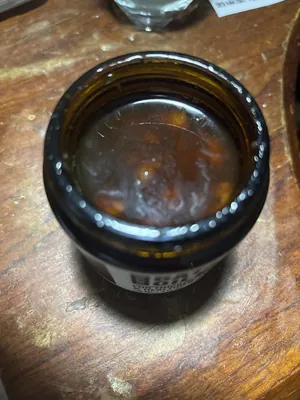
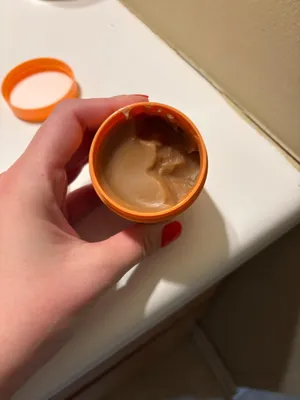
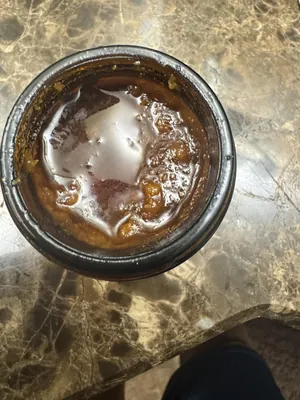
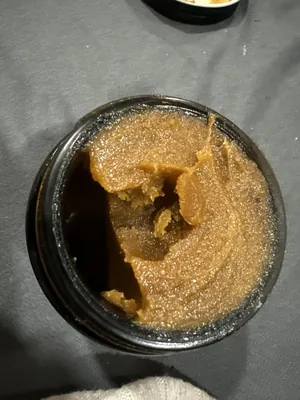
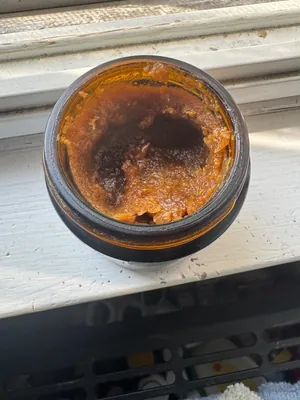
Because it is semi-solid near room temperature, the oil changes with the weather. In cold months it sets firm; in a warm truck or a hot room it melts, and when it cools again it can set with a grainy or streaky surface from crystallizing fats. That is a physical change, not necessarily a sign that something is wrong. One jar included a card warning that the oil turns liquid when warm, and several buyers who found theirs partly melted or unevenly set still said it worked as expected once warmed in the hands.
Some buyers do report real problems, though: jars that were not full, loose lids, or oil that looked and smelled different from an earlier order. Take a photo of the jar when it arrives, and if the contents look nothing like the listing, ask the seller about it right away.
Is a dropper bottle a good idea for a semi-solid oil?
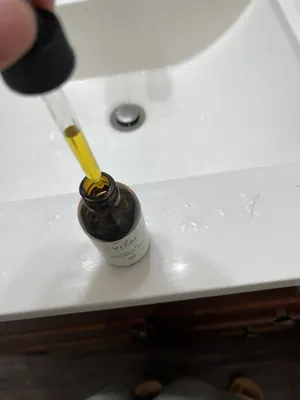
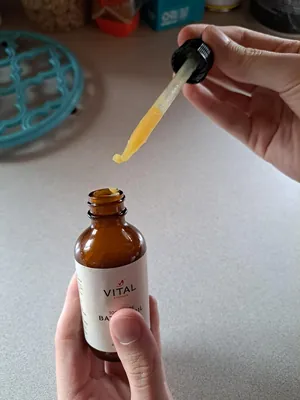
It depends on the batch. The listing for one dropper bottle describes a lightweight serum, and some buyers received a thin golden liquid they liked. A much larger group reported that the oil arrived thick, caked, or solid enough that it would not come out of the bottle or up the dropper, and that later orders differed from the first one. Because a dropper only works while the oil is liquid, this format is best for people who are willing to warm the bottle in their hands or in warm water before use, and to return it if the contents do not match the description.
What if you prefer the firmer paste?
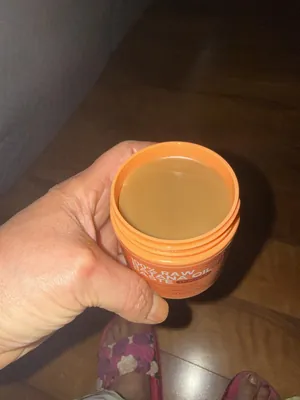
A jar of unrefined paste suits people who like to scoop it out and melt it in their hands. Buyers of one amber jar often described it as authentic-smelling, rich, and moisturizing, and several said it softened a dry scalp. They also flagged a strong, roasted scent that some found unpleasant, jars that were not full, and in a few cases a grainy texture or product that spilled in transit. If scent is a deal-breaker, plan to rinse it out; if you are sensitive to smells, use it as a wash-off mask rather than a leave-in.
How do you know what you are buying, and what about the smell?
Labels like “raw,” “organic,” and “cold-pressed” are marketing terms here. WebMD points out that raw and unrefined labels are not regulated and that authenticity cannot be confirmed without lab testing, so you are relying mostly on the ingredient list and the seller. A reasonable checklist: the ingredient panel names a single ingredient (Elaeis oleifera or batana), the country of origin is stated, the product looks and smells consistent between orders, and the seller answers questions.
Origin claims can be confusing. In the feedback, one buyer pointed out that the box of a scented jar said it was made in China even though the listing mentioned Honduran sourcing, and another noted a product said “made in USA” while the listing said Honduras. Neither detail proves anything about quality, but it is a reminder to read the box and the listing together.
Scent is the other thing the label won’t settle. Unscented raw batana smells earthy to smoky, and some sellers add fragrance to soften it. One scented jar adds a smoky coffee note, which buyers who liked it found cozy and buyers who didn’t found strong. If you are scent-sensitive, a few seconds of sniffing a small amount on the back of your hand is a better test than any label.
Is there an easier way than a jar of paste?
If a pre-shampoo mask feels like too much work, a wash-off routine takes less effort. Shampoo and conditioner made with batana oil, along with biotin, tea tree, peppermint, and castor oil, let you add a small dose of the oil to your normal wash. Buyers describe a good lather, a soft, clean feel, less frizz, and, for some, a tingle on the scalp. A few thought the peppermint scent was strong, a few found the bottles smaller than expected, and the squeeze bottles can be slippery with wet hands. As with any shampoo, the label’s promises about growth and thickness are the listing’s claims.
Can you use batana oil on skin, nails, or the body?
WebMD says the oil can be used on skin for moisturizing, but there is no evidence that it improves skin health. Some buyers use theirs on elbows, cuticles, and lips, which is a low-risk use after a patch test. A larger bottle with a pump makes that easier, and it is also a better fit for daily body use than a 4-ounce jar. The listing is inconsistent, however: it gives both 8 and 16 fluid ounces, and buyers attached to it describe several different oils, including castor, argan, and vitamin E, in their photos and comments. One described a clear, nearly odorless liquid unlike the dark, aromatic batana others mention. Confirm the variation you are selecting actually says batana on its label and check the size before you order.
What if your scalp is flaky, itchy, or oily?
Not every dry or itchy feeling is a lack of oil. Flaking and itch can also come from conditions such as dandruff or seborrheic dermatitis, and a rich oil on an already oily or irritated scalp may not help. WebMD quotes a dermatologist who warns that oil can build up on the scalp and lead to folliculitis. A few buyers described the opposite, a calmer, less itchy scalp, but one person’s experience does not predict another’s. If flaking, redness, pain, or sores keep coming back, see a dermatologist before adding more oil, and keep any product to the ends of your hair in the meantime.
A last practical note: stop using the oil and wash it out if you notice a rash, burning, or swelling, and avoid it entirely if you are allergic to nuts or palm.
What should you expect after a month of using it?
Within one or two uses, you should be able to judge softness, shine, and ease of detangling. That is the benefit worth testing. After a month of weekly use, check whether ends feel less brittle and whether you see fewer broken pieces when you comb or in the shower, since less breakage is the benefit most likely to be real.
Do not expect a visible change in thickness or in a thinning area from the oil alone. If that is your goal, a dermatologist can identify the cause and recommend options with evidence behind them, and a conditioning oil can sit alongside whatever you choose, as a way to keep the hair you have in good shape.