In this article
A frozen windshield is a small emergency that happens on the worst mornings. The fast fixes people reach for, like a kettle of hot water or a screwdriver, can crack the glass or scratch it. The safe way is mostly patience and the right order of steps: warm the glass, loosen the ice, scrape with plastic, and clear every window. This guide covers that routine, how to reach a roof or a wide windshield, what buyers say about long-handled brushes and de-icer sprays, and what to check before you buy one.
What is the fastest safe way to clear an icy windshield?
Let the car do the first part of the job. AAA's steps are simple: start the engine, set the heater to defrost, switch to recirculate if your car needs it, and turn the temperature up to full heat. Cars with automatic climate control can just use the defrost setting, and an electrically heated windshield, if you have one, works fastest of all (AAA).
While the glass warms, clear the tailpipe. A blocked exhaust pipe can let carbon monoxide build up inside the car, and the CDC says to clear snow from the tailpipe before running the engine (CDC). AAA's Northeast club adds that you should never run the engine in an enclosed space like a garage (AAA Northeast).
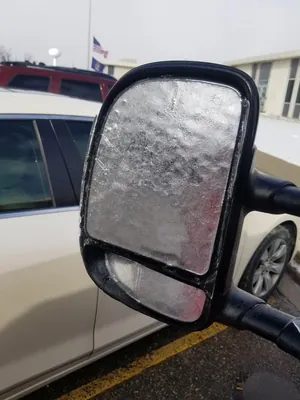
Once the ice starts to loosen, use a plastic scraper, the wipers, a rubber squeegee or a soft brush. Work from the top of the glass down, and clear every window, not only the patch in front of the driver. Rushing out with a small peephole is how people end up unable to see the side mirror or the rear.
Why shouldn't you pour hot water on a frozen windshield?
Because the sudden temperature change can crack the glass, and the water will refreeze as it cools. AAA calls hot water a no-no for exactly that reason, and it also says never to try to melt ice with a torch (AAA).
The same page says to skip metal scrapers, which can scratch the glass and damage wiper blades. That is worth remembering when a stubborn sheet of ice tempts you to grab a screwdriver or a putty knife. A plastic blade is slower, but you only have to buy glass once.
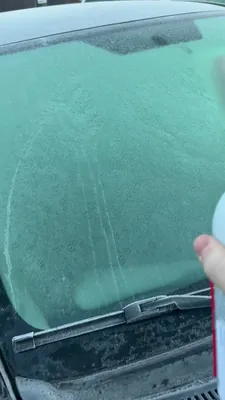
If you want something more than a scraper while you wait for the defroster, AAA mentions two options: a commercial glass de-icer spray, which generally contains methanol, or a homemade mix of one part rubbing alcohol to two parts water with a few drops of dish soap in a spray bottle. It suggests keeping the bottle indoors, where the extra warmth speeds things up (AAA).
Is a small handheld scraper enough?
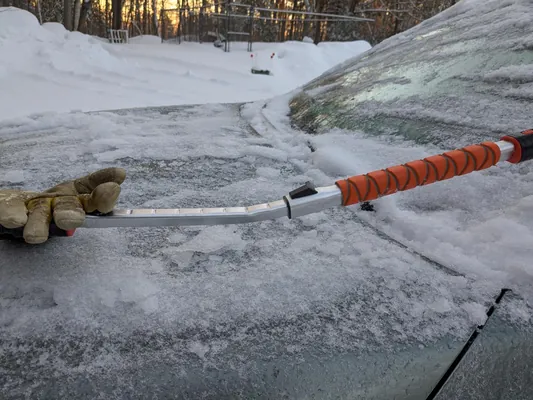
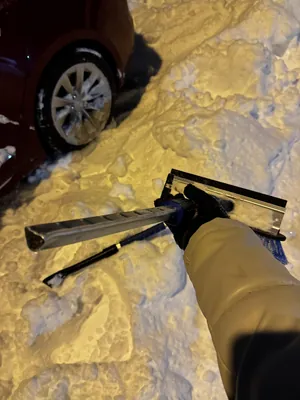
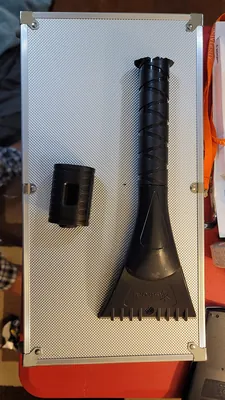
For frost and thin ice on a small car, usually yes. The trade-offs are reach and wet sleeves. A short scraper cannot get to the middle of a large windshield, and buyers of one popular style say they were pleased with how cleanly it cleared glass, while another complained that it gets your sleeve wet and does not reach the center.
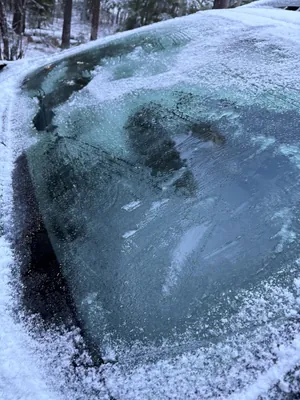
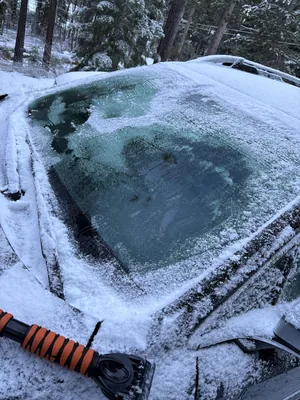
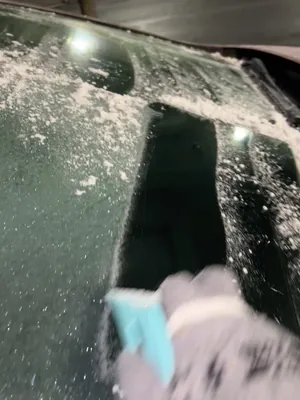
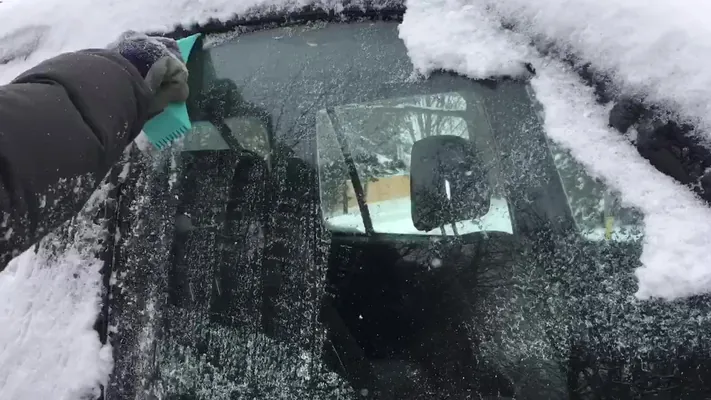
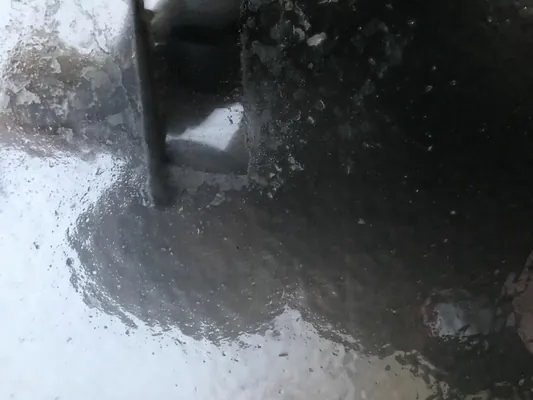
Grip matters more than it seems. If you have weak wrists or wear thick gloves, look for a scraper you can push with an open palm rather than clench. One style on the market is built so two edges rest on the glass and you lean in, and its listing says it is meant to work for people with reduced grip strength.
How do you clear the roof and the middle of a big windshield?
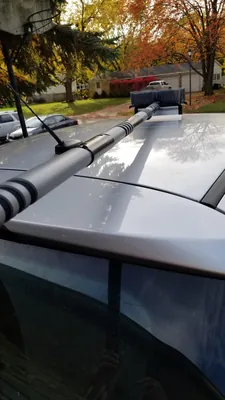
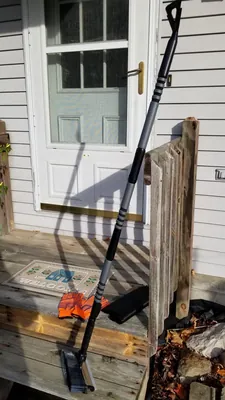
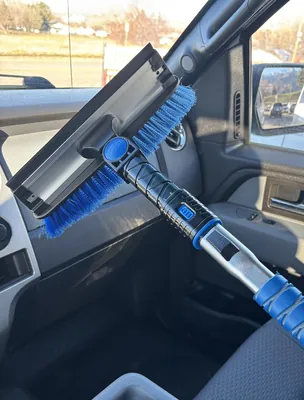
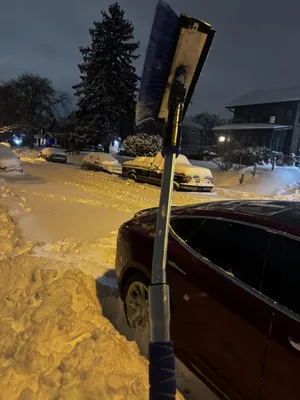
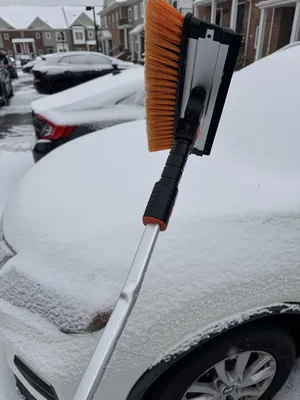
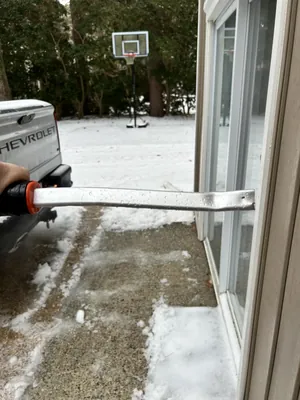
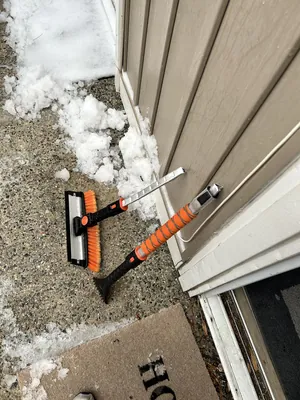
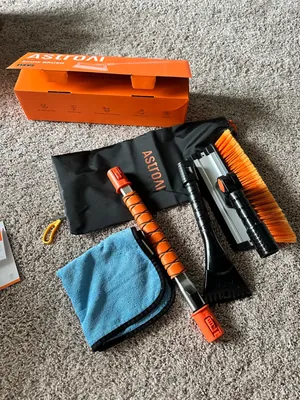
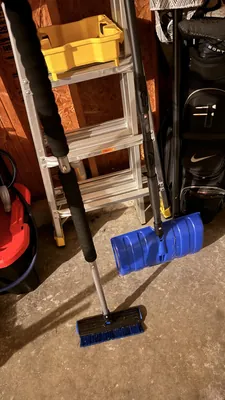
You need a long handle. Buyers of the extendable brushes say the biggest benefit is cleaning the hood, roof and windshield from one side of the car instead of leaning across wet metal, and that it keeps a moat of snow from building up around the vehicle. Truck owners are among the most enthusiastic about the longest handles.
Clear the roof as well, because snow left there can slide onto the windshield when you brake or fly off at speed and hit the driver behind you. Rules vary: New Jersey and Pennsylvania are among the states with laws about snow and ice on vehicles, while others have none, so check yours (FOX 29).
Will an extendable snow brush hold up to heavy snow?
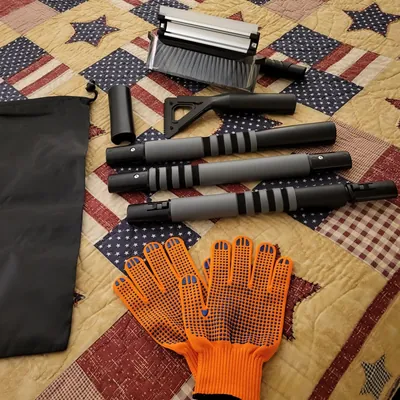
This is where you need to be careful. Buyers of one 46-inch aluminum model describe the same failure over and over: the pole bends or kinks when fully extended, and a few said it snapped on the first or second use, even with light snow. Others had the locking button stop working. One buyer had a replacement sent promptly, and several liked the tool until they extended it.
A few habits cut the risk with any telescoping handle. Extend it only as far as you need, push snow instead of prying or lifting heavy slabs, and do not lean your weight on the pole. If the snow is deep and wet, shorten the handle.
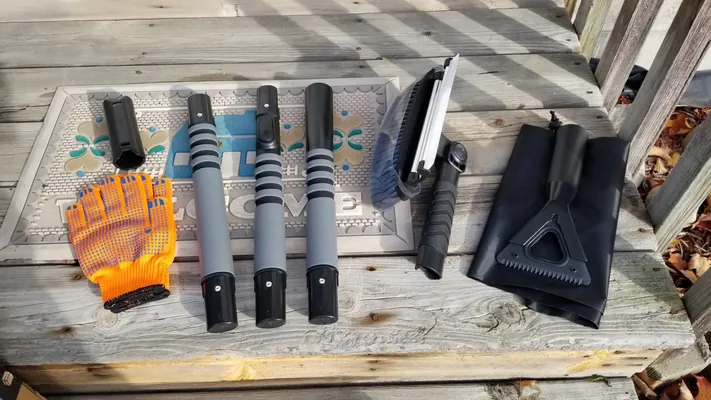
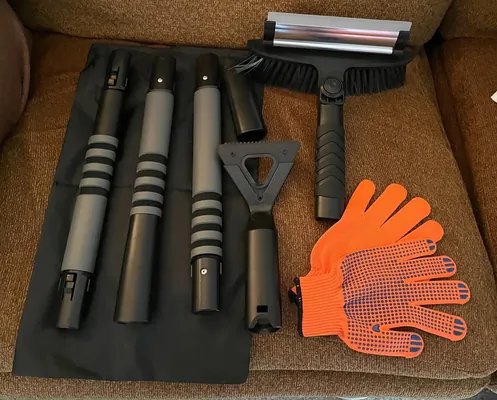
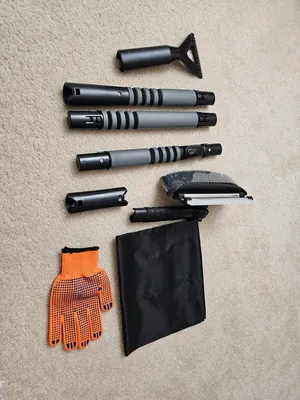
The 72-inch kit has a different complaint. Buyers call it solid, heavy-duty and well built, but one found it was not truly telescopic, since the shortest length with all sections attached is about 64 inches, which is a hassle to store in a small car. Another had a brush head that did not lock in place. If you drive a pickup, van or bus and need the reach, it is the one buyers praise; if you drive a small car, it is a lot of tool.
Do de-icer sprays actually work?
They work best on frost and a thin glaze, and less well on thick ice. The listings promise to melt frost and light ice and cut down on scraping. Buyers say they melted ice quickly on the windshield, and others say they did little: one tried a spray for two hours on thick ice with no effect, while another found the liquid just mixed with the ice and blurred the glass as they drove.
Handling is the other catch. Buyers describe bottles that leaked from the nozzle in a car door, products arriving damaged or leaking, a pack missing a unit, and one bottle without a sprayer. Keep the bottle somewhere it cannot tip over, bring it inside overnight if you can, and check what is in the box.
Think of it as a helper rather than a replacement for a scraper. Spray first, let it work, then clear what loosens with a plastic blade.
How do you keep the windshield from icing up in the first place?
A garage is the most effective answer, and AAA says a windshield cover is the next best thing. It also suggests filling the washer reservoir with winter fluid or de-icer before the season starts (AAA).
The routine ends up simple: clear the tailpipe, start the defroster, scrape gently with plastic, use a de-icer if you want a head start, and clear every window and the roof before you drive. Skip the kettle.