In this article
The best way to calm a pimple is to leave it alone, wash gently, use one proven ingredient for six to eight weeks, and see a dermatologist for deep or recurring breakouts. A handheld high-frequency wand is an optional extra that some people try on occasional spots; the evidence is thin and the quality complaints are real.
A pimple on the morning of something important makes squeezing, scrubbing, and trying every product in the bathroom feel like a good idea. It usually backfires. This guide covers what helps an occasional breakout, when it is more than that, and where a handheld high-frequency wand, the device behind the search term that brought many readers here, does and does not fit.
What should you do first when a pimple shows up?
Start with what dermatologists agree on. The American Academy of Dermatology's advice, across its acne treatment guidance and its list of habits that can worsen acne, comes down to a handful of simple habits:
- Leave it alone. Popping or squeezing can push material deeper and increase inflammation, which can mean a bigger spot and sometimes a scar.
- Wash gently. Use a mild, non-abrasive cleanser with your fingertips, up to twice a day and after sweating. Scrubbing irritates acne-prone skin.
- Choose oil-free products. Look for labels such as “non-comedogenic” on moisturizer, sunscreen, and makeup, and take makeup off before bed.
- Do not dry the skin out. Harsh toners, astringents, and rubbing alcohol can make breakouts look worse.
- Pick one proven ingredient and stick with it. Benzoyl peroxide, a retinoid such as adapalene, and salicylic acid are the common over-the-counter options. Constantly switching products stresses the skin.
How long does it take to know whether something is working?
Longer than most people want. The AAD says to give the same treatment six to eight weeks before judging it. One buyer of a wand wrote that nothing had changed after five sessions and only afterward learned results take six to eight weeks, which is the same timeline. Judging any routine after a few days leads to switching too often.
When is it more than an occasional pimple?
A few small spots now and then are normal. Deep, painful bumps are different. The AAD recommends seeing a dermatologist when acne forms cysts or nodules, does not respond to over-the-counter products, or causes distress, because deep blemishes can leave scars. It also says not to try to drain a cyst or nodule at home, since the risk of infection is high outside a medical office.
This matters for devices, too. Several buyers describe cystic acne or hormonal breakouts and say a wand helped. Others say it did nothing or made things worse. A gadget is not a substitute for treatment that has been studied, and it should not delay a visit if breakouts keep coming back or leave marks.
What is a high-frequency wand, and does it work?
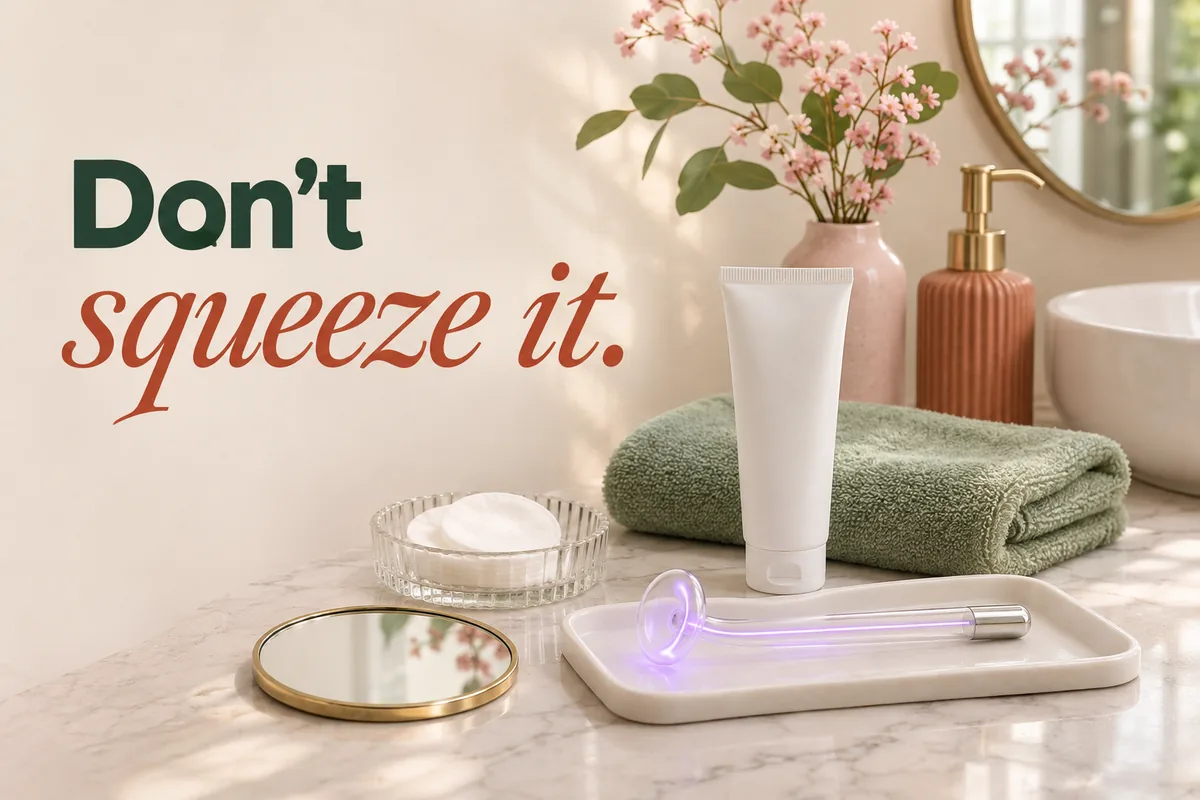
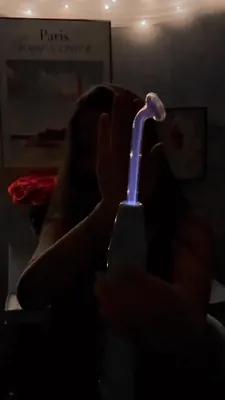
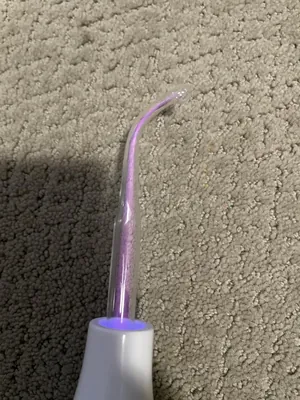
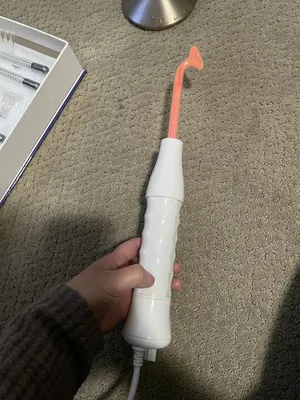
A high-frequency wand is a small handheld device with a glass electrode that is filled with a gas, usually neon or argon. A low-power, high-frequency current makes the gas glow and produces a tiny electric charge that you glide over, or hold just above, the skin. The technique is common in salon facials, and the listings here describe it as a way to calm blemishes, brighten skin, and help serums absorb.
The evidence is thinner than the marketing. Dermatologists quoted by a beauty publication describe the wand as a possible spot treatment that may shorten the life of an occasional pimple, not a replacement for established acne treatments, and say clinical studies are limited. The sources reviewed for this guide turned up no independent trials showing that the neon and argon gases do different things, as some listings claim, or that the comb tubes help hair growth.
Buyers' experiences range widely. Several said a spot looked smaller or flatter the next day, and some who describe themselves as estheticians use one on clients. Others saw no difference after weeks, said it made them break out more, or found it uncomfortable. These are individual accounts, not proof either way.
Is it worth paying for neon and argon tubes?
The two pricier sets here include a mix of neon and argon tubes, with the listings assigning blemish care to argon and fine lines to neon. Several buyers of the cheaper sets used the purple tube that came in the box for pimples and were satisfied. Since the gas-specific claims lack independent support, a higher price for a mixed set is a bigger bet than it looks.
The most expensive set adds a more powerful handle and different applicators. Only three written reviews were collected for it, and two reported glass tubes that broke or a rod that did not light, so the listing's claims are not backed by much buyer feedback yet.
How do you use one without irritating your skin?
Follow the manual first, and start low. The listings for the 4-tube sets suggest using the wand two to three times a week for about 10 to 20 minutes. They also say to turn the level to zero before you start and then raise it. Several buyers said the first touch feels like a small jolt, but if you keep the glass on the skin and do not lift it off repeatedly, it feels milder.
- Wipe the glass tube before and after use. One box's printed instructions call for sterilizing the electrodes with alcohol.
- Start with clean, dry skin. Some buyers add a gel moisturizer or serum to glide the tube; others use it dry.
- Keep the level as low as it needs to be. One buyer said the highest setting felt like a sting.
- Use it on a blemish rather than a large area at first, and stop if the skin looks red, burned, or sore.
- Skip it if the device's instructions list a reason you should not use it. Devices like this commonly warn against use with a pacemaker or during pregnancy. One buyer avoided the face because of dilated blood vessels after reading that this was a caution. Ask a doctor if you are unsure.
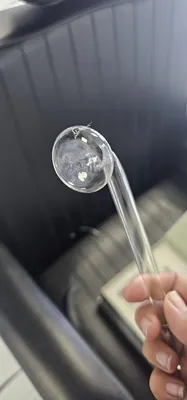
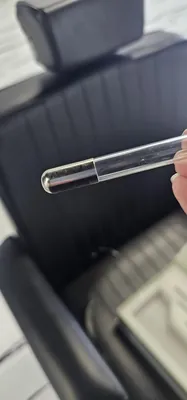
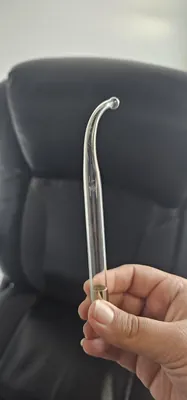
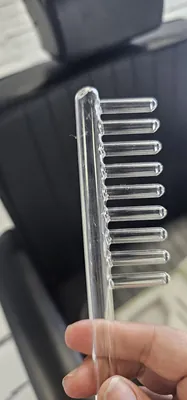
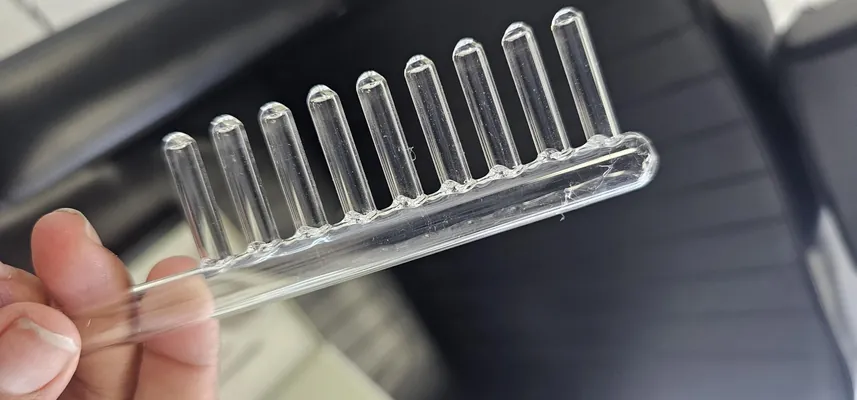
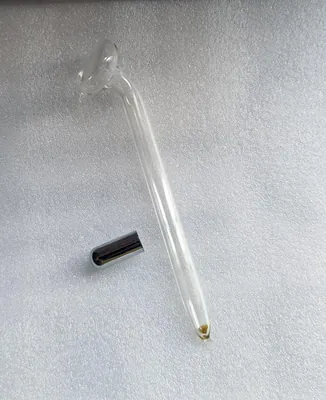
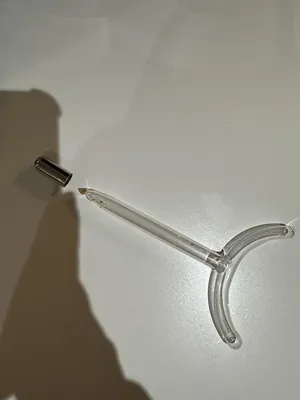
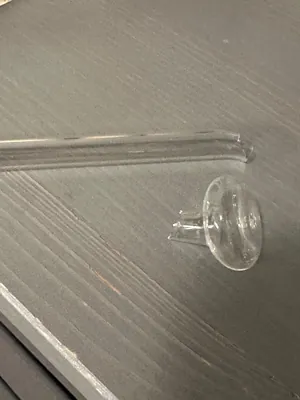
Glass tubes slip out easily. One buyer warned that the attachments do not lock in and suggested sitting on a bed or sofa so a dropped tube lands on something soft. That set has a single power knob, a mushroom tube, and a comb tube for the scalp, which buyers described using for hair. Evidence for that use is limited.
A second four-tube set lists purple tubes in tongue, bent, mushroom, and straight shapes, with a handle that has a level dial and instructions for 10 to 20 minutes, two to three times a week. Buyers mostly praised its strength; one esthetics student described a bump gone the next day, while another buyer got a painful shock and a red mark on the first use.
A seven-tube kit adds more shapes and a roller. It also drew the most pointed safety complaints in this group, covered next.

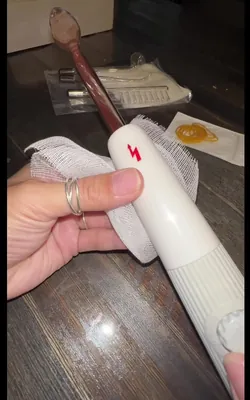
What goes wrong with these devices?
Plenty of buyers are happy, but the problems that show up in the reviews are specific and worth knowing before you plug one in:
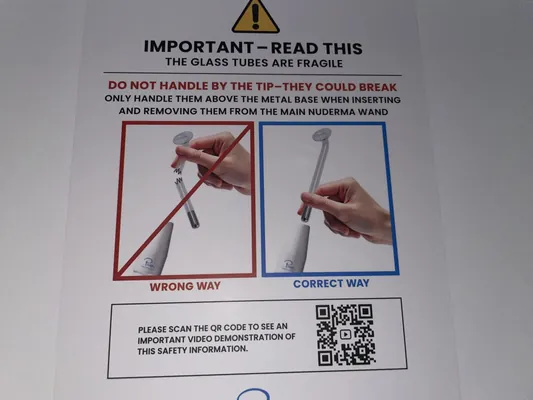
- Breakage. Many buyers report glass tubes that cracked, arrived broken, or got stuck in the handle. One said the tip stuck inside the socket and the tube broke when removed. The instruction sheet shown below warns not to hold a tube by its tip.
- Shocks and sparks. A handful of buyers describe a sharp zap through the handle or a spark, a burst, or a burnt smell. A few said it left a red mark or a burn on the skin. Others said the power flickered the room lights. If a device does this, stop using it and ask for a refund or replacement.
- No ground pin. One buyer complained that their unit had a two-prong plug and no grounding pin. Another esthetician buyer advised making sure the device is grounded. Check the plug type and the manual.
- Used or incomplete units. Several buyers said their kit looked used or arrived with a missing or broken tube. Check the contents against the listing right away.
- Wrong voltage. The listings are for U.S. outlets. Buyers in the U.K. reported that a unit would not work or stopped working when plugged into an adapter. Only use these in the region they are sold for.
- Fragile cords. A few buyers reported the cable splitting or failing within weeks.
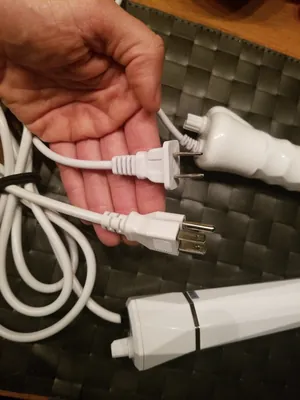
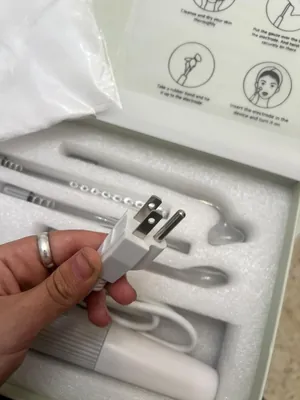
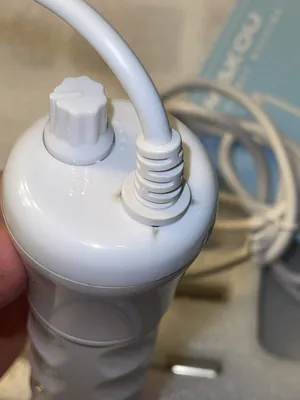
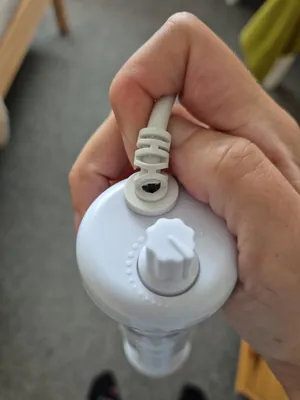
A practical test: when the kit arrives, check the glass, plug, and cord, then run it once without touching your face. If anything looks cracked, smells burnt, or sparks, send it back instead of troubleshooting.
Is a wand worth adding to a pimple routine?
It can be a reasonable curiosity for people who get an occasional pimple, already have the basics in place, and are comfortable with the risks of an electrical device. It is a poor stand-in for treatment if you have cysts, scarring, or breakouts that keep returning. The basics in the first section cost far less and have much stronger support.
Prices on these listings range from roughly $28 to $170, and the reviews show breakage and quality complaints across that range, so a higher price does not guarantee a sturdier device. Buy where returns are easy, check the unit promptly, and set a six-to-eight-week check-in with yourself before deciding it is working.
One more set comes with four electrodes, gauze, and rubber bands. One buyer called it a low-level device that works with any serum, no conductive gel needed. Buyers also noted unclear instructions and sparking, and a few received used or broken items, so treat it as a cautious try-out and read the manual closely.