In this article
Blinds and heavy curtains solve privacy by taking away the light. Window film tries to keep the light and lose the audience. It does that three different ways: a reflective one-way film for daytime, a frosted film that works around the clock, and a patterned film that blurs the view and adds some style. Each has a catch, and the biggest one is what happens after dark. This guide walks through what each kind does, what buyers say about it, how film affects heat and light, and how to install it without bubbles.
What kind of window privacy do you actually need?
Start with when you want it. Privacy during the day, when people walk past outside and the sun is bright, is a different problem from privacy at night, when the lights are on inside and the glass turns into a stage. Most of the disappointment buyers describe comes from buying for one and expecting the other.
Then think about distance. A bathroom window two feet from a neighbor's wall, a front door with a panel beside it, a first-floor window facing a sidewalk, a sliding door onto a yard: each has a different viewing distance and a different amount of light you can afford to lose. Write down which windows you want covered and whether you want to see out, let light in, or just stop the direct line of sight.
That tells you which of three kinds of film to look at: a reflective one-way film for daytime, a frosted film for around-the-clock privacy, or a decorative film that blurs the view and adds a pattern.
How does one-way mirror film work, and why does it fail at night?
A reflective film works because the brighter side of the glass looks like a mirror. In daylight the outside is brighter, so passers-by see their own reflection and you see out. After dark, with lamps on inside, the effect reverses, and the room is on display. The listings say as much: one calls the film a daytime-only option, and another says to close curtains when the lights are on at night.
Buyers confirm both sides. Several say the daytime privacy is exactly what they wanted, for a main road, a sidewalk or a front door. One buyer who put the film on a bathroom window was unhappy at night, and another noted that the closer someone stands to the glass, the less private it is. If you need a bathroom or bedroom covered after dark, choose something else or add a curtain or shade.
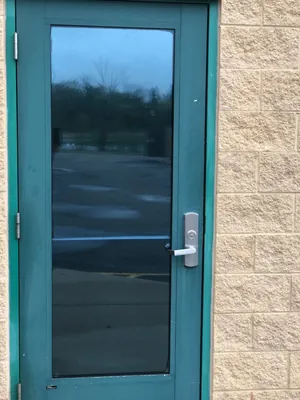
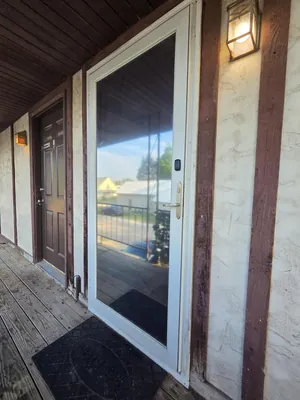
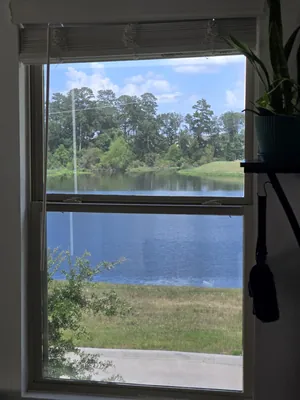
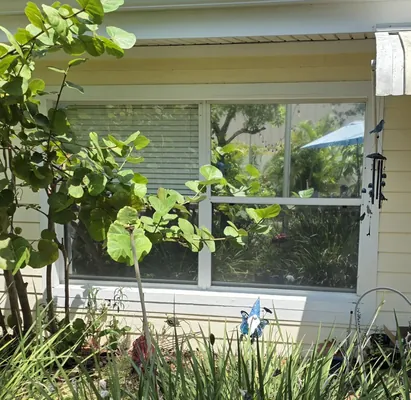
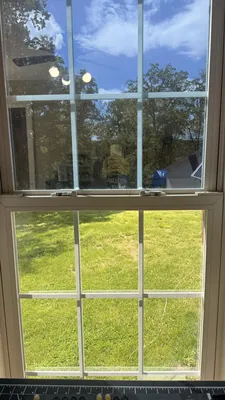
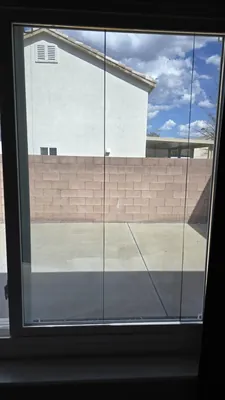
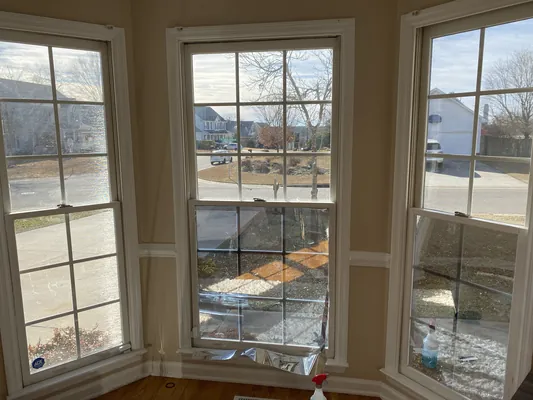
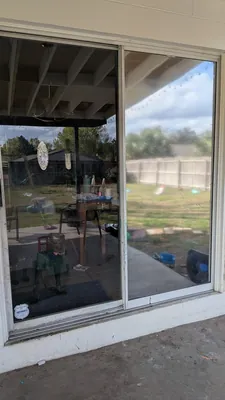
Reflective films also cut sun and glare, which is why some buyers chose them for a sunroom, a skylight, or a west-facing wall. They come with a trade-off: darker films reduce the light that gets in. One buyer says it blocks about half of the natural light and warns that window plants will notice.
What gives privacy at night, too?
Frosted film. It scatters the view in both directions, so it works whether the sun is up or the lamps are on. It is also the easiest to understand: the glass looks like etched or sandblasted glass. Buyers report that it blurs the view without making a room gloomy, and several say it let them keep the blinds open for the first time. The usual gap is up close. One buyer notes that a hand held against the film is visible, while objects four inches or more behind it blur out, and a couple of others say shapes show when you stand very close, so it hides detail more than silhouettes.
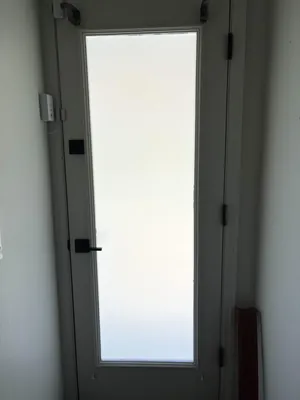
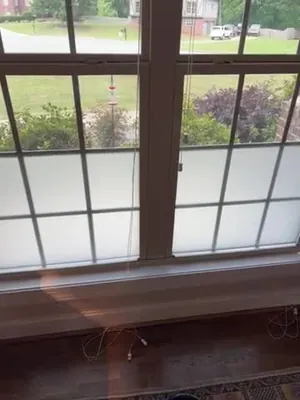
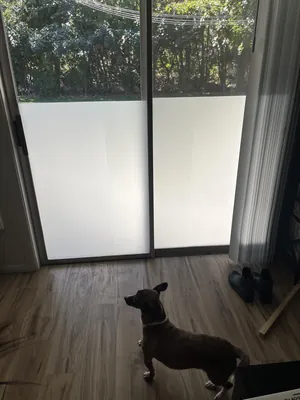
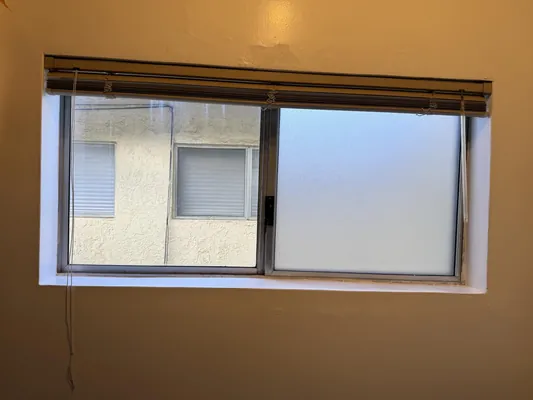

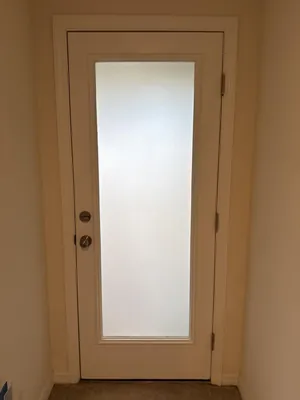
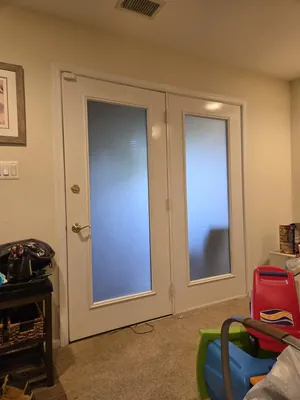
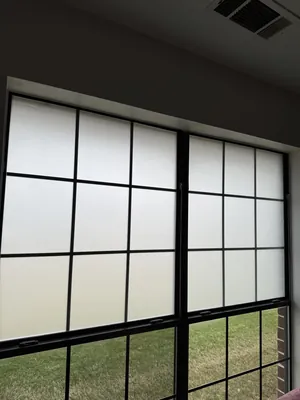
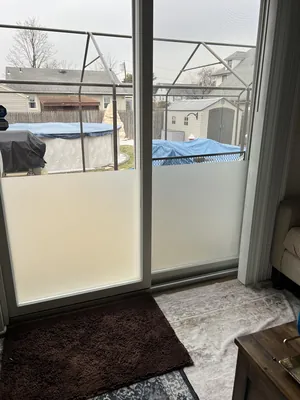
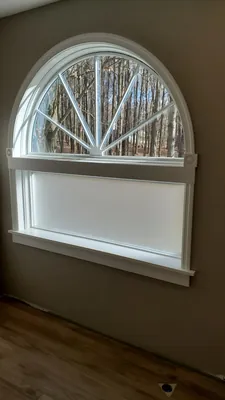
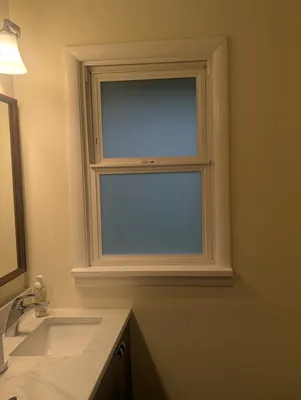
Cover only the bottom half, or just the part at eye level, if you want sky and trees to stay visible. Photos from several buyers show exactly that on a door or a balcony slider, and it costs less film.
Can window film hide the view and still look good?
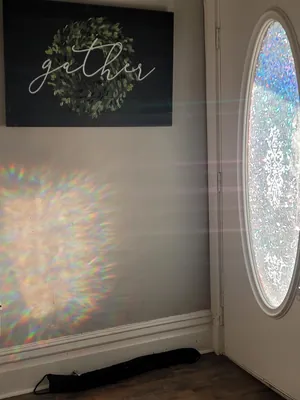
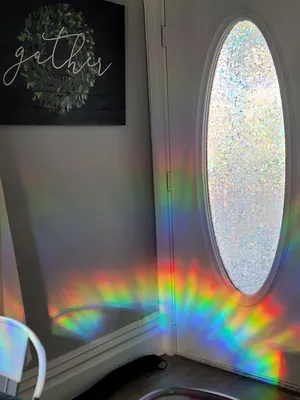
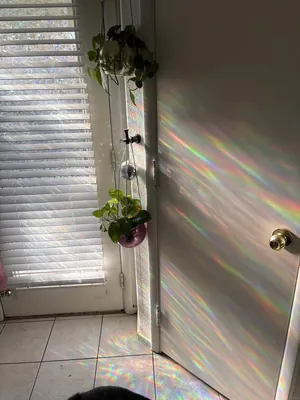
It can, and a lot of the buyers who chose it care about both. Stained-glass, lattice and floral styles give a window something to look at while softening the view in. Buyers use them on bathroom windows, front-door side panels, kitchen windows, and an RV. Some say the film made an ordinary window the nicest one in the house.
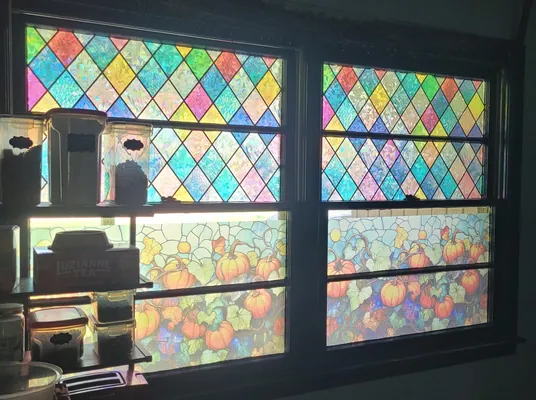
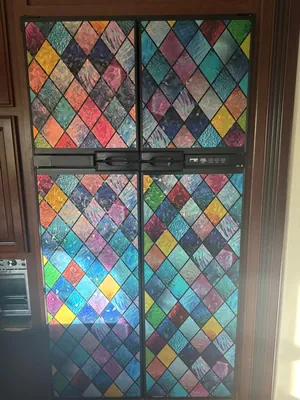
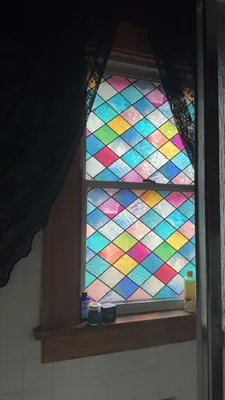
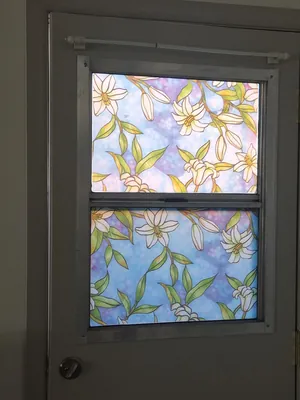
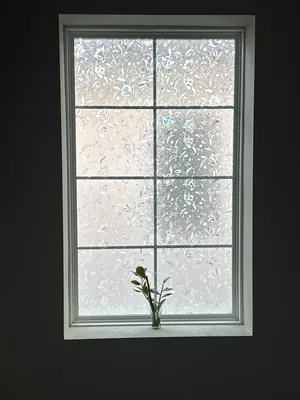
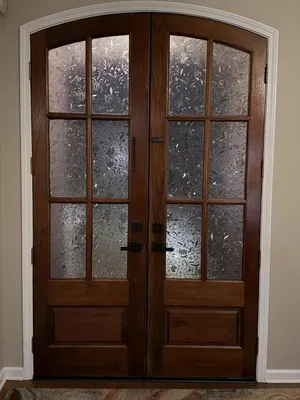
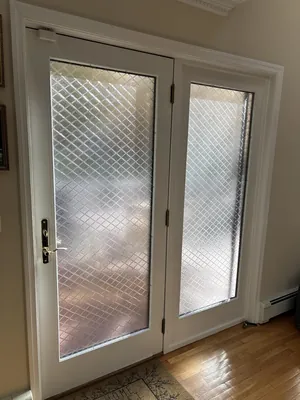
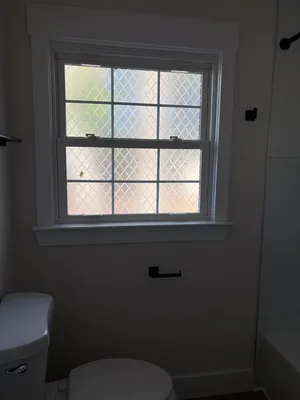
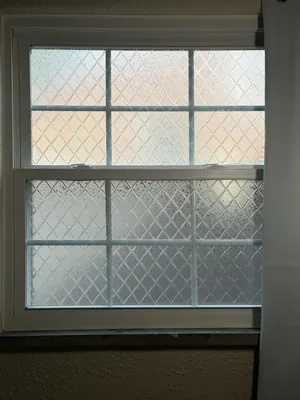
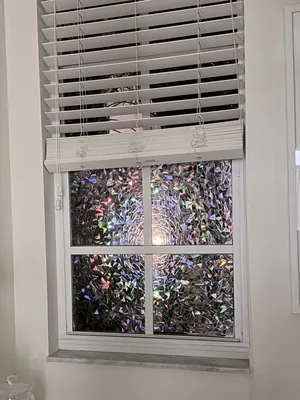
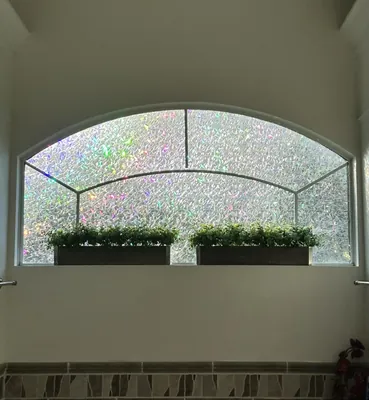
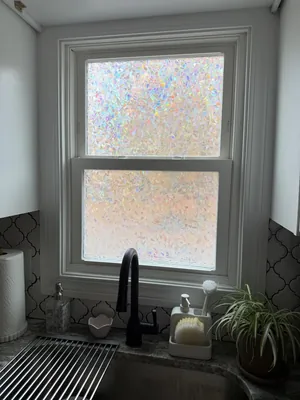
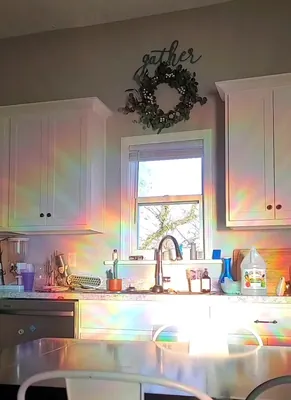
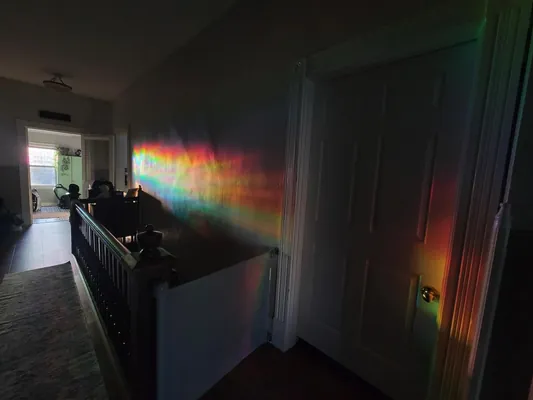
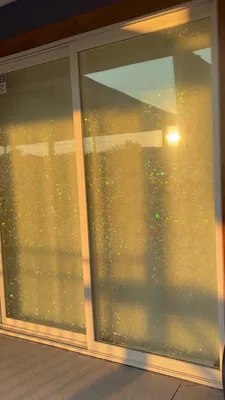
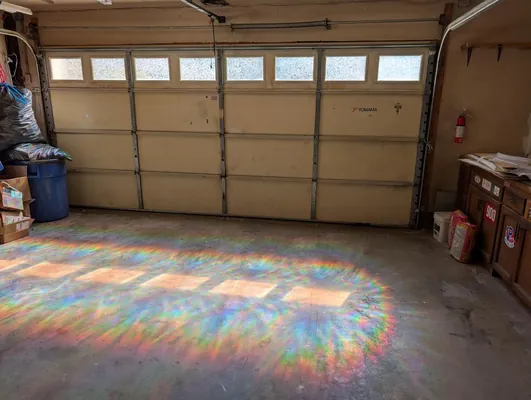
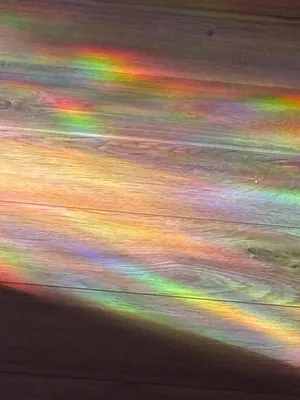
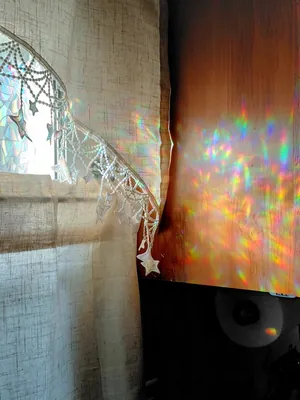
A few cautions come up again and again. Patterned film needs to line up, so buy a roll wide enough that you do not have to turn it sideways or piece it together. Some buyers say a rainbow style is more decorative than private, and one says the colors only appear when direct sun hits the film. The listing for a rainbow style gives its privacy level as 60 percent, so it blurs rather than hides.
Will window film cool a room, and what does it cost in light?
Reflective films can cut solar heat, but the savings vary. The U.S. Department of Energy says east- and west-facing windows usually benefit the most, and that films are best suited to climates with long cooling seasons, since they also block the sun's heat in winter (Energy.gov).
Buyers report a wide range of results. One says a west-facing bedroom stayed around 80 degrees where it used to reach 90; another says an apartment cooled enough to feel a difference; a third says their power bill dropped. Those are individual reports, not guarantees, and a frosted film does little for heat. The cost is light. The darkest films cut a lot of daylight, so check the percentage in the listing and consider a lighter shade for rooms with plants or a dim layout.
One more thing to check is your window warranty. A buyer says a window company told them privacy film would not void theirs, but policies differ, so ask your window maker before applying a dark or reflective film to double-pane glass.
How do you put film on without bubbles, wrinkles or waste?
Almost every buyer who struggled says the same thing: the prep matters more than the product. The method most of them describe goes like this:
- Clean the glass thoroughly. A razor-blade scraper takes off specks that would stay trapped under the film forever.
- Measure twice, then cut about an eighth of an inch short. A straightedge and a sharp blade give cleaner edges than scissors, and a film that is cut too big is harder to trim in place.
- Spray a lot of soapy water. Soak the glass and the sticky side. Buyers use a few drops of baby shampoo in a spray bottle.
- Start in the middle and squeegee outward. Work any trapped bubbles to the edges and trim last.
- Get a helper for big sheets. Buyers say the reflective rolls need two people because a film that touches itself can crease permanently.
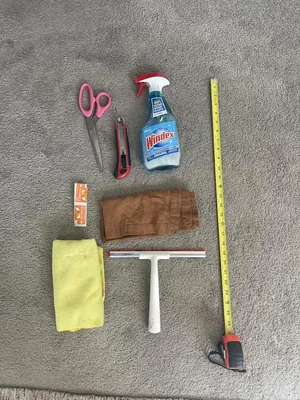
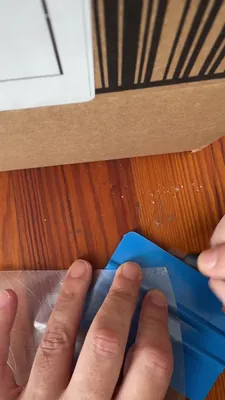
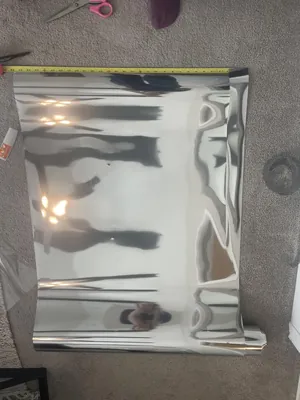
Static-cling films need only water and no adhesive, so they are easier for renters and can usually be lifted off and reused, according to their listings. They are still fussy. Buyers say some are hard to peel from the backing, that thick films curl at the edges while you work, and that tape left on the surface is hard to remove. If your glass is a large sliding door, expect to join several pieces or buy the widest roll.
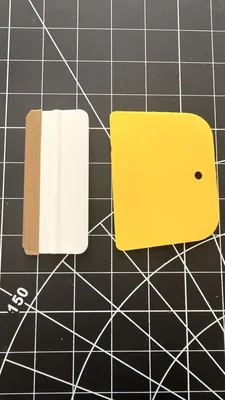
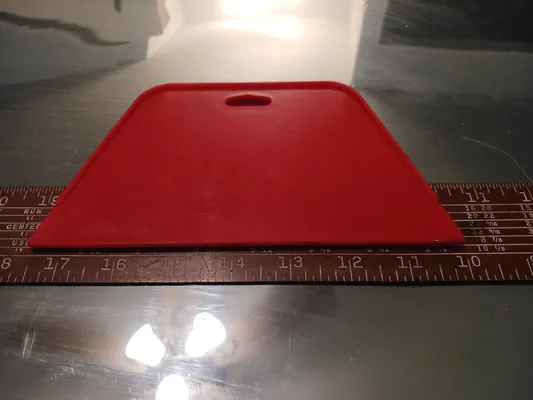
Before ordering, note that several buyers say the backing has no cutting lines and that tools were not included. A small squeegee, a sharp blade and a straightedge are cheap and worth having.